A healthy smile depends on more than just white, straight teeth. The tissue surrounding your teeth plays a vital structural and protective role in your oral cavity. When your gums become abnormally enlarged, thickened, or overgrown, it can be both aesthetically distressing and medically concerning. This condition is known clinically as gum hyperplasia or gingival enlargement.
If you have noticed that your gum tissue is slowly expanding over your teeth, causing discomfort, or bleeding easily when you brush, you are not alone. Gingival hyperplasia affects millions of people worldwide and stems from a wide variety of underlying triggers, ranging from daily oral hygiene habits to prescription medication side effects.
This comprehensive guide explores everything you need to know about gum hyperplasia, including its root causes, recognizable symptoms, clinical diagnostic methods, standard treatments, and effective daily strategies to restore your gum health.
What Is Gum Hyperplasia?
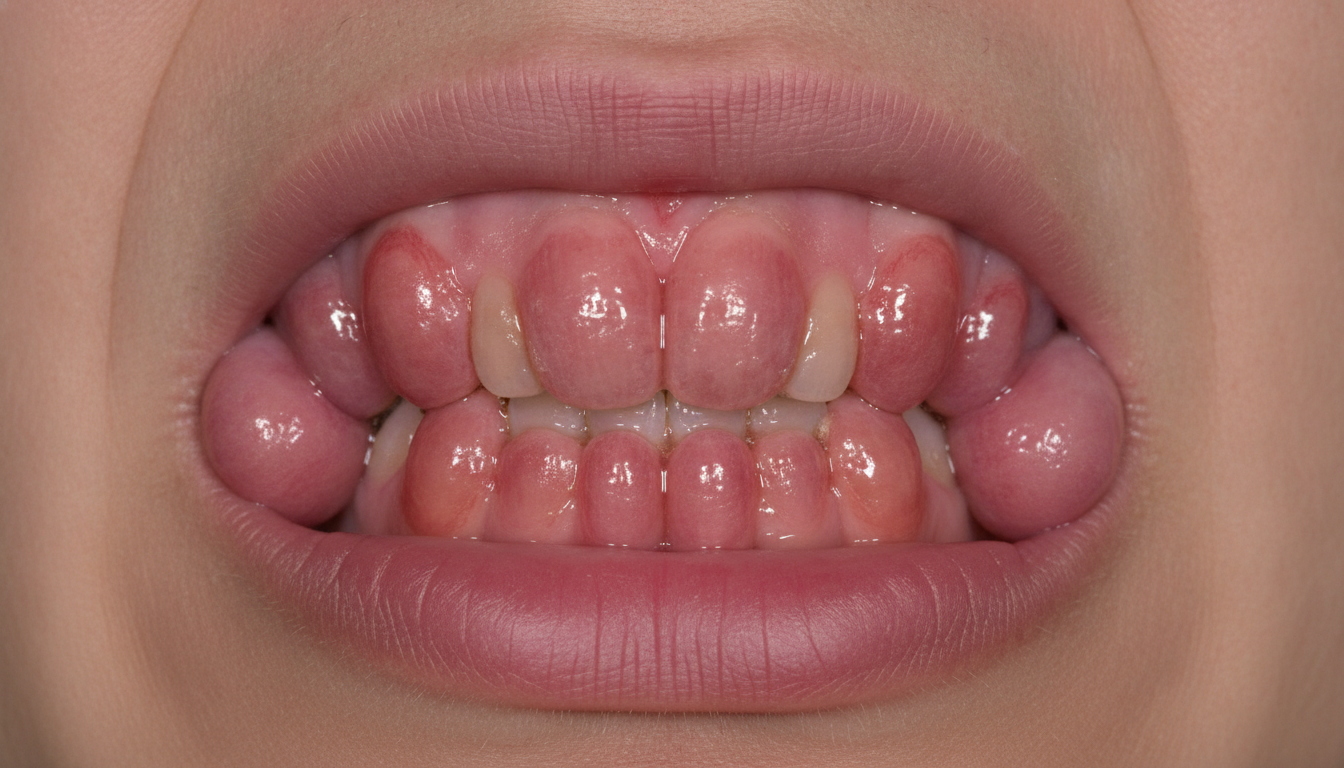
Gum hyperplasia is an abnormal increase in the volume of gingival tissue. Unlike temporary swelling caused by a minor injury or localized irritation, hyperplasia involves an increase in the number of cells within the tissue, leading to persistent, structural gum tissue overgrowth.
In severe cases, the overgrown tissue can partially or completely cover the crowns of the teeth. This creates deep pockets between the teeth and gums, known as pseudo-pockets. These areas are exceptionally difficult to clean with standard brushing and flossing, turning them into ideal breeding grounds for harmful bacteria. Left unmanaged, gingival overgrowth can lead to severe periodontal disease, tooth mobility, alignment shifts, and functional issues while chewing or speaking.
Pathophysiologically, the condition is classified into four main categories:
- Inflammatory gingival enlargement (usually driven by bacterial plaque).
- Medication-induced gum hyperplasia (a side effect of systemic drugs).
- Hormonal or systemic condition-related hyperplasia.
- Hereditary gingival fibromatosis (a rare genetic condition).
The Main Causes of Gum Hyperplasia
Understanding what causes gingival overgrowth is the first step toward effective treatment and prevention. The etiology varies significantly depending on individual health background, medications, and daily habits.
+————————————————————————-+
| CAUSES OF GUM HYPERPLASIA |
+————————————————————————-+
| 1. Plaque-Induced Inflammation | 2. Drug-Induced Overgrowth (DIGO) |
| – Chronic Gingivitis | – Anticonvulsants (Phenytoin) |
| – Poor Oral Hygiene | – Calcium Channel Blockers |
| – Poorly Fitting Dentures | – Immunosuppressants (Cyclosporine)|
+———————————–+————————————-+
| 3. Systemic & Hormonal Factors | 4. Genetic & Hereditary Factors |
| – Pregnancy & Puberty | – Hereditary Gingival Fibromatosis |
| – Vitamin C Deficiency (Scurvy) | – Idiopathic Hyperplasia |
| – Leukemia & Blood Disorders | |
+————————————————————————-+
1. Chronic Plaque-Induced Inflammation
The most common cause of non-drug-related tissue growth is plaque-induced gingivitis. When dental plaque—a sticky film of bacteria—accumulates along the gumline, your immune system launches an inflammatory response.
If this chronic inflammation persists, the immune signal causes local tissue fibroblasts to proliferate, resulting in swollen gums, redness, and localized tissue enlargement. Poorly fitted dental appliances, rough fillings, or misaligned teeth can worsen this by making plaque removal even more challenging.
2. Drug-Induced Gingival Overgrowth (DIGO)
Certain prescription medications interfere with cellular calcium regulation and tissue metabolism, causing fibroblasts in the gums to produce excess collagen matrix. Drug-induced gingival overgrowth is most frequently linked to three classes of drugs:
- Anticonvulsants: Medications like phenytoin, used to manage epilepsy and seizure disorders, carry a high incidence rate of tissue enlargement (affecting up to 50% of long-term users).
- Calcium Channel Blockers: Prescribed for hypertension and cardiovascular conditions (e.g., nifedipine, amlodipine, diltiazem), these drugs can cause fibrotic gum swelling.
- Immunosuppressants: Cyclosporine, taken by organ transplant recipients and individuals with autoimmune disorders, frequently causes marked gingival enlargement.
3. Hormonal Fluctuations and Systemic Conditions
Hormonal shifts alter how the vascular system and tissue in your mouth react to subtle amounts of plaque:
- Pregnancy and Puberty: Elevated levels of progesterone and estrogen increase blood flow to the gums, making them hyper-reactive to micro-irritants, leading to pregnancy gingivitis or localized overgrowth known as a “pregnancy tumor” (pyogenic granuloma).
- Nutritional Deficiencies: A severe deficiency in Vitamin C (scurvy) compromises collagen production, leading to soft, spongy, highly enlarged, and easily bleeding gums.
- Systemic Diseases: Blood disorders such as leukemia can cause generalized tissue infiltration, leading to marked, dark red, or purple gingival hyperplasia.
4. Hereditary Gingival Fibromatosis (HGF)
Hereditary gingival fibromatosis is a rare, non-inflammatory genetic disorder characterized by a slow, progressive enlargement of the attached gingiva. It often begins during childhood with the eruption of primary or permanent teeth and can eventually cover the chewing surfaces of the teeth entirely.
Symptoms of Gum Hyperplasia
Recognizing the early indicators of gingival overgrowth allows for faster intervention before permanent dental damage occurs. Symptoms can range from mild cosmetic changes to severe oral dysfunction.
- Visual Changes: Gums appear visibly enlarged, shiny, puffy, or lobulated (lumpy). In non-inflammatory cases, the tissue may remain firm and pale pink; in inflammatory cases, it turns bright red or dark purple.
- Bleeding Gums: Tissue that bleeds readily during routine brushing, flossing, or even while eating firm foods like apples.
- Tenderness and Pain: While early-stage hyperplasia is often painless, severe cases involve constant soreness, especially when food gets trapped in deep gingival pockets.
- Halitosis (Persistent Bad Breath): Extra tissue folds create sheltered zones for anaerobic bacteria, producing volatile sulfur compounds that cause persistent bad breath.
- Tooth Displacement: As tissue expands, it can exert physical pressure on the teeth, causing them to shift, spread apart, or become loose.
- Functional Difficulty: Severe overgrowth can cover the biting surface of the teeth, making chewing uncomfortable and affecting clear speech.
How Dentists Diagnose Gingival Overgrowth
If you suspect you have gum hyperplasia, a professional evaluation by a dentist or periodontist is crucial. Diagnosis involves a multi-step clinical assessment:
- Medical History Review: The clinician will evaluate your active prescription medications, medical conditions, family history, and nutritional background.
- Clinical Oral Examination: Using a specialized tool called a periodontal probe, the dentist measures the depth of the space between your teeth and gums. Probing depths greater than 3 millimeters usually indicate inflammation, attachment loss, or pseudo-pocket formation.
- Radiographic Imaging: Dental X-rays help determine whether the overgrowth is accompanied by underlying bone loss (indicating periodontitis) or if the bone structure remains intact.
- Biopsy: In rare instances where the tissue overgrowth is asymmetric, unexplained, or unresponsive to hygiene measures, a small tissue sample may be taken to rule out underlying systemic diseases.
Clinical and Medical Treatments for Gum Hyperplasia
Treatment depends heavily on the underlying cause. A combined approach involving professional dental intervention, medical consultation, and optimized daily care yields the best long-term outcomes.
1. Non-Surgical Clinical Therapies
For inflammatory or mild medication-induced forms, initial care focuses on removing bacterial triggers:
- Scaling and Root Planing: A deep-cleaning procedure where the dental hygienist removes calculus (tartar) and plaque from above and far below the gumline, smoothing tooth roots to discourage bacterial re-attachment.
- Antimicrobial Rinses: Prescription-strength chlorhexidine mouthwashes or targeted antimicrobial sprays help reduce bacterial loads in hard-to-reach pockets.
To help clean deep bacterial pockets and protect against chronic inflammation, many individuals support their clinical care by integrating an advanced oral health solution into their daily hygiene routine.
2. Medication Management
If your condition is diagnosed as drug-induced gingival overgrowth, never stop taking your medication independently. Instead, consult your prescribing physician. In many cases, physicians can safely transition patients to alternative drugs that do not trigger tissue proliferation (for example, swapping nifedipine for an ACE inhibitor or another class of antihypertensives). Once the medication is altered, tissue enlargement often regresses spontaneously over several months alongside good hygiene.
3. Surgical Options
When tissue overgrowth is extensive, fibrotic, or creates severe functional and aesthetic problems, surgical removal is necessary.
+————————————————————————————+
| SURGICAL PROCEDURES FOR HYPERPLASIA |
+————————————————————————————+
| Procedure | Technique | Primary Benefit |
+———————–+——————————–+—————————+
| Scalpel Gingivectomy | Surgical excision with scalpel | Precise removal of dense, |
| | under local anesthesia | fibrotic tissue |
+———————–+——————————–+—————————+
| Laser Gingivectomy | High-precision dental laser | Minimal bleeding, faster |
| | tissue vaporization | recovery, lower infection |
+———————–+——————————–+—————————+
| Electrosurgery | High-frequency electrical current| Immediate hemostasis |
| | to contour tissue | for vascular enlargement |
+————————————————————————————+
Daily Prevention and Home Management Strategies
While professional treatment fixes existing tissue growth, long-term success requires daily maintenance. Preventing bacterial accumulation is critical to stop gum hyperplasia from recurring.
Master Your Mechanical Cleaning
- Brush Twice Daily: Use a soft-bristled tooth brush or an electric toothbrush held at a 45-degree angle toward the gumline. Soft bristles prevent mechanical trauma to delicate, swollen gums.
- Interdental Cleaning: Traditional string floss, interdental brushes, or water flossers are mandatory. Water flossers are particularly helpful for flushing out deep pseudo-pockets created by gingival enlargement.
- Clean the Tongue: Bacterial colonies on the tongue can easily migrate to inflamed gum tissue. Use a tongue scraper daily.
Optimize Nutrition and Internal Support
Your body’s ability to manage oral inflammation depends heavily on internal biochemistry:
- Vitamin C: Essential for collagen synthesis and blood vessel integrity.
- Coenzyme Q10 (CoQ10): Clinical studies suggest CoQ10 aids in reducing periodontal tissue inflammation and supporting cellular repair.
- Targeted Oral Supplements: Standard brushing cleans only the surface of the teeth. Adding a specialized gum and dental health support product can nourish delicate gum tissue from within, balance the oral microbiome, and reduce chronic swelling.
Complications of Untreated Gum Hyperplasia
Ignoring persistent tissue overgrowth leads to progressive issues beyond cosmetic concerns:
- Periodontal Disease Progression: Pseudo-pockets harbor destructive bacteria that slowly destroy the periodontal ligament and alveolar bone supporting your teeth.
- Tooth Loss: Uncontrolled inflammation and bone loss lead to tooth mobility, shifting, and eventual tooth loss.
- Systemic Health Links: Chronic oral inflammation allows bacteria to enter the bloodstream, contributing to systemic issues such as cardiovascular disease, poorly controlled diabetes, and respiratory infections.
Steps to Reclaim Your Gum Health Today
If you notice early signs of tissue swelling or tissue creeping over your teeth, take proactive steps immediately:
- Schedule a Periodontal Checkup: Obtain a professional diagnosis to identify whether your condition is inflammatory, medication-driven, or systemic.
- Review Your Medications: Speak with your medical doctor to see if alternative prescriptions are available.
- Upgrade Your Oral Hygiene: Shift to a gentle, meticulous cleaning routine that addresses interdental spaces and deep tissue margins.
- Reinforce with Targeted Formulas: Complement daily brushing and flossing with a proven natural dental health formula designed to soothe irritated gums, target bad bacteria, and promote healthier, firmer tissue.
Frequently Asked Questions (FAQ)
Can gum hyperplasia go away on its own?
Plaque-induced inflammatory gingival enlargement can reverse significantly with improved hygiene and professional dental cleanings. However, fibrotic tissue caused by long-term medication use or genetic conditions typically requires medical adjustments or surgical removal (gingivectomy).
Is gingival hyperplasia painful?
In its early stages, it is often completely painless. Pain usually arises when tissue becomes severely inflamed, infected, or gets pinched while chewing food.
How fast does medication-induced tissue overgrowth develop?
It typically develops within the first 1 to 3 months after starting the offending medication. The rate of growth depends on your baseline oral hygiene and dosage.
Summary
Gum hyperplasia is a manageable condition when addressed with early intervention, proper medical guidance, and robust hygiene habits. By identifying the root cause—whether plaque accumulation, medication side effects, or systemic factors—you can choose the right combination of clinical treatments, dietary improvements, and specialized care routines to restore comfortable, healthy, and firm gum tissue.