Pregnancy is a transformative journey filled with profound emotional and physical changes. As your body adapts to nurture new life, almost every system undergoes a dramatic shift. While most expectant mothers prepare for morning sickness, weight gain, and fluctuating moods, many are caught completely off guard by a very common yet frequently overlooked side effect: gum inflammation in pregnancy.
If you have noticed that your gums are unusually red, swollen, or prone to bleeding when you brush or floss, you are not alone. This condition, often clinically referred to as pregnancy gingivitis, affects up to 75% of pregnant women at some point during their gestation. While it is remarkably common, ignoring tender or bleeding gums can lead to more severe dental complications that might affect both you and your developing baby.
In this comprehensive guide, we will explore the underlying causes of swollen gums during pregnancy, identify key symptoms to watch for, discuss potential complications, and provide actionable, safe strategies for natural relief for bleeding gums so you can protect your radiant smile throughout your journey to motherhood.
What Is Pregnancy Gingivitis?
Pregnancy gingivitis is an inflammatory condition of the oral tissues caused by exaggerated responses to bacterial plaque during gestation. It typically rears its head during the first trimester, peaks during the second trimester, and often begins to subside in the ninth month or shortly after delivery.
Unlike standard gingivitis—which is primarily driven by poor oral hygiene—gum inflammation in pregnancy is uniquely amplified by the massive hormonal surges required to sustain a healthy pregnancy. Even women who maintain flawless oral hygiene routines prior to conception may suddenly find themselves dealing with sensitive, bleeding, and inflamed gums.
The Root Causes: Why Do Gums Swell During Pregnancy?
To effectively address and relieve gum discomfort, it is essential to understand the biological mechanisms at play. Several factors converge during pregnancy to create the “perfect storm” for oral irritation:
1. Surge in Progesterone and Estrogen Levels
The primary culprit behind maternal oral health changes is the dramatic increase in circulating hormones. Progesterone levels increase up to ten times higher than normal during pregnancy, while estrogen levels also rise significantly.
High levels of progesterone and oral health are closely linked because progesterone dilates the small blood vessels (capillaries) in your gum tissue. This increased vascular permeability makes the gums far more sensitive to external irritants, more prone to swelling, and much easier to bleed—even from gentle brushing.
2. Altered Immune Response
Pregnancy naturally alters your body’s immune system to prevent it from rejecting the developing fetus. While this immunological shift is crucial for protecting your baby, it changes the way your body responds to everyday oral bacteria. Your immune system becomes hyper-reactive to dental plaque, triggering localized inflammation far more aggressively than it would under normal conditions.
3. Changes in the Oral Microbiome
The hormonal fluctuations experienced during pregnancy alter the environment of your mouth. Increased estrogen and progesterone levels alter the composition of saliva, reducing its natural buffering capacity and making it easier for harmful bacteria—specifically anaerobic strains associated with periodontal disease in pregnancy—to thrive.
4. Morning Sickness and Stomach Acid
Frequent nausea and vomiting associated with morning sickness expose the mouth to destructive stomach acids. This acid coats the teeth and gums, breaking down tooth enamel and severely irritating delicate swollen gum tissue. Furthermore, women suffering from severe nausea may find the sensation of a toothbrush in their mouth triggers a gag reflex, leading to inadvertent neglect of proper brushing.
5. Increased Blood Volume
By the second trimester, a woman’s total blood volume increases by roughly 30% to 50% to support fetal growth. This systemic increase in circulation extends to the tissues of the mouth, causing the gums to appear fuller, redder, and noticeably more vascular.
Key Symptoms of Swollen Gums During Pregnancy
Recognizing the signs of pregnancy-related gum problems early allows you to take proactive steps before minor irritation escalates into a chronic issue. Common symptoms include:
- Bleeding gums while brushing or flossing, even with a soft bristles.
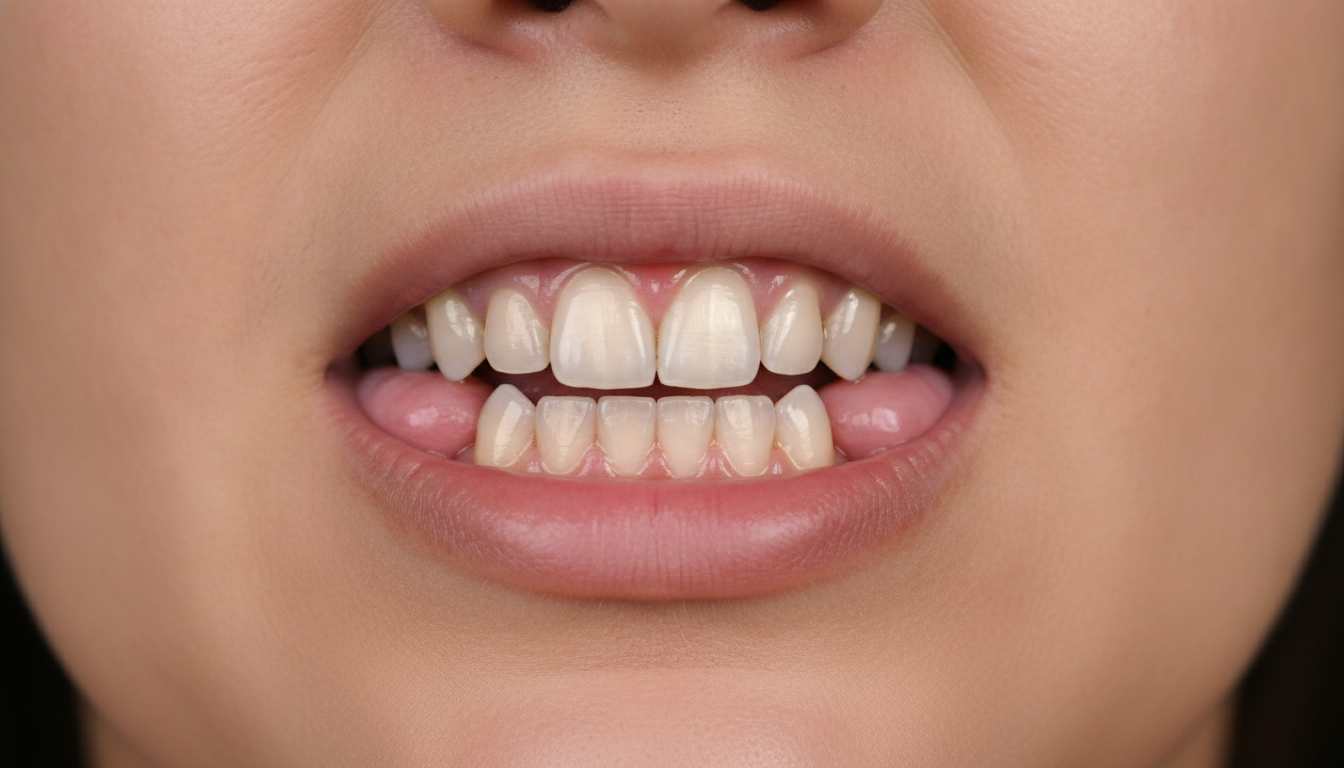
- Puffy, red, or tender gum tissue.
- Persistent halitosis (bad breath) that doesn’t disappear with mouthwash.
- Receding gums or teeth appearing slightly longer.
- Localized growths on the gums, known as “pregnancy tumors” or pyogenic granulomas (these are non-cancerous, red lumps that typically form between teeth and disappear after birth).
- Hypersensitivity to hot, cold, or sweet foods and beverages.
Potential Complications: Why Oral Health Matters in Pregnancy
Many women view mild gum bleeding as a minor inconvenience, but leaving gum inflammation in pregnancy unmanaged can lead to significant health consequences for both mother and child.
Progression to Periodontitis
When pregnancy gingivitis goes untreated, the localized infection can travel deeper into the supporting structures of the teeth, developing into periodontitis. Periodontitis is a severe, irreversible form of gum disease that damages the ligaments and bones holding your teeth in place, potentially leading to tooth loss.
Risk of Preterm Birth and Low Birth Weight
Extensive medical research has established a strong link between severe maternal periodontal disease and systemic health risks. Systemic inflammation caused by oral bacteria can enter the bloodstream, triggering the body to produce inflammatory compounds like prostaglandins and cytokines.
High levels of these chemicals can signal the uterus to contract prematurely, increasing the risk of preterm labor and low birth weight babies. Maintaining stellar dental care during pregnancy is therefore a critical component of prenatal health.
Safe and Effective Strategies for Relief and Prevention
Fortunately, managing and reversing swollen gums during pregnancy is entirely achievable with the right combination of daily habits, natural interventions, and targeted support.
1. Master Your Daily Oral Hygiene Routine
Consistent daily care remains your first line of defense against plaque buildup and inflammatory bacteria.
- Switch to a Soft-Bristled Toothbrush: Hard bristles can abrade delicate, hyper-vascularized tissue. Use a toothbrush with ultra-soft bristles and apply gentle, circular motions along the gumline at a 45-degree angle.
- Don’t Stop Flossing: Many expectant mothers stop flossing because it causes temporary bleeding. However, skipping floss allows plaque to accumulate between teeth, aggravating the inflammation. Floss at least once daily using gentle, curved motions.
- Use an Alcohol-Free Mouthwash: Standard mouthwashes containing alcohol can dry out oral tissues, worsening irritation. Opt for an antibacterial, alcohol-free rinse or a natural salt-water solution.
2. Soothe Gums with Natural Home Remedies
Natural therapies offer safe, soothing relief from daily discomfort:
- Warm Salt-Water Rinses: Salt is a natural disinfectant and anti-inflammatory agent. Dissolve half a teaspoon of salt in a glass of warm water and swish it gently around your mouth for 30 seconds before spitting it out. Repeat 2 to 3 times daily.
- Cold Compresses: If your gums feel excessively hot and painful, applying a clean, cool compress or ice pack wrapped in a cloth to the outside of your cheek can reduce localized swelling.
- Targeted Oral Health Formulations: Supporting your oral microbiome from the inside out is one of the most effective ways to maintain healthy tissues during pregnancy. Using a high-quality, specialized oral formula like this advanced dental health supplement can help restore balance to your oral bacterial environment, reducing redness, supporting tissue integrity, and comforting sensitive gums naturally.
3. Nourish Your Body for Dental Health
Your diet plays a pivotal role in maintaining strong teeth and resilient gum tissue during pregnancy.
- Boost Vitamin C Intake: Vitamin C is essential for collagen production and tissue repair. It strengthens blood vessels and helps repair fragile gum tissue. Incorporate oranges, strawberries, bell peppers, and kiwi into your meals.
- Ensure Adequate Vitamin D and Calcium: Calcium protects the underlying jawbone, while Vitamin D helps your body absorb calcium efficiently. Dairy products, fortified plant milks, and leafy greens are excellent choices.
- Limit Refined Sugars and Simple Carbohydrates: Carbohydrates feed the pathogenic bacteria responsible for plaque formation. Swap sugary snacks for whole foods, raw vegetables, and nuts.
- Stay Well-Hydrated: Drinking plenty of water stimulates saliva production. Saliva serves as your mouth’s natural washing mechanism, clearing away food particles and neutralizing harmful bacterial acids.
4. Address Morning Sickness Proactively
If you suffer from hyperemesis gravidarum or daily morning sickness, protect your tooth enamel and gums from stomach acid with these steps:
- Never Brush Immediately After Vomiting: Stomach acid softens tooth enamel. Brushing right away can strip this softened layer.
- Rinse First: Immediately after vomiting, rinse your mouth with a solution of warm water mixed with one teaspoon of baking soda. Baking soda neutralizes the acid safely. Wait at least 30 minutes before brushing your teeth.
The Role of Targeted Supplements for Oral Health
While brushing and flossing clean the surface of your teeth, they cannot always rebalance the delicate microbiome inside your mouth—especially when shifting hormones continuously encourage bacterial growth.
To maintain healthy, firm gums and fresh breath throughout every trimester, consider supplementing your daily routine with proven, specialized nutritional support. Incorporating a natural gum and dental care solution provides key micronutrients specifically designed to nourish delicate oral membranes, fight plaque buildup, and support overall gum care for pregnant women.
Visiting Your Dentist: What You Need to Know
A common misconception among pregnant women is that dental visits should be avoided until after delivery. In reality, routine dental care during pregnancy is not only safe, but strongly recommended by the American Dental Association (ADA) and the American College of Obstetricians and Gynecologists (ACOG).
When to Schedule
The second trimester (weeks 14 through 27) is generally considered the optimal time for routine dental procedures and professional cleanings. By this point, early morning sickness has usually subsided, and lying on your back in a dental chair is still comfortable.
What to Inform Your Dentist
When visiting your dental clinician, always mention:
- That you are pregnant and your estimated due date.
- Any medications or prenatal vitamins you are taking.
- If you are experiencing high-risk pregnancy symptoms or have been placed on bed rest.
Professional dental cleanings are essential because a hygienist can safely remove hardened tartar (calculus) that cannot be eliminated through household brushing alone.
Postpartum Recovery: What Happens to Your Gums After Birth?
For most women, gum inflammation in pregnancy begins to diminish rapidly once the baby is born and hormone levels settle back to baseline. However, postpartum recovery takes time, and maintaining strong oral hygiene habits remains crucial, especially if you are breastfeeding or experiencing sleep deprivation, which can weaken immune defenses.
Continuing a comprehensive oral wellness routine, eating a nutrient-dense diet, and utilizing targeted solutions like this expert-recommended oral health formula will ensure your teeth and gums recover quickly, giving you a strong, healthy smile to share with your new baby.
Summary Checklist for Healthy Gums During Pregnancy
To summarize, here is your quick daily action plan for managing bleeding gums while brushing and keeping pregnancy gingivitis at bay:
| Goal | Daily Action |
|---|---|
| Plaque Control | Brush twice daily with a soft-bristled toothbrush and floss gently every night. |
| Tissue Support | Use an alcohol-free antibacterial mouthwash or warm salt-water rinse. |
| Nutritional Defense | Eat foods rich in Vitamin C, Vitamin D, and Calcium; limit refined sugars. |
| Targeted Relief | Support your oral microbiome with a specialized dental health supplement. |
| Acid Management | Rinse with baking soda and water after morning sickness; wait 30 minutes before brushing. |
| Professional Care | Schedule a routine dental checkup and cleaning during your second trimester. |
Final Thoughts
While gum inflammation in pregnancy is an unwelcome side effect of expectant motherhood, it is entirely manageable with early awareness, consistent daily hygiene, and proper care. By understanding the underlying hormonal shifts and providing your body with the nutrients and habits it needs, you can protect your oral health and focus on what truly matters: preparing for the arrival of your little one.
Take charge of your oral wellness today—your smile, and your baby, deserve the best possible care!