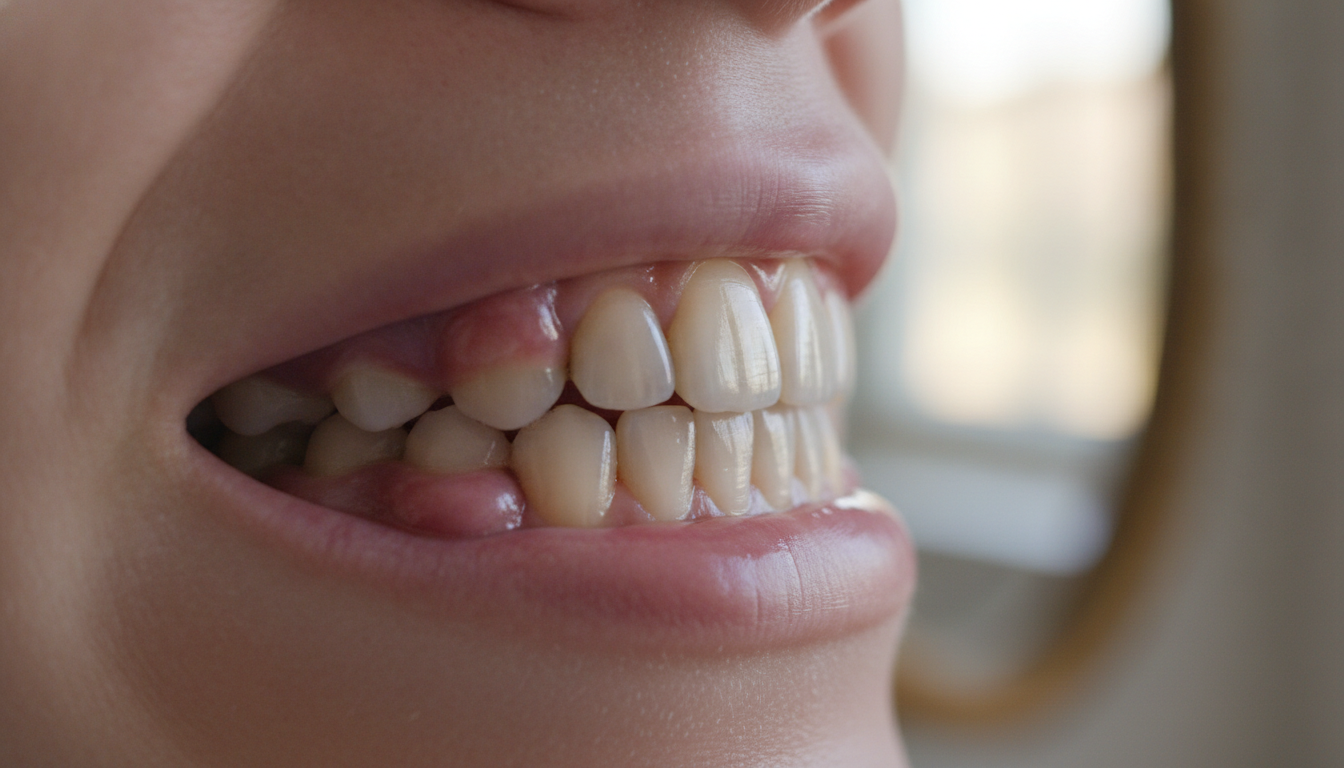
Pregnancy is a transformative journey filled with excitement, physical changes, and endless preparations for your newborn. While most expecting mothers anticipate morning sickness, fatigue, and lower back pain, many are caught completely off guard by unexpected oral health issues. If you have recently noticed that your gums are tender, bright red, or prone to bleeding when you brush, you are far from alone.
Gum swelling during pregnancy is an extremely common symptom affecting up to 75% of pregnant women. Often referred to clinically as pregnancy gingivitis, this condition can cause significant discomfort, make eating difficult, and create unnecessary stress during a time when you should be focusing on your well-being.
Understanding why your gums swell during this critical period, how to manage the discomfort safely, and what steps you can take to prevent long-term damage is essential for both your health and the health of your growing baby. This comprehensive guide explores the root causes of swollen gums pregnant women experience, safe fast-relief solutions, and expert advice for maintaining optimal oral health in pregnancy.
1. What is Pregnancy Gingivitis?
Pregnancy gingivitis is an inflammation of the gum tissues that occurs specifically during pregnancy. It typically begins to manifest around the second or third month of gestation, peaking during the second trimester, and often subsiding after childbirth once hormone levels normalize.
While regular gingivitis is primarily caused by poor oral hygiene leading to bacterial buildup, bleeding gums during pregnancy can occur even in women who maintain a meticulous dental hygiene routine. The inflammation makes the delicate tissues surrounding your teeth hyper-sensitive to ordinary amounts of dental plaque.
Key Symptoms to Watch For:
- Swollen gums that appear puffy, soft, or enlarged.
- Gums that bleed easily during brushing, flossing, or eating firm foods like apples.
- Vibrant red or purplish gum tissue instead of a healthy pale pink.
- Tenderness, irritation, or localized throbbing pain in the mouth.
- Persistent bad breath (halitosis) or an unpleasant taste that doesn’t disappear after rinsing.
- Receding gum lines or localized “pregnancy tumors” (non-cancerous, temporary growths on the gums between teeth).
2. The Primary Causes of Swollen Gums During Pregnancy
To effectively combat gum swelling in pregnancy, it is important to understand the complex biological shifts happening inside your body. The human body undergoes unprecedented changes during gestation, several of which directly impact the oral cavity.
              ┌─────────────────────────────────────────┐

              │      Hormonal Spikes (Progesterone)     │

              └────────────────────┬────────────────────┘

                                   │

                                   ▼

              ┌─────────────────────────────────────────┐

              │    Increased Vascular Permeability      │

              │      & Blood Flow to Oral Tissues       │

              └────────────────────┬────────────────────┘

                                   │

                                   ▼

              ┌─────────────────────────────────────────┐

              │   Hyper-Sensitivity to Normal Plaque   │

              └────────────────────┬────────────────────┘

                                   │

                                   ▼

              ┌─────────────────────────────────────────┐

              │   Gum Swelling, Redness, & Bleeding     │

              └─────────────────────────────────────────┘
A. Hormonal Surge (Progesterone & Estrogen)
The leading factor behind causes of swollen gums during pregnancy is the drastic rise in circulating hormones, particularly progesterone.
Progesterone increases blood flow throughout the entire body, including the mucosal membranes of your mouth. It also relaxes blood vessels and alters how the immune system responds to normal levels of bacteria. As a result, your gum tissue becomes far more susceptible to irritation. Even a tiny amount of plaque that previously caused no issues can now trigger severe swelling and bleeding.
B. Increased Blood Volume
By the time you reach your second trimester, your body’s blood volume increases by roughly 30% to 50% to support your developing baby. This heightened volume exerts extra pressure on micro-capillaries, including those located in the gums. The excess fluid retention naturally causes tissues to swell and bleed more easily upon contact.
C. Shift in Oral Microbiome
Hormonal variations change the biochemical environment of your mouth. Higher estrogen and progesterone levels alter the fluid composition in the tiny spaces between your teeth and gums (gingival crevicular fluid). This creates an ideal breeding ground for specific strains of anaerobic bacteria, such as Prevotella intermedia, which thrive on elevated hormone levels and accelerate gum inflammation.
D. Morning Sickness and Acid Reflux
Frequent vomiting associated with morning sickness introduces strong gastric acids into the mouth. Stomach acid erodes tooth enamel and irritates delicate mucosal linings, worsening inflammation and increasing the risk of bacterial infection around the gumline.
E. Dietary Changes and Carbohydrate Cravings
Pregnancy cravings often lean toward carbohydrate-rich, sugary, or acidic foods. Starches and sugars feed the harmful bacteria in your mouth, accelerating plaque formation. Combined with late-night snacking, plaque accumulates faster than usual, exacerbating swollen gums pregnant mothers suffer from.
F. Gag Reflex and Altered Dental Care
Many expecting mothers develop a heightened gag reflex, particularly in the first trimester. This makes brushing rear molars or flossing extremely uncomfortable or nauseating. Consequently, subtle changes in daily hygiene habits allow plaque to build up undetected in hard-to-reach areas.
3. Potential Health Risks: Why You Shouldn’t Ignore Swollen Gums
It can be tempting to dismiss bleeding or tender gums as just another temporary inconvenience of pregnancy. However, ignoring chronic oral inflammation can lead to significant dental and systemic health complications.
From Gingivitis to Periodontitis
If pregnancy gingivitis is left untreated, it can progress into periodontal disease, a chronic bacterial infection that damages the soft tissue and destroys the bone supporting your teeth. Unlike gingivitis, periodontitis causes irreversible damage, leading to loose teeth or even tooth loss.
Links to Pregnancy Complications
Emerging medical research demonstrates a clear link between advanced gum disease and adverse pregnancy outcomes. Pathogenic bacteria from infected gums can enter the bloodstream and travel directly to the uterus. This can trigger an inflammatory response that may contribute to:
- Premature delivery (birth before 37 weeks).
- Low birth weight babies.
- Preeclampsia (a high blood pressure disorder that poses severe risks to mother and baby).
Because maintaining optimal oral hygiene is so crucial during this sensitive time, incorporating safe, targeted daily support into your routine can make a world of difference. To protect your mouth from aggressive bacterial growth and strengthen sensitive gum tissue, consider incorporating an advanced, natural solution like this specialized oral health supplement into your daily routine. Taking proactive control of your oral microflora helps ensure both your comfort and your baby’s safe development.
4. Fast & Safe Home Remedies for Immediate Relief
When dealing with sensitive, swollen gums, you need safe, fast-acting strategies that do not involve harsh chemicals or invasive procedures. Here are effective natural remedies for swollen gums that you can try at home today.
┌────────────────────────────────────────────────────────────────────────┐
│ FAST RELIEF HOME REMEDY MATRIX │
├───────────────────┬────────────────────────────────────────────────────┤
│ Salt Water Rinse │ Reduces tissue edema & neutralizes bacteria │
├───────────────────┼────────────────────────────────────────────────────┤
│ Cold Compress │ Numbs sharp pain & contracts blood vessels │
├───────────────────┼────────────────────────────────────────────────────┤
│ Warm Oil Pulling │ Draws out toxins & soothes inflamed mucosal linings│
├───────────────────┼────────────────────────────────────────────────────┤
│ Soft-Brush Method │ Removes plaque without tearing delicate tissue │
└───────────────────┴────────────────────────────────────────────────────┘
1. Warm Salt Water Rinses
Salt water is a natural disinfectant and an osmotic agent that draws excess fluid out of swollen tissues, reducing inflammation rapidly.
- How to do it: Dissolve 1/2 teaspoon of pure sea salt or table salt in a glass of warm water. Swish gently around your mouth for 30 seconds, then spit it out. Repeat 2 to 3 times daily, especially after meals.
2. Cold Compresses
If your gum pain is acute or localized to a specific quadrant of your mouth, external cold therapy offers immediate relief for pregnancy gum pain.
- How to do it: Wrap an ice pack or a bag of frozen vegetables in a clean cloth. Hold it against the outside of your cheek over the affected area for 10 to 15 minutes. The cold temperature constricts blood vessels, temporarily dulling pain and lowering fluid accumulation.
3. Coconut Oil Pulling
Oil pulling with organic cold-pressed coconut oil is an ancient practice proven to reduce oral bacteria levels. Coconut oil contains high concentrations of lauric acid, known for its powerful antimicrobial and anti-inflammatory properties.
- How to do it: Take 1 tablespoon of coconut oil and swish it gently through your teeth for 10 to 15 minutes daily (ideally in the morning before eating). Spit the oil into a trash can (not the sink, as it can clog pipes) and rinse thoroughly with warm water.
4. Chamomile or Green Tea Soaks
Both chamomile and green tea contain natural anti-inflammatory compounds (flavonoids and catechins) that soothe irritated oral membranes.
- How to do it: Steep a tea bag in hot water for 3 minutes, remove it, and allow it to cool until it is comfortably warm. Place the damp tea bag directly against the swollen area of your gums for 5 minutes.
5. Utilize Targeted Micro-Nutrient Oral Care
Home remedies provide surface-level, immediate relief, but long-term prevention requires nutritional and bacterial support from within. Relying solely on mechanical brushing often falls short when hormones are driving intense tissue inflammation. Supporting your oral microbiome with a high-quality, targeted solution like this proven natural dental health formula can help soothe deep tissue irritation, neutralize harmful oral bacteria, and keep your gums resilient throughout every trimester.
5. Daily Prevention Strategies: Long-Term Oral Hygiene for Pregnancy
Managing gum swelling during pregnancy requires consistency. Adopting safe habits catered to your body’s changing needs will keep plaque at bay and lower your risk of long-term complications.
┌───────────────────────────────────────────────────────────────────────┐
│ DAILY PREVENTIVE ROUTINE FOR EXPECTING MOTHERS │
├───────────────────────────────────────────────────────────────────────┤
│ 1. Brush twice daily with an ultra-soft bristled toothbrush. │
│ 2. Clean between teeth daily using soft floss or a water flosser. │
│ 3. Neutralize mouth acid immediately after morning sickness episodes. │
│ 4. Stay hydrated to encourage continuous protective saliva flow. │
│ 5. Maintain adequate intake of Vitamin C, Calcium, and Vitamin D. │
└───────────────────────────────────────────────────────────────────────┘
Upgrade Your Toothbrush Technique
- Switch to Ultra-Soft Bristles: Hard or medium bristles can cause micro-tears in fragile, swollen gum tissue, leading to further bleeding and infection.
- Adopt the 45-Degree Angle: Angle your toothbrush bristles at 45 degrees toward the gum line. Use light, circular motions rather than harsh, back-and-forth scrubbing.
- Consider an Electric Toothbrush: Modern electric toothbrushes equipped with pressure sensors help ensure you remove plaque efficiently without applying damaging force.
Don’t Skip Flossing
Flossing is responsible for removing up to 40% of the plaque hiding between your teeth where brush bristles cannot reach. If traditional string floss hurts your tender gums:
- Try woven dental tape, which is wider and gentler on swollen tissue.
- Use an electronic water flosser set to a low, gentle pressure mode to clean out food particles without physical friction.
Managing Mouth Acid after Morning Sickness
If you suffer from morning sickness, your immediate instinct might be to brush your teeth right after vomiting. Do not do this.
Brushing right after acid exposure scrubs harsh gastric acids directly into eroded tooth enamel. Instead:
- Rinse your mouth immediately with a mixture of warm water and 1/2 teaspoon of baking soda to neutralize the acid.
- Wait at least 30 minutes before gently brushing your teeth.
Hydration and Saliva Production
Saliva is your mouth’s natural defense mechanism; it neutralizes acids, washes away food debris, and supplies minerals to enamel. Hormonal shifts can cause dry mouth (xerostomia), which dramatically increases bacterial growth. Sip water throughout the day to stay thoroughly hydrated and keep saliva flowing freely.
Focus on Micronutrients
Your baby requires significant amounts of calcium and nutrients to develop bones and tissue. If your diet lacks these building blocks, your body draws from its own reserves.
- Vitamin C: Strengthens connective tissue and repairs blood vessels in the gums. (Sources: Bell peppers, strawberries, broccoli, citrus fruits).
- Calcium & Vitamin D: Crucial for maintaining the jawbone structure supporting your teeth. (Sources: Leafy greens, fortified dairy, eggs).
6. When to Visit a Dentist
Many women mistakenly avoid dental appointments during pregnancy out of fear that treatments might harm the baby. In reality, modern preventive dental care is safe, recommended, and essential during pregnancy.
The ideal time for routine dental checkups and cleanings is during the second trimester (weeks 14 through 28). By this stage, morning sickness has usually subsided, and lying back in the dental chair is still comfortable.
Red-Flag Symptoms That Require Immediate Care:
Consult a dentist immediately if you experience any of the following:
- Severe, persistent pain that interferes with sleep or eating.
- Gums that bleed spontaneously or excessively without mechanical irritation.
- Pus or discharge oozing from the gumline.
- Loose or shifting teeth.
- Extremely painful, localized lumps or sores on the gums.
- Fever accompanied by oral pain.
Always inform your dental team that you are pregnant, how far along you are, and if you are taking any pre-natal medications or supplements.
Conclusion: Take Charge of Your Oral Health Today
Experiencing gum swelling in pregnancy can be alarming and uncomfortable, but it does not have to ruin your pregnancy journey. By understanding how hormonal shifts trigger pregnancy gingivitis, adopting gentle daily oral hygiene habits, and relying on proven remedies, you can keep your gums comfortable and healthy.
Maintaining high-standard dental hygiene while pregnant is a crucial gift you give to both yourself and your developing child. Alongside proper brushing, flossing, and regular dental checkups, supporting your body with a powerful natural regimen makes all the difference.
If you want an effective, hassle-free way to keep your gums strong, protect against deep-seated plaque, and maintain fresh breath throughout your pregnancy, explore this top-rated gingivitis and oral health formula. Taking care of your smile today ensures you can share it comfortably with your newborn tomorrow!









