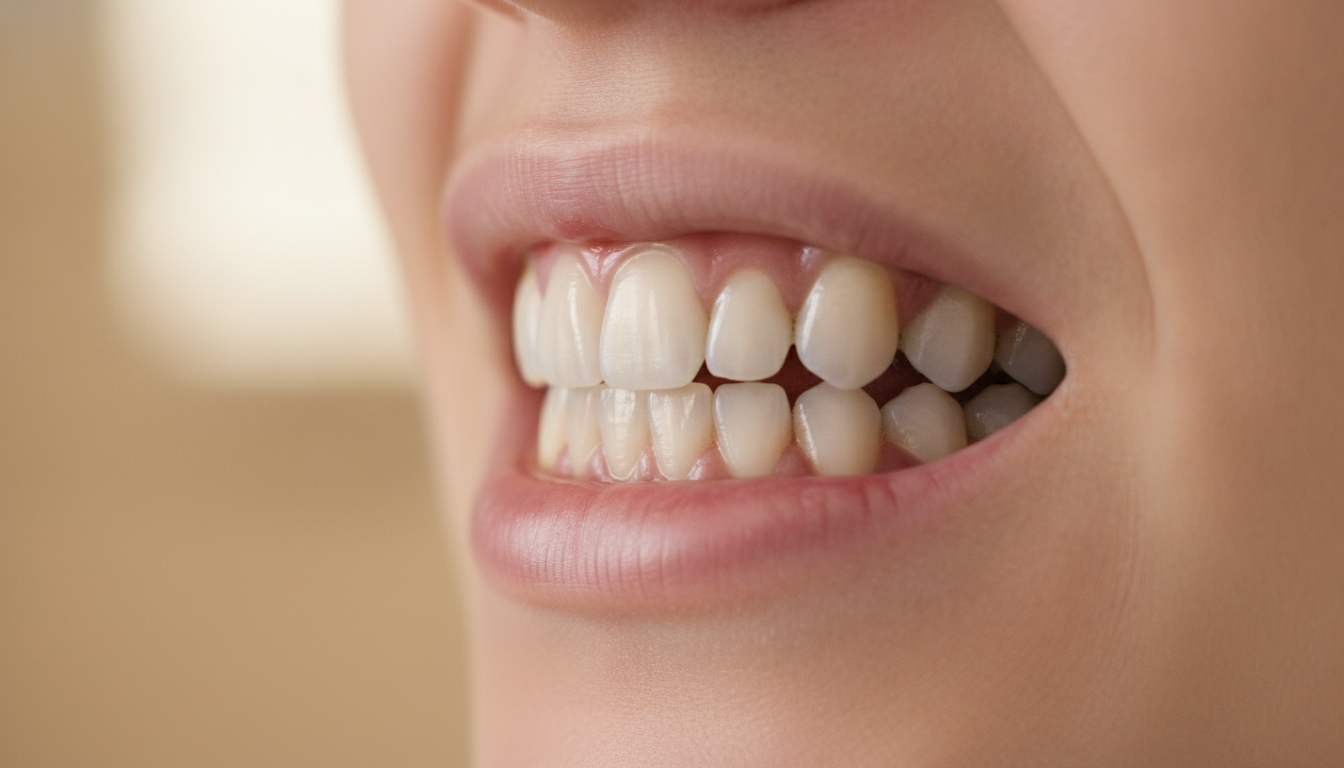
Pregnancy is a transformative journey filled with biological shifts, joyful anticipation, and a fair share of physical surprises. While most expecting mothers prepare themselves for morning sickness, swollen feet, and mood fluctuations, many are caught off guard by a lesser-known secondary symptom: inflamed gums in pregnancy.
If you have noticed that your gums bleed when you brush, look unusually red, or feel tender to the touch, you are far from alone. Up to 75% of pregnant women experience some form of oral health change during their pregnancy. Known clinically as pregnancy gingivitis, this condition requires careful attention to protect both maternal health and the development of the growing baby.
In this comprehensive guide, we will break down the precise causes of swollen gums during pregnancy, explore the underlying biological mechanisms, highlight potential risks, and outline safe, effective strategies to achieve healthy, pain-free gums naturally.
What Is Pregnancy Gingivitis?
Pregnancy gingivitis is an inflammatory condition affecting the oral tissues, specifically the gingiva (gums), during gestation. It typically manifests during the first trimester, peaks around the second trimester, and often subsides after childbirth as hormone levels begin to normalize.
When a woman becomes pregnant, her body undergoes dramatic hormonal surges designed to support the developing fetus. However, these same hormones affect how the body responds to everyday stimuli—including the micro-organisms and plaque buildup in the mouth.
Unlike standard gingivitis, which is predominantly caused by poor oral hygiene, inflamed gums in pregnancy can occur even in women who maintain a meticulous dental routine. The hyper-reactive state of the immune system turns a minor presence of plaque into a significant inflammatory response.
Root Causes of Inflamed Gums During Pregnancy
To effectively manage and prevent gum inflammation, it is important to understand why your mouth becomes so sensitive during this time. Several factors contribute to the development of bleeding gums during pregnancy.
+———————————————————————–+
| PRIMARY CAUSES OF PREGNANCY GINGIVITIS |
+———————————————————————–+
| 1. Hormonal Surges (Progesterone & Estrogen) |
| –> Dilates blood vessels in gums |
| –> Increases sensitivity to plaque bacteria |
| |
| 2. Increased Blood Volume |
| –> High circulatory pressure in delicate capillary beds |
| |
| 3. Altered Immune Response |
| –> Modifies how the body fights off oral bacteria |
| |
| 4. Morning Sickness & Stomach Acid |
| –> Weakens enamel and irritates delicate tissue |
| |
| 5. Dietary Shifts |
| –> Increased carb/sugar intake feeds harmful oral flora |
+———————————————————————–+
1. Fluctuating Progesterone and Estrogen Levels
During pregnancy, your body produces significantly higher amounts of progesterone levels and estrogen. High levels of progesterone increase blood flow to mucous membranes and tissues throughout the body, including the mouth.
This increased vascularity makes the gum tissue softer, more fragile, and much more prone to swelling and bleeding. Furthermore, elevated hormone levels alter the environment inside the mouth, making it easier for certain disease-causing bacteria to thrive.
2. Increased Blood Volume
By the second trimester, a pregnant woman’s total blood volume increases by 30% to 50% to support the placenta and growing fetus. This increased circulation places higher pressure on the tiny capillaries located inside the delicate gum tissues. As a result, even gentle actions like flossing or chewing crisp foods can cause the capillaries to burst, leading to bleeding gums.
3. Changes in Immune System Response
Pregnancy naturally alters the immune system so that the mother’s body does not reject the developing fetus. While this adaptation is vital, it changes how white blood cells react to everyday pathogens. When bacterial plaque buildup occurs along the gum line, your immune system’s inflammatory reaction is far more intense than it would be under normal conditions.
4. Morning Sickness and Acid Reflux
Gastric acid from frequent morning sickness or pregnancy-induced acid reflux can wash over the teeth and gums. Stomach acid erodes tooth enamel and chemically irritates sensitive mucosal membranes. This erosion leaves the mouth more vulnerable to bacterial invasion and accelerates gum inflammation.
5. Shifts in Diet and Cravings
Pregnancy cravings often lean toward carbohydrate-dense or sweet foods. Frequent snacking, combined with fatigue that might lead to occasionally skipping nighttime brushing, provides a constant fuel source for oral bacteria. These bacteria produce harmful byproducts that directly damage gum tissue.
Common Signs and Symptoms
Recognizing the signs of pregnancy gingivitis early allows for prompt action before the condition progresses into more serious oral complications.
- Bright red or purple gum tissue: Healthy gums should look firm and light pink. Deep red or dark pink gums indicate local inflammation.
- Swelling and tenderness: Gums may feel puffy, raised, or painful when touched or brushed.
- Bleeding during brushing or flossing: Finding pink in the sink after brushing is one of the most common early warnings.
- Persistent bad breath (Halitosis): Bacteria lingering in inflamed gum pockets produce sulfur compounds that cause unpleasant odors.
- Receding gum lines: Unchecked inflammation can cause the tissue to pull away from the base of the teeth.
- Pregnancy Tumors (Pyogenic Granulomas): Despite the alarming name, these are completely benign, non-cancerous growths that form on the gums, usually during the second trimester. They resemble small red berries, bleed easily, and typically disappear after delivery.
The Hidden Risks: Why Gum Health Matters in Pregnancy
Ignoring inflamed gums in pregnancy is not just a matter of dealing with temporary mouth discomfort; it can have broader implications for systemic health and your pregnancy outcome.
When left unmanaged, superficial gingivitis can advance to periodontal disease (periodontitis). Periodontitis is a chronic, destructive infection that destroys the soft tissue and bone supporting your teeth, potentially leading to tooth mobility or loss.
+———————————————————————–+
| THE SYSTEMIC INFLAMMATION PATHWAY |
+———————————————————————–+
| Untreated Oral Bacteria –> Enter Bloodstream via Inflamed Capillaries |
| Systemic Inflammation –> Triggers Proinflammatory Cytokines |
| Uterine Response –> May Stimulate Early Cervical Dilation |
| Potential Risk –> Preterm Birth / Low Birth Weight |
+———————————————————————–+
Research shows that severe periodontal disease during pregnancy is associated with:
- Preterm birth: Pathogenic oral bacteria can enter the bloodstream through bleeding gum capillaries, traveling to the placenta and uterus. This can trigger an systemic inflammatory reaction, stimulating early contractions.
- Low birth weight: Chronic internal inflammation diverts bodily resources, which may impact optimal fetal growth.
- Preeclampsia: Some clinical studies point to a correlation between severe periodontal infections and an increased risk of developing high blood pressure conditions during pregnancy.
Prioritizing proper dental health is a key step in protecting both your well-being and your baby’s safe development.
Safe, Natural, and Effective Relief Strategies
Fortunately, managing swollen gums during pregnancy is achievable with gentle remedies, disciplined daily care, and targeted nutritional support.
1. Optimize Your Daily Oral Hygiene Routine
- Use a soft-bristled toothbrush: Hard bristles act like sandpaper on swollen, sensitive tissue. Opt for extra-soft nylon bristles and brush twice daily using light, circular motions.
- Switch to a mild, SLS-free toothpaste: Sodium Lauryl Sulfate (SLS) is a foaming agent found in many commercial toothpastes that can irritate sensitive oral tissues. Choose natural, gentle formulas.
- Floss with care once a day: Do not stop flossing because your gums bleed. Ceasing flossing allows plaque to accumulate, compounding the inflammation. Use waxed dental floss or a water flosser, which gently cleans between teeth without harming the tissue.
2. Utilize Warm Salt Water Rinses
Salt is a natural disinfectant and anti-inflammatory agent. Swishing with warm salt water cleanses the area, reduces swelling, and soothes raw tissue without introducing harsh chemicals.
- How to make it: Mix 1/2 teaspoon of pure sea salt into 1 cup of warm water.
- How to use it: Swish gently around your mouth for 30 seconds after meals, then spit it out. Repeat up to three times daily.
3. Neutralize Acid After Morning Sickness
If you experience vomiting or acid reflux, do not brush your teeth immediately. Brushing right after exposure to stomach acid can scrape away softened enamel and irritate raw gums.
Instead, rinse your mouth with a solution of 1 cup of water mixed with 1 teaspoon of baking soda. Baking soda quickly neutralizes the acid, protects your teeth, and freshens your breath. Wait at least 30 minutes before brushing with toothpaste.
4. Support Your Gums from Within
Proper nutrition provides the essential building blocks your body needs to rebuild connective tissue and regulate inflammation.
- Vitamin C: Essential for collagen synthesis and strengthening fragile micro-capillaries. Enjoy foods like bell peppers, strawberries, oranges, and broccoli.
- Calcium and Vitamin D: Critical for keeping the jawbone strong and supporting tooth structure.
- CoQ10 and Probiotics: Probiotics help balance the microflora inside your mouth, keeping harmful, plaque-causing strains in check.
To streamline your daily care routine and combat deep-seated microbial imbalances naturally, consider incorporating specialized oral support tools. For an effective, non-invasive way to maintain fresh breath and healthy gums throughout your term, explore this comprehensive advanced dental health solution. It provides targeted, gentle support tailored for sensitive oral environments.
Dental Visits During Pregnancy: What You Need to Know
A common misconception among expecting mothers is that visiting the dentist during pregnancy is unsafe. In reality, regular dental care is both safe and recommended by the American College of Obstetricians and Gynecologists (ACOG) and the American Dental Association (ADA).
+———————————————————————–+
| DENTAL CARE BY TRIMESTER GUIDE |
+———————————————————————–+
| FIRST TRIMESTER | Emergency care only; establish basic home care. |
| SECOND TRIMESTER | IDEAL WINDOW for routine cleanings and checkups. |
| THIRD TRIMESTER | Short visits only; lie comfortably to avoid pressure.|
+———————————————————————–+
When to Schedule Your Appointment
The second trimester (weeks 14 through 28) is the ideal time for routine cleanings and preventative checkups. By this point, morning sickness has usually subsided, and lying back in the dental chair is comfortable.
Important Tips for Your Dental Visit:
- Inform your dentist immediately: Always let your dental team know how far along you are and mention any medications or prenatal vitamins you take.
- Routine cleanings are safe: Professional dental cleanings remove hardened tartar (calculus) that normal brushing cannot dislodge, significantly easing gum inflammation.
- X-rays can be delayed or safely administered: If an emergency dental X-ray is necessary, your dentist will use a lead apron and thyroid collar to protect your abdomen and baby completely.
- Local anesthetics are safe: If you require a essential procedure, anesthetics like lidocaine are safe to use during pregnancy when administered properly.
Along with professional visits, maintaining a high-quality home routine is your best defense against long-term complications. Using a proven daily regimen like this specially formulated oral health supplement can help preserve delicate tissue and keep plaque bacteria at bay between checkups.
When to Contact a Healthcare Professional
While mild bleeding gums are common during pregnancy, certain red-flag symptoms require immediate attention from a dentist or your OB-GYN:
- Severe, throbbing tooth or gum pain
- Extreme swelling in the gums, face, or neck
- Pus oozing from the gumline
- Loose teeth or sudden changes in your bite alignment
- Persistent fever accompanying mouth pain
Never hesitate to reach out to your healthcare provider if something feels wrong. Catching oral issues early prevents localized problems from escalating into systemic complications.
Postpartum Recovery: What Happens After Delivery?
The good news for new mothers is that pregnancy gingivitis is typically temporary. Following delivery, your body undergoes a swift hormonal readjustment as progesterone and estrogen drop back to baseline levels.
Within a few weeks to months postpartum, your gums will usually regain their firm structure, healthy light-pink color, and resilience against normal brushing.
Tips for Postpartum Oral Recovery:
- Maintain your routine: The early weeks with a newborn are tiring, but keeping up with morning and night brushing protects your oral health during hormone readjustments.
- Stay hydrated: Drinking plenty of water promotes steady saliva production, which cleanses your teeth and washes away lingering bacteria.
- Rebuild your oral microbiome: Continue nourishing your body with nutrient-dense foods and targeted oral hygiene products to support long-term tooth strength and tissue recovery.
If you are looking for a reliable, natural way to accelerate gum healing after baby arrives, adding a high-potency supplement can be a helpful step. Relying on an expert solution like this complete gum and dental recovery routine helps restore firm tissue and keeps your smile healthy well into parenthood.
Summary Checklist for Pregnancy Gum Care
To keep your routine manageable, use this straightforward daily and weekly checklist:
- [ ] Brush gently twice daily using a soft-bristled brush and fluoride or mineralizing toothpaste.
- [ ] Floss daily with gentle movements to clear plaque between teeth.
- [ ] Rinse with warm salt water if gums feel tender, swollen, or irritated.
- [ ] Rinse with baking soda water after morning sickness to protect tooth enamel.
- [ ] Eat foods rich in Vitamin C, Calcium, and antioxidants to support vascular integrity.
- [ ] Schedule a professional dental checkup during your second trimester.
- [ ] Stay hydrated to support natural saliva production throughout the day.
Conclusion
Experiencing inflamed gums in pregnancy can be uncomfortable and unsettling, but it is a manageable condition. By understanding the link between rising hormone levels, blood flow changes, and bacterial response, you can take active, safe steps to protect your smile.
Consistency is key. Gentle brushing, proper nutrition, prompt acid management, and routine dental visits will keep pregnancy gingivitis under control, ensuring your focus stays where it belongs—welcoming your healthy newborn into the world.