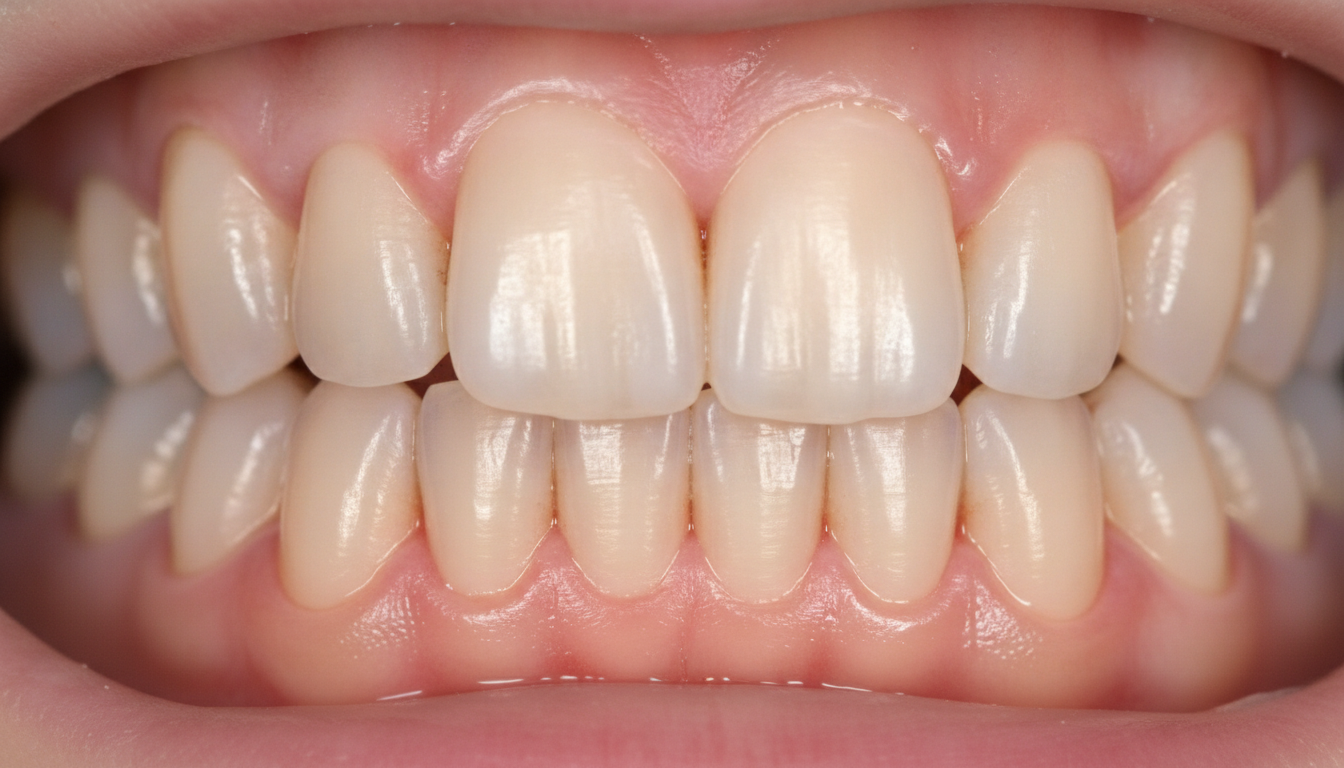
Every morning, millions of people stand in front of the bathroom mirror, spit out their toothpaste, and notice a faint brush of red in the sink. Most brush it off as nothing more than pressing too hard with a toothbrush. But that tiny splash of pink is often the very first warning siren sounded by your body.
Your mouth is a delicate, complex ecosystem. When that ecosystem shifts out of balance, the soft tissue surrounding your teeth is the first line of defense to suffer. Early stage gum disease, clinically known as gingivitis, affects nearly half of all adults over the age of 30. Yet, because it rarely causes severe pain in its initial phases, it is one of the most frequently ignored health conditions in the world.
Ignoring the warning signs of gum inflammation is a risky gamble. Left unchecked, a mild case of reversible inflammation can spiral into periodontitis, an irreversible condition that destroys the bone structure supporting your teeth, leading to tooth loss and severe systemic health issues.
Recognizing the subtle red flags your mouth sends you is the key to maintaining a lifelong, radiant smile. Here are the 7 early signs of gingivitis you should never ignore, along with actionable steps to reverse the damage naturally.
What Is Gingivitis and Why Does It Happen?
To understand the warning signs, you first need to understand the enemy. Gingivitis is an inflammatory condition of the gingiva—the segment of soft tissue that wraps around the base of your teeth.
The primary catalyst for this condition is dental plaque, a sticky, colorless biofilm composed of millions of bacteria. Every time you eat or drink, these bacteria feed on the sugars and carbohydrates left behind in your mouth, producing acidic toxins and harmful metabolic byproducts.
When plaque buildup is not thoroughly removed through consistent oral hygiene, it hardens within 24 to 72 hours into tartar (calculus). Unlike plaque, tartar cannot be removed with a standard toothbrush; it creates a rough surface that acts as a breeding ground for even more aggressive bacteria.
As your body’s immune system attempts to fight off this bacterial invasion, it sends white blood cells and increased blood flow to the area. This immune response causes the classic signs of inflammation: swelling, redness, and sensitivity.
1. Bleeding Gums During Brushing or Flossing
The most notorious and frequent indicator of gingivitis symptoms is pink in the sink. Healthy gums should be tough enough to withstand normal toothbrushing and daily flossing without shedding a single drop of blood.
When bacterial plaque accumulates at the gumline, it triggers localized inflammation. The blood vessels inside your tissue dilate and become fragile, micro-thin, and hyper-reactive. The light mechanical pressure of a soft toothbrush or string floss is enough to rupture these weakened capillaries.
Many people make the fatal mistake of stopping their flossing or brushing routine when they notice bleeding, believing they are causing physical injury to their mouth. In reality, the exact opposite is true. The bleeding occurs because the area is dirty and inflamed. Ceasing your cleaning routine allows the plaque bacteria to multiply unchecked, worsening the infection.
2. Persistent Bad Breath (Halitosis)
We all experience morning breath or the temporary scent of garlic after a rich meal. However, chronic halitosis that refuses to disappear even after brushing, flossing, or rinsing with mouthwash is a major red flag for oral bacteria overgrowth.
The bacteria responsible for gum disease are anaerobic, meaning they thrive in oxygen-deprived environments—specifically, deep within the tiny crevices between your teeth and under the gumline. As these anaerobic microbes feed on microscopic food debris and dead cells, they release volatile sulfur compounds (VSCs). These compounds emit a distinct, unpleasant odor reminiscent of rotten eggs or sulfur.
Because this odor originates deep within infected gum pockets, traditional mints and mouthwashes only mask the smell for a few minutes. To truly eliminate the odor, you must attack the underlying bacterial colony at its source.
While consistent brushing helps, stubborn bacteria often hide where bristles cannot reach. Incorporating a target-driven, natural dental supplement like this advanced oral health solution can help rebalance your oral microbiome, eradicating odor-causing bacteria from the inside out and promoting long-lasting fresh breath.
3. Swollen, Puffy, or Tender Gums
Take a close look at your gumline in a well-lit mirror. Healthy gums should lie flat against your teeth, forming a tight, neat seal around every single tooth. If your tissue looks raised, puffy, or rolled at the edges, you are dealing with gum inflammation.
When bacterial toxins penetrate below the surface, your body responds by rushing extra blood and inflammatory fluids to the infected tissue. This causes the tissue to expand and feel spongy or soft to the touch.
In the early stages, this swelling might not produce sharp pain, but you may notice a dull, heavy sensation in your jaw or general tenderness when chewing firmer foods like apples or crusty bread. Swollen tissue also creates deeper pockets between the tooth and the gum, allowing even more debris and bacteria to slide down out of reach, compounding the issue.
4. Uncharacteristic Red or Purplish Color
Healthy human gums, regardless of skin tone, generally exhibit a firm, coral-pink hue (or light pink with natural pigmentation). They should look uniform, clean, and vibrant.
One of the visual hallmarks of early stage gum disease is a distinct color change. As the immune response accelerates, dark, oxygen-depleted blood pools in the inflamed tissues. This transforms your bright pink tissue into:
- Bright red borders around individual teeth.
- Deep crimson patches along the main tissue body.
- Dark purplish or bluish hues in more advanced inflammatory states.
If you spot a dark red rim framing your teeth, your body is actively fighting off a localized bacterial attack. Ignoring this localized discoloration allows the inflammation to seep deeper into the underlying periodontal ligament.
5. Gum Recession (Teeth Appearing “Longer”)
Have you ever heard the old phrase “long in the tooth” used to describe getting older? Historically, people believed that teeth naturally grew longer as we age. In reality, teeth do not grow; the surrounding tissue shrinks and pulls back due to chronic receding gums.
When chronic plaque buildup irritates the tissue over an extended period, the body attempts to back away from the chronic irritant. The gumline slowly retreats toward the root of the tooth, exposing portions of the tooth structure that were meant to remain safely hidden below the surface.
This exposure can lead to several complications:
- Cosmetic changes: Your teeth look uneven or noticeably longer.
- Structural vulnerability: The root surface is covered in cementum, which is much softer than protective tooth enamel and far more susceptible to rapid decay.
- Pocket formation: As the tissue recedes, deep gaps form, becoming unreachable traps for food particles.
If you are beginning to notice your teeth looking longer or feeling small notches near your gumline, your tissue is actively breaking down. Rebuilding the structural integrity of your mouth requires a multi-pronged approach: flawless daily mechanics combined with powerful biological support. Using an internal nourishment formula like this specialized dental supplement can supply your body with the exact nutrients and beneficial probiotics necessary to support tight, healthy gum tissue and halt dangerous recession.
6. Increased Tooth Sensitivity to Hot and Cold
A sudden, sharp zinger of pain when sipping hot coffee or enjoying a spoonful of ice cream is a miserable experience. While sensitivity can stem from cracked teeth or thin enamel, it is frequently a direct byproduct of gingival recession caused by gingivitis.
The crown of your tooth is insulated by thick, hard enamel, which shields the sensitive inner nerves from temperature fluctuations. However, the root of the tooth contains thousands of microscopic channels called dentinal tubules that lead directly to the central nerve pulp.
When gum inflammation causes the tissue to pull away from the tooth, these tubules are exposed to the elements. Hot, cold, sweet, or acidic foods pass right through these open pathways, firing immediate pain signals directly to your brain.
If you find yourself favoring one side of your mouth to avoid temperature shocks, don’t just switch to a sensitive toothpaste—investigate whether underlying gum disease is stripping away your mouth’s natural insulation.
7. Soft, Spongy, or “Shiny” Texture
Healthy gum tissue features a distinct texture often compared to the peel of an orange—it is stippled, firm, and tightly bound to the underlying bone. It should feel resilient when pressed gently with a clean finger.
As bacterial plaque infiltrates the tissue, the structural collagen fibers inside the tissue begin to break down. The inflammatory fluid build-up destroys the natural stippling effect, turning the surface smooth, stretched, and glass-like or shiny.
If your tissue feels soft, marshy, or squishy rather than firm and elastic, the internal cellular matrix has been compromised by chronic infection. This loss of density is the final gateway before gingivitis transitions into full-blown, destructive periodontal disease.
Summary Table: Identifying the 7 Early Signs
| Sign | Key Symptom | Primary Cause | Immediate Action Needed |
|---|---|---|---|
| 1. Bleeding Gums | Pink water after brushing/flossing | Weakened, inflamed capillaries due to plaque | Do not stop flossing; clean gently and thoroughly |
| 2. Persistent Halitosis | Chronic bad taste or odor | Anaerobic bacteria releasing volatile sulfur compounds | Target deep-seated bacteria with targeted oral solutions |
| 3. Swollen/Puffy Tissue | Raised edges, dull aching pain | Immune system flooding tissue with inflammatory fluid | Improve flossing mechanics to clear trapped debris |
| 4. Color Changes | Bright red, dark crimson, or purple hues | Blood pooling in infected areas | Switch to soft-bristle brushes; clear the gumline |
| 5. Receding Gumline | Teeth look longer; notches at base | Tissue backing away from chronic bacterial toxins | Halt aggressive brushing; rebuild internal nutrition |
| 6. High Sensitivity | Pain from hot, cold, or sweet items | Exposed root dentin due to tissue detachment | Protect exposed roots and address the underlying recession |
| 7. Shiny/Spongy Texture | Loss of stippled surface; marshy feel | Breakdown of collagen fibers from chronic infection | Rebalance oral microbiome and repair tissue health |
The Hidden Danger: Systemic Health Connections
It is a common mistake to view the mouth as an isolated system separated from the rest of the body. In reality, your mouth is the primary entryway to your digestive and respiratory tracts, and your gums are densely packed with micro-blood vessels.
When your gums are chronically inflamed and bleeding, the protective barrier is broken. This allows dangerous oral bacteria to enter your bloodstream directly, traveling throughout your entire body.
Medical research has conclusively linked untreated gum disease to a wide array of serious systemic conditions:
- Cardiovascular Disease: Bacteria entering the blood pathways can contribute to the formation of arterial plaque, increasing the risk of heart attacks and strokes.
- Diabetes Complications: Gum inflammation makes it significantly harder for the body to regulate blood sugar levels, creating a dangerous cycle for diabetic patients.
- Respiratory Infections: Inhaling high concentrations of oral bacteria from infected gums can cause respiratory conditions like pneumonia or bronchitis.
- Systemic Inflammation: Chronic low-grade oral infections burden your entire immune system, leaving you fatigued and vulnerable to other illnesses.
Treating gingivitis isn’t just about saving your teeth—it is an essential investment in your total body health and longevity.
How to Reverse Gingivitis: A Step-by-Step Action Plan
The silver lining of catching gingivitis symptoms early is that, unlike advanced periodontitis, early-stage gum disease is 100% reversible. Because the underlying bone structure has not yet been permanently destroyed, you can restore your tissue to pristine health with the right strategy.
Step 1: Master the Mechanics
- Brush Twice Daily: Use a soft-bristled toothbrush held at a 45-degree angle toward the gumline. Move in small, circular motions rather than sawing back and forth.
- Floss Consistently: Thread floss gently between every tooth, curving it into a “C” shape against the side of each tooth to slide below the gumline.
- Clean Your Tongue: Use a tongue scraper daily to remove the massive bacterial coating that accumulates on the back of your tongue.
Step 2: Upgrade Your Diet
- Cut Refined Sugars: Sugar is the fast fuel that feeds destructive dental plaque.
- Increase Vitamin C and Zinc: These nutrients are vital for collagen synthesis and tissue repair.
- Drink Plenty of Water: Hydration stimulates saliva production, which acts as your mouth’s natural defense mechanism to wash away food particles and neutralize acids.
Step 3: Rebalance Your Oral Microbiome From Within
While perfect brushing and flossing clean the surface of your teeth, they cannot alter the internal biological environment of your mouth. If your saliva is overly acidic or lacks key protective nutrients, destructive bacteria will return within hours of brushing.
To achieve lasting protection and promote rapid healing of tender, bleeding tissue, you must nourish your body with specialized compounds that support healthy microflora, reduce systemic inflammation, and fortify enamel strength.
Integrating a natural, potent daily formula like this natural oral supplement provides your body with the exact trace minerals, antioxidants, and probiotic strains needed to eliminate harmful bacteria, rebuild firm tissue, and lock in long-term oral wellness.
Final Thoughts: Don’t Wait for the Pain
Your teeth were designed to last a lifetime. Pain is a late-stage warning signal in dental health—by the time a tooth or gum infection causes excruciating pain, significant, irreversible damage has often already occurred.
Pay attention to the quiet signals your mouth gives you today. If you have noticed bleeding gums, persistent bad breath, swelling, or changes in your tissue texture, take action immediately. By combining meticulous daily habits with high-grade, internal nutritional support, you can halt gingivitis in its tracks, reclaim your oral health, and smile with absolute confidence for years to come.









