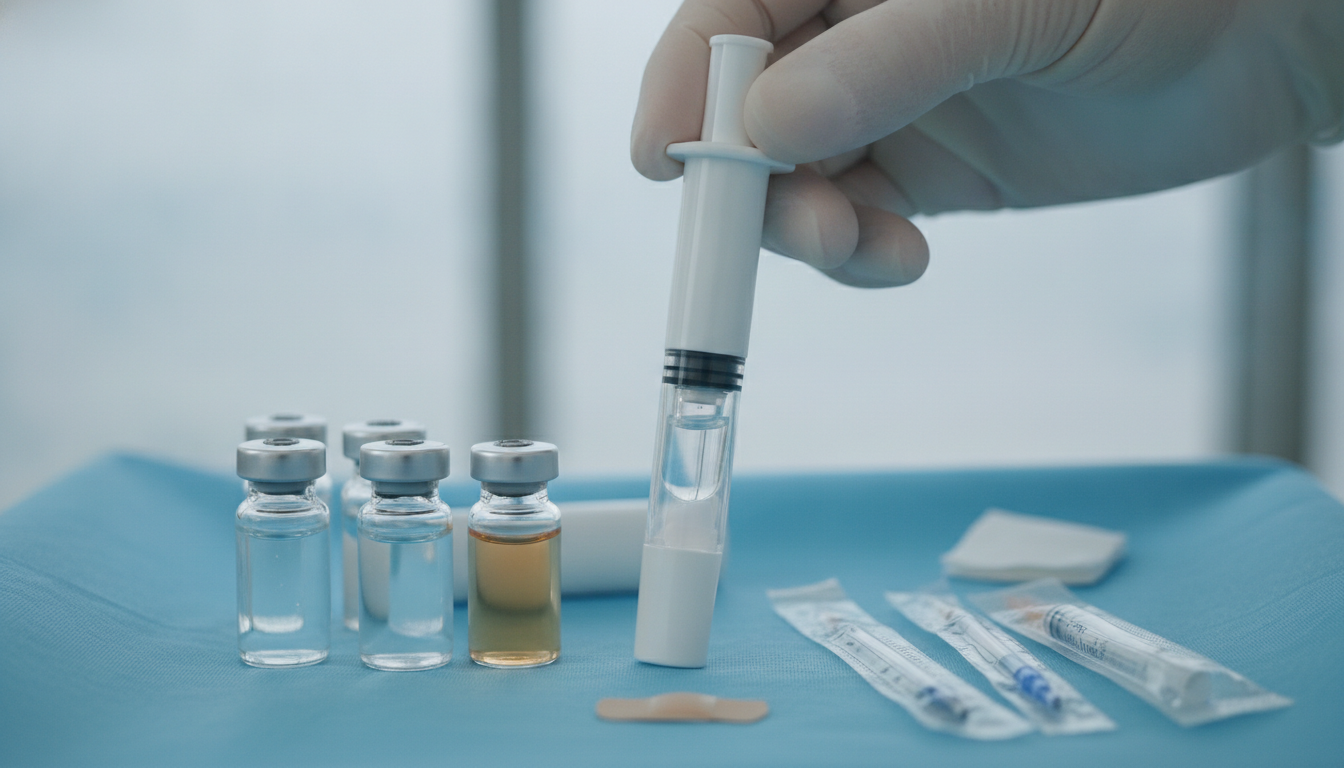
In recent years, the landscape of medical weight loss has undergone a monumental shift. What used to rely strictly on restrictive diets, intense cardio regimes, or invasive bariatric surgery has now expanded to include a groundbreaking class of pharmaceutical options: weight loss injections.
From viral social media trends to cover stories in global health magazines, these injectable medications have dominated conversations around fat loss, metabolic health, and chronic obesity management. But with so much noise surrounding these treatments, beginners are often left with crucial questions: How do weight loss injections actually work? Are they safe? What are the potential side effects? And most importantly, are they the right choice for your personal weight loss journey?
This ultimate beginner’s guide breaks down everything you need to know about modern injectable weight loss drugs, exploring the science, the options, the benefits, the drawbacks, and how to achieve sustainable weight loss whether you choose medication or alternative pathways.
What Are Weight Loss Injections and How Do They Work?
To understand weight loss injections, you first need to understand how the human body manages hunger, satiety, and blood sugar levels.
For decades, traditional appetite suppressants focused primarily on the central nervous system to reduce hunger signals. Modern weight loss injections, however, work predominantly by mimicking naturally occurring gut hormones. The most prominent class of these drugs is known as GLP-1 receptor agonists (Glucagon-Like Peptide-1).
The Science Behind GLP-1 Agonists
When you eat, your digestive tract naturally releases a hormone called GLP-1. This hormone performs several critical roles in your body:
- Stimulates Insulin Secretion: It signals the pancreas to release insulin, which helps move glucose (sugar) out of the bloodstream and into your cells for energy, thereby regulating blood sugar levels.
- Inhibits Glucagon Production: It prevents the liver from releasing stored glucose into the bloodstream, avoiding unnecessary blood sugar spikes.
- Slows Gastric Emptying: It delays the speed at which your stomach empties food into the small intestine. This keeps you feeling full for significantly longer periods after a meal.
- Signals Satiety to the Brain: GLP-1 receptors exist in the brain’s hunger centers (specifically the hypothalamus). By activating these receptors, the medication reduces food cravings, quietens “food noise” (the constant mental chatter about food), and makes you feel satisfied with much smaller portions.
By amplifying these natural biological processes, weight loss injections make adhering to a caloric deficit—the primary requirement for losing body fat—far easier and less physically agonizing than relying on willpower alone.
Popular Types of Weight Loss Injections
The market for FDA-approved weight loss injections has grown rapidly. While several medications share similar mechanisms, their active ingredients, dosages, and injection frequencies vary. Here are the most common medications currently prescribed for weight management.
+——————+——————-+———————+——————+
| Brand Name | Active Ingredient | Primary Indication | Frequency |
+——————+——————-+———————+——————+
| Wegovy | Semaglutide | Weight Loss | Weekly |
| Ozempic | Semaglutide | Type 2 Diabetes | Weekly |
| Zepbound | Tirzepatide | Weight Loss | Weekly |
| Mounjaro | Tirzepatide | Type 2 Diabetes | Weekly |
| Saxenda | Liraglutide | Weight Loss | Daily |
+——————+——————-+———————+——————+
*Often prescribed off-label for weight management.
1. Semaglutide (Wegovy, Ozempic)
Semaglutide for weight loss has become a household name. Originally developed under the brand name Ozempic to treat type 2 diabetes, higher dosages of the active molecule were later approved under the name Wegovy specifically for chronic weight management.
Administered as a once-weekly subcutaneous injection, semaglutide acts as a single-action GLP-1 receptor agonist. Clinical trials have shown that participants taking the maximum dose of semaglutide lost, on average, around 15% of their total body weight over 68 weeks when combined with lifestyle modifications.
2. Tirzepatide (Zepbound, Mounjaro)
Tirzepatide represents the next generation of injectable fat loss medications. Unlike semaglutide, tirzepatide is a dual-action medication known as a GIP and GLP-1 receptor agonist. It targets both GLP-1 receptors and glucose-dependent insulinotropic polypeptide (GIP) receptors.
This dual mechanism provides an even stronger effect on blood sugar regulation and fat metabolism. In clinical studies, patients taking tirzepatide achieved average body weight reductions of up to 20% to 22%, making it one of the most powerful prescription weight loss treatments available today.
3. Liraglutide (Saxenda)
Liraglutide was one of the earlier GLP-1 medications approved for weight loss. Unlike semaglutide or tirzepatide, Saxenda requires a daily subcutaneous injection. While effective, it generally results in slightly lower average weight loss (around 8% to 10% of total body weight) and has largely been superseded by weekly options, though it remains a viable choice for specific patient profiles.
Who Is a Candidate for Weight Loss Injections?
Despite their popularity, weight loss injections are not cosmetic quick fixes intended for someone trying to lose five pounds before a beach vacation. They are serious medical treatments prescribed to treat chronic metabolic conditions and clinical obesity.
Clinical Eligibility Criteria
Medical guidelines generally dictate that a patient qualifies for prescription weight loss injections if they meet one of the following criteria:
- Body Mass Index (BMI) of 30 or Higher: Classified as clinical obesity.
- BMI of 27 or Higher with Weight-Related Health Conditions: This includes individuals who are overweight and suffer from conditions such as type 2 diabetes, high blood pressure (hypertension), high cholesterol, obstructive sleep apnea, or cardiovascular disease.
Beyond numerical BMI metrics, ideal candidates are individuals who have repeatedly attempted to burn body fat through diet and exercise alone without long-term success, often due to hormonal imbalances, metabolic adaptation, or severe biological hunger cues.
The Benefits Beyond Weight Loss
While shedding excess pounds is the primary goal for most users, the positive impact of GLP-1 therapy extends far beyond the bathroom scale.
1. Improved Cardiovascular Health
Obesity places immense strain on the heart. Clinical studies have demonstrated that long-term use of medications like semaglutide significantly reduces the risk of major adverse cardiovascular events, such as heart attacks and strokes, in adults with established heart disease and overweight/obesity.
2. Enhanced Insulin Sensitivity
By regulating how the body processes carbohydrates and manages glucose, weight loss injections dramatically improve insulin sensitivity. For individuals with prediabetes or early-stage type 2 diabetes, these injections can help normalize HbA1c levels and potentially reverse metabolic dysfunction.
3. Reduction in Systemic Inflammation
Visceral fat—the dangerous fat stored around internal organs—produces pro-inflammatory chemical signals. As weight loss injections help reduce visceral fat stores, overall systemic inflammation drops, often leading to reduced joint pain, better mobility, and improved skin health.
4. Psychological Relief from “Food Noise”
Many users report that the single greatest benefit of these medications is the elimination of intrusive thoughts about food. By quieting constant hunger signals, individuals can develop a healthier relationship with food, free from emotional overeating or compulsive snacking.
Potential Side Effects and Safety Considerations
No medical intervention comes without potential risks. If you are considering starting weight loss injections, understanding the side effects is essential for setting realistic expectations and staying safe.
Common Gastrointestinal Side Effects
Because GLP-1 medications directly impact the speed of digestion, gastrointestinal symptoms are the most frequently reported side effects, especially when first starting treatment or increasing the dosage.
- Nausea and Vomiting: Usually mild to moderate, occurring primarily in the first few days after an injection.
- Constipation or Diarrhea: Changes in bowel habits are common as the digestive system adjusts to delayed gastric emptying.
- Acid Reflux and Heartburn: Slower digestion can cause stomach acid to back up into the esophagus.
- Bloating and Abdominal Discomfort: A feeling of excessive fullness or gas.
Managing Side Effects
Most gastrointestinal side effects decrease over time as your body adapts. Doctors typically start patients on a very low dose and gradually increase it over several months (a process called dose titration) to minimize discomfort. Eating smaller meals, staying hydrated, avoiding greasy or high-fat foods, and eating slowly can also significantly reduce side effects.
Serious Risks and Contraindications
While rare, more serious risks exist:
- Pancreatitis: Inflammation of the pancreas.
- Gallbladder Issues: Rapid weight loss from any method increases the risk of gallstones.
- Thyroid C-Cell Tumors: In animal studies, GLP-1 medications caused thyroid tumors. While it remains unclear if this applies to humans, these drugs are contraindicated for individuals with a personal or family history of Medullary Thyroid Carcinoma (MTC) or Multiple Endocrine Neoplasia syndrome type 2 (MEN 2).
The Cost, Commitment, and “Rebound” Factor
Before committing to weight loss injections, it is critical to address the practical and financial realities associated with treatment.
High Financial Cost and Availability Issues
Prescription weight loss medications can be extremely expensive, often costing anywhere from $800 to $1,400 per month out-of-pocket if not covered by health insurance. Furthermore, due to overwhelming global demand, supply chain shortages have periodically made obtaining these medications difficult for patients worldwide.
The Problem of Weight Regain
Perhaps the most crucial aspect for beginners to understand is that weight loss injections are designed as long-term, potentially lifelong treatments. They treat the symptoms of obesity, not the underlying root cause.
When a patient stops taking the medication, gastric emptying rates return to normal, appetite signals return, and “food noise” often reappears with full force. Studies indicate that many individuals regain up to two-thirds of the weight they lost within a year of discontinuing the drug if they haven’t implemented fundamental, permanent lifestyle changes.
Natural Alternatives and Complementary Strategies
Due to high costs, side effect profiles, needle phobias, or personal preference, many people seek alternative routes to achieve their dream physique without relying indefinitely on pharmaceuticals.
Whether you decide to use medication as a temporary kickstart or prefer to bypass injections altogether, prioritizing natural strategies to boost metabolism and regulate appetite is essential for long-term health.
1. Harnessing High-Protein and High-Fiber Diets
Protein and dietary fiber naturally trigger your gut to release its own GLP-1 hormone. Consuming lean proteins (chicken, fish, tofu, eggs) along with soluble fiber (oats, chia seeds, vegetables, legumes) slows down digestion naturally, promoting satiety without pharmaceutical intervention.
2. High-Quality Natural Weight Loss Supplements
For those seeking an effective, non-prescription way to support their body’s fat-burning potential, natural supplementation can play a powerful role. Certain botanical extracts and natural compounds work synergistically to enhance metabolic rate, support healthy blood sugar balance, and mobilize stubborn fat stores.
If you are looking for a reliable, non-invasive way to accelerate your transformation without needles, using an advanced natural weight loss solution like this proven fat-burning formula can help optimize your body’s internal fat-burning engine safely and effectively.
Integrating a high-potency supplement into your routine allows you to target stubborn fat pockets, increase daytime energy levels, and suppress unnecessary cravings without the high price tag or gastrointestinal distress often associated with synthetic pharmaceuticals.
3. Strength Training to Protect Muscle Mass
One major drawback of rapid weight loss caused by weight loss injections is muscle loss. When you drop weight quickly, a significant portion of that loss can come from lean muscle tissue rather than fat tissue.
Loss of muscle lowers your resting metabolic rate, meaning your body burns fewer calories throughout the day. To prevent this:
- Engage in resistance or strength training at least 3 times per week.
- Ensure adequate daily protein intake (around 0.8 to 1 gram of protein per pound of target body weight).
4. Supporting Your Metabolic Rate Naturally
If your goal is to transition off medication or avoid injections entirely, maintaining a high metabolic rate is paramount. Combining strategic resistance exercises with targeted nutritional support ensures your body prioritizes burning fat for fuel while keeping your muscle tissue intact. Adding a trusted high-efficacy dietary formula to your daily regimen can offer the precise nutrients needed to support efficient lipid metabolism, helping you stay lean over the long haul.
What to Expect: Step-by-Step Guide for Beginners
If you and your doctor decide that starting injectable weight loss treatment is the right path, here is a step-by-step breakdown of what the process typically looks like:
[Consultation & Bloodwork] ➔ [Initial Low-Dose Injection] ➔ [Gradual Monthly Titration] ➔ [Maintenance Phase & Lifestyle Integration]
Step 1: Initial Consultation and Baseline Testing
Your healthcare provider will review your medical history, current medications, and past weight loss efforts. They will likely order comprehensive blood work to check your baseline fasting glucose, HbA1c, lipid panel, thyroid function, and kidney/liver health.
Step 2: Learning to Self-Administer
Most weight loss injections come in pre-filled, single-use or multi-use pen devices equipped with micro-needles. Administration is simple and virtually painless:
- Injection Sites: Subcutaneous fat layers in the abdomen, upper thigh, or upper arm.
- Technique: Clean the skin with an alcohol swab, pinch the skin slightly, press the pen firmly against the skin until the dose is delivered, and dispose of the needle safely in a sharps container.
Step 3: The Escalation Phase (Titration)
To allow your body time to adjust, your physician will start you on the lowest dose. For example, semaglutide typically begins at 0.25 mg weekly for the first four weeks. Every four weeks, the dose is stepped up until you reach the target therapeutic maintenance dose (e.g., 2.4 mg for Wegovy).
Step 4: The Maintenance Phase
Once you reach your target dose, you will remain on it for the duration of your treatment. Regular check-ins with your doctor will monitor your progress, check for side effects, and ensure your blood markers continue to improve.
How to Maximize Results and Maintain Long-Term Success
Regardless of whether you use weight loss injections, dietary supplements, or pure lifestyle intervention, the fundamental principles of sustainable weight management never change. Medications are tools to help you build habits, not replacements for the habits themselves.
1. Shift Your Focus to Food Quality
Because your appetite will be significantly reduced, every bite of food you eat counts more than ever. Focus on nutrient-dense, whole foods:
- Proteins: Chicken breast, turkey, eggs, wild-caught fish, Greek yogurt.
- Complex Carbs: Quinoa, sweet potatoes, brown rice, berries.
- Healthy Fats: Avocados, almonds, walnuts, extra virgin olive oil.
- Micronutrients: Dark leafy greens, colorful vegetables, seeds.
Avoid “empty calories” like sugary drinks, processed snacks, and excessive alcohol, which offer no nutritional value and can aggravate stomach discomfort.
2. Prioritize Hydration
Dehydration can worsen nausea, headaches, and constipation—the primary side effects of weight loss injections. Aim to drink at least 2.5 to 3 liters of water daily. If you suffer from nausea, sipping cold water or herbal teas like peppermint and ginger throughout the day can offer immediate relief.
3. Prioritize Sleep and Stress Management
Chronic stress increases cortisol, a hormone that promotes abdominal fat storage and triggers intense cravings for high-calorie comfort foods. Furthermore, poor sleep disrupts ghrelin and leptin—the biological hormones that regulate hunger and fullness. Aim for 7 to 9 hours of quality sleep per night to support your metabolic health.
4. Create a Post-Treatment Plan Early
If your plan is to eventually discontinue weight loss injections, you must have a clear off-ramp strategy. This includes maintaining your exercise habits, keeping your protein intake high, and using natural metabolic aids to keep your energy expenditure high as your appetite returns.
Incorporating a reliable, natural metabolic support system—such as this proven weight management supplement—during your transition phase can help smooth out the shift, protecting your progress and preventing the common cycle of weight regain.
Frequently Asked Questions (FAQs)
How fast do you lose weight on injections?
Results vary by individual, but most people begin seeing weight loss within the first two to four weeks. Clinical trials show the most rapid phase of weight loss typically occurs between weeks 8 and 36 as the dosage escalates to its maximum level.
Do weight loss injections hurt?
The needles used in modern injection pens are extremely small, short, and fine—similar to those used for insulin administration by diabetics. Most users report feeling only a tiny pinch or no sensation at all.
Can you drink alcohol while taking weight loss injections?
While moderate alcohol consumption is generally not strictly forbidden, it is recommended to limit alcohol. Alcohol provides empty calories, can lower blood sugar unpredictably, and may exacerbate gastrointestinal side effects like nausea and acid reflux.
What happens if I miss a dose?
If you miss a dose of a weekly injection and it is within 5 days of your scheduled day, take the missed dose as soon as you remember. If more than 5 days have passed, skip the missed dose and resume your normal schedule on your regular injection day. Never double up on doses to make up for a missed one.
Final Thoughts: Making the Right Choice for Your Health
Weight loss injections represent a powerful medical breakthrough, offering hope and real physical results for millions of people struggling with obesity and metabolic dysfunction. By working directly on the body’s natural appetite signaling systems, they make achieving a caloric deficit manageable in a way that traditional diets rarely accomplish for individuals with chronic weight challenges.
However, they are not a magic cure-all. They require medical supervision, financial investment, management of potential side effects, and a commitment to long-term health habits. Without proper nutrition, strength training, and lifestyle changes, the weight lost through injections can quickly return once treatment stops.
Whether you decide to pursue injectable prescription medications, explore natural dietary alternatives, or combine healthy eating with powerful natural supplements, the key to long-term success lies in consistency. Take control of your habits, listen to your body, and choose the sustainable path that aligns best with your long-term wellness goals.