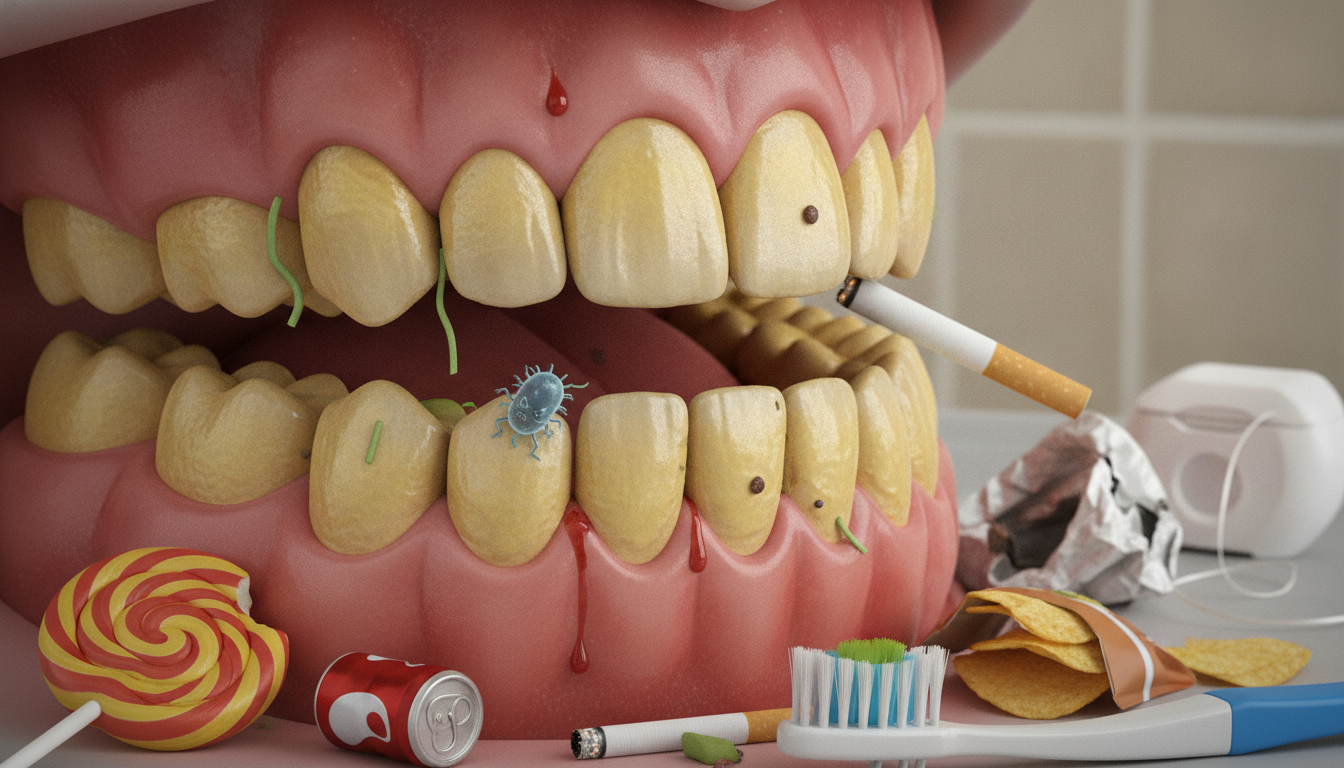
A bright, healthy smile is often the first thing people notice about you. However, beneath the surface of sparkling white teeth lies a critical foundation that is frequently overlooked: your gums. Gum disease is one of the most prevalent chronic conditions in the world today, affecting millions of adults without them even realizing it. The earliest and most reversible stage of this condition is known as gingivitis.
Left unchecked, gingivitis symptoms such as swollen gums, persistent bad breath, and bleeding gums can quickly progress into periodontitis, an irreversible form of gum disease that leads to tissue destruction, bone loss, and ultimately, tooth loss.
Understanding the root causes of gum inflammation is the single most effective way to safeguard your oral health. While most people assume that simply skipping a night of brushing is the sole reason for gum trouble, the reality is far more complex. From systemic health issues to subtle dietary habits, multiple factors can trigger an inflammatory response in your oral cavity.
In this comprehensive guide, we will explore the top 5 gingivitis causes, how they affect your oral microbiome, and what actionable steps you can take today to maintain healthy, resilient gums for life.
What Exactly Is Gingivitis?
Before diving into the primary causes, it is essential to understand what is happening inside your mouth when gingivitis develops. Gingivitis is an inflammation of the gingiva—the part of the gum tissue that surrounds the base of your teeth.
Your mouth is home to billions of bacteria, both beneficial and harmful. When everything is in balance, your saliva and immune system keep harmful micro-organisms in check. However, when toxic bacteria multiply out of control, they form a sticky, colorless film on your teeth known as plaque buildup.
When plaque remains on your teeth for too long, it releases toxins that irritate the gum line. Your body’s immune system reacts to this bacterial invasion by sending blood flow and white blood cells to the affected area, leading to the classic signs of inflammation: redness, swelling, and bleeding during brushing or flossing.
Fortunately, because gingivitis does not involve the loss of bone or connective tissue supporting the teeth, it is entirely reversible if caught early. By combining targeted daily hygiene with a high-quality advanced oral health supplement solution, you can restore balance to your oral microbiome and stop inflammation in its tracks.
Cause #1: Poor Oral Hygiene and Excessive Plaque Buildup
It comes as no surprise that inadequate oral hygiene is the number one cause of gingivitis. However, many people underestimate just how quickly bacterial plaque can wreak havoc on your gum tissue.
The Mechanics of Plaque and Tartar Formation
Every time you eat or drink, sugars and starches mix with the natural bacteria residing in your mouth. Within hours, this combination forms a soft, sticky layer called plaque.
If plaque is not removed through daily brushing and flossing, it hardens into tartar buildup (also known as dental calculus) within 24 to 72 hours. Unlike soft plaque, tartar cannot be removed with a standard toothbrush; it bonds tightly to the tooth enamel and sits along the gum line, creating a rough surface where even more bacteria can thrive.
Common Oral Hygiene Mistakes
Even individuals who brush daily can suffer from plaque accumulation if their technique is flawed. Some of the most common errors include:
- Brushing too quickly: The average person brushes for less than 60 seconds, which leaves large areas of plaque behind. Dentists recommend brushing for at least two full minutes.
- Ignoring the gum line: Brushing only the chewing surfaces of the teeth leaves the gingival margins vulnerable to bacterial accumulation.
- Skipping flossing: A toothbrush can only reach about 60% of your tooth surfaces. The remaining 40% lies between the teeth, where bleeding gums typically originate due to trapped food particles and hidden plaque.
- Using a worn-out toothbrush: Frayed bristles lose their ability to sweep away debris effectively and can harbor harmful bacteria.
To effectively prevent gingivitis, establishing a rigorous daily regimen is mandatory. Using an soft-bristled toothbrush angled at 45 degrees toward the gum line, flossing daily, and incorporating specialized oral nutrients will dramatically lower your risk of bacterial overload.
Cause #2: Hormonal Changes and Fluctuations
Did you know that hormones play a massive role in your periodontal health? Many individuals who maintain impeccable oral hygiene are shocked to experience swollen gums and sudden bleeding. In many cases, hormonal fluctuations are the silent culprit.
How Hormones Impact the Gums
Hormones such as estrogen and progesterone alter the way your blood vessels respond to bacterial plaque. Higher levels of these hormones increase blood flow to the gum tissues, making them significantly more sensitive, hyper-reactive, and prone to swelling even when minimal plaque is present.
Key Stages of Hormonal Vulnerability
- Puberty: The surge of hormones during adolescence often leads to “puberty gingivitis.” Surging blood flow to the gums makes them susceptible to redness and swelling in response to minor irritants.
- The Menstrual Cycle: Some women experience temporary gum inflammation right before their period begins, a condition known as menstruation gingivitis. It typically subsides shortly after the cycle starts.
- Pregnancy: Often referred to as “pregnancy gingivitis,” this condition affects up to 70% of pregnant women, usually starting in the second trimester. Increased progesterone makes the body less capable of battling plaque bacteria, requiring extra vigilance.
- Menopause and Post-Menopause: Declining estrogen levels can cause dry mouth (xerostomia), which deprives the mouth of protective saliva. This can lead to a condition called menopausal gingivostomatitis, characterized by dry, pale, or inflamed gums that bleed easily.
- Oral Contraceptives: Certain birth control pills that contain high levels of progesterone mimic pregnancy conditions in the body, raising the likelihood of gum disease.
If you are undergoing a major hormonal transition, standard brushing may not be enough. Supporting your body from within using a clinically supported dental health formula can help nourish your gums and neutralize excessive inflammation during these sensitive periods.
Cause #3: Nutritional Deficiencies and Unhealthy Diet
The old adage “you are what you eat” applies directly to your mouth. Your gums are made of soft, vascular tissue that relies on a steady supply of vitamins, minerals, and antioxidants to rebuild cellular structures and fight off pathogens. A poor diet can compromise your immune system, making it nearly impossible for your body to fight back against gingivitis causes.
Vitamin Deficiencies That Damage Gums
- Vitamin C Deficiency: Vitamin C is essential for the synthesis of collagen, the structural protein that maintains the integrity of your gum tissue. Severe Vitamin C deficiency leads to scurvy, a disease infamous for causing soft, spongy, and heavily bleeding gums. Even mild deficiencies can drastically weaken your gum tissue’s defense mechanisms.
- Vitamin D Deficiency: Vitamin D regulates the immune system and works alongside calcium to maintain strong jawbones. Low levels of Vitamin D are directly linked to an increased risk of severe gum disease.
- B-Complex Vitamins: Lack of Vitamin B12, folate, or riboflavin can manifest as oral lesions, mouth ulcers, and inflamed, painful gums.
The Danger of Processed Sugars and Refined Carbohydrates
A diet high in refined sugars, sodas, and ultra-processed foods creates an ideal environment for harmful oral bacteria.
When you consume sugar, bad bacteria feed on it instantly, producing corrosive acids that strip away tooth enamel and irritate the surrounding gingival tissue. Furthermore, high-sugar diets promote systemic inflammation, impairing your body’s ability to heal damaged gum tissue.
Foods That Fight Gum Inflammation
To reverse early damage and protect your teeth, prioritize nutrient-dense foods such as:
- Leafy greens (spinach, kale) rich in folate and Vitamin C.
- Crunchy vegetables (carrots, celery) that stimulate saliva flow and physically scrub teeth.
- Fatty fish (salmon, sardines) packed with anti-inflammatory omega-3 fatty acids.
- Fermented foods (yogurt, kefir) that introduce beneficial probiotics to your digestive tract and oral cavity.
Cause #4: Tobacco Use and Smoking
If you smoke, dip, or vape, your risk of developing gingivitis and advanced periodontitis increases exponentially. Tobacco use is widely recognized by dental professionals as one of the most significant environmental risk factors for severe gum disease.
How Tobacco Destroys Gum Tissue
- Reduced Blood Circulation: Nicotine acts as a vasoconstrictor, meaning it shrinks blood vessels. This reduces the flow of oxygen and vital nutrients to your gum tissue.
- Masked Symptoms: Because nicotine restricts blood flow, smokers often do not experience the early warning sign of bleeding gums. Their gums may appear deceptively pale or healthy, even while severe damage is occurring beneath the surface.
- Impaired Immune Function: Tobacco smoke impairs the function of neutrophils, the immune cells responsible for defending your mouth against bad bacteria. Without these defense mechanisms, aggressive bacterial strains take over.
- Delayed Healing: If you undergo a dental cleaning or oral surgery, smoking drastically slows down the healing process, increasing the likelihood of infection and permanent tissue loss.
What About Vaping and E-Cigarettes?
Many people mistakenly believe that switching to electronic cigarettes eliminates the threat to their oral health. However, studies show that aerosolized liquid nicotine, propylene glycol, and flavorings used in vapes still cause severe dry mouth, cellular oxidative stress, and increased tartar buildup.
Quitting tobacco is undoubtedly one of the best decisions you can make for your smile. Combined with proper dental hygiene routines, removing tobacco allows your body to finally initiate tissue repair and reduce chronic swelling.
Cause #5: Chronic Illnesses and Prescription Medications
Your oral health is a direct mirror of your overall body health. Chronic systemic conditions and the medications used to manage them can significantly elevate your vulnerability to gingivitis.
Systemic Conditions Linked to Gum Disease
Diabetes Mellitus
There is a well-established, two-way relationship between diabetes and periodontal health. People with poorly managed diabetes are far more likely to develop gum inflammation because elevated blood sugar levels nourish oral bacteria and weaken the body’s white blood cells. Conversely, severe gum disease makes it significantly harder to control blood sugar levels, creating a dangerous cycle.
Autoimmune Disorders
Conditions such as Lupus, Rheumatoid Arthritis, and Crohn’s disease cause the immune system to misfire, generating systemic inflammation that frequently attacks the soft tissues of the mouth.
Cardiovascular Disease
Research demonstrates a strong correlation between heart disease and gum disease. The same inflammatory bacteria found in infected gum pockets can enter the bloodstream and contribute to arterial plaque accumulation.
Medication-Induced Gum Issues
Hundreds of over-the-counter and prescription medications carry side effects that directly harm your gums.
- Dry Mouth (Xerostomia): Antihistamines, antidepressants, decongestants, and blood pressure medications frequently reduce saliva production. Saliva is your mouth’s natural defense mechanism—it washes away food debris, neutralizes destructive acids, and supplies minerals to teeth. Without adequate saliva, plaque buildup accelerates rapidly.
- Gingival Overgrowth: Certain drugs, such as calcium channel blockers (used for high blood pressure), immunosuppressants, and anti-seizure medications, can cause the gum tissue to overgrow. This condition makes it extremely difficult to clean around the teeth, leading to severe localized gingivitis.
If you must take these medications, working closely with your dentist and utilizing a specialized natural target solution for gum and tooth care can help counteract dry mouth and maintain ideal tissue conditions.
Additional Risk Factors to Keep in Mind
While the top five causes listed above account for the vast majority of cases, several secondary factors can accelerate gum inflammation:
- Chronic Stress: High stress levels elevate cortisol, a hormone that suppresses the immune system and triggers inflammation throughout the body, including the gums.
- Teeth Grinding (Bruxism): Clenching or grinding your teeth places excessive physical force on the supporting structures, which can aggravate inflamed gum tissue.
- Genetics: Some individuals are simply genetically predisposed to hyper-inflammatory responses against oral bacteria, making them susceptible despite good oral habits.
- Crooked or Misaligned Teeth: Overlapping teeth create hard-to-reach nooks and crannies where plaque accumulation occurs unnoticed.
How to Prevent and Reverse Gingivitis: Your Action Plan
The fantastic news about gingivitis is that it is completely reversible if you take prompt action. Because it has not yet progressed to the structural destruction of periodontitis, you can restore your gums to optimal health by executing a strategic daily plan.
1. Master Your Daily Brushing and Flossing
- Brush twice daily for two full minutes using a soft-bristled brush or an electric toothbrush.
- Angle the bristles at 45 degrees toward your gums to sweep away hidden bacterial biofilm.
- Floss at least once a day before bed to clean the tight spaces between teeth that your brush cannot reach.
2. Rinse with an Antibacterial Solution
Integrate a therapeutic, alcohol-free mouthwash into your nightly routine. Avoid heavy alcohol mouthwashes, as they dry out the mouth and ultimately worsen gum inflammation.
3. Maintain Hydration and Saliva Flow
Drink plenty of water throughout the day to flush away lingering food particles and keep your salivary glands working efficiently.
4. Schedule Regular Professional Cleanings
Visit your dentist at least twice a year. Professional dental scalers are the only way to remove hardened tartar buildup that brushing at home cannot budge.
5. Supercharge Your System with Targeted Oral Micro-Nutrients
Standard brushing only cleans the surface of your teeth. To fight deep-rooted inflammation, balance your oral microbiome, and strengthen fragile tissue, your body requires direct nutritional support. Combining your home routine with high-grade, target-specific oral supplements provides the essential building blocks needed for fast cellular repair and long-lasting protection against bleeding gums.
Final Thoughts
Your gums serve as the bedrock of your entire dental infrastructure. Ignoring early warning signs like redness, tenderness, or subtle bleeding can transform a simple, manageable issue into a permanent and costly dental crisis.
By addressing the top gingivitis causes—from improving your oral hygiene technique and quitting tobacco to regulating your diet and managing underlying health conditions—you can safeguard your smile for decades to come. Don’t wait until discomfort forces your hand. Take charge of your periodontal health today, feed your mouth the nutrients it desperately needs, and enjoy the confidence of a healthy, radiant smile!









