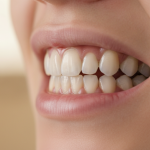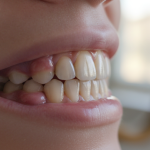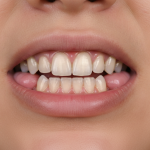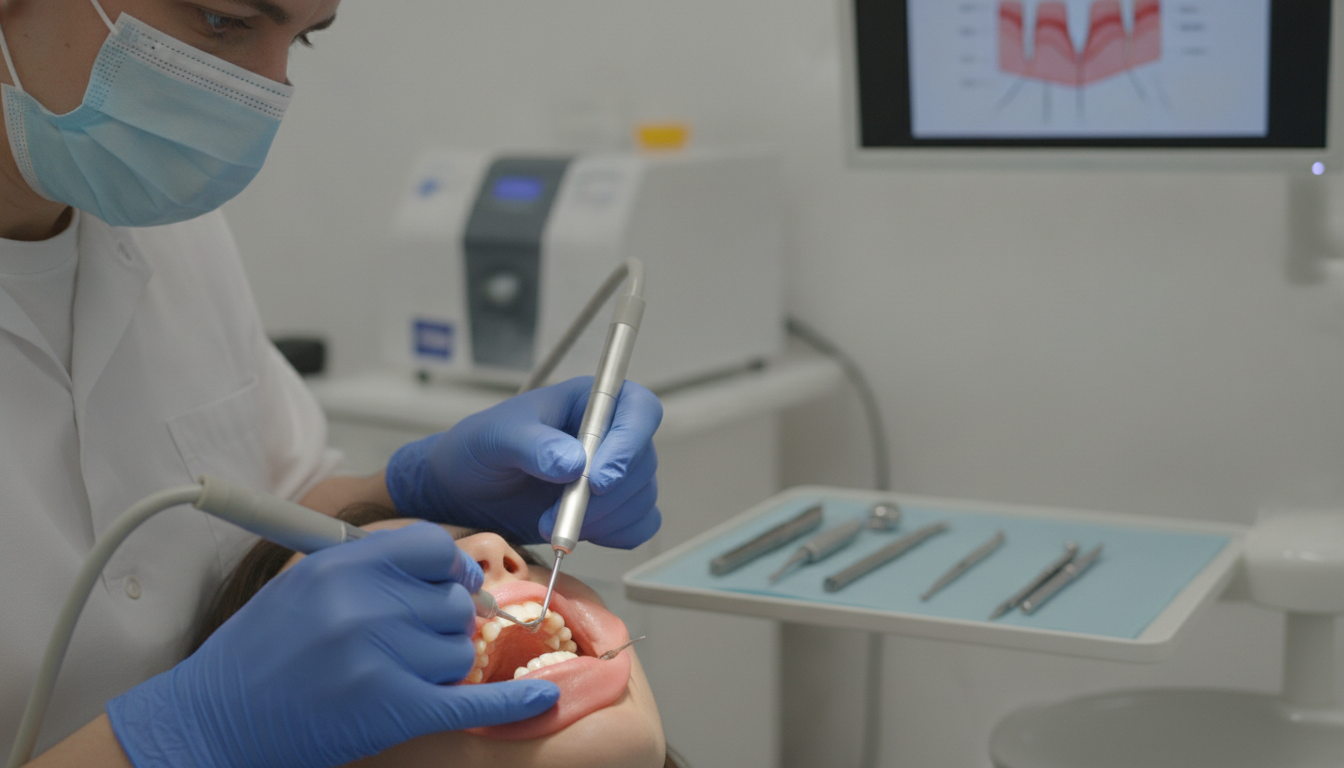
Experiencing swollen, tender, or bleeding gums can be alarming. If you have noticed pink in the sink after brushing or persistent bad breath, you are not alone. Millions of adults worldwide suffer from some form of periodontal issues. Searching for the best gum disease treatment near me is often the first step toward restoring your oral health, protecting your smile, and preventing severe health complications.
Gum disease, ranging from mild gingivitis to advanced periodontitis, is a progressive condition. Left untreated, it can lead to gum recession, bone loss, and ultimately tooth loss. Fortunately, modern dentistry offers a wide range of effective solutions, from non-surgical deep cleanings to advanced laser therapies and targeted nutritional support.
This comprehensive guide will explore the stages of gum disease, professional and home treatment options, average costs, insurance coverage, and how to find the top dental specialists in your area.
Understanding Gum Disease: From Gingivitis to Periodontitis
To select the right treatment, it is vital to understand how gum disease develops. Periodontal disease typically progresses through two main stages:
1. Gingivitis (The Early Stage)
Gingivitis is the earliest phase of gum inflammation caused by plaque buildup around the teeth. At this stage, the bacteria in plaque irritate the gum tissue, leading to redness, swelling, and bleeding during brushing or flossing.
The good news is that gingivitis treatment is fully reversible. Because the underlying bone and connective tissues have not yet been damaged, professional dental cleanings combined with robust home care can completely restore your gums to optimal health.
2. Periodontitis (The Advanced Stage)
If gingivitis is neglected, it can evolve into periodontitis. At this point, the inner layer of the gum and bone pull away from the teeth, forming pockets. These small spaces collect debris and can become infected. As the body’s immune system fights the bacteria, toxins produced by the bacteria as well as the body’s natural response start to break down the bone and connective tissue that hold teeth in place.
Symptoms of periodontitis include:
- Severe gum recession (teeth appear longer)
- Deep pockets between teeth and gums
- Persistent bad breath or metallic taste
- Loose or shifting teeth
- Changes in your bite alignment
Seeking prompt periodontitis treatment is crucial to halt tissue destruction and preserve your natural teeth.
Professional Gum Disease Treatment Options
When searching for the best gum disease treatment near me, you will find that dental procedures fall into non-surgical and surgical categories depending on the severity of the infection.
+——————————————————————-+
| GUM DISEASE TREATMENTS |
+———————————+———————————+
| NON-SURGICAL | SURGICAL |
+———————————+———————————+
| • Prophylactic Cleaning | • Flap / Pocket Reduction |
| • Scaling & Root Planing (SRP) | • Bone Grafts |
| • Localized Antibiotics | • Soft Tissue / Gum Grafts |
| • Laser Therapy (LANAP) | • Guided Tissue Regeneration |
+———————————+———————————+
Non-Surgical Treatments
Scaling and Root Planing (Deep Cleaning)
Scaling and root planing is the gold standard initial treatment for moderate periodontitis. Often referred to as a dental deep cleaning, this two-part procedure involves:
- Scaling: Removing tartar (calculus) and plaque from above and below the gumline.
- Root Planing: Smoothing out the tooth roots to help gums reattach to the teeth and prevent future bacterial buildup.
This procedure is typically performed under local anesthesia over one to two office visits.
Topical and Oral Antibiotics
Dentists often combine deep cleanings with antimicrobial therapies. Localized antibiotics (such as chlorhexidine rinses or antibiotic gels placed directly into deep periodontal pockets) help eliminate lingering bacteria and accelerate healing.
Laser Gum Therapy (LANAP)
Laser-Assisted New Attachment Procedure (LANAP) is a modern alternative to traditional surgery. Using a specialized dental laser, the periodontist targets and removes diseased tissue without cutting the gums. Laser gum surgery involves less discomfort, reduced bleeding, and faster recovery times compared to conventional procedures.
Surgical Treatments
For advanced periodontitis where deep pockets remain after non-surgical therapy, surgical intervention may be required.
Pocket Reduction (Flap Surgery)
During flap surgery, tiny incisions are made in the gum tissue so it can be lifted back, exposing the roots for more thorough scaling. The underlying bone may be reshaped before the gum tissue is stitched back into place tightly around the tooth.
Bone and Tissue Grafts
- Bone Grafts: Synthetic or donated bone fragments are placed in areas where periodontitis has destroyed bone, encouraging natural bone regrowth.
- Soft Tissue Grafts: If you suffer from extreme gum recession, tissue taken from the roof of your mouth (or donor tissue) is attached to the affected area to cover exposed roots and reinforce receding gums treatment.
The Role of Daily Care and Advanced Oral Formulas
While professional dental interventions are essential for managing severe infections, long-term success relies heavily on your daily hygiene routine and internal nutritional support. Brushing twice a day and flossing daily remove surface plaque, but targeting persistent bacteria requires a comprehensive strategy.
In recent years, biological dentistry and holistic care have highlighted the power of specialized oral nutrients designed to rebalance the oral microbiome, reduce inflammation, and strengthen delicate periodontal tissue from the inside out.
Integrating a dedicated daily oral health solution can significantly boost your defense against plaque buildup and sensitivity. Many patients use an advanced dental health support product alongside regular brushing to target deep-seated bacteria, calm inflamed tissue, and support healthy teeth and gums naturally.
Cost Breakdown: What to Expect to Pay
Understanding the periodontitis treatment cost helps you budget effectively and avoid surprises. Costs vary based on your geographic location, the extent of your gum disease, the specialist’s expertise, and your dental insurance coverage.
| Treatment Type | Estimated Cost (Without Insurance) | Frequency / Notes |
|---|---|---|
| Standard Prophylaxis Cleaning | $75 – $200 | Every 6 months |
| Scaling & Root Planing (Deep Cleaning) | $200 – $500 per quadrant ($800 – $2,000 full mouth) | Initial treatment |
| Periodontal Maintenance Cleaning | $150 – $300 | Every 3 to 4 months post-treatment |
| Laser Gum Therapy (LANAP) | $1,000 – $3,000 per quadrant | Full-mouth: $4,000 – $8,000 |
| Gum Graft Surgery | $600 – $1,200 per tooth | Surgical procedure |
| Bone Grafting | $300 – $1,500 per site | Depending on graft materials |
Factors Influencing the Cost
- Severity of Infection: Mild gingivitis requires basic cleanings, keeping costs low. Deep periodontal pockets require complex quadrant cleanings or surgical care.
- Insurance Coverage: Most standard dental insurance plans cover 50% to 80% of necessary periodontal procedures like scaling and root planing, though annual benefit caps (usually $1,000 to $2,000 per year) can limit coverage.
- Provider Credentials: Seeing a board-certified periodontist near me (a gum specialist) may cost slightly more than receiving treatment from a general dentist, but specialists offer advanced expertise for complex cases.
If you are concerned about deep cleaning cost without insurance, ask your clinic about payment plans, healthcare credit cards (like CareCredit), or in-house dental discount memberships.
How to Choose the Best Gum Disease Specialist Near You
When searching for the best gum disease treatment near me, selecting the right dental practitioner is critical to achieving long-lasting results. Here is a step-by-step approach to finding top-rated care:
+——————————————————————-+
| FINDING THE RIGHT PERIODONTIST |
+——————————————————————-+
| 1. Verify Credentials & Certifications |
| 2. Read Real Patient Reviews & Testimonials |
| 3. Assess Technology (Lasers, 3D Imaging) |
| 4. Inquire About Emergency & Comfort Options (Sedation) |
| 5. Compare Financing & Insurance Compatibility |
+——————————————————————-+
1. Check Qualifications and Experience
Ensure the practitioner is either a general dentist with extensive post-graduate training in periodontics or a board-certified periodontist. Periodontists complete three additional years of specialized training after dental school focused exclusively on gum health and dental implants.
2. Evaluate Clinic Technology
Modern dental technology enhances treatment accuracy and patient comfort. Look for clinics that utilize:
- Digital 3D X-rays for precise bone loss measurement.
- Periodontal probing tools to chart pocket depths accurately.
- Soft-tissue lasers for minimally invasive surgical procedures.
3. Read Patient Reviews
Search local directories and Google reviews to see what former patients say about their experience. Pay attention to comments regarding pain management, office cleanliness, staff empathy, and post-treatment results.
4. Schedule a Consultation
A initial consultation gives you the chance to assess the practice firsthand. Ask the specialist:
- What is the current depth of my periodontal pockets?
- Which non-surgical options should we attempt first?
- What is your success rate with how to stop bleeding gums and treating bone loss?
- What are the estimated out-of-pocket costs for my recommended plan?
Preventing Gum Disease Recurrence: Long-Term Maintenance
Completing your professional treatment plan is a major milestone, but ongoing care is crucial to prevent periodontitis from returning. Bacteria in the mouth reproduce rapidly, and without consistent maintenance, deep pockets can re-form.
1. Adhere to a Periodontal Maintenance Schedule
Following scaling and root planing, your dentist will recommend periodontal maintenance cleanings every 3 to 4 months instead of the typical 6-month schedule. These frequent visits allow your dental hygienist to monitor pocket depths and clear bacteria before it hardens into calculus under the gumline.
2. Upgrade Your Home Hygiene Routine
- Brush Twice Daily: Use a soft-bristled electric toothbrush positioned at a 45-degree angle toward the gumline.
- Floss or Water Floss Daily: Traditional string floss or water irrigators are indispensable for cleaning between teeth where toothbrush bristles cannot reach.
- Use Antimicrobial Rinses: Alcohol-free therapeutic mouthwashes help suppress harmful oral bacteria without drying out your oral mucosa.
3. Support Your Gums internally
Your diet plays a massive role in your immune system’s ability to control oral inflammation. Reduce your intake of sugary foods and refined carbohydrates, which feed damaging plaque bacteria. Instead, focus on foods rich in Vitamin C, Omega-3 fatty acids, and antioxidants.
To maintain optimal oral hygiene between dental visits, many individuals also incorporate specialized targeted supplements. Utilizing a proven tooth and gum support supplement provides essential micro-nutrients directly formulated to help protect tooth enamel, support natural tissue repair, and maintain fresh breath day after day.
The Connection Between Gum Health and Overall Health
Treating periodontal disease is not just about preserving your teeth—it is vital for protecting your systemic body health. Medical research has established clear links between chronic periodontal inflammation and several serious medical conditions:
- Cardiovascular Disease: Bacteria from infected gums can enter the bloodstream, contributing to inflammation in the blood vessels and increasing the risk of heart disease and stroke.
- Diabetes Management: Periodontitis and diabetes have a two-way relationship. Severe gum disease raises blood sugar levels, making diabetes harder to manage. Conversely, diabetic individuals are more susceptible to infections, including periodontitis.
- Respiratory Infections: Inhaling microscopic bacteria from infected gums into the lungs can lead to respiratory illnesses like pneumonia, particularly in older adults.
- Pregnancy Complications: Advanced gum disease during pregnancy has been connected to premature birth and low birth weight.
By securing the best gum disease treatment near me and treating periodontal issues promptly, you are making an investment in your whole-body wellness.
Taking Control of Your Oral Health Today
Gum disease can develop quietly, but its consequences on your smile and overall health are significant. Whether you are dealing with early-stage gingivitis or managing advanced periodontitis, effective solutions are available locally and for home routine support.
Start by booking a comprehensive periodontal evaluation with a qualified dental specialist in your community. Pair your professional treatments with dedicated home care, a balanced diet, and effective daily hygiene routines.
For those looking to proactively fortify their daily routine, using a high-quality oral hygiene and gum health formula can provide the extra layer of defense your gums need to stay strong, pink, and resilient. Take action today to protect your smile for a lifetime.