A bright, vibrant smile is often considered one of the most attractive human features. However, maintaining optimal oral health requires much more than just keeping your teeth white. Your gums serve as the essential foundation for your teeth, supporting the bone structure and protecting delicate nerve roots from external harm. Unfortunately, millions of adults around the world suffer from gum recession—a slow, insidious process where the margin of the gum tissue surrounding the teeth wears away or pulls back, exposing more of the tooth or even the tooth’s root.
Because receding gums typically develop very gradually, many people fail to notice the problem until significant damage has occurred. You might first suspect an issue if you experience sudden tooth sensitivity to hot, cold, or sweet food and drinks, or if your teeth suddenly appear visibly longer than they used to be. Left untreated, severe gum tissue loss can lead to loose teeth, structural bone destruction, and ultimately, tooth loss.
Understanding the root causes of this common condition is the critical first step toward prevention and reversal. In this comprehensive guide, we will explore the top 7 causes of gum recession, detail actionable strategies to fix each cause, and provide proven tips to preserve your healthy gums for a lifetime.
What Exactly Is Gum Recession?
Before diving into the primary causes, it is important to understand the biological mechanics behind this condition. Gum recession occurs when the tissue known as the gingiva pulls away from the surface of the tooth. This action creates micro-pockets or gaps between the teeth and gumline, making it extremely easy for disease-causing bacteria to build up.
When plaque buildup is allowed to sit in these hidden pockets, the body’s immune system attempts to fight off the bacterial invasion. This ongoing battle triggers chronic inflammation, which degrades the soft tissue and the supporting alveolar bone structure holding your teeth in place. If the process continues unchecked, the exposed tooth roots become vulnerable to decay, infection, and mechanical abrasion.
1. Advanced Periodontal Disease (Gingivitis & Periodontitis)
The undisputed leading cause of gum recession is bacterial periodontal disease. This infection develops in stages, starting as a mild, reversible inflammation of the gums known as gingivitis.
When daily dental hygiene is insufficient, microscopic particles of food mix with saliva to form a sticky film on the teeth called plaque. If plaque is not brushed away regularly, it hardens into tartar (calculus), which can only be removed by a dental professional. Tartar harbors harmful bacteria that constantly release toxins, irritating the soft tissues. Over time, untreated gingivitis escalates into periodontitis, a severe infection that destroys the supporting connective tissue and bone, causing the gums to pull back dramatically.
How to Fix It:
- Professional Deep Cleaning: Schedule a procedure known as scaling and root planing with your dentist. Scaling removes tartar from above and below the gumline, while root planing smooths out the tooth roots to help the gum tissue reattach.
- Targeted Oral Care Regimens: Daily brushing and flossing are crucial, but once bacteria nestle deep within gum pockets, traditional cleaning often falls short. Incorporating a powerful, highly rated advanced liquid oral health supplement into your routine can help target deep-seated bacteria, clear out chronic bleeding gums, and promote tissue restoration from the inside out.
- Antimicrobial Rinses: Use therapeutic, alcohol-free mouthwashes containing chlorhexidine or natural antibacterial oils like tea tree and peppermint to keep bacterial counts low.
2. Aggressive Toothbrushing (Mechanical Wear)
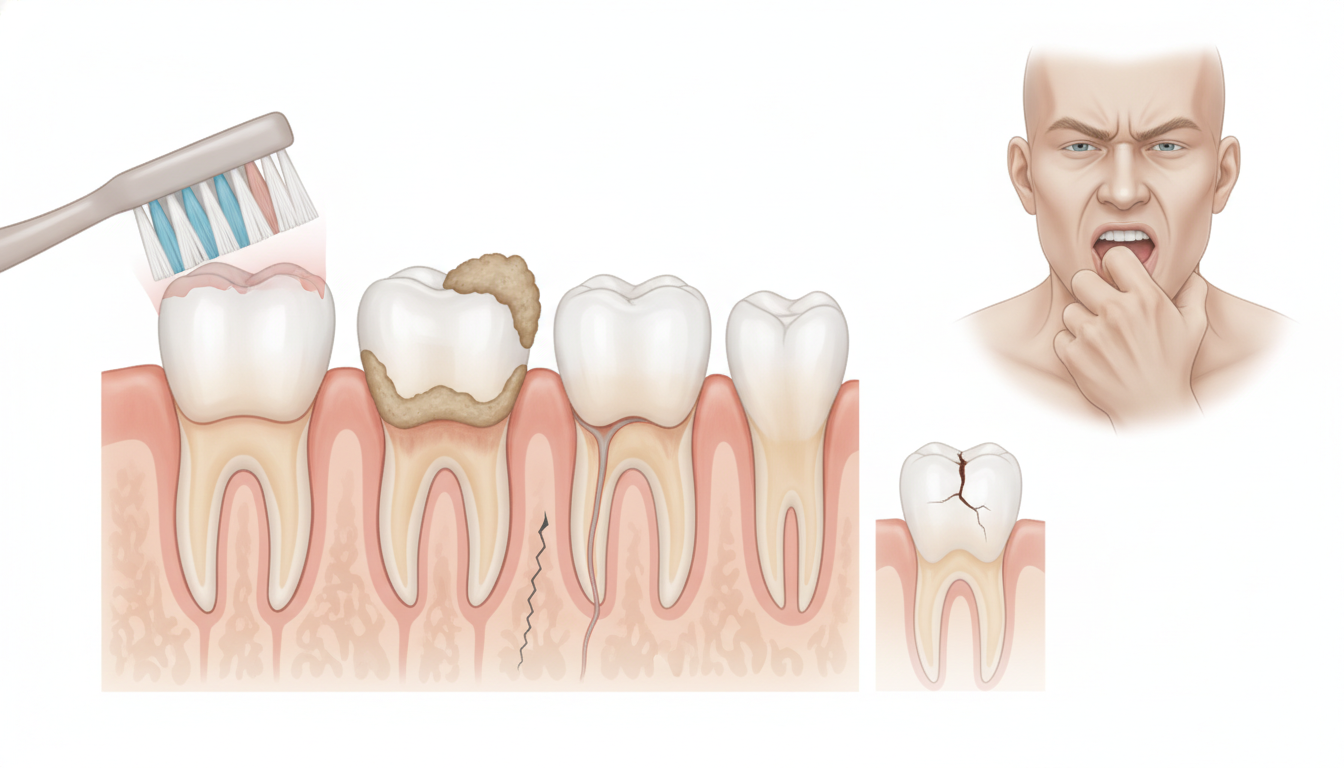
It might sound counterintuitive, but taking care of your teeth too aggressively can actually cause severe physical damage to your oral tissue. Many individuals believe that scrubbing their teeth with maximum force is the best way to get them clean. In reality, your gums are made of soft, delicate tissue that cannot withstand harsh, abrasive friction.
Using a toothbrush with hard bristles, applying excessive pressure, or using an improper back-and-forth sawing motion gradually strips away the protective outer layer of the gums. Over months and years, this mechanical wear causes the gumline to retreat, leaving exposed tooth roots and causing painful tooth sensitivity.
How to Fix It:
- Switch to a Soft-Bristled Toothbrush: Always choose an ultra-soft or soft-bristled toothbrush. Soft bristles are gentle on soft tissue while remaining fully capable of removing soft plaque.
- Adopt the Correct Technique: Hold your brush at a 45-degree angle toward the gumline. Use gentle, soft, circular strokes rather than scrubbing forcefully horizontally.
- Use an Electric Toothbrush with a Pressure Sensor: Modern smart electric toothbrushes come equipped with built-in sensors that light up or temporarily pause movement if you press too hard against your teeth and gums.
3. Poor Daily Oral Hygiene Habits
While aggressive brushing causes damage through mechanical force, neglecting your oral routine creates the ideal environment for bacterial damage. Skipping daily flossing, brushing haphazardly, or failing to clean the back molars allows toxic plaque buildup to accumulate uninterrupted.
As plaque sits against the gumline, it hardens into stubborn tartar within just 24 to 72 hours. Once tartar forms, it acts as a physical wedge that pushes the gum tissue away from the teeth while simultaneously serving as a breeding ground for destructive bacteria.
How to Fix It:
- Commit to the 2×2 Rule: Brush your teeth thoroughly for two full minutes, twice per day—once in the morning and once right before bed.
- Floss Daily Without Exception: Dental floss reaches the critical tight spaces between teeth where a normal brush cannot fit. Use string floss or a water flosser every single day to clear out trapped debris.
- Regular Dental Checkups: Visit your dental hygienist every six months for routine professional cleanings and examinations to catch early signs of gingivitis before severe recession takes hold.
4. Genetics and Hereditary Predisposition
Sometimes, despite keeping an immaculate daily cleaning routine, individuals still notice their gums receding. In many cases, genetics play a major role. Research shows that up to 30% of the population may be genetically predisposed to periodontal disease and delicate tissue phenotypes.
Some people naturally inherit thin, fragile gum tissue that is far more vulnerable to inflammation, physical abrasion, and structural recession. Others inherit misaligned jaw structures or abnormal tooth positioning, which places uneven pressure on specific areas of the arch, accelerating localized tissue destruction.
How to Fix It:
- Early Preventive Intervention: If your parents or siblings have a history of severe gum problems or early tooth loss, notify your dentist immediately so they can implement a aggressive preventive protocol early in your life.
- Strengthen Micro-Nutritional Support: Genetic vulnerabilities require high-level internal support. Utilizing targeted nutritional support such as a proven oral health restoration liquid can provide essential nutrients, antioxidants, and anti-inflammatory compounds directly to fragile tissues, significantly reducing tissue degradation.
- Orthodontic Realignment: If crowded or crooked teeth create targeted points of friction, clear aligners or traditional braces can redistribute your bite forces evenly, protecting fragile gum margins.
5. Hormonal Changes (Pregnancy, Menopause, and Puberty)
Fluctuating hormone levels throughout a person’s life—particularly in women—can dramatically influence the body’s sensitivity to oral bacteria. Rapid shifts in estrogen and progesterone levels alter blood circulation in the oral cavity, causing the gums to become hyper-sensitive, swollen, and prone to bleeding.
During key biological shifts—such as puberty, pregnancy, or menopause—even minimal amounts of plaque can trigger an exaggerated inflammatory response. This condition, frequently called “pregnancy gingivitis,” makes soft tissues tender and far more susceptible to rapid gum tissue loss if left unmanaged.
How to Fix It:
- Enhanced Hygiene During Hormonal Shifts: Pay extra attention to your dental regimen during pregnancy, puberty, or hormone replacement therapy.
- Schedule Extra Professional Cleanings: Expecting mothers should consider scheduling an extra dental cleaning during their second or third trimester to keep bacterial populations completely under control.
- Gentle Anti-Inflammatory Care: Use alcohol-free soothing oral rinses containing aloe vera, chamomile, or diluted essential oils to calm reactive, swollen gums naturally.
6. Teeth Grinding and Clenching (Bruxism)
Do you wake up with a sore jaw, dull headaches, or sensitive teeth? You may be suffering from bruxism—the involuntary habit of grinding or clenching your teeth, most commonly while asleep.
When you clench or grind your teeth, you exert immense, unnatural lateral pressure on the bone and soft tissues anchoring your teeth. This excessive physical force causes the teeth to flex slightly near the neck of the tooth root (a process known as abfraction). This constant micro-flexing fractures microscopic bits of enamel and forces the surrounding tissue to detach and recede.
How to Fix It:
- Wear a Custom Nightguard: Ask your dentist to create a custom-fitted nightguard. This plastic barrier cushions your teeth, absorbing the intense pressure of grinding and protecting your gums and jaw joints.
- Stress Management: Since anxiety and daily stress are the leading triggers for nighttime grinding, practice relaxing techniques before sleep, such as deep breathing exercises, warm baths, or yoga.
- Bite Correction: If your bite is misaligned, a dentist or orthodontist can adjust high spots on your teeth to distribute pressure uniformly.
7. Tobacco Products and Vaping
Using tobacco in any form—whether smoking cigarettes, chewing tobacco, or vaping electronic nicotine liquids—is extremely destructive to your overall oral health.
Tobacco smoke contains thousands of toxic chemicals that dry out the mouth and restrict blood vessels (vasoconstriction). Reduced blood flow deprives your gum tissue of vital oxygen, nutrients, and immune cells required to fight off infection and repair daily wear. Furthermore, nicotine promotes the growth of dangerous anaerobic bacteria while impairing the body’s natural healing response. Smokers are up to six times more likely to contract severe periodontal disease and experience extreme tissue recession compared to non-smokers.
How to Fix It:
- Quit Tobacco Immediately: Stopping all tobacco use is the single most effective action you can take to stop the rapid progression of receding gums.
- Hydrate Constantly: Drink plenty of fresh water throughout the day to counteract dry mouth and flush away loose debris.
- Rebuild Damaged Tissue: Once you stop smoking, boost your tissue recovery by applying specialized natural formulas designed to restore healthy mucosal lining, reduce oxidative stress, and accelerate cellular repair.
Advanced Medical Solutions for Severe Gum Recession
If your gum recession has already reached an advanced stage where tooth roots are exposed and structural stability is compromised, home fixes alone may not be enough. In such cases, professional dental procedures may be necessary to restore your gumline:
1. Gum Grafting Surgery
During a traditional gum graft, a periodontist takes a small piece of tissue from the roof of your mouth (or uses donor tissue) and surgically stitches it to the area where the gum tissue has worn away. This covers the exposed root and reinforces thin tissue.
2. The Pinhole Surgical Technique (PST)
A minimally invasive alternative to traditional grafting, PST involves using a small needle to make a tiny pinhole in the existing gum tissue. Specialized instruments are then used to gently loosen and slide the gum tissue down over the exposed root without requiring any scalpels or sutures.
3. Regenerative Procedures
If the bone supporting your teeth has been destroyed by severe periodontitis, your dentist may apply a regenerative material—such as membrane barriers, tissue-stimulating proteins, or graft materials—to encourage your body to naturally rebuild lost bone and tissue.
Daily Preventive Strategy: Protecting Your Gums for Life
Preventing gum recession requires a daily commitment to proactive, holistic wellness. Combine the following habits to build an unbreakable shield of protection for your smile:
+————————————————————————+
| DAILY ORAL WELLNESS MATRIX |
+————————————————————————+
| MORNING: |
| • Brush gently with a soft toothbrush at a 45° angle (2 mins) |
| • Take targeted oral health drops/supplements to combat bacteria |
| |
| MIDDAY: |
| • Rinse mouth thoroughly with water after meals |
| • Stay hydrated to promote healthy saliva flow |
| |
| EVENING: |
| • Floss thoroughly between all teeth |
| • Brush gently with soft bristles |
| • Wear a custom nightguard if you grind your teeth |
+————————————————————————+
Optimize Your Diet for Oral Health
Your gums rely on essential nutrients to maintain structural integrity and repair daily micro-injuries. Boost your intake of:
- Vitamin C: Essential for collagen synthesis, which holds your gum tissue together (found in citrus fruits, bell peppers, and broccoli).
- Vitamin D & Calcium: Crucial for preserving the underlying jawbone density (found in fatty fish, eggs, and sunshine).
- CoQ10 & Omega-3 Fatty Acids: Strong antioxidants that help calm chronic systemic inflammation throughout the body.
Integrate Specialized Liquid Oral Care
Maintaining perfect bacterial balance inside your mouth can be challenging with diet and brushing alone. Adding a specialized solution like this all-natural oral health support formula directly into your daily regimen is one of the easiest ways to target harmful microbial growth, eliminate toxic odor-causing compounds, and keep your gums firm, pink, and healthy.
Conclusion: Take Action Before It’s Too Late
While severe gum recession cannot naturally grow back on its own once the tissue is completely destroyed, catching the early warning signs allows you to stop its progression in its tracks. By addressing root causes—such as aggressive brushing, bacterial gingivitis, teeth grinding, and poor nutritional support—you can safeguard your smile and prevent the need for painful surgical procedures down the road.
Take control of your oral health today. Swap out your hard-bristled brush, establish a consistent daily flossing ritual, eliminate bad habits like smoking, and nourish your tissues with targeted, high-quality supplements. Your gums are the foundation of your smile—treat them with the care they deserve!