Your smile is often the very first thing people notice about you. We invest heavily in whitening strips, electric toothbrushes, and fancy mouthwashes to keep our teeth bright and straight. However, behind every beautiful tooth lies a crucial foundation that is frequently neglected: the gums.
Early gum disease, scientifically known as gingivitis, is a remarkably common condition affecting millions of adults worldwide. Because it often develops without causing sharp pain, it is frequently referred to as a “silent” oral health problem. Many people dismiss subtle symptoms—like a slight trace of pink in the sink after brushing—as normal. In reality, these early warnings are your body’s distress signals, indicating that harmful oral bacteria are starting to overpower your body’s natural defense systems.
If left untreated, early gum disease can progress into a far more severe, non-reversible condition known as periodontitis. Periodontitis destroys the soft tissue and bone supporting your teeth, eventually leading to loose teeth, severe infections, and tooth loss. The good news? Gingivitis is completely reversible if caught early enough and tackled with proper oral hygiene practices, dietary changes, and targeted supplementation.
In this comprehensive guide, we will explore how gum disease develops, detail the 5 signs of early gum disease you shouldn’t ignore, and explain exactly how you can restore your periodontal health before permanent damage occurs.
Understanding the Enemy: How Gum Disease Starts
To understand the warning signs, it helps to know what is happening inside your mouth. Your mouth is a complex ecosystem populated by billions of microbes, both beneficial and harmful.
When you eat, particularly foods rich in refined sugars and simple carbohydrates, certain bacteria feed on these remnants. As they feed, they secrete sticky, colorless films known as plaque buildup. Plaque coats your teeth, especially along and under the gumline.
If plaque is not regularly removed through meticulous brushing and flossing, it absorbs minerals from your saliva and hardens into tartar (also called calculus) within 24 to 72 hours. Unlike soft plaque, tartar cannot be brushed away at home; it acts as a rough armor for bacteria, allowing them to multiply safely while irritating the surrounding tissue.
As bacteria thrive beneath the gumline, they release toxins that trigger an immune response from your body. Your immune system sends white blood cells and inflammatory chemicals to fight the invaders. This chronic fight leads to the classic inflammation, redness, and sensitivity associated with early gum disease.
1. Bleeding Gums During Brushing or Flossing
The most widespread and frequently ignored symptom of gingivitis signs is bleeding gums.
Many people assume that seeing blood in the sink after brushing or flossing simply means they brushed too hard or used a toothbrush with bristles that were too stiff. While aggressive brushing can cause minor mechanical trauma, healthy gums should not bleed under normal pressure.
Why It Happens
When plaque buildup accumulates along the gumline, your immune system responds by dilating the local microscopic blood vessels (capillaries) to send fighting cells to the site. This increased blood flow makes the gum tissue engorged, swollen, and extremely fragile. Even the slight mechanical pressure of a soft toothbrush or standard dental floss is enough to rupture these micro-vessels, resulting in bleeding.
Why You Shouldn’t Ignore It
Ignoring bleeding gums is akin to ignoring a bleeding wound anywhere else on your body. Open, bleeding tissues in the mouth serve as a direct gateway for oral bacteria to enter your bloodstream. Researchers have linked chronic gum bleeding and severe periodontal disease to systemic health issues, including cardiovascular disease, diabetes complications, and cognitive decline. Treating bleeding gums promptly is critical not just for your teeth, but for your overall bodily health.
2. Persistent Bad Breath (Halitosis)
We all experience morning breath or the temporary lingering scent of garlic and onions after a meal. However, if you find yourself constantly reaching for mints, chewing gum, or harsh mouthwashes to cover up bad breath causes, the root issue may lie deep within your gums.
Why It Happens
Chronic bad breath (halitosis) associated with early gum disease is caused by anaerobic bacteria—microbes that thrive in environments devoid of oxygen, such as deep between teeth and beneath the gumline. These bacteria feed on microscopic food debris, dead skin cells, and proteins found in saliva.
As they digest this material, they release volatile sulfur compounds (VSCs), primarily hydrogen sulfide and methyl mercaptan. These compounds emit a distinct, foul odor reminiscent of rotten eggs or decaying matter.
Why You Shouldn’t Ignore It
Mouthwashes only mask VSCs temporarily; they do not kill the deeply embedded bacterial colonies producing them. In fact, alcohol-based mouthwashes can exacerbate the problem by drying out the mouth, creating an ideal oxygen-deprived environment for bad bacteria to flourish. Persistent bad breath is a clear indicator that plaque buildup has advanced beyond the reach of standard daily brushing.
3. Swollen, Red, or Tender Gums
Healthy gums should appear firm, stippled (resembling the surface of an orange peel), and a pale, coral pink color. When early gum disease takes hold, the appearance and texture of your gums change dramatically.
Why It Happens
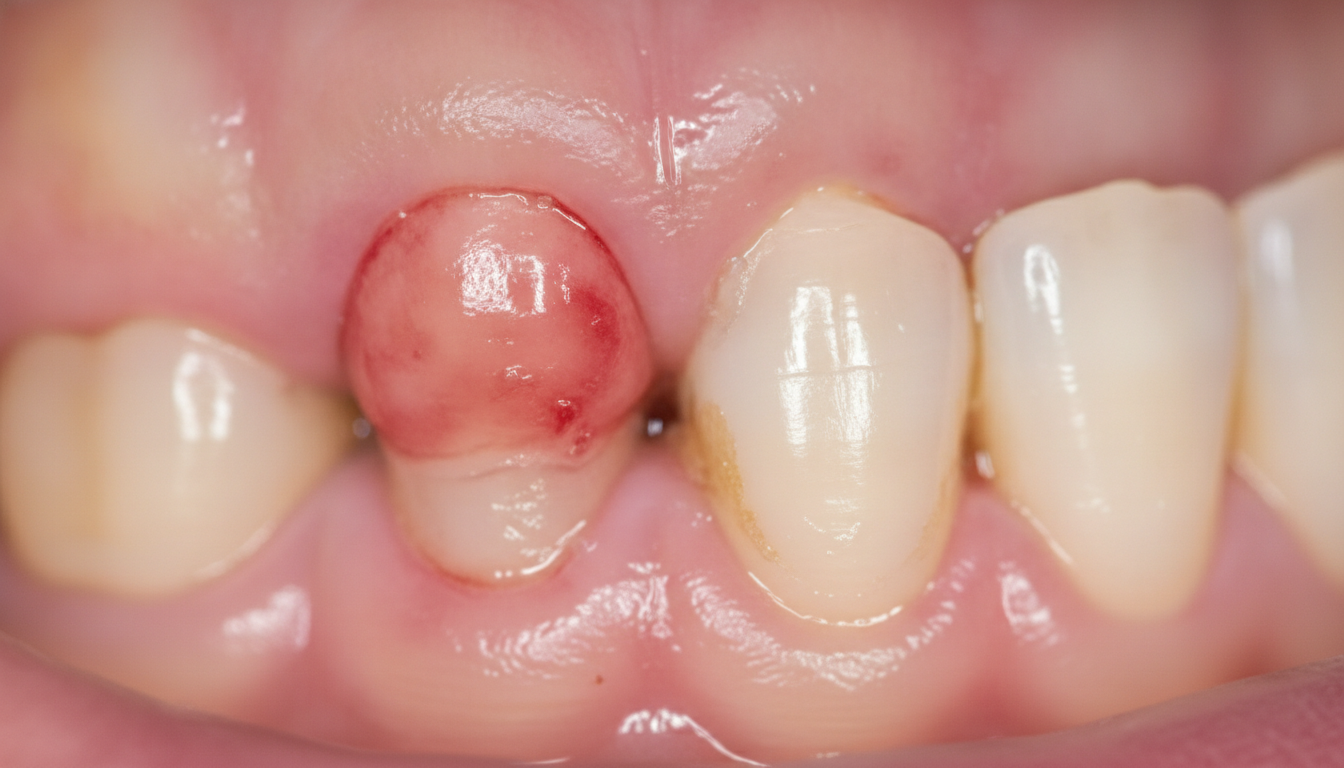
When bacteria release endo-toxins, your body responds by releasing inflammatory signaling proteins called cytokines. This inflammation causes fluid to pool in the soft gingival tissues, resulting in swollen gums that appear puffy, glossy, and enlarged. The healthy pink tone turns into a dark red, crimson, or purplish color due to increased blood stagnation in the area. Furthermore, the swollen tissue becomes sensitive to touch, making chewing, brushing, or eating hot and cold foods uncomfortable.
To effectively combat persistent inflammation and restore your mouth’s micro-flora, relying on brushing alone is often not enough. Incorporating targeted natural nutrients designed to soothe tissue inflammation can accelerate healing. Using an effective dental health and gingivitis care formula can provide essential compounds directly to your gums, helping to reduce swelling, calm irritation, and fortify fragile oral tissues against future bacterial attacks.
Why You Shouldn’t Ignore It
Swollen tissue creates deeper pockets between the tooth and the gum wall. In a healthy mouth, these pockets measure between 1 to 3 millimeters deep. As the tissue swells, the pocket deepens, creating a perfect trap for even more food particles and bacteria, effectively accelerating the cycle of tissue damage.
4. Receding Gums (Teeth Appearing “Longer”)
Have you ever noticed that a particular tooth looks noticeably longer than it used to? Or perhaps you feel a sharp notch near the gumline when running your tongue over your teeth? This phenomenon is known as receding gums.
Healthy Gums: Gums cover the neck of the tooth. Pockets 1-3mm.
Early Receding: Gums pull back, exposing yellow dentin. Pockets 4-5mm.
Advanced Recession: Root exposed, tooth mobility, risk of tooth loss.
Why It Happens
Gum recession occurs when the soft tissue surrounding the teeth pulls back, wearing away to expose more of the tooth structure or the tooth root itself. In the case of early gum disease, recession is driven by the breakdown of collagen fibers holding the gum tissue securely to the tooth root. As chronic inflammation rages, the body attempts to back away from the bacterial toxins, causing the gum tissue margin to migrate downward (on the lower arch) or upward (on the upper arch).
Why You Shouldn’t Ignore It
Tooth enamel only covers the crown of the tooth (the part visible above the healthy gumline). The underlying root surface is made of dentin, which is much softer, more porous, and far more susceptible to rapid decay. Exposed root surfaces can cause intense sensitivity to cold, hot, sweet, or acidic foods. Once gum tissue is completely destroyed, it does not naturally regenerate easily, making early intervention critical.
5. Increased Tooth Sensitivity and Subtle Bite Changes
While sharp, sudden tooth pain usually signals a cavity or cracked tooth, a generalized, dull sensitivity across multiple teeth can point toward early gum disease. You might also notice a subtle sensation that your teeth do not fit together quite the same way when you bite down.
Why It Happens
As gums recede and inflammation destroys the underlying attachment apparatus, tiny nerve tubules embedded in the dentin become exposed to the environment. Thermal changes from hot coffee or iced water travel directly down these tubules to the internal nerve of the tooth, causing sharp, temporary shocks of discomfort.
Additionally, teeth are held in place within the jawbone by delicate fibrous tissues called periodontal ligaments. When chronic inflammation affects these ligaments, the teeth can experience micro-mobility. They may shift ever so slightly, changing your bite or causing mild discomfort when chewing tough or crunchy foods.
Why You Shouldn’t Ignore It
Micro-mobility of the teeth indicates that inflammation is no longer confined strictly to the surface layer of the gums—it is starting to breach the deeper attachment apparatus. Catching the problem at this transitional stage allows you to stabilize the supporting structures before structural bone loss occurs.
Key Risk Factors: Why Are You Developing Gum Disease?
While inadequate oral hygiene is the primary driver of gingivitis, several secondary risk factors can dramatically increase your susceptibility to early gum disease:
- Poor Diet and High Sugar Intake: Bacteria thrive on refined sugars. Moreover, a diet lacking essential vitamins—such as Vitamin C (vital for collagen synthesis) and Vitamin D3 (crucial for bone and immune support)—weakens your body’s ability to repair damaged gum tissue.
- Chronic Stress: High levels of cortisol (the stress hormone) impair the immune system, making it much harder for your body to fight off oral bacterial infections.
- Dry Mouth (Xerostomia): Saliva is your mouth’s natural cleansing agent. It contains enzymes, immunoglobulins, and minerals that neutralize acids and wash away bacteria. Prescription medications, mouth breathing, and dehydration reduce saliva flow, creating an optimal environment for plaque buildup.
- Hormonal Changes: Fluctuations in estrogen and progesterone during puberty, pregnancy, or menopause increase blood flow to the gums, making them hyper-reactive to even tiny amounts of plaque.
- Smoking and Vaping: Nicotine restricts blood vessels, masking the early warning signs of disease (like bleeding) while simultaneously reducing the tissue’s ability to heal and oxygenate.
To counteract these internal and environmental stressors, bolstering your natural defenses is paramount. Integrating a highly rated advanced oral health supplement into your routine supplies your saliva with powerful antioxidants, mineral balancing agents, and probiotic strains designed to starve out destructive bacteria and reinforce your systemic oral defenses.
How to Reverse Early Gum Disease: A Step-by-Step Action Plan
The absolute best feature of early gum disease is that it is 100% reversible. Unlike periodontitis, which involves permanent bone loss, gingivitis can be completely cleared away, allowing your gums to return to a firm, healthy, pink state. Here is a step-by-step strategy to jumpstart your gum recovery:
Step 1: Master the Correct Brushing Technique
- Frequency: Brush twice daily for at least two full minutes.
- Technique: Place your soft-bristled brush at a 45-degree angle to your gumline. Use gentle, circular motions rather than harsh horizontal scrubbing. Focus on cleaning where the tooth meets the gum.
- Tool: Consider switching to a sonic electric toothbrush, which can generate tens of thousands of micro-vibrations per minute, dislodging far more plaque than manual brushing.
Step 2: Clean Between the Teeth Daily
Brushing cleans only about 60% of your tooth surfaces; the remaining 40% lies in between the teeth where bristles cannot reach.
- Flossing: Traditional string floss remains highly effective. Be sure to curve the floss into a “C” shape against the side of each tooth and gently slide it beneath the gumline.
- Interdental Brushes & Water Flossers: If flossing is difficult due to wide gaps, braces, or limited dexterity, interdental brushes or water flossers use pulsating water jets to flush out debris and anaerobic bacteria from deep pockets.
+——————————————————————–+
| DAILY ORAL RECOVERY ROUTINE |
+——————————————————————–+
| 1. Morning: Gentle 45-degree angle brushing + Oral Supplement |
| 2. Post-Meals: Rinse thoroughly with pure water |
| 3. Evening: String Floss / Water Flosser + Sonic Brushing |
| 4. Nightly: Apply targeted natural gum support serum/nutrients |
+——————————————————————–+
Step 3: Upgrade Your Nutrition
- Cut Refined Sugars: Eliminate sodas, candies, and processed carbs that continuously feed destructive oral bacteria.
- Boost Vitamin C: Eat bell peppers, citrus fruits, strawberries, and broccoli to support collagen synthesis and repair bleeding capillaries.
- Incorporate Probiotics: Consuming fermented foods like kefir, kimchi, and plain Greek yogurt helps populate your digestive tract and mouth with beneficial bacteria.
Step 4: Utilize Natural and Targeted Supplements
While daily brushing and flossing deal with external surface plaque, tackling deep-rooted oral micro-flora requires internal and topical nutrition. Utilizing an all-natural gum and teeth support solution provides direct bio-available nutrients that help rebalance your oral microbiome, eliminate chronic bad breath causes, and rebuild firm tissue from the inside out.
Step 5: Schedule Professional Dental Cleanings
Even the most disciplined home care cannot remove hardened tartar. Visit your dentist or dental hygienist at least twice a year. They use specialized ultrasonic scalers and hand instruments to gently lift away tartar deposits from above and below the gumline, giving your gums a clean slate to heal.
Summary Checklist: Healthy Gums vs. Early Gum Disease
Use this quick visual guide to assess your current dental health:
| Feature | Healthy Gums | Early Gum Disease (Gingivitis) |
|---|---|---|
| Color | Firm, light coral pink | Dark red, purple, or inflamed pink |
| Texture | Stippled (like an orange peel) | Puffy, smooth, glossy, or swollen |
| Bleeding | Never bleeds during normal care | Bleeds during brushing or flossing |
| Sensation | Painless, comfortable | Tender, sensitive to cold/hot/touch |
| Breath | Fresh, neutral odor | Persistent, unpleasant odor (halitosis) |
| Position | Fits snugly around tooth neck | Receding, leaving teeth looking longer |
Final Thoughts: Take Control of Your Oral Health Today
Your body communicates through subtle signals. The early signs of gingivitis—whether it is a tiny drop of blood during your evening flossing session, persistent bad breath, or slight swollen gums—are clear warnings that your oral biome is out of balance.
Ignoring these early symptoms allows simple surface bacteria to turn into destructive, deep-tissue infections that threaten your teeth and impact your entire physical health. Fortunately, reversing gum disease in its initial stages is entirely within your control.
By committing to a thorough daily oral hygiene routine, adopting a nutrient-dense diet, visiting your dentist regularly, and supporting your tissues with high-quality natural supplements, you can halt early gum disease in its tracks. Take action today to protect your gums, preserve your natural teeth, and keep your smile strong, radiant, and healthy for life!