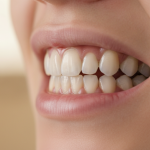
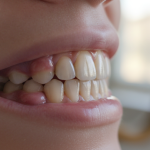
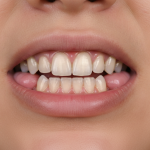
A healthy smile is often regarded as one of your most valuable social assets, but maintaining it requires much more than just brushing your teeth twice a day. Beneath the surface of shiny enamel lies a delicate ecosystem of soft tissue—your gums. When oral hygiene slacks even slightly, microscopic bacteria take advantage, leading to the earliest stage of gum disease known as gingivitis.
If you have noticed bleeding gums while brushing, persistent redness, swelling, or lingering bad breath, you are likely experiencing the warning signs of mild tissue inflammation. Left untreated, this minor issue can escalate into severe periodontal disease, leading to irreversible tissue damage and tooth loss.
Fortunately, gingivitis cleaning—a specialized professional dental cleaning—is designed to completely reverse early tissue inflammation and restore your mouth to peak health. In this comprehensive guide, we will explore everything you need to know about gingivitis cleaning, including the underlying causes of gum irritation, the step-by-step clinical process, the average cost of gingivitis cleaning, its lifelong benefits, and how to maintain optimal gum health at home.
What is Gingivitis and Why Does It Develop?
To understand why a dedicated gingivitis cleaning is necessary, one must first understand how bacteria interact with the human mouth. Every minute of the day, millions of naturally occurring bacteria mix with saliva and food particles, forming a sticky, colorless film on the surfaces of your teeth called plaque.
The Shift from Plaque to Tartar
When plaque is not removed daily through meticulous oral hygiene practices, it absorbs minerals from your saliva and hardens within 24 to 72 hours. Once it hardens, it becomes tartar (also known as dental calculus). Unlike soft plaque, tartar cannot be removed with a regular toothbrush or dental floss. It forms a rough surface anchor where more bacteria accumulate, releasing toxins that irritate and inflame the surrounding gum tissue.
Common Symptoms of Gingivitis
Many individuals live with gingivitis symptoms without realizing it because the condition is rarely painful in its initial stages. Key indicators include:
- Gums that bleed easily during brushing or flossing
- Puffiness, swelling, or tenderness in the gum tissue
- A change in gum color from healthy pale pink to bright red or dark purple
- Receding gums that make the teeth look longer
- Persistent bad breath (halitosis) or a constant unpleasant taste in the mouth
If left unchecked, the body’s immune response to the accumulating bacteria begins to destroy the soft tissue and bone surrounding the teeth. This progression transforms simple inflammation into periodontal disease, which requires far more invasive, complex, and expensive medical procedures.
The Complete Step-by-Step Gingivitis Cleaning Process
When you visit a dental clinic for a gingivitis cleaning, the routine differs from a basic biannual checkup. While a standard clean focuses primarily on preventative polishing above the gumline, a deep therapeutic procedure targets both above and below the tissue margin to eliminate infection.
Here is what you can expect during the clinical procedure:
[Phase 1: Diagnosis & Mapping] ➔ [Phase 2: Ultrasonic Scaling] ➔ [Phase 3: Manual Root Planing] ➔ [Phase 4: Polishing & Antiseptic Rinse]
1. Comprehensive Examination and Periodontal Charting
Before any physical cleaning begins, your dentist or dental hygienist conducts a thorough examination of your oral cavity. Using a tiny, calibrated instrument called a periodontal probe, they measure the depth of the “pockets” between your teeth and gums.
- Healthy Pockets: Measure between 1 to 3 millimeters deep and do not bleed easily.
- Gingivitis Pockets: Measure 3 to 4 millimeters deep, showing signs of tissue detachment and active bleeding.
- Severe Periodontitis Pockets: Measure 5 millimeters or more, indicating bone loss.
X-rays may also be taken to evaluate whether the underlying jawbone structure has suffered any damage.
2. Pain Management and Local Anesthesia
Depending on the severity of your tissue sensitivity and inflammation, local anesthesia or topical numbing gel may be applied to your gums. This ensures that you remain completely comfortable throughout the scaling and root planing process.
3. Debridement and Ultrasonic Scaling
The primary stage of a gingivitis cleaning involves removing accumulated calcified deposits. The hygienist typically uses an ultrasonic scaler—a specialized tool that vibrates at high frequencies while emitting a fine mist of water.
- The high-speed vibrations shatter hard tartar deposits on the enamel and under the gumline.
- The water jet flushes out bacterial debris and cools the tip of the instrument.
4. Manual Scaling and Root Planing
After the bulk of the calculus is removed with ultrasonic tools, the hygienist uses fine hand instruments (curettes and scalers) to scrape away micro-deposits from delicate areas.
During the root planing phase, the practitioner smooths out the rough surfaces of the tooth roots below the gumline. Bacteria thrive on rough surfaces; by creating a silky-smooth root texture, it becomes much harder for plaque to reattach, allowing the gums to re-heal tightly around the teeth.
5. Antimicrobial Irrigation and Polishing
Once all calcified matter is removed, the open gum pockets are flushed with an antimicrobial or antibiotic solution to neutralize any lingering microscopic pathogens. Finally, the teeth are polished using a gritty paste to buff away surface stains and smooth the enamel, followed by an optional concentrated fluoride application to strengthen the enamel against future acid attacks.
Supporting Your Gums Beyond the Dental Chair
While professional clinical treatments eliminate hard deposits, long-term oral stability depends heavily on daily home maintenance. The chemical environment of your saliva and the microbial balance inside your mouth determine how rapidly plaque turns into harmful calculus.
To boost your recovery between dental visits, incorporating advanced daily support can make a noticeable difference. Many dental wellness experts recommend supplementing your daily routine with target-formulated natural solutions designed to restore healthy oral flora, calm tissue inflammation, and keep your gums resilient against bacterial attacks.
If you want to maximize your cleaning results and protect your gums from recurring infection, consider trying a specialized natural oral health formula to support your daily hygiene routine.
Major Benefits of Professional Gingivitis Cleaning
Investing time and money into a professional deep cleaning yields extensive health rewards that extend far beyond aesthetics.
+———————————————————————————+
| KEY BENEFITS OF GINGIVITIS CLEANING |
+—————————————————-+—————————-+
| Immediate Benefits | Long-Term Health Impact |
+—————————————————-+—————————-+
| Reverses gum tissue inflammation | Prevents tooth loss |
| Eliminates persistent bad breath (halitosis) | Protects jawbone integrity |
| Stops localized gum bleeding | Reduces systemic risk |
| Removes unsightly yellow tartar stains | Saves thousands in surgery |
+—————————————————-+—————————-+
1. Stopping and Reversing Gum Disease
Unlike advanced periodontal disease, which can only be managed rather than cured, gingivitis is 100% reversible. A precise professional cleaning eliminates the primary source of infection, allowing your body’s immune system to heal the inflamed tissue and re-attach it firmly to the teeth.
2. Prevention of Tooth Loss
When chronic tissue inflammation goes untreated, the body releases enzymes to destroy infected tissue, eventually consuming the jawbone beneath. As bone mass disappears, teeth become loose and eventually fall out or require extraction. Timely gingivitis cleaning stops this destruction at the root, securing your teeth for decades to come.
3. Total Eradication of Chronic Bad Breath
Microorganisms dwelling in deep bacterial pockets feed on food proteins, releasing Volatile Sulfur Compounds (VSCs)—the root cause of severe foul breath. Because normal brushing cannot reach deep below the gumline, only a professional cleaning can eliminate these smelly odor-producing bacterial colonies.
4. Systemic Health Protection
Modern medical research has established a strong connection between gum disease and serious systemic diseases. The pathogenic bacteria in inflamed gums can enter the bloodstream through micro-wounds in the tissue, spreading throughout the body:
- Cardiovascular Disease: Bacteria entering the blood stream can contribute to arterial plaque accumulation, increasing the risk of heart attacks and strokes.
- Diabetes Management: Chronic inflammation makes it significantly harder for diabetic patients to regulate blood sugar levels.
- Respiratory Infections: Inhaling oral bacteria into the lungs can lead to infections such as pneumonia, especially in older adults.
5. Cost Savings over Time
Preventative clinical care is drastically less expensive than reconstructive surgical care. Resolving mild gum issues early spares you from costly future treatments like osseous surgery, soft tissue grafts, and dental implants.
Understanding the Cost of Gingivitis Cleaning
The cost of gingivitis cleaning varies significantly based on geographic location, the extent of your tissue inflammation, and whether your dental professional classifies the treatment as preventative or therapeutic.
+———————————————————————————–+
| AVERAGE ESTIMATED COST BREAKDOWN |
+—————————————+——————————————-+
| Procedure Type | Estimated Cost (Without Insurance) |
+—————————————+——————————————-+
| Standard Prophylaxis (Preventative) | $75 – $200 |
| Scaling & Root Planing (Per Quadrant) | $150 – $450 |
| Full-Mouth Deep Cleaning (4 Quads) | $600 – $1,800 |
| Maintenance Cleaning (Post-Treatment) | $100 – $300 |
+—————————————+——————————————-+
Primary Factors Influencing the Cost
- Severity of the Condition: If your condition is caught early, a standard cleaning (prophylaxis) spread across one visit may suffice. If the plaque build-up is extensive, you may require full scaling and root planing, which divides the mouth into four quadrants and often requires two separate visits.
- Anesthesia and Antimicrobial Therapies: The use of localized numbing agents, laser treatment, or special antibiotic rinses subgingivally can add an additional $50 to $150 per quadrant to the total bill.
- Insurance Coverage: Most major dental insurance plans cover basic preventative cleanings at 80% to 100%. However, if the procedure is coded as therapeutic scaling and root planing, insurance typically classifies it as a basic or major restorative service, covering between 50% and 80% of the total after deductibles are met.
- Geographic Location and Specialist Expertise: Dental clinics located in major metropolitan areas generally charge higher rates due to overhead costs. Furthermore, seeing a specialist called a periodontist costs more than visiting a general dentist.
Post-Cleaning Care and Recovery Advice
Following your gingivitis cleaning, your gums need time to calm down, contract, and heal against the smooth tooth surfaces. It is common to experience mild tissue sensitivity, minor bleeding, and slight discomfort for a few days post-procedure.
Immediate Aftercare Instructions
- Manage Sensitivity: Avoid extremely hot, ice-cold, or acidic foods and drinks for the first 48 hours.
- Rinse with Warm Salt Water: Dissolve half a teaspoon of salt in a glass of warm water and gently swish three times a day to reduce tissue swelling and soothe irritation.
- Use Soft-Bristled Brush: Continue your oral hygiene routine, but brush very gently around the treated areas using a soft manual or electric toothbrush.
Long-Term At-Home Prevention Routine
      +-------------------------------------------------+

      |      DAILY AT-HOME GUM PROTECTION ROUTINE       |

      +-------------------------------------------------+

      |  Step 1: Brush gently twice daily (2 mins)     |

      |  Step 2: Floss or water-floss subgingivally     |

      |  Step 3: Target internal oral microbiome health |

      +-------------------------------------------------+
Clinical cleanings reset the clock, but your day-to-day habits determine whether the infection returns. To ensure your gums remain firm, pink, and healthy long after your appointment:
- Brush Twice Daily for Two Full Minutes: Angle the toothbrush bristles at a 45-degree angle toward your gumline to gently sweep away fresh plaque.
- Floss Daily Without Fail: String floss or interdental brushes reach the tight spaces between teeth where 35% of plaque hides.
- Incorporate Oral Health Nutritional Support: Brushing alone only cleans the surface. Replenishing your mouth with beneficial nutrients and bacterial-balancing agents helps fight stubborn tissue infections from within. Adding an advanced all-natural dental health supplement to your daily routine can strengthen your gums, reduce bleeding, and keep your breath fresh around the clock.
Frequently Asked Questions About Gingivitis Cleaning
Is a gingivitis cleaning painful?
With modern techniques and local anesthesia, the procedure itself is virtually painless. You may feel slight pressure as calcified deposits are loosened. Afterwards, mild gum tenderness or tooth sensitivity to hot and cold temperature changes is normal for a few days.
How often should I get a deep gingivitis cleaning?
If you have a history of moderate tissue inflammation or periodontal issues, dentists typically recommend a maintenance gingivitis cleaning every 3 to 4 months instead of the standard 6-month schedule. This prevents new bacterial colonies from organizing below the gumline.
Can gingivitis go away on its own without professional cleaning?
No. While minor, soft plaque can be brushed away at home, hardened tartar cannot be removed by home tools. Once tartar forms below your gumline, only a trained dental professional using specialized ultrasonic and manual scaling tools can remove it safely.
Final Thoughts: Protecting Your Smile for a Lifetime
A professional gingivitis cleaning is one of the most effective medical investments you can make for your overall well-being. By recognizing early gingivitis symptoms, understanding the clinical scaling process, and staying proactive about costs, you take full control of your dental health before irreversible damage occurs.
Remember, true dental wellness is a continuous commitment. Combining professional dental cleanings with robust daily home habits—including proper brushing, flossing, and utilizing powerful targeted oral care products—will keep your gums strong, your teeth secure, and your smile radiant for years to come.