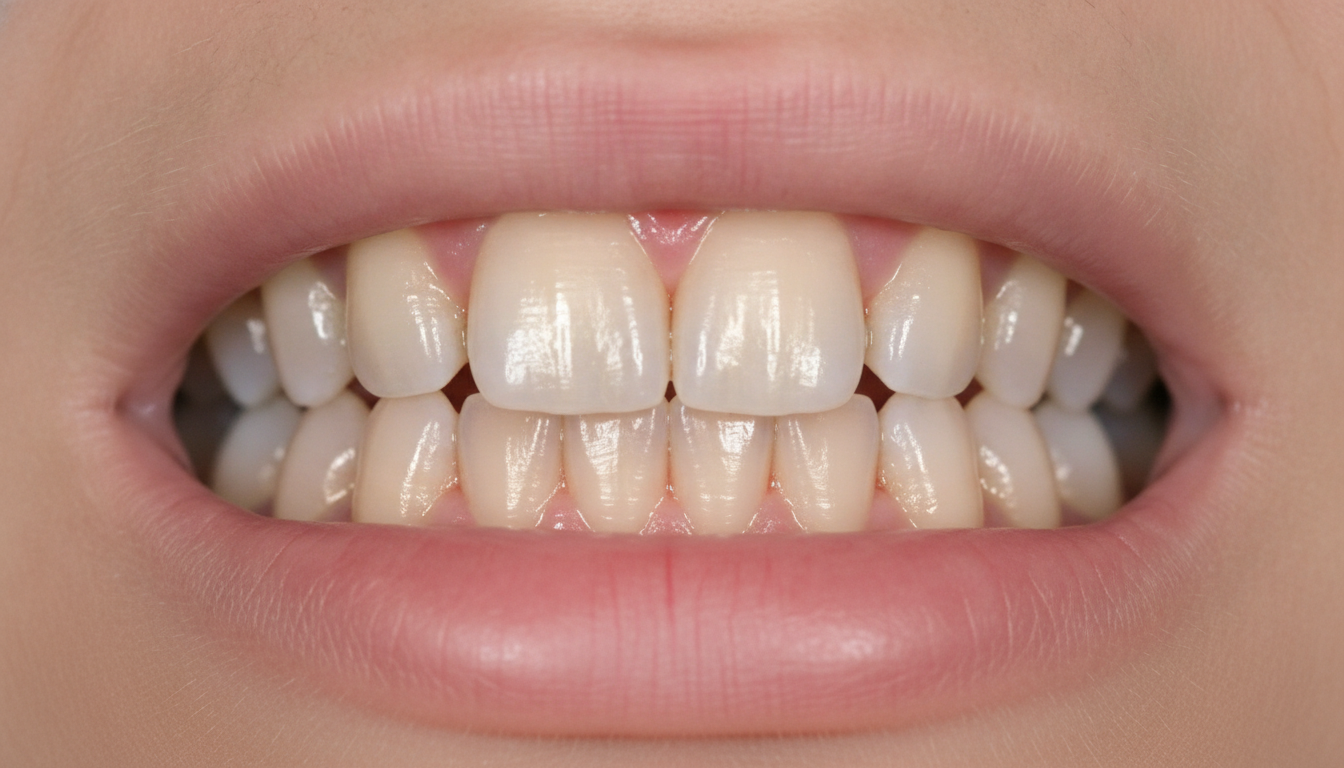
Noticing a splash of red in the sink after brushing your teeth can be alarming. For millions of adults, this subtle warning sign is the first indicator of mild gingivitis, the earliest stage of periodontal disease. The good news? Unlike advanced periodontitis, mild gingivitis is 100% reversible.
Because gingivitis affects only the superficial soft tissue around your teeth, taking quick, decisive action at home can completely restore your gums to a firm, healthy, pink state. In this comprehensive guide, we will explore the science behind gum inflammation, actionable strategies for plaque removal, effective gingivitis home remedies, and dietary habits that support long-term oral wellness.
1. Understanding Mild Gingivitis: Causes and Warning Signs
Before diving into solutions, it is crucial to understand what is happening inside your mouth. Gingivitis is an inflammatory response triggered by the accumulation of dental plaque—a sticky, colorless film of bacteria that continuously forms on your teeth.
When plaque is not effectively removed through regular cleaning, the bacteria produce toxins that irritate the delicate tissue surrounding the base of your teeth (the gingiva). Over time, your body’s immune system responds to these bacterial threats, resulting in inflammation.
The Early Signs of Gum Disease
To know if you are dealing with mild gingivitis, look out for these common indicators:
- Bleeding gums: Occurring specifically during brushing, flossing, or eating hard food like apples.
- Swollen or puffy gums: Tissue that appears bulging rather than tight against the teeth.
- Redness: Healthy gums are pale pink; inflamed gums look dark red or purplish.
- Persistent bad breath: Also known as halitosis, caused by volatile sulfur compounds produced by oral bacteria.
- Tenderness: Mild discomfort or sensitivity when touching the gumline.
If caught at this early stage, the underlying jawbone and connective fibers holding your teeth in place remain undamaged. However, ignoring these early warnings allows plaque to harden into tartar (calculus), which can only be removed by a dental professional and significantly increases your risk of developing irreversible periodontitis.
2. The Ultimate Daily Hygiene Routine for Reversing Gingivitis
Reversing gum inflammation requires a consistent, meticulous daily regimen. The goal is simple: disrupt and eliminate the bacterial biofilm before it can trigger an immune response.
Step 1: Master the Technique of Toothbrushing
Brushing twice a day is a basic recommendation, but how you brush matters just as much as how often you brush.
- Use a Soft-Bristled Brush: Medium or hard bristles can abrade delicate gum tissue, causing recession and worsening inflammation. Electric toothbrushes with sonic or oscillating technology are often superior at removing plaque at the gumline.
- Adopt the Bass Method: Position your toothbrush at a 45-degree angle toward your gumline. Move the brush in short, gentle circular or back-and-forth strokes. Focus on two teeth at a time, ensuring you clean the outer, inner, and chewing surfaces.
- Brush for a Full Two Minutes: Most people average only 45 seconds. Use a timer or a electric toothbrush with a built-in quadrant timer to ensure complete coverage.
Step 2: Floss with Intention
A toothbrush cannot reach the tight spaces between your teeth, which is precisely where gum disease usually begins.
- Curve the Floss: Don’t just snap the floss up and down between your teeth. Gently guide it down, curve it into a “C” shape against the side of one tooth, and slide it slightly beneath the gumline.
- Clean Both Sides: Wipe up and down along the side of the tooth, then move to the neighboring tooth surface before pulling the floss out.
- Consider Interdental Brushes: If you have larger gaps between your teeth, small interdental brushes are often more effective than standard floss for gum inflammation relief.
Step 3: Enhance Your Oral Care with Advanced Solutions
While mechanical cleaning (brushing and flossing) is the foundation of oral care, supplementing your routine with targeted nutritional support can dramatically speed up tissue recovery. Modern clinical research shows that systemic support—nourishing your mouth from within—can amplify the results of your brushing routine.
To give your gums the extra support required to fight stubborn inflammation and maintain long-term tissue health, incorporating a high-quality advanced oral health solution into your daily routine can help target deeply embedded bacteria and promote rapid healing.
3. Science-Backed Home Remedies for Inflamed Gums
Alongside a rigorous brushing routine, several natural, evidence-based bleeding gums remedies can help soothe irritated tissue, reduce bacterial loads, and speed up the healing process.
+——————————————————————-+
| NATURAL GUM HEALING MATRIX |
+————————–+—————————————-+
| Remedy | Primary Benefit |
+————————–+—————————————-+
| Salt Water Rinse | Reduces swelling, draws out fluid |
| Coconut Oil Pulling | Reduces plaque, antimicrobial action |
| Green Tea | High in anti-inflammatory antioxidants |
| Warm Hydrogen Peroxide | Kills anaerobic bacteria |
+————————–+—————————————-+
Warm Salt Water Rinses
Salt is a natural disinfectant and an osmotic agent. A warm salt water rinse helps reduce swelling, soothes inflamed tissue, and creates an alkaline environment in the mouth where bacteria struggle to thrive.
- How to use: Dissolve 1/2 teaspoon of pure salt (sea salt or table salt) in a glass of warm water. Swish the solution gently around your mouth for 30 seconds, then spit it out. Repeat 2 to 3 times per day, especially after meals.
Coconut Oil Pulling
Oil pulling is an ancient Ayurvedic practice supported by modern clinical studies showing its ability to reduce plaque accumulation and improve gum health. Coconut oil contains high levels of lauric acid, which possesses proven anti-inflammatory and antimicrobial properties.
- How to use: Swish 1 tablespoon of organic, cold-pressed coconut oil in your mouth first thing in the morning on an empty stomach. Gently pull the oil between your teeth for 15 to 20 minutes. Spit the oil into a trash can (to prevent clogged pipes) and rinse your mouth thoroughly with warm water before brushing.
Green Tea Swish and Sip
Green tea is rich in catechins, powerful antioxidants that help inhibit the growth of periodontal pathogens and reduce systemic inflammation.
- How to use: Brew a cup of organic green tea without added sugars. Allow it to cool to a lukewarm temperature. Swish a mouthful around for 30 seconds before swallowing or spitting. Drinking 2–3 cups of sugar-free green tea daily also offers systemic anti-inflammatory benefits.
Diluted Hydrogen Peroxide Rinses
3% Hydrogen peroxide acts as an antibacterial agent that releases oxygen bubbles, disrupting the environment for anaerobic (oxygen-hating) bacteria that thrive beneath the gumline.
- How to use: Mix equal parts 3% hydrogen peroxide and water (1:1 ratio). Swish for 30 seconds and spit out completely. Never swallow hydrogen peroxide. Limit this remedy to 2–3 times per week to avoid irritating oral mucosa.
4. Dietary Strategies: Nourishing Your Gums from Within
Topical treatments alone are only half the battle. Your gum tissue relies on specific vitamins, minerals, and compounds to rebuild damaged connective tissue, fight oxidative stress, and maintain a robust cellular defense system.
Focus on Micronutrients Essential for Gum Health
- Vitamin C (Ascorbic Acid): Vitamin C is essential for collagen synthesis, the structural protein that holds your gums firm against your teeth. A deficiency in Vitamin C can lead to weakened tissue and easy bleeding.
- Foods to eat: Bell peppers, broccoli, strawberries, kiwi, and citrus fruits.
- Vitamin D3 and Calcium: Vitamin D helps your body absorb calcium and plays a critical role in bone metabolism and regulating immune responses in the mouth.
- Foods to eat: Fatty fish (salmon, mackerel), egg yolks, fortified dairy, and safe sun exposure.
- Coenzyme Q10 (CoQ10): CoQ10 is a naturally occurring antioxidant involved in cellular energy production. Clinical studies have shown that patients with gum disease often have lower levels of CoQ10 in their oral tissue.
- Foods to eat: Organ meats, beef, sardines, and spinach.
Eliminate Flame-Fueling Foods
Just as certain nutrients promote healing, specific foods accelerate swollen gums treatment failure by feeding harmful bacteria:
- Refined Sugars: Simple sugars serve as fuel for pathogenic bacteria, allowing them to rapidly form plaque and produce tissue-damaging acids.
- Sticky Carbohydrates: Chips, dried fruit, and crackers easily become lodged in interdental spaces, offering a continuous food supply for bacteria.
- Acidic Beverages: Sodas, sports drinks, and excessive fruit juices lower the pH of your mouth, weakening enamel and inflaming tender gum tissues.
For many individuals, obtaining optimal levels of these essential oral nutrients purely through diet can be challenging. To streamline your journey toward optimal oral health, supplementing your diet with a targeted natural dental supplement link can bridge nutritional gaps, ensuring your body has the raw building blocks required for rapid tissue repair and bacterial balance.
5. Supporting Your Oral Microbiome for Long-Term Prevention
For decades, oral health was viewed primarily through a lens of sterilization: kill all bacteria with harsh chemical mouthwashes. Today, biological dentistry recognizes that your mouth harbors a complex biological ecosystem known as the oral microbiome.
+——————————————————————-+
| HARMFUL VS. BENEFICIAL ORAL BACTERIA |
+———————————-+——————————–+
| Pathogenic Bacteria (Bad) | Probiotic Bacteria (Good) |
+———————————-+——————————–+
| Feed on refined sugars | Thrive on nutrient-dense foods |
| Produce volatile sulfur compounds| Neutralize harmful oral acids |
| Trigger inflammation & bleeding | Protect mucosal barriers |
| Cause chronic bad breath | Support fresh, clean breath |
+———————————-+——————————–+
The Dangers of Alcohol-Based Mouthwashes
Commercial mouthwashes containing high amounts of alcohol operate like a nuclear strike on your oral environment. While they kill harmful pathogens, they also eliminate beneficial probiotic bacteria responsible for protecting your tissue, maintaining salivary pH, and supporting cardiovascular nitric oxide production.
When you wipe out good bacteria, opportunistic anaerobic strains often return faster and stronger, worsening swollen gums over time.
How to Foster a Balanced Oral Environment
- Stay Hydrated: Saliva is your mouth’s primary natural defense mechanism. It contains enzymes, antibodies, and minerals that continuously bathe your teeth and neutralize bacterial acids. Drink plenty of water throughout the day.
- Nourish Good Bacteria: Eat prebiotic foods such as garlic, onions, chicory root, and high-fiber vegetables that nourish beneficial microflora.
- Restore Probiotic Balance: Utilizing probiotic strains designed specifically for oral health can actively crowd out pathogenic strains linked to gingivitis and bad breath.
A great way to promote this delicate biological equilibrium is through specialized oral health formulations. By utilizing a proven formula designed to support oral microbiome balance, such as this highly rated dental health and gingivitis product, you can empower your body to naturally keep harmful plaque-forming bacteria in check.
6. Lifestyle Factors That Impact Your Gums
Healing mild gingivitis requires addressing systemic factors that impair your immune system’s ability to clear bacterial infections.
Stress Management and Cortisol
Chronic psychological stress increases the production of cortisol, a hormone that suppresses immune system function and elevates systemic inflammation. High stress levels make it much easier for mild bacterial buildup to cause significant tissue swelling and bleeding.
- Action steps: Practice daily stress reduction techniques such as deep breathing exercises, mindfulness meditation, or daily walking in natural sunlight.
Sleep Hygiene and Gum Healing
Your body undergoes cellular repair primarily during deep sleep stages. Sleep deprivation impairs tissue regeneration and leaves your gums vulnerable to aggressive bacterial invasion.
- Action steps: Aim for 7 to 9 hours of uninterrupted, quality sleep every night. If you breathe through your mouth or snore while sleeping, consider using a room humidifier or consulting a specialist, as mouth breathing severely dries out the oral cavity, destroying the protective benefit of saliva.
Smoking and Vaping Risks
Tobacco use is one of the most significant risk factors for periodontal disease. Smoking restricts vascular blood flow to your gums, masking symptoms like bleeding while silently accelerating destruction beneath the surface. Vaping e-liquids also introduces hot chemical vapors that alter your oral microbiome and dry out tissue.
- Action steps: Seeking support to quit smoking or vaping is one of the single best decisions you can make for both your oral and overall systemic health.
7. Timeline: How Long Does It Take to Reverse Mild Gingivitis?
A common question among those starting a target routine is: How fast will I see results?
Because mild gingivitis affects only superficial soft tissue, recovery times are remarkably fast when consistent effort is applied:
- Days 1 to 3: Bleeding during brushing may temporarily continue, but pain and surface tenderness usually begin to lessen.
- Days 7 to 10: Redness and puffiness decrease noticeably. Gums begin transitioning back toward a healthy light pink color.
- Days 10 to 14: Bleeding should stop entirely during normal brushing and flossing. Your gums should feel tight, firm, and secure around the base of your teeth.
If you have faithfully followed a complete hygiene, dietary, and natural remedy routine for two to three weeks without seeing any measurable improvement in swelling or bleeding, it is time to schedule a dental checkup.
8. When to See a Dental Professional
While how to reverse mild gingivitis at home is an effective approach for early-stage inflammation, self-treatment has its limitations. You should visit your dentist promptly if you notice any of the following “red flag” symptoms:
- Pus or exudate coming from the gumline when pressed.
- Teeth that feel loose or shift when chewing.
- Receding gums that expose the yellowish root surfaces of your teeth.
- Severe, persistent pain or throbbing in the gums.
- Deep pocket formation between your teeth and gums.
A professional dental hygienist can perform a procedure called scaling, which physically removes hardened calculus (tartar) that no toothbrush or home remedy can dislodge.
Summary Checklist for Reversing Gingivitis at Home
To ensure complete success, save this daily checklist:
- [ ] Brush twice daily for 2 minutes using a soft brush at a 45-degree angle.
- [ ] Floss daily, sweeping gently underneath the gumline of every tooth.
- [ ] Rinse with warm salt water or diluted hydrogen peroxide to calm acute irritation.
- [ ] Hydrate constantly to ensure continuous healthy saliva flow.
- [ ] Eliminate sugary, sticky foods that fuel destructive bacteria.
- [ ] Support tissue healing with essential micronutrients and specialized supplements.
- [ ] Avoid alcohol-based mouthwashes that strip your natural oral microbiome.
By taking immediate control of your daily oral hygiene, making smart dietary choices, and supporting your body’s natural defense systems, you can reverse mild gingivitis completely from home—ensuring a strong, healthy, and beautiful smile for life.