Bleeding when you brush, persistent bad breath, and tender, swollen gums are warnings your body sends when your oral health is under attack. Gingivitis—the early, reversible stage of gum disease—affects millions of adults worldwide. If left unchecked, it can escalate into periodontitis, a serious condition that can lead to irreversible bone loss and tooth loss.
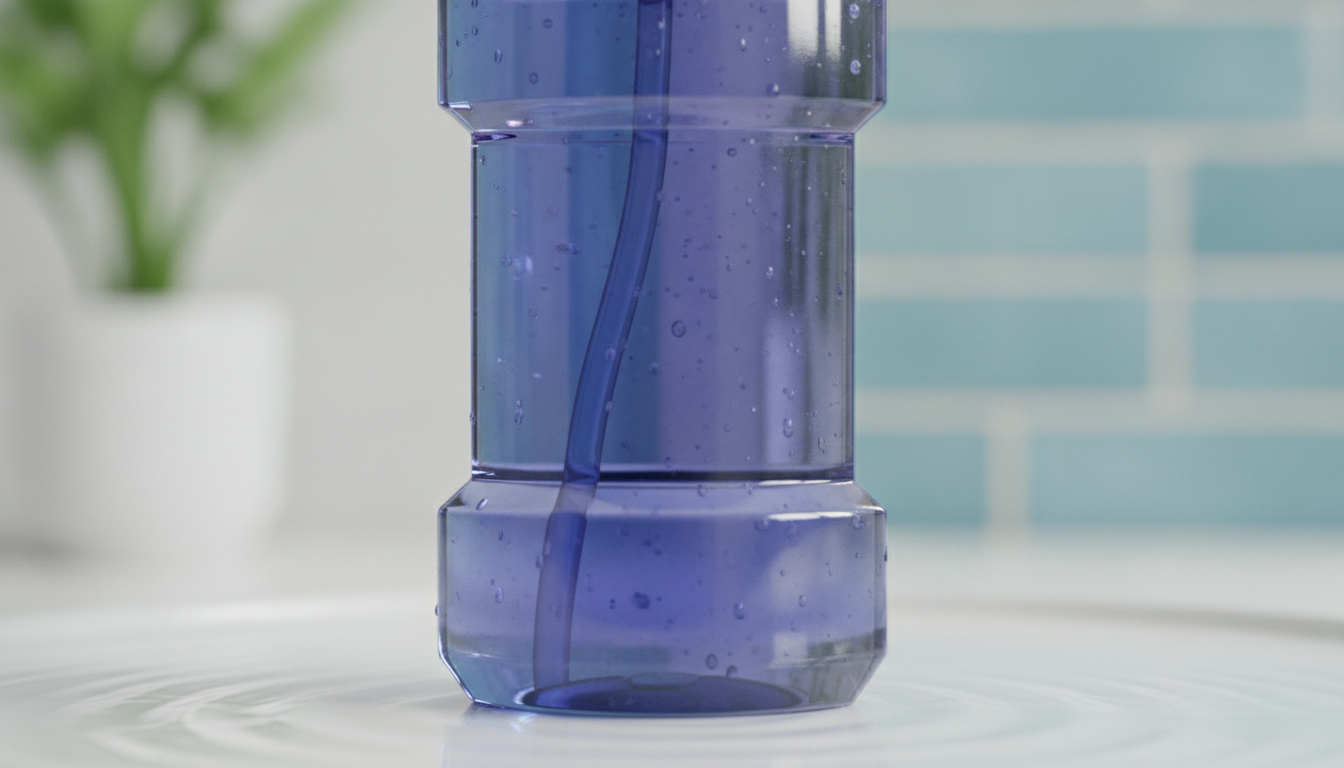
Among the endless rows of oral care products claiming to save your smile, Listerine Gum Therapy Antiseptic Mouthwash stands out as a popular, widely available option. Promoted as a specialized formula designed to clean below the gumline and reverse early signs of gum disease, it promises noticeable results fast.
But does it actually live up to the hype? Can a bottle of mouthwash truly cure swollen tissues and restore your oral health, or is it merely a superficial band-aid for a much deeper problem?
In this comprehensive Gum Therapy Listerine review, we will break down its ingredients, evaluate its clinical effectiveness, analyze real user experiences, and uncover the truth about whether it can eliminate plaque buildup and cure bleeding gums. Furthermore, we will explore why liquid mouthwashes often fall short and reveal a powerful alternative to rebuild your oral tissue from the inside out.
What Is Listerine Gum Therapy?
Listerine Gum Therapy is an over-the-counter antiseptic mouthwash specifically formulated to target the root causes of gum disease. While traditional Listerine focuses primarily on killing general bad breath bacteria, this specialized lineup aims to reduce swollen gums, prevent plaque buildup, and reverse the early symptoms of gingivitis.
Key Features and Claims
- Plaque Reduction: Claims to reduce plaque buildup by up to 3 times more than brushing alone.
- Targeted Delivery: Formulated to reach deep areas along the gumline where toothbrush bristles cannot penetrate.
- ADA Seal of Acceptance: Many formulations within this line carry the American Dental Association seal for fighting plaque and gingivitis.
- Fresh Breath: Delivers an intense mint flavor to neutralize foul odors caused by bacterial off-gassing.
Breakdown of Key Ingredients
To understand whether does Listerine Gum Therapy work, we must look closely at what is inside the bottle. The effectiveness of any oral care product relies heavily on its active and inactive compounds.
+———————————–+—————————————————+
| Ingredient | Primary Function |
+———————————–+—————————————————+
| Eucalyptol (0.092%) | Antibacterial essential oil; destroys bio-film. |
| Menthol (0.042%) | Provides cooling sensation and freshens breath. |
| Methyl Salicylate (0.060%) | Anti-inflammatory agent; reduces tissue swelling. |
| Thymol (0.064%) | Strong antiseptic that breaks down cell walls. |
| Alcohol (approx. 20-21.6%) | Vehicle for essential oils; antibacterial solvent.|
+———————————–+—————————————————+
1. Essential Oils (The Core Active Blend)
Listerine relies on a signature blend of four essential oils: Eucalyptol, Menthol, Methyl Salicylate, and Thymol.
- Thymol and Eucalyptol act as potent antimicrobial agents that penetrate the microscopic lipid layer of plaque bio-film.
- Methyl Salicylate acts as an anti-inflammatory component, helping to dull pain and reduce localized swelling in soft oral tissues.
- Menthol provides the signature cooling feeling while numbing minor tissue irritation.
2. Alcohol Content
Most variants of Listerine Gum Therapy contain roughly 20% to 21.6% alcohol. The alcohol serves two primary purposes: it acts as a solvent to keep the essential oils dissolved in liquid form, and it provides an immediate anti-bacterial rinse. However, high alcohol concentration is a double-edged sword, as it frequently causes severe burning sensations and can dehydrate the delicate mucosal lining of your mouth.
Does Listerine Gum Therapy Work? The Science Explained
When answering the core question—does Listerine Gum Therapy work?—the short answer is yes, but with major limitations.
How It Fights Plaque and Gingivitis
When you swirl Listerine Gum Therapy around your mouth for the recommended 30 seconds, the essential oils actively penetrate the plaque bio-film clinging to your enamel and gum borders. Clinical studies show that essential oil rinses can effectively kill bacteria on contact, reducing surface-level plaque buildup and helping to calm mild cases of gingivitis.
If your issues are strictly limited to light surface plaque and mild morning breath, incorporating this rinse into your daily oral hygiene routine will likely yield visible improvements in tissue color and breath freshness within 2 to 3 weeks.
The Major Limitations of Mouthwash Alone
Despite its benefits, relying solely on Listerine Gum Therapy to solve persistent gum disease presents several significant problems:
1. It Cannot Reach Deep Periodontal Pockets
When bleeding gums progress into advanced stages, deep gaps known as periodontal pockets form between the teeth and the tissue. Liquid mouthwash can only penetrate approximately 1 to 2 millimeters into these pockets. The anaerobic bacteria hiding deep near the root surfaces remain untouched, continuing to destroy tissue and bone underneath.
2. It Disrupts the Oral Microbiome
High-alcohol mouthwashes do not differentiate between harmful pathogens and beneficial bacteria. By nuking the entire bacterial ecosystem of your mouth, you destroy the protective beneficial flora needed to maintain long-term balance. This often leads to rebound infections, chronic dry mouth, and worse breath over time.
3. It Treats the Symptoms, Not the Root Cause
Severe gum degradation is rarely just a topical issue. It is deeply connected to nutrient deficiencies, chronic systemic inflammation, immune system health, and salivary quality. Sloshing a harsh chemical liquid around your mouth will not provide the essential nutrients required for your body to rebuild damaged soft tissue.
Key Takeaway: While Listerine Gum Therapy is effective at killing surface bacteria, it acts as a temporary topical shield rather than a permanent cure. To truly stop bleeding and rebuild weak tissue, you must nourish your mouth from within using an advanced nutrient formula. For a complete solution that targets the root cause of gum destruction, try this advanced natural solution for teeth and gingivitis care.
Pros and Cons of Listerine Gum Therapy
Before adding this mouthwash to your daily regimen, weigh these pros and cons carefully:
The Pros:
- Clinically Proven Surface Action: Essential oils are scientifically validated to kill bio-film bacteria.
- Accessibility: Available at almost every pharmacy and supermarket worldwide.
- Fast-Acting Freshness: Instantly masks foul odors caused by oral decay.
- Helps Prevent New Plaque: Rinsing helps sweep away loose food debris before it calcifies into tartar.
The Cons:
- Intense Burning Sensation: The high alcohol content can be excruciating for sensitive, inflamed gums.
- Causes Oral Dryness: Alcohol dehydrates the mouth, lowering natural saliva production (saliva is your body’s primary defense against decay).
- Does Not Repair Damaged Tissue: Cannot rebuild receded margins or restore lost bone structure.
- Chemical Staining Risk: Some anti-gingivitis rinses can leave minor surface stains on enamel over long periods.
Real User Experiences: What Are Customers Saying?
User feedback for Listerine Gum Therapy is mixed, reflecting the contrast between superficial relief and deep healing.
Positive Reviews
Users dealing with early-stage swollen gums often report positive initial outcomes:
- “My gums used to bleed every time I flossed. After using Listerine Gum Therapy for ten days, the bleeding noticeably decreased.”
- “I love the clean feeling it leaves behind. It feels like I just left the dental hygienist’s chair.”
Negative Reviews
On the flip side, long-term sufferers and those with sensitive tissue express frustration:
- “It burns so badly it makes my eyes water. It made my mouth so dry that my breath actually smelled worse a few hours later.”
- “It helped a little bit with the bleeding at first, but my gum recession kept getting worse. My dentist told me mouthwash wasn’t enough.”
Why Topical Rinses Are Not Enough to Fix Gum Disease
To understand why a simple rinse like Listerine Gum Therapy isn’t a silver bullet, you must understand how your oral tissue works.
Your gums are complex living structures made of collagen, blood vessels, and mucosal tissues anchored securely to your jawbone. When harmful bacteria invade, your body triggers an inflammatory response. White blood cells flood the area, causing the swelling, redness, and micro-bleeding you see in the sink.
[ Surface Plaque & Bacteria ]
│
▼
[ Inflammatory Response ] ──> (Causes Bleeding & Swelling)
│
▼
[ Tissue Degradation ] ──> (Pockets Form & Gums Recede)
│
▼
[ Standard Mouthwash ] ──> Only cleans top layer (1-2mm)
│
▼
[ Internal Nutrients ] ──> Restores collagen, balances microbiome,
and stops inflammation from WITHIN.
When you use a mouthwash, you are applying a topical disinfectant to an internal inflammatory problem. While it cleans the top layer, it does nothing to:
- Rebuild degraded collagen fiber networks.
- Strengthen teeth enamel from the inside out.
- Remineralize surrounding bone tissue.
- Balance the oral microbiome naturally.
If you are serious about reversing deep-seated periodontal disease and stopping bleeding gums permanently, topical washing is only 20% of the equation. The remaining 80% requires internal support.
By combining proper mechanical cleaning (brushing and flossing) with a powerful natural oral supplement, you feed your body the exact vitamins, minerals, and probiotics required to seal loose tissue around your teeth and eradicate harmful micro-organisms. If you want to stop relying on burning chemicals and start true tissue recovery, explore this proven oral health supplement designed for total gum recovery.
How to Build the Ultimate Anti-Gingivitis Daily Routine
If you decide to keep Listerine Gum Therapy in your bathroom cabinet, it should be part of a comprehensive, multi-step regimen. Here is how to construct a professional-grade daily routine for maximum tooth and tissue protection:
Step 1: Gentle Mechanical Cleaning (Brushing)
Brush your teeth twice daily for at least two minutes using a soft-bristled manual or electric toothbrush. Angle the bristles at 45 degrees toward the line where your teeth meet your tissue. Avoid aggressive scrubbing, as hard pressure strips away delicate enamel and pushes soft tissue further back.
Step 2: Interdental Cleaning (Flossing)
Brushing leaves up to 35% of tooth surfaces untouched. Use string floss, interdental brushes, or a water flosser daily to remove trapped food fragments and clear out bio-film between tight spaces.
Step 3: Targeted Rinsing
If using Listerine Gum Therapy, pour 20 ml into a cup, swish for 30 seconds, and spit out completely. Do not swallow. Avoid eating or drinking water for 30 minutes post-rinse to allow the active ingredients to perform their antibacterial job.
Tip: If the alcohol burn is too severe, opt for an alcohol-free anti-gingivitis version to prevent severe dry mouth.
Step 4: Internal Microbiome and Tissue Support
This is the step most people miss. To permanently eradicate chronic gingivitis treatment struggles, support your body internally. Taking a high-potency oral health supplement every morning feeds beneficial bacteria directly to your saliva, continuously coating your mouth throughout the day and suppressing bad bacteria naturally without harsh chemicals.
To complete your routine and achieve long-term success against bleeding and receding tissue, order this top-rated dental and gum support product today.
Frequently Asked Questions (FAQ)
Can Listerine Gum Therapy reverse severe periodontitis?
No. Listerine Gum Therapy is designed to fight early-stage gingivitis and surface plaque. Deep periodontitis involves structural bone loss and deep pockets under the tissue line, requiring professional scaling, root planing, and comprehensive internal nutritional interventions.
How long does it take for Listerine Gum Therapy to work?
For mild surface issues, most users notice reduced surface redness and fresher breath within 7 to 14 days of consistent twice-daily use.
Is the burning sensation normal?
Yes, the classic burning feeling is caused by the high concentration of alcohol and essential oils (like menthol and thymol). However, severe irritation or peeling oral tissue indicates an allergic reaction or extreme dryness; if this occurs, discontinue use immediately.
Should I rinse with water after using Listerine Gum Therapy?
No. Rinsing with water immediately after spitting out the mouthwash dilutes the active essential oils and significantly lowers its antimicrobial effectiveness. Wait at least 30 minutes before drinking or eating.
The Final Verdict: Is Listerine Gum Therapy Worth It?
When evaluating our main prompt—Gum Therapy Listerine review: does it work?—the ultimate conclusion is nuanced.
Listerine Gum Therapy is an accessible, effective temporary disinfectant. It excels at knocking down surface bacteria, reducing minor tissue redness, and providing immediate breath freshness. If you catch early gingivitis quickly, it can be a useful tool alongside regular brushing and flossing.
However, it is not a miracle cure. It cannot repair severe tissue recession, it cannot reach deep pockets beneath the bone, and its alcohol content can strip away the delicate healthy flora required for long-term oral balance.
If you want true, permanent protection from gum disease, stop relying exclusively on surface-level chemical rinses. Combine good oral hygiene habits with a natural internal supplement that rebuilds your teeth, strengthens your tissue, and balances your oral microbiome from within. Your teeth deserve a foundation that lasts a lifetime!