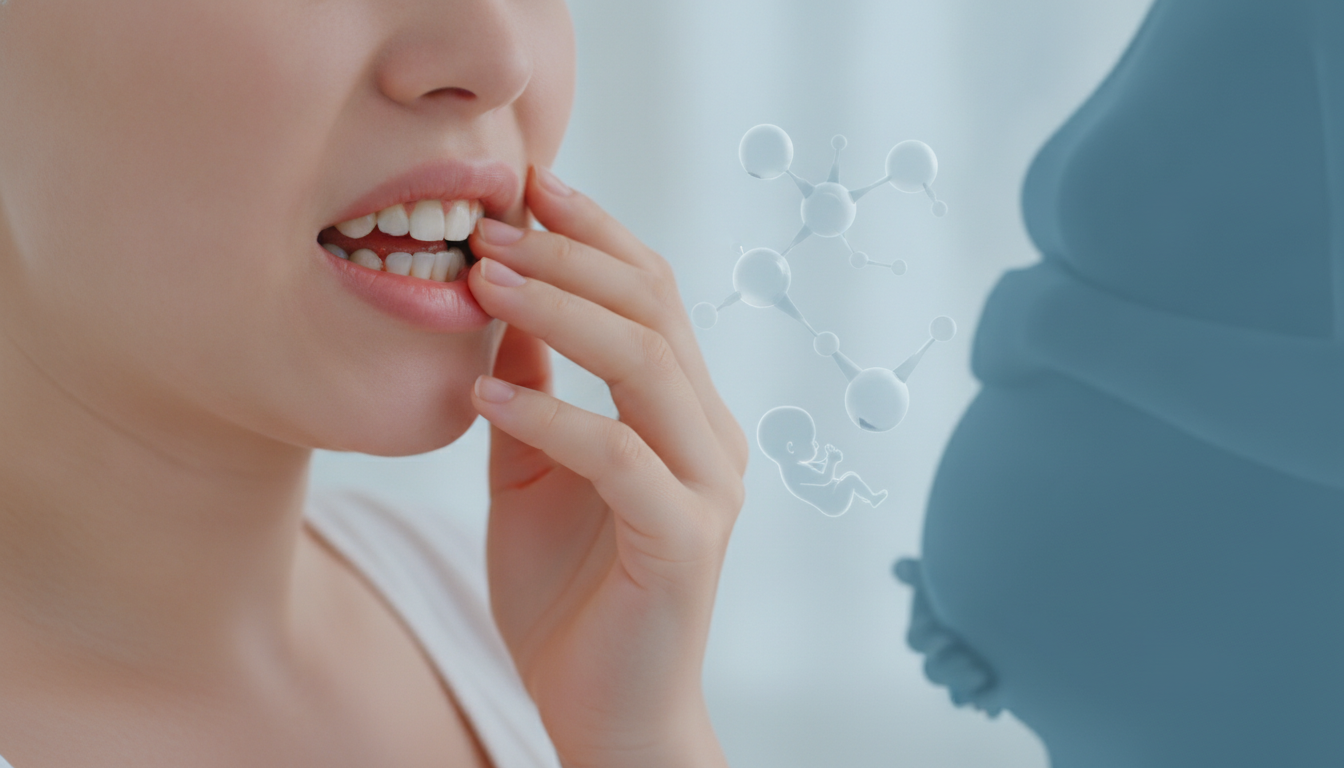
Pregnancy is a transformative journey filled with remarkable physical changes, heightened anticipation, and a renewed focus on personal wellness. While most expectant mothers are fully prepared for morning sickness, fluctuating energy levels, and changing dietary cravings, few expect their dental health to undergo drastic modifications. Yet, pregnancy gingivitis—a specialized form of periodontal inflammation—affects up to 75% of pregnant women at some point during their gestation.
Maintaining excellent oral health during pregnancy is about far more than preserving a bright smile. Emerging clinical research demonstrates a direct link between maternal gum health and broader systemic outcomes, including birth weight and gestational duration. Understanding why your gums become particularly sensitive during pregnancy, recognizing early warning signs, and taking proactive preventive measures can ensure a healthy, comfortable pregnancy journey for both mother and baby.
1. Understanding Pregnancy Gingivitis
Gingivitis is an inflammation of the gingiva (the medical term for your gums), caused primarily by the accumulation of bacterial plaque along the gumline. While standard gingivitis can occur in anyone with sub-optimal dental habits, pregnancy gingivitis is a unique, hormone-driven condition that typically emerges during the first trimester, peaks during the second and third trimesters, and resolves after childbirth if managed correctly.
During pregnancy, your body undergoes massive endocrine shifts. These elevated hormone levels do not directly create plaque, but they significantly alter how your body’s immune system responds to existing oral bacteria. As a result, even minute amounts of plaque that previously caused no noticeable issues can trigger pronounced inflammation, swelling, and bleeding gums.
Most women notice the onset of pregnancy gingivitis around the second month of pregnancy. The condition tends to reach its peak intensity around month eight, before steadily subsiding following delivery as hormone levels return to their baseline. However, ignoring these early warning signs can lead to long-term dental complications that persist long after baby arrives.
2. Primary Causes of Gingivitis During Pregnancy
To effectively manage and prevent pregnancy-induced gum disease, it is helpful to look closely at the biological mechanisms driving this reaction.
Hormonal Fluctuations: Progesterone and Estrogen
The primary catalysts for pregnancy gingivitis are surges in progesterone and estrogen.
- Progesterone increases the permeability of small blood vessels (capillaries) within the gum tissues. This increased vascularity allows fluids and immune cells to leak into local tissues, making the gums appear red, swollen, and prone to bleeding upon contact.
- Estrogen affects the cellular structure of the gingival tissue and alters the composition of the microbial ecosystem inside your mouth, allowing certain inflammation-promoting bacteria to thrive.
Elevated Vascular Blood Flow
By the second trimester, a pregnant woman’s blood volume increases by approximately 40% to 50% to support the developing fetus. This systemic surge in circulatory volume exaggerates localized blood flow throughout the body, including the soft tissues of the mouth. The heightened blood flow makes gingival tissues tender, soft, and remarkably susceptible to minor mechanical irritation, such as light toothbrushing or flossing.
Shifts in the Oral Microbiome
The hormonal environment during pregnancy alters the nutrient profile of fluid inside the gingival crevices (crevicular fluid). This change encourages the proliferation of specific anaerobic bacteria species, such as Prevotella intermedia. Higher concentrations of these bacteria make it easier for dental plaque to trigger an aggressive localized inflammatory response.
Morning Sickness and Stomach Acid
Many expectant mothers suffer from morning sickness during the first trimester. Frequent vomiting exposes the oral cavity to harsh stomach acids, which break down tooth enamel and irritate sensitive gum tissue. Additionally, many women find that the taste of standard toothpaste or the act of reaching a toothbrush into the back of the mouth triggers their gag reflex, causing them to shorten or skip their daily dental routine.
Dietary Adjustments and Cravings
Pregnancy often comes with intense cravings for carbohydrates and sugary snacks. Frequent snacking supplies plaque-causing bacteria with a continuous stream of fuel, leading to accelerated acid production and rapid plaque buildup along the margin where your teeth meet your gums.
3. Recognizing the Symptoms of Pregnancy Gingivitis
Recognizing the signs of pregnancy gingivitis early allows you to make necessary updates to your hygiene routine before the inflammation progresses into a severe stage. Key signs include:
- Bleeding Gums: Finding small traces of blood on your toothbrush or floss line, or noticing a metallic taste in your mouth while eating hard foods like apples.
- Swollen, Tender Gums: Gums that appear puffy, dark red, or purplish, rather than their usual healthy, firm, pale pink shade.
- Persistent Bad Breath (Halitosis): Unpleasant odors caused by volatile sulfur compounds produced by multiplying oral bacteria.
- Gingival Sensitivity: Discomfort when consuming hot, cold, or sweet foods and beverages.
- Pregnancy Granulomas (Pregnancy Tumors): Red, localized, berry-like growths that can develop on the gums between teeth. Despite their intimidating name, these growths are entirely non-cancerous, harmless, and typically disappear spontaneously after childbirth.
4. Potential Risks and Complications for Mother and Baby
Leaving pregnancy gingivitis unmanaged presents risks that go well beyond temporary mouth discomfort.
Progression to Periodontitis
If left untreated, simple gingival inflammation can progress into periodontitis, a severe, irreversible form of gum disease. Periodontitis destroys the soft tissue lining and damages the underlying alveolar bone that holds your teeth in place. Over time, this causes teeth to loosen and can ultimately lead to tooth loss.
Impacts on Pregnancy Outcomes
Emerging research points to a clear correlation between severe maternal periodontal disease and negative birth outcomes. Inflammatory molecules (such as prostaglandins and cytokines) produced in infected gum tissues can enter the bloodstream and travel straight to the uterus. High concentrations of these chemicals can mimic the body’s natural labor signals, potentially increasing the risk of:
- Preterm birth (delivery before 37 weeks of gestation)
- Low birth weight (infants born weighing less than 5.5 pounds)
- Preeclampsia (a dangerous high blood pressure condition during pregnancy)
Because of these potential health risks, keeping your oral cavity clean and healthy is a key part of comprehensive prenatal care.
5. Daily Oral Hygiene: Your First Line of Defense
Preventing and reversing early pregnancy gingivitis relies on consistent, careful daily habits. Adjusting your daily routine can help keep plaque levels under control even while your hormones remain high.
Brush with Proper Technique
Brush your teeth at least twice every day using a soft-bristled or electric toothbrush. Angle the bristles at a 45-degree angle toward your gum line, using short, circular strokes. Soft bristles clean effectively without irritating swollen, delicate tissues.
If morning sickness makes brushing difficult, try using a toothbrush with a smaller head (such as a child’s toothbrush) and switch to a mild, non-foaming, unflavored toothpaste.
Daily Interdental Cleaning
Brushing cleans only about 60% of your tooth surfaces; the remaining 40% lies between your teeth, where plaque buildup frequently occurs. Floss at least once per day, or use interdental brushes and water flossers to clear away food particles and bacteria from hard-to-reach spaces.
Post-Vomiting Oral Care Protocol
If you experience morning sickness, do not brush your teeth immediately after vomiting. Brushing straight away scrubs harsh stomach acid directly into your delicate, softened enamel, causing irreversible erosion. Instead:
- Rinse your mouth thoroughly with a solution of warm water and one teaspoon of baking soda (sodium bicarbonate) to quickly neutralize stomach acid.
- Wait 30 minutes for your saliva to re-mineralize your enamel.
- Brush gently with a soft toothbrush.
Targeted Nutritional and Dental Support
Proper daily hygiene works best when paired with targeted oral care products designed to restore and support healthy oral microbiomes. Utilizing advanced options like this advanced dental health support formula can help maintain healthy teeth and gums throughout your pregnancy by targeting bad bacteria while preserving essential tissue nutrients.
6. Dietary Strategies for Optimal Maternal Oral Health
Your diet plays a massive role in regulating inflammation and protecting your teeth against decay. Strategic dietary choices nourish both your developing fetus and your gums:
+——————-+———————————–+—————————————–+
| Nutrient | Biological Role | Food Sources |
+——————-+———————————–+—————————————–+
| Vitamin C | Strengthens capillary walls | Citrus fruits, strawberries, bell |
| | & promotes collagen synthesis | peppers, broccoli |
+——————-+———————————–+—————————————–+
| Calcium & | Protects tooth bone structure | Dairy products, leafy green |
| Vitamin D | and supports alveolar bone density| vegetables, fortified plant milks |
+——————-+———————————–+—————————————–+
| Coenzyme Q10 | Reduces tissue inflammation and | Organ meats, spinach, whole grains, |
| & Antioxidants | supports cellular repair | legumes |
+——————-+———————————–+—————————————–+
| Omega-3 Fatty | Combats systemic and localized | Wild-caught salmon, chia seeds, |
| Acids | inflammatory responses | walnuts, flaxseed |
+——————-+———————————–+—————————————–+
Minimize Simple Sugars
Limit sugary snacks, sticky candies, and carbonated beverages. Sweet foods nourish plaque bacteria, which generate destructive acids for up to 20 minutes after every bite. Choose whole foods like crisp apples, carrots, celery, or almonds, which help stimulate healthy saliva production while cleaning tooth surfaces naturally.
7. Safe Dental Treatments During Pregnancy
A common misconception among expectant mothers is that dental visits during pregnancy are unsafe. In reality, visiting a dentist while pregnant is completely safe and strongly recommended by the American Dental Association (ADA) and the American College of Obstetricians and Gynecologists (ACOG).
Professional Cleaning and Checkups
Routine preventative visits, professional scale-and-clean treatments, and emergency procedures can be performed safely at any point during pregnancy. Professional cleanings clear away calcified plaque (tartar or calculus) that cannot be removed by home brushing alone.
Timing Your Dental Visits
- First Trimester: Excellent time for a general assessment, risk analysis, and professional cleaning.
- Second Trimester: The ideal time for routine procedures, fillings, or deeper cleanings. Morning sickness has usually waned, and sitting in the dental chair is still physically comfortable.
- Third Trimester: While safe, lying on your back for extended periods can compress the inferior vena cava. Dental appointments during this stage should be kept short, and you can place a small pillow under your right hip to relieve pressure.
Safety of Anesthetics and X-Rays
Modern diagnostic dental X-rays use extremely low radiation levels. With abdominal and thyroid shielding, the radiation exposure to the fetus is negligible. Local anesthetics like lidocaine (with or without epinephrine) are safe during pregnancy when administered in appropriate doses by a dental professional.
8. Holistic & Home Care Remedies for Sensitive Gums
Alongside your routine dental care and professional cleans, several safe, home-based remedies can soothe inflamed tissues and manage bacterial growth:
Salt Water Rinses
Dissolve half a teaspoon of fine salt in a cup of warm water. Swish gently around your mouth for 30 seconds before spitting it out. Warm salt water acts as a mild, natural antiseptic that reduces local swelling and soothes sensitive tissues. You can repeat this up to three times a day.
Antimicrobial Mouthwash
Choose an alcohol-free, antibacterial mouthwash to reduce bacterial populations without drying out your oral tissues. Drying agents reduce saliva production, which is essential for neutralizing acids and flushing away stray food debris.
Rebalancing the Oral Ecosystem
Because hormonal changes during pregnancy alter your mouth’s natural ecosystem, bringing your microflora back into balance requires dedicated care. Using a targeted product like this specialized oral wellness solution helps rebuild beneficial bacterial populations, keeping damaging strains in check and providing natural relief from swollen gums.
9. Postpartum Gum Health: What to Expect
Once you give birth, your body begins the process of balancing its hormone levels. Within several weeks postpartum, progesterone and estrogen concentrations drop back to pre-pregnancy baselines, reducing the vascular sensitivity of your gum tissues.
However, resolving pregnancy gingivitis isn’t always instant. If plaque was allowed to accumulate untreated during your pregnancy, residual tissue inflammation and localized bone loss may persist.
To ensure long-term recovery:
- Schedule a comprehensive postpartum dental checkup within 2 to 3 months after delivery.
- Maintain your thorough home cleaning routine, even when sleep schedules become demanding.
- Continue using supportive dental solutions like this proven dental health product to safeguard your teeth and gums as your body recovers.
10. Summary Checklist for Expectant Mothers
To summarize, managing your oral health during pregnancy involves a few simple, steady actions:
- [ ] Brush twice daily using soft bristles and non-abrasive fluoride or hydroxyapatite toothpaste.
- [ ] Floss daily to remove interdental plaque that your brush can’t reach.
- [ ] Neutralize stomach acid with baking soda and warm water after morning sickness; avoid brushing immediately.
- [ ] Eat a nutrient-dense diet packed with Vitamin C, Calcium, and antioxidants, while keeping sugary snacks to a minimum.
- [ ] Keep your routine dental checkup during the second trimester for safe, professional cleaning.
- [ ] Incorporate high-quality dental supplements into your daily routine to keep your oral microbiome balanced.
- [ ] Monitor your gums for severe swelling, bleeding, or pain, and consult your dentist at the first sign of trouble.
Final Thoughts
While pregnancy gingivitis is a common challenge for expectant mothers, it is entirely manageable and reversible when addressed early. By keeping up with consistent dental hygiene, maintaining a balanced diet, keeping your dental appointments, and incorporating targeted oral hygiene solutions, you can protect your teeth and gums throughout your pregnancy journey. Protecting your smile is a simple, effective step toward protecting your overall health and giving your growing baby the best possible start in life.