The journey toward sustainable weight loss often feels like an uphill battle against constant hunger, low energy, and restrictive meal plans. Many people mistakenly believe that eating less means feeling starved all day long. However, modern nutritional science proves that the secret to shedding unwanted body fat doesn’t lie in eating tiny portions of boring food. Instead, the real key to success is leveraging low calorie foods that provide high volume, exceptional nutritional value, and long-lasting fullness.
When your goal is to trigger consistent fat burning without suffering from chronic appetite spikes, understanding the concept of calorie density is essential. Foods low in energy density allow you to eat larger physical volumes while consuming far fewer overall calories. By filling your plate with nutrient-dense options, you can maintain a comfortable caloric deficit—the ultimate requirement for shedding pounds—while supporting your muscle tissue, metabolism, and daily energy levels.
Below is an in-depth guide to the 15 best low calorie foods for weight loss, detailing why they work, how they impact your body, and practical ways to integrate them into your daily diet.
1. Rolled Oats
Oats are widely considered a masterclass in morning nutrition for anyone focusing on healthy fat loss. Containing just around 150 calories per half-cup serving (dry), oats expand dramatically when cooked with water or milk, creating a hearty meal that physically fills your stomach.
The secret power of oats lies in their high content of beta-glucan, a type of soluble fiber that forms a gel-like consistency in the gut. This process significantly slows down digestion, delays gastric emptying, and keeps your blood sugar levels stable throughout the morning. Stable blood sugar means fewer sudden spikes in insulin—the body’s primary fat-storage hormone—allowing you to stay in an optimal state for weight management.
To maximize the benefits, skip pre-packaged, flavored instant oatmeal, which is often loaded with hidden sugars. Stick to rolled or steel-cut oats, and top them with cinnamon or a handful of fresh berries for a flavor boost without unnecessary calories.
2. Plain Greek Yogurt
When it comes to building muscle while shedding body fat, high-protein foods are non-negotiable. Plain, non-fat Greek yogurt delivers approximately 15 to 20 grams of protein per 170-gram serving while keeping the intake to roughly 100 calories.
Protein possesses the highest thermic effect of food (TEF) among all macronutrients, meaning your body burns up to 30% of the calories consumed just by breaking down the protein itself. Furthermore, Greek yogurt is packed with probiotics that nurture your gut microbiome. A balanced gut environment plays a vital role in regulating digestion, lowering systemic inflammation, and supporting your overall metabolism.
Enjoy Greek yogurt as a morning base, a post-workout snack, or as a low-calorie substitute for sour cream and mayonnaise in savory recipes.
3. Fresh Berries (Strawberries, Blueberries, Raspberries)
If you have a sweet tooth that frequently threatens to derail your diet, fresh berries are your best line of defense. Strawberries, for example, contain only about 49 calories per cup, while raspberries and blackberries offer around 60 to 65 calories per cup alongside a massive dose of dietary fiber.
Berries rank extraordinarily high on the satiety index due to their combination of water and fiber. They are also loaded with antioxidants—specifically anthocyanins—which help combat oxidative stress caused by intense physical exercise or metabolic strain.
Because they contain very low amounts of natural sugar compared to tropical fruits like bananas or mangos, berries will not trigger sharp glucose spikes. Stir them into yogurt, mix them into oatmeal, or eat them chilled for a refreshing, low-calorie snack.
4. Whole Eggs
For decades, whole eggs were mistakenly vilified due to their dietary cholesterol content. Today, nutritional researchers recognize whole eggs as one of the most complete, nutrient-dense foods on the planet. One large egg contains about 70 calories, 6 grams of high-quality protein, and an array of essential vitamins like B12, choline, and vitamin A.
Eating eggs for breakfast has been proven in numerous studies to increase feelings of fullness and reduce overall calorie intake throughout the rest of the day. The combination of protein and healthy fats in the yolk triggers the release of satiety hormones like PYY and GLP-1.
Whether scrambled, poached, or hard-boiled, eggs serve as a foundational element of a successful low-calorie diet.
5. Chia Seeds
Though tiny, chia seeds are a powerhouse of nutritional density. One ounce (about two tablespoons) contains roughly 137 calories, but what makes them truly incredible for appetite control is their fiber profile. Packed with 10 grams of dietary fiber per ounce, chia seeds act like tiny sponges in your digestive system.
When exposed to liquids, chia seeds can absorb up to 10 to 12 times their weight in water, transforming into a gel-like substance that expands in your stomach. This expansion physically signals to your brain that you are full, drastically reducing the likelihood of overeating later in the day.
Additionally, they are packed with plant-based omega-3 fatty acids, which promote cellular health and reduce inflammation. You can create a simple low-calorie pudding by soaking chia seeds in unsweetened almond milk overnight.
While filling your plate with volume-rich foods helps manage your daily energy intake, some individuals hit stubborn plateaus where metabolic rate slows down naturally. To overcome these plateaus and speed up your transformations, pairing a healthy diet with this advanced weight management formula can help reignite your body’s natural fat-burning mechanisms.
6. White Fish (Cod, Haddock, Flounder)
If you want to maximize your protein intake while keeping your total calories as low as humanly possible, white fish is an unbeatable option. Cod, for instance, provides roughly 15 to 20 grams of protein per 100-gram portion while clocking in at under 80 calories.
White fish is naturally extremely lean, containing virtually zero carbohydrates and almost no fat. The high-quality protein in fish contains all essential amino acids necessary for maintaining lean muscle tissue while operating in a caloric deficit. Keeping your lean muscle mass intact is critical because muscle tissue naturally burns more energy at rest than fat tissue, thereby maintaining a higher baseline metabolism.
Bake, grill, or air-fry white fish with garlic, lemon juice, and fresh herbs for a delicious, light meal that leaves plenty of room in your daily calorie budget.
7. Watermelon
Watermelon is the ultimate example of volume eating. Containing over 90% water, a massive two-cup serving of cubed watermelon carries only about 80 calories.
When you consume foods with a high water content, the sheer volume stretches the stomach walls, sending neurological signals to the brain that promote immediate fullness. Watermelon also provides a healthy dose of lycopene, a powerful antioxidant associated with cardiovascular health, as well as L-citrulline, an amino acid that may help reduce muscle soreness after workouts.
Eating chilled watermelon on warm days allows you to satisfy sweet cravings while effortlessly maintaining your target weight loss goals.
8. Broccoli and Cruciferous Vegetables
Cruciferous vegetables—including broccoli, cauliflower, Brussels sprouts, and cabbage—are essential staples for anyone seeking long-term visceral fat reduction. A full cup of chopped broccoli contains less than 35 calories, yet provides over 100% of your daily recommended intake of Vitamin C, along with abundant fiber and sulfur compounds like glucosinolates.
The complex cellular structure of raw or lightly steamed broccoli requires significant chewing and effort to digest, which naturally slows down the speed of your meal. Slowing down your eating rate gives your brain time to register fullness signals.
Moreover, the bulk provided by cruciferous veggies adds substantial mass to your meals without adding meaningful calories, making them perfect for filling half of your dinner plate.
9. Broth-Based Soups
Starting a lunch or dinner with a light, broth-based vegetable soup is a time-tested strategy for curbing overall meal intake. Research shows that consuming a warm liquid dish before a main course can reduce total calorie intake during that meal by up to 20%.
The combination of warm liquid and low-calorie vegetables increases gastric volume without contributing substantial energy. However, it is crucial to avoid cream-based soups (such as chowders or bisques), which are heavily laden with saturated fats and dense calorie profiles. Stick to clear chicken, beef, or bone broths filled with celery, carrots, spinach, and lean meats to keep your low-calorie diet on track.
10. Cottage Cheese
Cottage cheese has made a massive comeback in the fitness community, and for good reason. A half-cup serving of low-fat cottage cheese contains roughly 80 to 90 calories while delivering an impressive 12 to 14 grams of slow-digesting casein protein.
Casein protein breaks down gradually in the gastrointestinal tract, providing a steady, continuous release of amino acids into the bloodstream over several hours. This makes cottage cheese an exceptional late-night snack that prevents night-time hunger pangs and prevents muscle breakdown while you sleep.
It is incredibly versatile; you can enjoy it savory with black pepper and sliced cucumbers, or sweet with a few sliced strawberries.
11. Boiled Potatoes
Despite the common misconception that potatoes cause weight gain due to their carbohydrate content, plain boiled potatoes actually top the official satiety index of common foods. In scientific testing, boiled white potatoes scored higher in fullness satisfaction than any other food tested—including steak, fish, and eggs.
One medium-sized boiled potato contains around 110 to 130 calories. Potatoes contain resistant starch, a unique type of fiber that escapes digestion in the small intestine and ferments in the large intestine, feeding your beneficial gut bacteria and promoting the release of satiety hormones.
To maximize satiety, allow your boiled potatoes to cool down before eating them, as cooling significantly increases their resistant starch content. Just be careful to avoid heavy toppings like butter, full-fat sour cream, or bacon bits.
12. Lean Chicken Breast
Skinless, boneless chicken breast remains the undisputed gold standard for low-calorie, high-protein eating. A 100-gram serving of cooked chicken breast offers roughly 31 grams of pure protein for a mere 165 calories.
Integrating lean poultry into your daily routine helps preserve metabolic health during prolonged dieting periods. When you lower your calories, your body runs the risk of breaking down muscle tissue for energy. Maintaining a high protein intake via sources like chicken breast prevents this tissue loss, ensuring that the weight you drop comes directly from stored body fat rather than lean muscle.
Pair seasoned grilled chicken breast with a massive side of steamed broccoli and cauliflower for a massive meal that stays well under 400 total calories.
Even with meticulous meal planning focused on lean proteins and high-fiber foods, stubborn fat stores—especially around the midsection—can be stubborn. If you are struggling with low energy levels or slow results during your journey, adding this natural fat loss solution to your morning routine can optimize your natural fat oxidation pathways.
13. Apples
“An apple a day” might truly keep extra pounds at bay. A medium apple contains roughly 95 calories and offers 4.5 grams of valuable fiber, particularly a soluble fiber known as pectin.
Pectin expands in the stomach and interacts with water to form a gel that slows carbohydrate absorption, resulting in stable blood sugar curves. Furthermore, the physical act of crunching through a whole apple takes time, forcing you to consume the food mindfully.
Studies show that eating a whole apple prior to a meal leads to significantly lower calorie consumption overall compared to drinking apple juice or eating applesauce, emphasizing the critical importance of whole-food structures in appetite control.
14. Air-Popped Popcorn
When movie nights roll around, traditional snacks like potato chips can destroy your daily macro goals within minutes. Air-popped popcorn, however, is a whole grain that offers incredible volume for minimal calories.
Three full cups of air-popped popcorn contain only about 90 to 100 calories while offering nearly 4 grams of dietary fiber. Because popcorn is filled with air and volume, it satisfies the psychological need to crunch on snacks without overloading your body with processed fats and simple sugars.
To keep it healthy, avoid movie theater butter mixtures. Use a light spray of olive oil and season your popcorn with sea salt, smoked paprika, or nutritional yeast for a cheesy flavor profile.
15. Lentils and Legumes
Lentils, black beans, and chickpeas are powerhouses of plant-based nutrition. A half-cup serving of cooked lentils yields about 115 calories, 9 grams of protein, and nearly 8 grams of digestive fiber.
This exceptional combination of complex carbohydrates, protein, and fiber creates a “second-meal effect.” This physiological phenomenon occurs when the slow-digesting nature of a food keeps blood sugar levels stable long after the meal is over, suppressing your appetite even during your next meal hours later.
Adding lentils to soups, salads, or substituting them for beef in taco recipes is a simple way to elevate fiber intake and drive long-term fat burning.
How to Build a Low-Calorie Meal Plan for Success
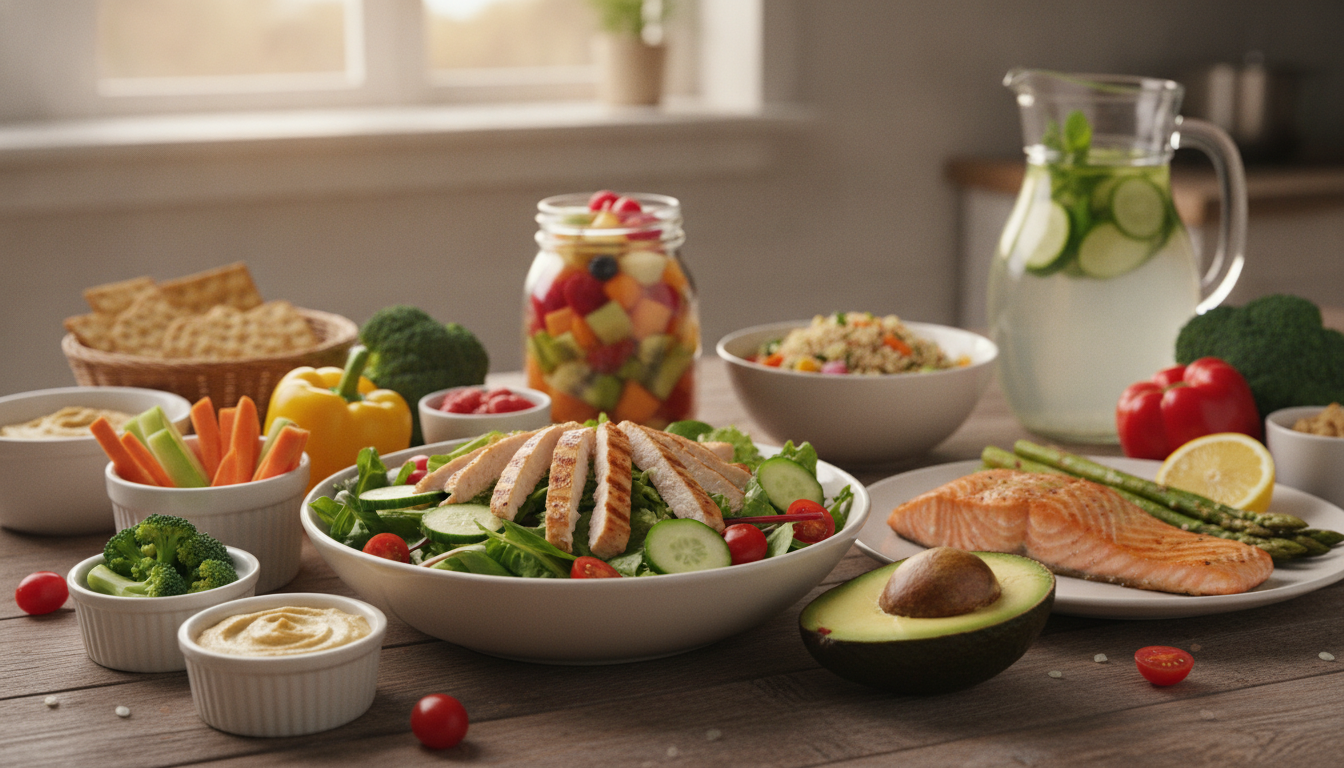
To get the absolute best results from these low calorie foods, you should combine them strategically using a concept known as “plate building.”
- Fill 50% of your plate with high-volume veggies: Focus on broccoli, greens, cabbage, or cucumbers. This provides immediate volume, micronutrients, and hydration.
- Fill 25% of your plate with lean protein: Choose chicken breast, white fish, eggs, or Greek yogurt to maximize protein synthesis and trigger satiety hormones.
- Fill 25% of your plate with complex carbs or starches: Opt for boiled potatoes, lentils, or oats to keep your physical energy high and sustain your physical workouts.
- Use healthy fats sparingly: Fats are crucial for hormone balance, but because they are calorie-dense (9 calories per gram), measure your oils, nuts, and seeds carefully.
Final Thoughts on Sustainable Fat Loss
Achieving a lean, healthy body does not require strict starvation diets or eliminating entire food groups. By prioritizing nutrient-dense foods high in water, fiber, and protein, you can work with your body’s biology rather than against it.
Eating high-volume, low-calorie options keeps your stomach satisfied, stabilizes your blood sugar, and keeps your metabolic machinery running smoothly. To accelerate your transformation even further and ensure your energy stays high throughout the day, consider integrating this optimized weight loss supplement alongside your healthy diet to maximize your results and reach your fitness goals faster.
Focus on consistency over perfection, make smart food choices daily, and enjoy the process of nourishing your body toward better health.