A bright, vibrant smile is often considered one of the first things people notice about you. Beyond aesthetics, your mouth is a gateway to your overall health. However, millions of adults worldwide unknowingly struggle with early-stage gum disease, commercially known as gingivitis.
When people experience symptoms like red gums, swollen gums, or bleeding gums while brushing, a common and pressing question arises: Is gingivitis contagious? Can you catch it from a partner, a kiss, or by sharing a drink?
In this comprehensive guide, we will unpack the science behind oral hygiene, detail how oral bacteria travel between human beings, dispel common dental myths, and provide you with actionable steps to protect your smile and maintain optimal dental health.
What Exactly Is Gingivitis?
To understand whether gingivitis is contagious, we must first define what it actually is.
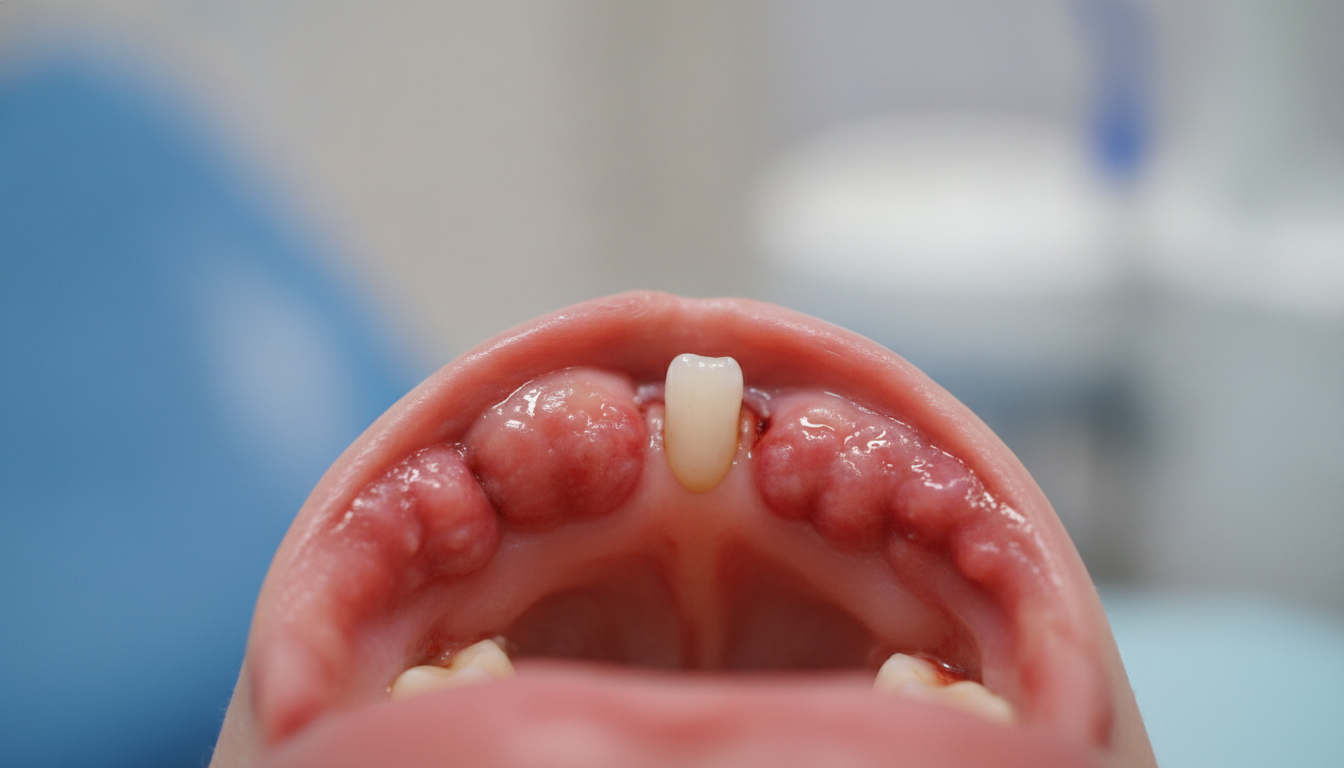
Gingivitis is a mild and early form of periodontal disease (gum disease) that causes irritation, redness, and swelling (inflammation) of your gingiva—the part of your gum around the base of your teeth. It is crucial to address this condition early because, if left untreated, it can escalate into a much more severe infection known as periodontitis, which can lead to tooth loss and permanent tissue damage.
The Mechanics of Gum Inflammation
Your mouth is naturally home to hundreds of different micro-organisms. When you consume food and beverages, microscopic particles remain on and between your teeth. Oral bacteria feed on these sugars and starches, producing a sticky, colorless film known as dental plaque.
If dental plaque is not regularly removed through brushing and flossing, it hardens underneath your gum line into tartar build-up (calculus). Once tartar forms, simple brushing will not remove it; only a professional dental care specialist can remove tartar. The longer plaque and tartar remain on your teeth, the more they irritate the gingiva, triggering an immune response that results in inflammation of the gums.
Common Symptoms of Gingivitis
Many people live with mild gingivitis without even knowing it because it often causes little to no pain in its initial stages. Key signs to watch out for include:
- Bleeding gums during brushing or flossing
- Puffy, soft, or swollen gums
- Dusky red or dark red gums (healthy gums should be firm and pale pink)
- Receding gums (teeth appearing longer)
- Persistent bad breath (halitosis)
- Tender gums that bleed easily when touched
Is Gingivitis Contagious? The Scientific Truth
Now, let’s address the core question directly: Is gingivitis contagious?
The short, scientific answer is: Technically, no, but the bacteria that cause it are.
Gingivitis itself is not an infectious disease like a cold, the flu, or COVID-19. You cannot “catch” gingivitis simply by standing near someone who has it or breathing the same air. Gingivitis is an inflammatory reaction produced by your body’s own immune system in response to an accumulation of bacterial plaque.
However, the specific strains of harmful bacteria responsible for triggering that plaque—such as Porphyromonas gingivalis, Streptococcus mutans, and Tannerella forsythia—can absolutely be transmitted from person to person through saliva.
How Bacteria Move From Person to Person
Because these bacteria live inside human saliva, any activity that involves exchanging saliva creates an opportunity for microbial transmission. Here are the primary ways these oral bacteria are passed between individuals:
- Kissing: Deep or open-mouth kissing is the most direct pathway for swapping salivary bacteria. If one partner has a high concentration of pathogenic oral bacteria, those microbes can easily migrate into the other person’s oral cavity.
- Sharing Utensils and Cups: Using the same fork, spoon, straw, or drinking glass allows saliva—and the bacteria contained within it—to be transferred.
- Sharing Oral Care Products: Sharing a toothbrush is one of the fastest ways to transfer bad bacteria, micro-droplets of blood, and pathogens directly onto another person’s gums.
- Parent-to-Child Transmission: Parents often unwittingly transfer bacteria to their infants by cleaning a pacifier with their own mouth, tasting baby food with the same spoon, or kissing babies on the lips. Infants are born without the specific bacteria that cause tooth decay and gum disease; they acquire them through contact with caregivers.
Why Bacterial Exchange Doesn’t Always Lead to Gingivitis
Just because you are exposed to someone else’s oral bacteria does not guarantee that you will automatically develop gingivitis.
Your mouth is a dynamic biological ecosystem. Whether transferred bacteria successfully colonize your mouth and cause gum inflammation depends on several crucial factors:
1. The Strength of Your Immune System
A healthy, robust immune system can keep bacterial populations in check, neutralizing foreign microbes before they establish large colonies on your teeth and gums.
2. Your Daily Oral Hygiene Habits
If you consistently brush twice a day, floss daily, and use effective mouth rinses, you disrupt dental plaque before it can settle. Even if you ingest harmful bacteria, a rigorous dental hygiene routine prevents those microbes from multiplying and producing the toxins that inflame the gums.
3. Your Salivary Flow
Saliva acts as a natural defense mechanism. It contains enzymes, antibodies, and minerals that neutralize acids produced by bacteria and physically wash away lingering food particles. People suffering from dry mouth (xerostomia) are at a significantly higher risk of developing gum disease because they lack this protective wash.
To actively defend your oral ecosystem against hostile bacterial strains, maintaining a strong microbial balance is vital. Incorporating an advanced natural oral health formula into your daily routine can help replenish beneficial bacteria, strengthen fragile gum tissue, and inhibit the growth of plaque-causing microbes.
Major Risk Factors: What Increases Your Vulnerability?
While oral bacteria are easily shared, certain lifestyle choices, physiological factors, and underlying conditions dramatically increase your risk of developing severe gingivitis.
Understanding these risk factors will allow you to take proactive measures to protect your oral health:
Poor Oral Hygiene
Neglecting to brush and floss regularly is the single biggest cause of gingivitis. Without daily cleaning, plaque accumulates rapidly, hardening into tartar within 24 to 72 hours.
Tobacco Use and Smoking
Tobacco users are significantly more likely to contract severe gum disease than non-smokers. Smoking weakens the immune system’s ability to fight off gum infections, limits blood flow to the gums (which can mask early symptoms like bleeding gums), and slows down tissue healing.
Hormonal Fluctuations
Hormonal shifts increase the sensitivity of the gums to bacterial plaque. Women are particularly susceptible during specific life stages:
- Puberty: Increased blood flow to the gums can make them red and tender.
- Pregnancy: “Pregnancy gingivitis” affects many expecting mothers due to surging progesterone levels.
- Menopause: Hormonal imbalances can lead to dry mouth and altered gum tissue integrity.
Nutritional Deficiencies
A diet high in refined sugars and acidic foods feeds bad oral bacteria, accelerating plaque formation. Furthermore, a lack of essential vitamins—especially Vitamin C (vital for tissue repair) and Vitamin D (critical for bone health)—can weaken your body’s ability to protect against gum infections.
Chronic Medical Conditions
Conditions like Diabetes, HIV/AIDS, Leukemia, and autoimmune disorders impair your immune system, making it much harder for your body to manage microbial threats in the mouth. Diabetics, in particular, face a two-way relationship: uncontrolled diabetes worsens gum disease, and active gum inflammation makes blood sugar harder to control.
Chronic Stress
High stress levels cause your body to overproduce cortisol, a hormone that suppresses immune function and increases systemic inflammation, leaving your gums vulnerable to attack.
How to Prevent Gingivitis (and Stop Passing Bacteria)
Preventing gingivitis requires a dual strategy: reducing the transmission of harmful oral bacteria and maintaining an environment in your mouth where good bacteria thrive while bad bacteria cannot take hold.
Here is an actionable, step-by-step prevention guide:
+—————————————————————–+
| DAILY GUM HEALTH CHECKLIST |
+—————————————————————–+
| [ ] Brush twice daily for 2 full minutes (soft bristles) |
| [ ] Floss or use interdental brushes at least once per day |
| [ ] Clean your tongue using a scraper or dedicated brush |
| [ ] Avoid sharing cups, utensils, and oral items with others |
| [ ] Stay hydrated to encourage healthy saliva production |
| [ ] Support your oral microbiome with targeted nutrients |
+—————————————————————–+
1. Master the Correct Brushing Technique
Brushing your teeth twice a day is essential, but technique matters just as much as frequency.
- Use a soft-bristled toothbrush to avoid eroding tooth enamel or injuring delicate gum tissue.
- Hold the brush at a 45-degree angle relative to your gums.
- Use short, gentle, circular strokes rather than harsh back-and-forth scrubbing.
- Brush for a full two minutes, making sure to clean the outer, inner, and chewing surfaces of every tooth.
2. Make Flossing Non-Negotiable
Brushing alone leaves roughly 35% of your tooth surfaces uncleaned. Flossing once a day reaches the tight spaces between teeth and beneath the gumline where toothbrush bristles cannot reach. This removes trapped food particles and fresh plaque before it transforms into stubborn tartar build-up.
3. Clean Your Tongue
The surface of your tongue is covered in tiny bumps (papillae) that can trap millions of oral bacteria. Using a tongue scraper or gently brushing your tongue from back to front drastically cuts down on bacterial load and freshens persistent bad breath.
4. Practice Smart Saliva Hygiene
To protect your loved ones from bad bacteria:
- Never share toothbrushes.
- Avoid sharing water bottles, utensils, or vape devices.
- Avoid blowing directly onto an infant’s food to cool it down.
- If you or your partner are actively suffering from bleeding gums or noticeable infections, hold off on deep kissing until the condition is treated.
5. Upgrade Your Daily Defense
Even with regular brushing, modern diets often lack the precise micronutrients required to keep bad bacteria under control. Using a specialized dental wellness solution provides your body with essential nutrients, antioxidants, and probiotic strains designed specifically to defend against persistent plaque and promote firm, healthy gum margins.
The Danger of Ignoring Gingivitis: Periodontitis
A dangerous mistake many people make is assuming that because gingivitis isn’t immediately painful, it isn’t dangerous. Leaving gingivitis unmanaged allows the inflammatory process to spread deeper into your oral structures.
When gingivitis progresses into periodontitis, the inner layer of the gum and bone pull away from the teeth, forming “pockets.” These small spaces collect debris and become infected. As the bacterial infection spreads below the gumline, your immune system fights back, but the combination of bacterial toxins and your body’s defensive response starts breaking down the bone and connective tissue that hold your teeth in place.
PROGRESSION OF GUM DISEASE+——————+ +——————+ +——————+
| Healthy Gums | —> | Gingivitis | —> | Periodontitis |
| – Firm & Pink | | – Red/Swollen | | – Receding Gums |
| – No Bleeding | | – Bleeding Gums | | – Pocket Formation|
| – Bone Intact | | – Reversible | | – Bone Loss |
+——————+ +——————+ +——————+
Systemic Health Consequences
Modern medical research has established a strong link between advanced periodontal disease and serious systemic health conditions across the body:
- Heart Disease & Stroke: Bacteria from inflamed gums can enter the bloodstream, contributing to the formation of arterial plaques and increasing the risk of cardiovascular events.
- Diabetes Complications: Severe gum inflammation impairs the body’s ability to utilize insulin, making blood sugar levels volatile.
- Respiratory Infections: Inhaling microscopic droplets of bacteria from infected gums into the lungs can cause respiratory conditions like pneumonia, particularly in older adults.
- Pregnancy Complications: Untreated periodontitis in pregnant women has been linked to preeclampsia, premature birth, and low birth weight.
Can You Reverse Gingivitis?
The good news is that gingivitis is completely reversible. Unlike periodontitis, which causes permanent structural damage to the jawbone, gingivitis affects only the soft tissue.
If caught early, you can completely heal your gums and restore your smile by taking decisive action:
- Schedule a Professional Cleaning: Visit your dentist for a comprehensive evaluation and professional scaling. This process removes hardened tartar build-up that your toothbrush cannot budge.
- Eliminate Systemic Aggravators: Quit smoking, reduce your refined sugar intake, and manage stress levels to give your immune system a fighting chance.
- Target the Root Cause Internally: Systemic oral care goes beyond superficial rinsing. Nourishing your gums from the inside out helps eliminate deep-seated bacterial reservoirs. Utilizing a proven oral health supplement offers targeted support to neutralize acidic environments, soothe inflamed tissues, and maintain long-term gum resilience.
Frequently Asked Questions (FAQs)
Can I catch gingivitis from kissing my partner?
You cannot directly catch the condition itself, but you can receive the harmful bacteria that cause it. If your partner has poor oral hygiene or active gum disease, those microbes can enter your mouth. If your own oral care habits are weak, those new bacteria can trigger gingivitis in your mouth.
How long does it take to cure gingivitis?
With consistent, immaculate oral hygiene—including daily brushing, flossing, and proper nutrition— early-stage gingivitis can usually be reversed within 10 to 14 days.
Why do my gums bleed only when I floss?
Bleeding gums during flossing are a clear red flag for active gum inflammation. It means plaque has accumulated along the gumline, causing irritation and localized infection. Do not stop flossing; as you consistently clean those areas, the infection will clear, and the bleeding will stop within a few days.
Can mouthwash cure gingivitis?
Antiseptic mouthwashes can temporarily reduce bacterial counts on the surface of your mouth, but they cannot eliminate thick dental plaque or hardened tartar. Mouthwash should be viewed as a secondary supplement to physical brushing, flossing, and targeted nutritional support—not a standalone cure.
Final Thoughts on Gum Health and Prevention
So, is gingivitis contagious? While you won’t catch it through casual contact, the oral bacteria behind it are easily passed through saliva.
The state of your gums ultimately depends on your daily habits and the health of your internal oral ecosystem. You can easily protect yourself and your loved ones from chronic gum disease by keeping up with a strict dental hygiene routine, eating nutrient-rich foods, visiting your dentist regularly, and supplying your body with the natural ingredients it needs to maintain a healthy microbial balance.
Take charge of your oral health today—because a healthy, confident smile starts with strong, well-protected gums!