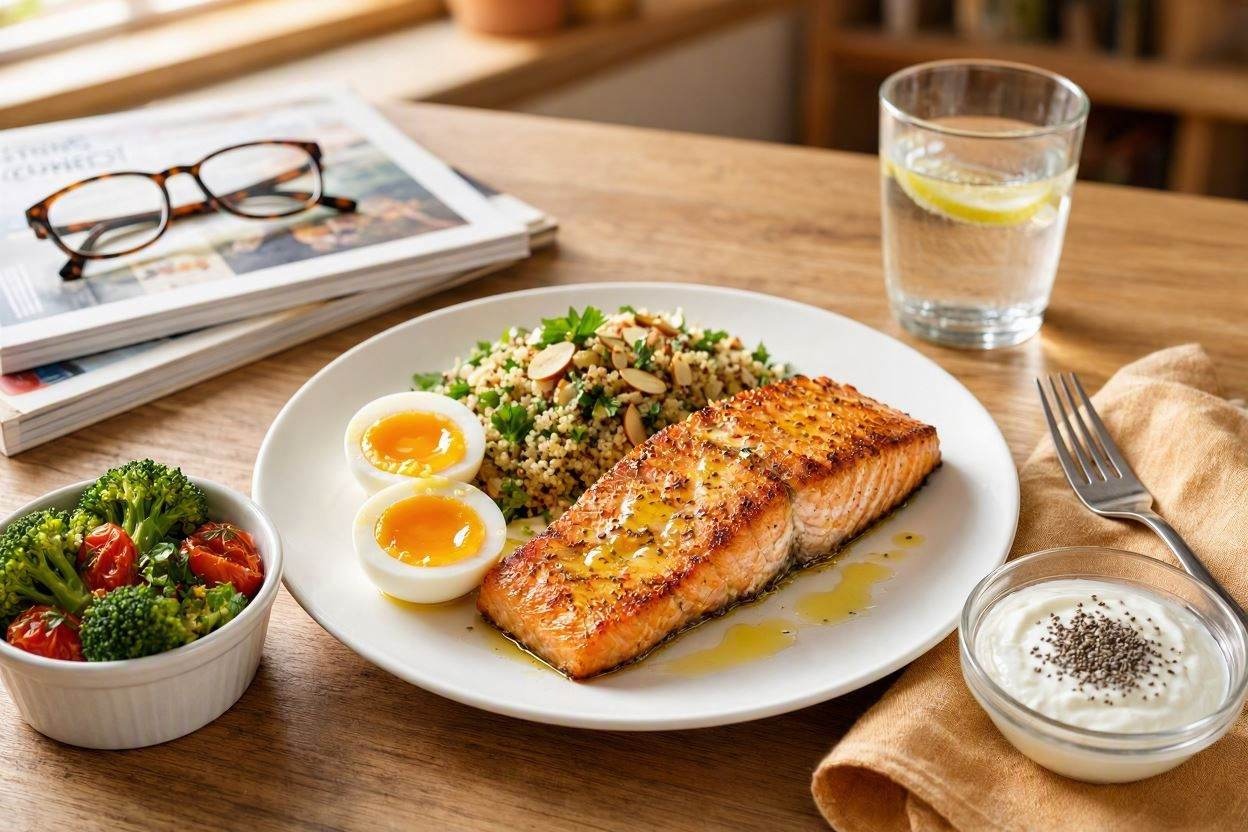
If you are looking for an effective, sustainable, and proven way to shed body fat without feeling constantly hungry, a high protein diet for weight loss is one of the most reliable strategies available. Unlike restrictive fad diets that leave you exhausted and prone to muscle loss, prioritizing lean protein allows you to burn calories more efficiently while keeping your appetite fully satisfied.
In this guide, you will discover the science behind protein-driven fat loss, the optimal daily intake for your goals, a 7-day meal plan sample, and practical habits to maximize your results.
To fast-track your progress and get a fully customized nutrition strategy tailored to your specific body metrics, you can get started today with a step-by-step system designed for optimal fat loss.
How Protein Drives Accelerated Fat Loss
Protein is the most crucial macronutrient when operating in a caloric deficit. It directly impacts your metabolism, hormone levels, and muscle retention through four main biological mechanisms:
- High Thermic Effect of Food (TEF): Digesting protein requires your body to burn energy. Approximately 20% to 30% of the calories from protein are burned during digestion, compared to just 5% to 10% for carbohydrates and 0% to 3% for fats.
- Appetite Regulation and Fullness: Protein suppresses ghrelin (the hunger hormone) while stimulating the release of satiety hormones such as GLP-1, PYY, and CCK, keeping cravings at bay.
- Muscle Mass Preservation: During a weight loss journey, your body tends to break down both fat and lean muscle for energy. Adequate protein intake protects your muscle tissue, ensuring that the weight you lose comes primarily from fat stores.
- Prevention of Metabolic Slowdown: By preserving lean muscle, you maintain a higher resting metabolic rate (RMR), preventing the metabolic slump commonly caused by calorie reduction.
How Much Protein Do You Need to Lose Weight?
To optimize fat loss while maintaining muscle, standard nutritional guidelines are often insufficient. While the minimum daily requirement is around 0.8 grams per kilogram of body weight, optimal targets for active individuals aiming for weight loss are significantly higher:
- Target Range: 1.6 to 2.2 grams of protein per kilogram of body weight (or roughly 0.7 to 1.0 grams per pound).
- Per-Meal Goal: Aim for 25 to 40 grams of high-quality protein at each main meal to trigger muscle protein synthesis and maintain consistent satiety throughout the day.
Top High-Protein Foods to Build Your Meals
Building a successful high protein meal plan requires focusing on nutrient-dense sources that provide maximum protein per calorie:
Lean Animal Proteins
Chicken breast, turkey breast, extra-lean ground beef (95% lean), pork tenderloin, and skinless poultry are low in fat and packed with complete amino acid profiles.
Seafood and Fish
Salmon, cod, tuna, tilapia, shrimp, and trout deliver high protein while offering essential omega-3 fatty acids that support cardiovascular and joint health.
Dairy and Eggs
Whole eggs, egg whites, 0% fat Greek yogurt, plain cottage cheese, and low-fat quartz are extremely versatile options for breakfast or high-protein snacks.
Plant-Based Proteins
Tofu, tempeh, edamame, lentils, chickpeas, black beans, and high-quality plant protein powders provide excellent plant-based protein alongside dietary fiber.
If you want to eliminate guesswork and receive a personalized nutrition plan calibrated to your daily macro targets, you can check out this custom plan to automate your weekly meal prep.
7-Day High Protein Weight Loss Meal Plan
Here is a sample high-protein meal template designed to provide approximately 1,500 to 1,700 calories per day with over 130g+ of quality protein.
Day 1: Monday
- Breakfast: 3-egg omelet (2 whole eggs + 2 egg whites) with spinach, mushrooms, and 1 oz feta cheese.
- Lunch: Grilled chicken breast salad (5 oz) with mixed greens, cucumber, cherry tomatoes, and 1 tbsp olive oil dressing.
- Dinner: Baked cod fillet (6 oz) served with steamed broccoli and 1/2 cup cooked quinoa.
- Snack: 1 cup 0% fat Greek yogurt mixed with a scoop of whey protein or cinnamon.
Day 2: Tuesday
- Breakfast: Protein oatmeal (1/2 cup rolled oats cooked in almond milk, stirred with 1 scoop protein powder and topped with berries).
- Lunch: Turkey wrap using 5 oz sliced turkey breast, lettuce, tomato, and 1 tbsp light guacamole in a low-carb tortilla.
- Dinner: Garlic shrimp stir-fry (6 oz shrimp sautéed with snap peas, bell peppers, and 1/2 cup brown rice).
- Snack: 3/4 cup plain cottage cheese with a handful of raw almonds.
Day 3: Wednesday
- Breakfast: High-protein green smoothie (1 scoop protein powder, 1 cup fresh spinach, 1/2 frozen banana, and unsweetened almond milk).
- Lunch: Tuna salad bowl (1 can light tuna in water mixed with light mayo, celery, mixed greens, and cucumber).
- Dinner: Grilled salmon (5 oz) with roasted asparagus and 1/2 sweet potato.
- Snack: 2 hard-boiled eggs with a pinch of sea salt and black pepper.
Day 4: Thursday
- Breakfast: Cottage cheese pancakes (made with egg whites, oat flour, and cottage cheese) served with fresh raspberries.
- Lunch: Extra-lean beef burger patty (5 oz, 95% lean) with garlic green beans and 1/2 cup wild rice.
- Dinner: Pan-seared tofu (6 oz) with bell peppers, zucchini, and low-sodium soy sauce.
- Snack: Protein shake or 1 oz roasted pumpkin seeds.
Day 5: Friday
- Breakfast: Smoked salmon and poached eggs (2 poached eggs, 2 oz smoked salmon on 1 slice whole-grain toast).
- Lunch: Mediterranean grilled chicken bowl (5 oz chicken, diced cucumbers, tomatoes, kalamata olives, and 2 tbsp tzatziki).
- Dinner: Turkey meatballs (5 oz baked lean turkey) served over zucchini noodles with marinara sauce.
- Snack: Celery sticks with 2 tbsp peanut butter or protein yogurt.
Day 6: Saturday
- Breakfast: Scrambled eggs and turkey bacon (2 eggs, 2 slices turkey bacon, side of blueberries).
- Lunch: Baked pollock or tilapia (6 oz) with braised leeks and a garden side salad.
- Dinner: Spiced chicken skewers (5 oz) with grilled bell peppers and mixed green salad.
- Snack: 1 cup 0% Greek yogurt with flaxseeds.
Day 7: Sunday
- Breakfast: Chia seed protein pudding (chia seeds soaked in almond milk with 1 scoop protein powder, topped with strawberries).
- Lunch: High-protein lentil and chicken soup served with a side leafy green salad.
- Dinner: Grilled pork tenderloin (5 oz) with roasted cauliflower and 1/2 cup cooked quinoa.
- Snack: 1 square dark chocolate (85%+ cocoa) and 10 raw walnuts.
Key Habits for Maximizing Results
To ensure steady weekly weight loss on a high-protein regimen, incorporate these simple essential habits:
1. Prioritize Hydration: Processing higher amounts of dietary protein requires adequate water intake to support kidney function and digestion. Aim for 2.5 to 3 liters of water daily.
2. Combine with Resistance Training: Pair your high protein diet with strength training 3 to 4 times per week. Weight lifting signals your body to retain muscle mass and utilize fat stores for recovery.
3. Keep Fiber High: Combine lean proteins with plenty of high-fiber vegetables (broccoli, spinach, Brussels sprouts) to maintain digestive health and long-lasting fullness.
Frequently Asked Questions
Can eating too much protein prevent weight loss?
Protein still contains calories (4 calories per gram). If your overall daily caloric intake exceeds your total daily energy expenditure (TDEE), you will not lose weight regardless of how high your protein intake is. A calorie deficit remains necessary.
Is a high protein diet safe for healthy adults?
Yes. Numerous scientific studies show that high protein diets are safe and well-tolerated by healthy individuals with normal kidney function.
When is the best time to consume protein?
Spacing your protein intake evenly throughout the day (every 3 to 4 hours) is more effective for muscle preservation and appetite control than consuming the majority of your protein in a single meal.
Conclusion
Adopting a high protein diet for weight loss is one of the most effective methods to transform your body composition. By combining lean protein, fibrous vegetables, adequate hydration, and consistent calorie control, you can lose fat steadily without constant hunger.
Ready to take your results to the next level with a custom plan tailored to your lifestyle? You can learn more here and start your weight loss transformation today.
Disclosure: This article contains affiliate links. We may earn a commission at no extra cost to you if you make a purchase through these links.