If you’ve tried every mouthwash, mint, and gum on the market but still struggle with persistent bad breath, the problem may not be what you think. Discover how oral probiotics are revolutionizing the fight against halitosis by targeting the root cause — not just masking the symptoms.
Introduction: Why Your Breath Still Smells Despite Your Best Efforts
Bad breath, medically known as halitosis, is one of the most embarrassing and socially isolating health issues a person can face. It affects an estimated 25–30% of the global population at some point in their lives, yet most people suffer in silence, too ashamed to discuss it openly.
You’ve probably been there: covering your mouth when you speak, avoiding close conversations, constantly checking your breath by cupping your hands, and chewing gum until your jaw aches. Maybe you’ve invested in expensive mouthwashes, switched toothpastes, brushed your tongue raw, and even visited the dentist — only to find that your bad breath returns within hours.
Here’s the uncomfortable truth: most conventional bad breath solutions are temporary band-aids. Mouthwashes kill bacteria indiscriminately — both the good and the bad. Mints and gums simply cover odors with artificial flavors. And while brushing and flossing are essential, they don’t address the deeper biological imbalance happening inside your mouth.
That imbalance is called dysbiosis — a disruption in your oral microbiome. And the most promising, science-backed way to restore that balance isn’t another chemical rinse. It’s oral probiotics for bad breath.
In this comprehensive guide, we’ll explore what oral probiotics are, how they work to eliminate bad breath at its source, why they’re superior to traditional treatments, and how to choose the right probiotic formula for lasting fresh breath and optimal oral health.
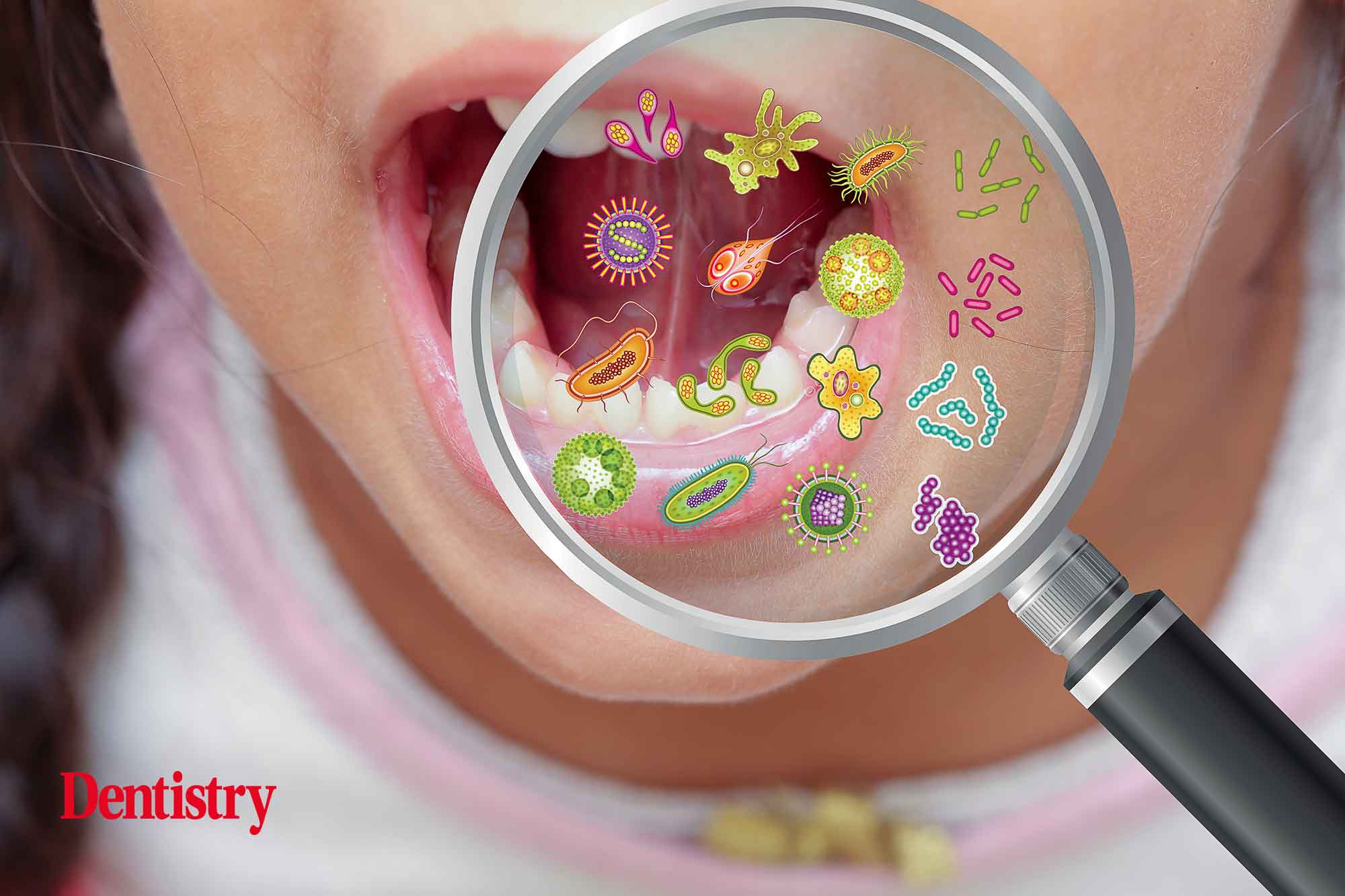
Your mouth is home to billions of bacteria — both good and bad. Understanding this ecosystem is the first step toward truly fresh breath.
What Causes Bad Breath? The Real Culprits Behind Halitosis
Before we dive into the solution, let’s understand the problem. Bad breath isn’t just about poor hygiene — it’s a complex condition with multiple underlying causes.
The Oral Microbiome: Your Mouth’s Hidden Ecosystem
Your mouth is home to over 700 different species of bacteria, making it one of the most diverse microbial ecosystems in your entire body. In a healthy mouth, beneficial bacteria dominate, keeping harmful, odor-producing microbes in check.
However, when this delicate balance is disrupted — due to diet, stress, illness, antibiotics, dry mouth, or poor oral care — the “bad bacteria” begin to multiply uncontrollably. These anaerobic (oxygen-avoiding) bacteria hide in the crevices of your tongue, between your teeth, and along your gumline, where they break down food particles and proteins.
The result? They release volatile sulfur compounds (VSCs) — the same foul-smelling gases responsible for the rotten-egg odor associated with chronic bad breath.
Common Triggers of Chronic Bad Breath
-
Poor oral hygiene — Inadequate brushing and flossing allow plaque and food debris to accumulate
-
Tongue coating — The back of the tongue is a prime breeding ground for odor-causing bacteria
-
Dry mouth (xerostomia) — Saliva naturally cleanses the mouth; reduced saliva means bacteria thrive
-
Diet — Garlic, onions, coffee, alcohol, and high-protein diets fuel bacterial growth
-
Tobacco use — Smoking dries the mouth and introduces its own unpleasant odors
-
Gum disease — Periodontal conditions create deep pockets where bacteria flourish
-
Tonsil stones — Calcified debris in the tonsils produces powerful odors
-
Underlying health conditions — Diabetes, sinus infections, acid reflux, and liver or kidney issues can contribute
-
Medications — Many prescription drugs cause dry mouth as a side effect
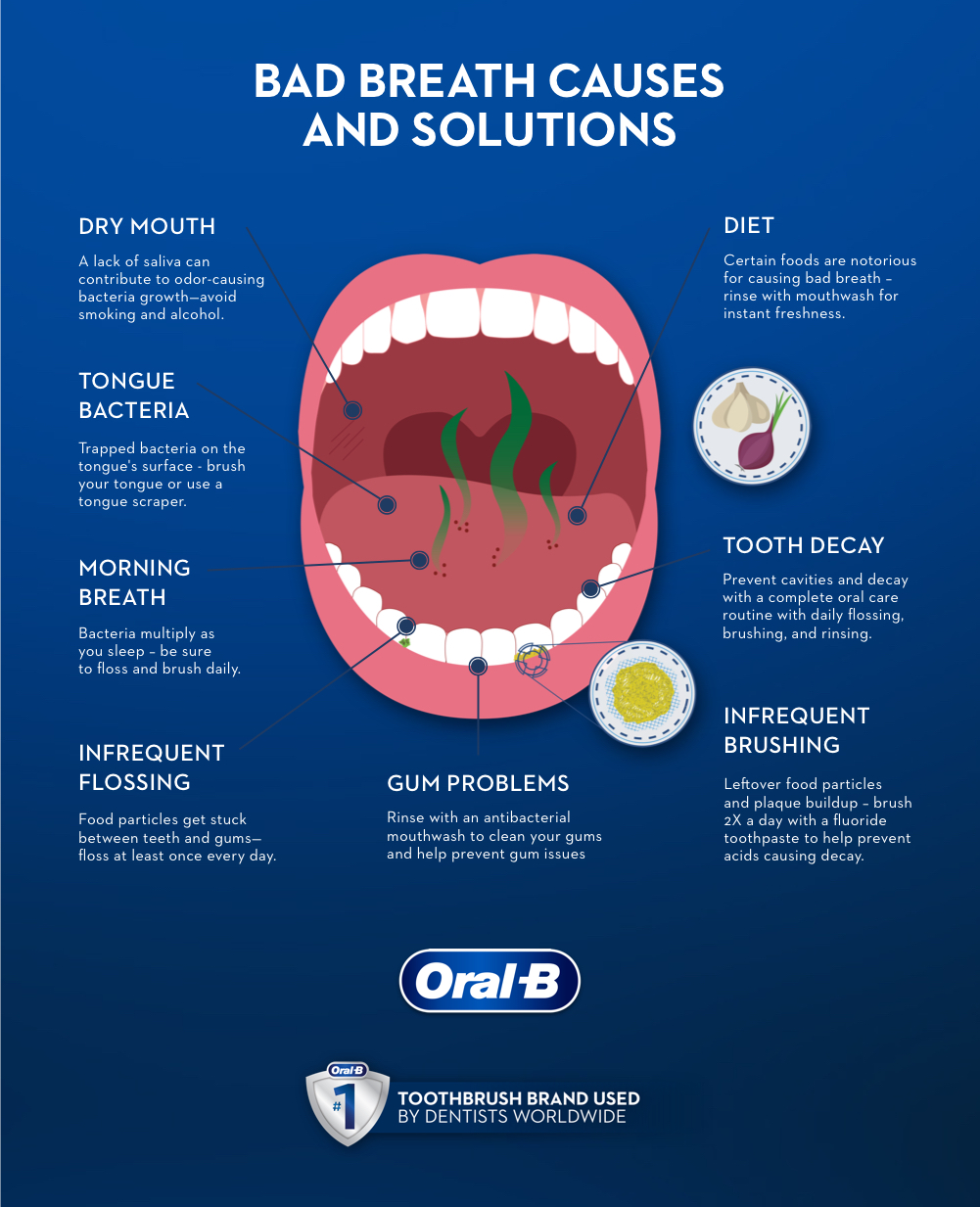
The infographic below illustrates the most common causes of halitosis and why they persist despite regular brushing.
Why Traditional Bad Breath Treatments Fall Short
If you’ve been battling bad breath for a while, you’ve likely tried a laundry list of conventional remedies. Let’s examine why most of them fail to deliver lasting results.
Mouthwashes: The Double-Edged Sword
Alcohol-based mouthwashes are the most popular bad breath remedy — and one of the most problematic. While they do kill bacteria, they kill indiscriminately, wiping out both harmful and beneficial microbes. This creates a microbial vacuum that harmful bacteria quickly recolonize, often leading to even worse breath within a few hours.
Additionally, alcohol dries out the mouth, reducing saliva production and creating an environment where anaerobic bacteria thrive. It’s a vicious cycle: you use mouthwash to freshen up, but you’re actually making the underlying problem worse.
Mints and Gums: Temporary Masks
Breath mints and chewing gums provide a fleeting burst of minty freshness, but they do absolutely nothing to address the bacterial overgrowth causing the odor. In fact, many are loaded with sugar, which feeds the very bacteria you’re trying to eliminate.
Brushing and Flossing: Necessary But Insufficient
Brushing twice daily and flossing are non-negotiable for oral health. However, even the most diligent brusher can’t reach every microscopic crevice where odor-causing bacteria hide — particularly on the back of the tongue and below the gumline.
Tongue Scrapers: Helpful, But Incomplete
Tongue scraping removes the visible coating on the tongue where bacteria accumulate, and it can certainly help reduce odor. But scraping alone doesn’t reintroduce beneficial bacteria or restore microbial balance. It’s a cleaning tool, not a restorative treatment.
The fundamental flaw in all these approaches is that they focus on eliminating bacteria rather than rebalancing the microbiome. And that’s exactly where oral probiotics change the game.
Understanding the full spectrum of causes helps explain why surface-level treatments never truly solve the problem.
What Are Oral Probiotics? Understanding the Science
Probiotics have become a household word in gut health, but many people are surprised to learn that probiotics for oral health are just as important — and potentially even more impactful for certain conditions like chronic bad breath.
Defining Oral Probiotics
Oral probiotics are live beneficial bacteria strains specifically selected for their ability to colonize the oral cavity — including the teeth, gums, tongue, and throat. Unlike gut probiotics, which are designed to survive stomach acid and colonize the intestines, oral probiotics are formulated to adhere to oral surfaces and establish themselves within the mouth’s unique environment.
These beneficial bacteria work by:
-
Crowding out harmful bacteria — They compete for space and nutrients, making it harder for odor-producing microbes to survive
-
Producing bacteriocins — Natural antimicrobial compounds that inhibit the growth of pathogenic bacteria
-
Neutralizing volatile sulfur compounds — Some probiotic strains actively break down the foul-smelling gases responsible for bad breath
-
Balancing pH levels — A healthy oral pH prevents the acidic conditions that favor harmful bacteria
-
Supporting immune function — Beneficial bacteria help regulate the oral immune response and reduce inflammation
Key Probiotic Strains for Bad Breath
Not all probiotics are created equal. Research has identified several specific strains that are particularly effective for oral health and halitosis:
Streptococcus salivarius K12 — One of the most studied oral probiotic strains. It produces powerful antimicrobial compounds called salivaricins that target the bacteria responsible for VSC production. Clinical studies have shown significant reductions in volatile sulfur compounds after just a few weeks of use.
Lactobacillus reuteri — Known for its ability to inhibit the growth of Streptococcus mutans (the primary cavity-causing bacterium) and reduce gingivitis. It also helps modulate the inflammatory response in gum tissue.
Lactobacillus paracasei — Supports a healthy oral microbiome and has been shown to reduce levels of harmful bacteria associated with both bad breath and tooth decay.
Bifidobacterium strains — While more commonly associated with gut health, certain Bifidobacterium species support oral immune function and help maintain microbial diversity.
The Research: What Science Says About Oral Probiotics and Bad Breath
Multiple peer-reviewed studies have demonstrated the effectiveness of oral probiotics for reducing halitosis:
-
A 2020 systematic review published in the Journal of Breath Research found that probiotic supplementation significantly reduced volatile sulfur compound levels in patients with chronic bad breath.
-
A clinical trial using Streptococcus salivarius K12 showed a 50% reduction in VSC levels within just 7 days, with continued improvement over 4 weeks.
-
Research in the International Journal of Dental Hygiene concluded that oral probiotics were a “promising adjunctive therapy” for halitosis management, particularly when combined with good oral hygiene practices.
The evidence is clear: oral probiotics don’t just mask bad breath — they address the microbial imbalance that causes it.
How Oral Probiotics Eliminate Bad Breath at the Source
To truly appreciate why oral probiotics are so effective, it helps to understand the mechanism of action. Here’s exactly how these beneficial bacteria transform your breath from the inside out.
Step 1: Colonization
When you take an oral probiotic — typically as a lozenge, chewable tablet, or dissolvable strip — the beneficial bacteria are released directly into your mouth. Unlike swallowed gut probiotics, these strains are selected specifically for their ability to adhere to oral surfaces: your teeth, gums, tongue, cheeks, and throat.
Within minutes, these friendly bacteria begin attaching to oral tissues, establishing a foothold in your mouth’s ecosystem.
Step 2: Competitive Exclusion
Once colonized, probiotic bacteria compete with harmful microbes for the same resources: space on oral surfaces and nutrients from saliva and food debris. Because probiotic strains are often more efficient at utilizing these resources, they gradually crowd out the odor-causing bacteria that have been dominating your mouth.
Think of it like a garden: if you plant beneficial flowers densely enough, weeds have nowhere to grow.
Step 3: Antimicrobial Production
Many oral probiotic strains produce natural antimicrobial substances called bacteriocins. These compounds act like precision weapons, targeting specific pathogenic bacteria while leaving beneficial microbes unharmed. This is in stark contrast to broad-spectrum mouthwashes that wipe out everything indiscriminately.
Step 4: VSC Neutralization
Some probiotic strains possess enzymes that actively break down volatile sulfur compounds — the actual molecules that create bad breath odors. Rather than simply reducing the bacteria that produce VSCs, these probiotics neutralize the compounds themselves, delivering an immediate freshening effect while the microbial rebalance takes place.
Step 5: Biofilm Disruption
Harmful bacteria in the mouth organize themselves into sticky communities called biofilms — the same type of structure that forms dental plaque. Certain probiotic strains can disrupt these biofilms, making it easier for your regular brushing and flossing to remove harmful bacteria and preventing them from re-establishing strongholds.
Step 6: Long-Term Balance
With consistent use, oral probiotics help establish a new, healthier baseline for your oral microbiome. Once beneficial bacteria dominate, they continue to self-regulate the environment, making it naturally resistant to the return of odor-causing microbes. This is why probiotic users often report that their breath stays fresh even when they occasionally skip a mint or miss a brushing.
Benefits Beyond Fresh Breath: Why Oral Probiotics Are a Complete Oral Health Solution
While eliminating bad breath is the primary goal for most people, oral probiotics offer a cascade of additional health benefits that make them one of the smartest investments you can make for your mouth.
Healthier Gums and Reduced Inflammation
The same harmful bacteria that cause bad breath are also major contributors to gingivitis and periodontal disease. By suppressing these pathogens, oral probiotics help reduce gum inflammation, bleeding, and tenderness. Some studies have shown that probiotic use can decrease gum pocket depth and improve overall periodontal health markers.
Stronger Tooth Enamel and Fewer Cavities
Probiotic strains like Lactobacillus reuteri and Streptococcus salivarius inhibit Streptococcus mutans — the bacterium primarily responsible for tooth decay. By keeping this cavity-causing microbe in check, oral probiotics provide natural protection against enamel erosion and cavities.
Enhanced Immune Defense
Your mouth is the gateway to your body, and its microbiome plays a crucial role in immune function. A balanced oral microbiome helps train your immune system to distinguish between harmless and harmful invaders, potentially reducing your susceptibility to oral infections, sore throats, and even upper respiratory issues.
Reduced Tonsil Stone Formation
Tonsil stones (tonsilloliths) are calcified clusters of bacteria and debris that form in the tonsil crypts. They’re a major — and often overlooked — source of chronic bad breath. Oral probiotics help prevent the bacterial accumulation that leads to stone formation, addressing this hidden cause of halitosis.
Better Digestive Health
There’s a growing body of research supporting the oral-gut axis — the connection between oral and digestive health. Since you swallow billions of oral bacteria daily, maintaining a healthy oral microbiome positively influences your gut microbiome as well. It’s a two-for-one benefit.
Confidence and Social Freedom
Perhaps the most transformative benefit isn’t physical at all — it’s psychological. Chronic bad breath can erode self-esteem, damage relationships, and create social anxiety. When you finally achieve genuinely fresh breath that lasts all day, the confidence boost is life-changing. You speak up in meetings. You lean in during conversations. You laugh without covering your mouth. You simply feel like yourself again.
How to Choose the Best Oral Probiotics for Bad Breath
With the rising popularity of oral probiotics, the market has become crowded with products making bold claims. Here’s what to look for when selecting a high-quality oral probiotic supplement.
1. Clinically Studied Strains
The most important factor is the specific bacterial strains included. Look for products that contain Streptococcus salivarius K12 and Lactobacillus reuteri — the two strains with the strongest clinical evidence for halitosis reduction. Avoid generic “proprietary blends” that don’t disclose exact strains.
2. Adequate CFU Count
CFU stands for Colony Forming Units — a measure of how many live bacteria are in each dose. For oral health benefits, look for products delivering at least 1–3 billion CFU per serving. Too few CFUs won’t provide enough bacterial density to colonize the mouth effectively.
3. Targeted Delivery Method
Oral probiotics work best when delivered directly to the mouth, rather than swallowed into the stomach. Look for:
-
Lozenges that dissolve slowly in the mouth
-
Chewable tablets that release bacteria across oral surfaces
-
Dissolvable strips that adhere to the tongue or cheek
Avoid standard capsules that are designed for gut delivery and may not effectively colonize the oral cavity.
4. No Harmful Additives
Steer clear of products loaded with sugar, artificial sweeteners like aspartame, or alcohol. These ingredients can actually feed harmful bacteria or disrupt the oral microbiome — counteracting the very benefits you’re seeking.
5. Third-Party Testing
Choose brands that verify their products through independent laboratory testing. This ensures that the CFU count on the label matches what’s actually in the product, and that the bacteria are viable and contaminant-free.
6. Positive Reviews and Real Results
Look for products with verified customer reviews specifically mentioning improvements in breath freshness, gum health, and overall oral hygiene. Real user experiences are often the best indicator of a product’s effectiveness.
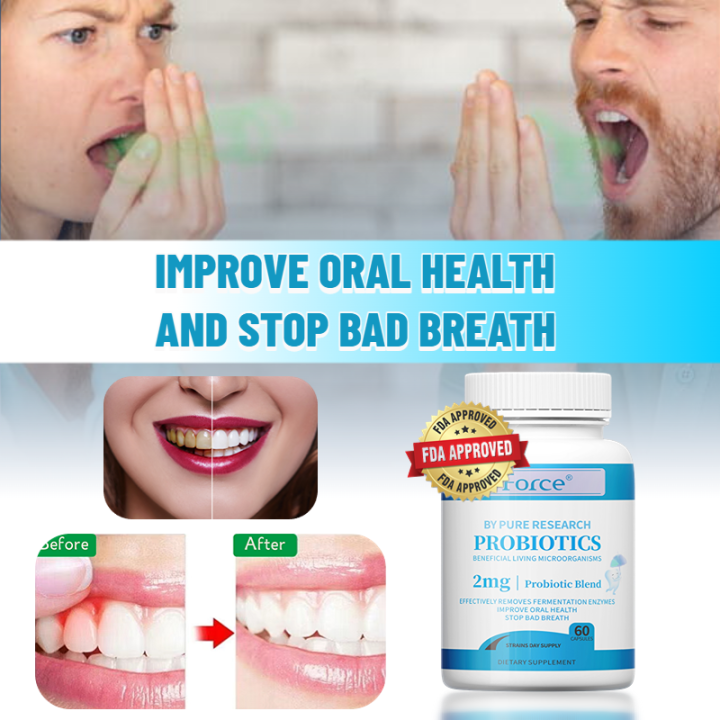
If you’re looking for a trusted oral probiotic formula that checks all these boxes — clinically studied strains, optimal CFU count, targeted delivery, and thousands of satisfied users — there’s a solution that stands out from the crowd.
Discover the advanced oral probiotic system designed to restore your oral microbiome and deliver lasting fresh breath from the inside out.
Modern oral probiotic supplements are specifically formulated to target the root cause of halitosis with precision.
How to Use Oral Probiotics for Maximum Results
Taking an oral probiotic is simple, but following best practices ensures you get the most out of every dose.
Timing Matters
For optimal colonization, take your oral probiotic after brushing and flossing, preferably at night before bed. This timing ensures that your mouth is as clean as possible, giving beneficial bacteria the best chance to adhere to oral surfaces without competition from food debris.
Don’t Rinse Immediately
After taking your probiotic lozenge or chewable, avoid eating, drinking, or rinsing your mouth for at least 30 minutes. This gives the bacteria time to attach to oral tissues and begin establishing their colonies.
Be Consistent
Probiotics work cumulatively. While some people notice fresher breath within the first few days, the full microbial rebalancing typically takes 2–4 weeks of daily use. Stick with your routine — the results are worth the patience.
Pair with Good Oral Hygiene
Oral probiotics are not a replacement for brushing and flossing. Think of them as a powerful complement to your existing routine. Brush twice daily, floss once daily, and use a tongue scraper to remove bacterial buildup. The probiotics will then help maintain the healthy balance your cleaning routine creates.
Stay Hydrated
A dry mouth is a breeding ground for bad bacteria. Drink plenty of water throughout the day to support saliva production and help probiotic bacteria thrive.
Avoid Antibiotics When Possible
If you must take a course of antibiotics, be aware that they will disrupt your oral microbiome along with your gut flora. Consider doubling down on your oral probiotic regimen during and after antibiotic treatment to help rebuild beneficial bacterial populations.
Common Myths About Oral Probiotics and Bad Breath
Despite the growing body of evidence, several misconceptions persist about oral probiotics. Let’s clear them up.
Myth 1: “Probiotics are only for digestion.”
Reality: While gut probiotics are well-known, oral probiotics are a distinct category formulated specifically for mouth colonization. They target oral pathogens and deliver benefits that gut probiotics simply cannot.
Myth 2: “If I brush well, I don’t need probiotics.”
Reality: Brushing removes plaque and debris, but it doesn’t restore microbial balance. Without beneficial bacteria to occupy oral surfaces, harmful bacteria recolonize quickly. Probiotics fill that gap.
Myth 3: “Mouthwash does the same thing.”
Reality: Mouthwash kills bacteria indiscriminately and often worsens dry mouth. Probiotics introduce beneficial bacteria that actively suppress harmful microbes and maintain a healthy oral environment. The approaches are fundamentally different.
Myth 4: “Probiotics work instantly.”
Reality: While some people notice fresher breath within days, the full microbiome transformation takes weeks. Oral probiotics are a long-term solution, not a quick fix. The trade-off is that the results are genuine and lasting.
Myth 5: “All probiotics are the same.”
Reality: Strain specificity matters enormously. A gut probiotic containing Lactobacillus acidophilus won’t colonize your mouth effectively. You need strains specifically studied and selected for oral health.
Real Results: What to Expect When You Start Taking Oral Probiotics
If you’re considering oral probiotics for bad breath, here’s a realistic timeline of what you can expect:
Week 1: You may notice a subtle improvement in breath freshness, particularly in the morning. Some users report less “morning breath” within the first few days.
Week 2–3: Volatile sulfur compound levels begin to drop measurably. Your breath stays fresher for longer periods throughout the day. You may find yourself reaching for mints and gum less often.
Week 4–6: The oral microbiome rebalancing is well underway. Beneficial bacteria have established strong colonies. Breath freshness becomes your new normal, even after meals and upon waking.
Month 2 and Beyond: With consistent use, your mouth maintains a healthy microbial equilibrium. Bad breath becomes a distant memory. You may also notice improvements in gum health, reduced plaque buildup, and fewer instances of sore throats or oral discomfort.
Frequently Asked Questions About Oral Probiotics for Bad Breath
Are oral probiotics safe?
Yes. Oral probiotics are generally recognized as safe (GRAS) by regulatory authorities. They consist of beneficial bacteria strains that naturally occur in healthy human mouths. Side effects are rare and typically limited to mild digestive adjustment in the first few days.
How long should I take oral probiotics?
For chronic bad breath, daily use for at least 30 days is recommended to establish microbial balance. Many people continue taking them long-term as part of their oral health routine to maintain results.
Can children use oral probiotics?
Many oral probiotic products are safe for children, but always check the specific product labeling and consult with a pediatric dentist or physician before giving supplements to children.
Will oral probiotics cure my gum disease?
Oral probiotics are not a cure for periodontal disease, but they can be a valuable adjunctive therapy. They help reduce harmful bacteria and inflammation, supporting the treatments prescribed by your dentist. Always follow your dentist’s recommendations for gum disease management.
Can I take oral probiotics with gut probiotics?
Absolutely. Oral and gut probiotics serve different purposes and can be taken together. In fact, they may complement each other through the oral-gut axis.
Do oral probiotics have a taste?
Most high-quality oral probiotics are flavored with natural mint or mild fruit flavors to make them pleasant to dissolve or chew. They should not taste medicinal or unpleasant.
What if I don’t see results immediately?
Microbiome changes take time. If you don’t notice significant improvement within 2–3 weeks, ensure you’re using the product correctly (not swallowing immediately, taking it after brushing), and verify that your product contains clinically studied strains at adequate CFU levels.
Final Thoughts: Reclaim Your Confidence with Fresh, Healthy Breath
Bad breath doesn’t have to be a life sentence of embarrassment and social anxiety. The truth is, most people struggling with chronic halitosis aren’t doing anything wrong — they’re simply using the wrong tools to fix the problem.
Mouthwashes mask. Mints cover. Brushing cleans. But only oral probiotics rebalance.
By restoring the natural harmony of your oral microbiome, oral probiotics target the root cause of bad breath — the overgrowth of odor-producing bacteria — and replace it with a thriving community of beneficial microbes that keep your breath fresh, your gums healthy, and your smile confident.
If you’re tired of temporary fixes and ready for a lasting solution, the path forward is clear. The science supports it. The research confirms it. And thousands of people have already transformed their breath — and their lives — by making oral probiotics part of their daily routine.
Ready to experience the confidence of truly fresh breath?
Don’t let bad breath hold you back for one more day. Your fresh start begins now.