Your mouth is the gateway to your entire body — and the trillions of bacteria living inside it hold the key to fresh breath, strong teeth, healthy gums, and even overall wellness. Discover how oral health probiotics are transforming dental care from the inside out.
Introduction: The Hidden World Inside Your Mouth
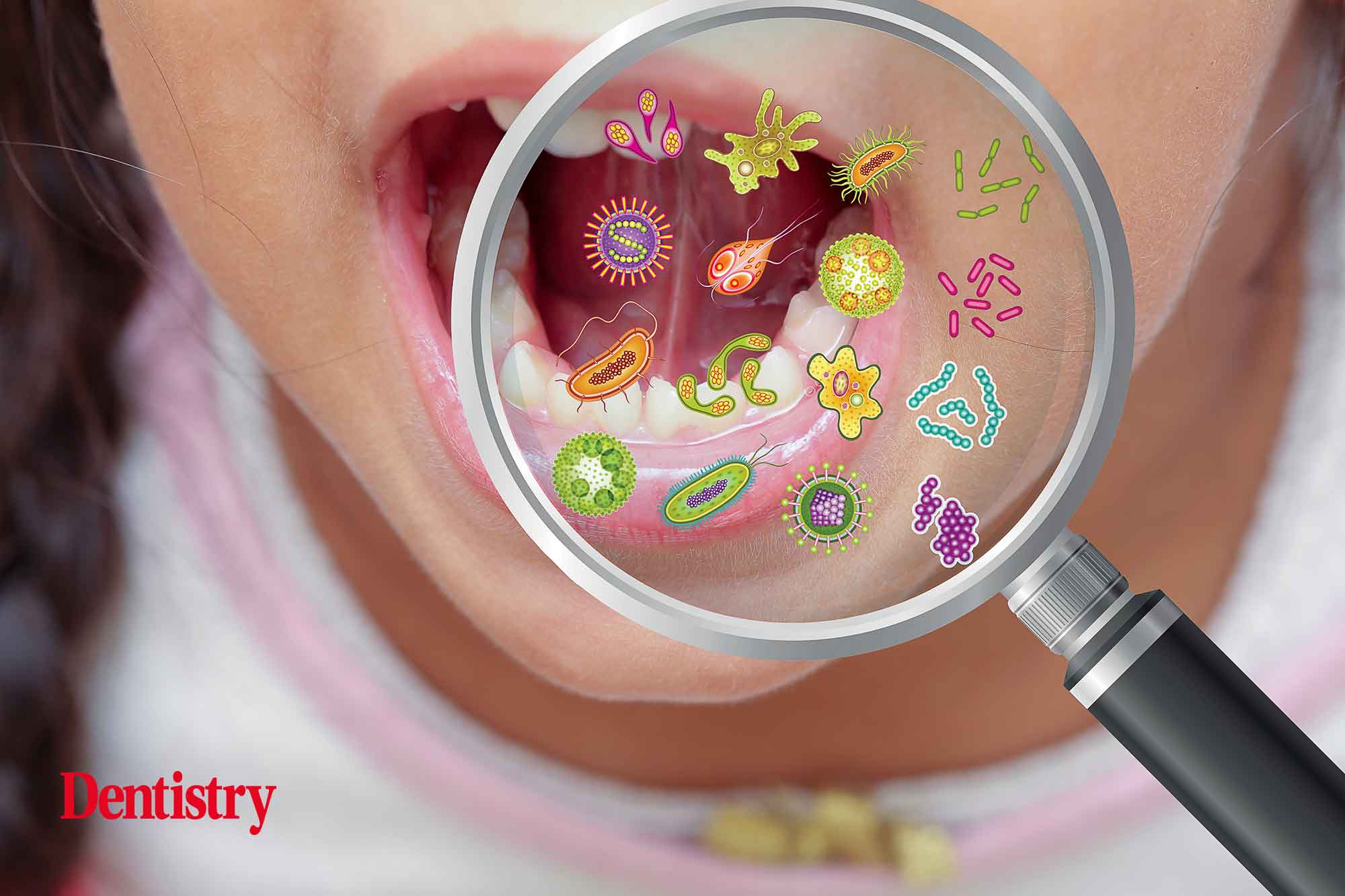
When you think about oral health, you probably picture your toothbrush, floss, and maybe that bottle of mouthwash sitting on your bathroom counter. But there’s an entire invisible universe inside your mouth that no toothbrush can reach — a complex ecosystem of over 700 different species of bacteria, fungi, viruses, and other microorganisms collectively known as your oral microbiome.
For decades, the approach to oral care was simple: kill as many bacteria as possible. Antiseptic mouthwashes, antibacterial toothpastes, and aggressive cleaning regimens were designed to create a sterile environment. But here’s what science has revealed: a sterile mouth is not a healthy mouth.
Just like your gut, your mouth relies on a delicate balance of beneficial and harmful microorganisms. When this balance is maintained, beneficial bacteria protect your teeth, freshen your breath, support your immune system, and even communicate with the rest of your body. When it’s disrupted — a condition called dysbiosis — harmful bacteria take over, leading to cavities, gum disease, chronic bad breath, and potentially even systemic health issues.
This is where oral health probiotics enter the picture. These specialized beneficial bacteria are revolutionizing how we think about dental care. Instead of indiscriminately killing bacteria, probiotics work by restoring balance, crowding out pathogens, and creating an environment where your mouth can thrive naturally.
In this comprehensive guide, we’ll explore everything you need to know about oral health probiotics: how they work, the science behind them, their wide-ranging benefits, how to choose the right product, and how to incorporate them into your daily routine for a healthier, happier mouth.
Your mouth hosts a complex ecosystem of microorganisms that directly impacts your overall health.
What Are Oral Health Probiotics?
Defining Oral Probiotics
Oral health probiotics are live, beneficial microorganisms specifically selected and formulated to colonize the oral cavity — including your teeth, gums, tongue, cheeks, and throat. While the concept of probiotics is most commonly associated with digestive health, oral probiotics represent a distinct and rapidly growing category with unique strains, delivery mechanisms, and health benefits.
Unlike gut probiotics, which are designed to survive stomach acid and colonize the intestines, oral probiotics are formulated to adhere to oral surfaces and establish themselves within the mouth’s unique environment. They come in forms that maximize oral exposure, such as lozenges, chewable tablets, dissolvable strips, and sprays.
How Oral Probiotics Differ from Gut Probiotics
It’s important to understand that popping your standard gut probiotic capsule won’t deliver the oral health benefits you’re looking for. Here’s why:
-
Strain specificity matters. The strains that thrive in your intestines (like Lactobacillus acidophilus or Bifidobacterium longum) are not the same strains that effectively colonize your mouth. Oral probiotics use strains specifically studied for their ability to adhere to dental surfaces, survive in saliva, and inhibit oral pathogens.
-
Delivery method is critical. Swallowing a capsule sends bacteria straight to your stomach, bypassing the mouth entirely. Oral probiotics are designed to be dissolved, chewed, or held in the mouth, ensuring direct contact with oral tissues.
-
Mechanism of action differs. Gut probiotics primarily aid digestion and immune function in the gastrointestinal tract. Oral probiotics actively compete with harmful mouth bacteria, produce antimicrobial compounds, neutralize odor-causing gases, and support the oral immune response.
The Most Effective Probiotic Strains for Oral Health
Research has identified several bacterial strains that demonstrate exceptional benefits for oral health:
Streptococcus salivarius K12 — The superstar of oral probiotics. This strain naturally occurs in healthy mouths and produces powerful antimicrobial proteins called salivaricins that specifically target odor-causing and pathogenic bacteria. Clinical studies have shown it significantly reduces volatile sulfur compounds (VSCs) associated with bad breath.
Lactobacillus reuteri — Known for its ability to inhibit Streptococcus mutans, the primary bacterium responsible for tooth decay. It also reduces inflammation and supports gum health, making it valuable for preventing both cavities and periodontal disease.
Lactobacillus paracasei — Supports a balanced oral microbiome and has been shown to reduce levels of harmful bacteria associated with plaque formation and gingivitis.
Lactobacillus rhamnosus — Helps maintain healthy oral pH levels and supports immune function within the mouth.
Bifidobacterium strains — While primarily gut-associated, certain Bifidobacterium species support oral immune health and help maintain microbial diversity.
The Oral Microbiome: Why Balance Is Everything
Understanding Your Mouth’s Ecosystem
Your oral microbiome is the second most diverse microbial community in your body, after your gut. These microorganisms don’t just randomly exist in your mouth — they form structured communities called biofilms (you know biofilms better as dental plaque). In a healthy state, these biofilms are dominated by beneficial bacteria that:
-
Produce enzymes that protect tooth enamel
-
Compete with harmful bacteria for nutrients and space
-
Maintain an optimal pH level that prevents acid erosion
-
Support saliva production and quality
-
Train and regulate your oral immune system
What Happens When Balance Is Lost
When the oral microbiome becomes imbalanced — due to poor diet, stress, illness, antibiotics, smoking, excessive alcohol, or inadequate oral hygiene — pathogenic bacteria begin to dominate. This dysbiosis creates a cascade of problems:
-
Acidic environment: Harmful bacteria produce acids that erode enamel and cause cavities
-
Inflammation: Pathogens trigger chronic inflammation in gum tissue, leading to gingivitis and periodontitis
-
Volatile sulfur compounds: Anaerobic bacteria break down proteins and release foul-smelling gases
-
Compromised immunity: A disrupted microbiome impairs the mouth’s ability to defend against infections
-
Systemic effects: Oral pathogens can enter the bloodstream, potentially contributing to cardiovascular disease, diabetes complications, and respiratory infections
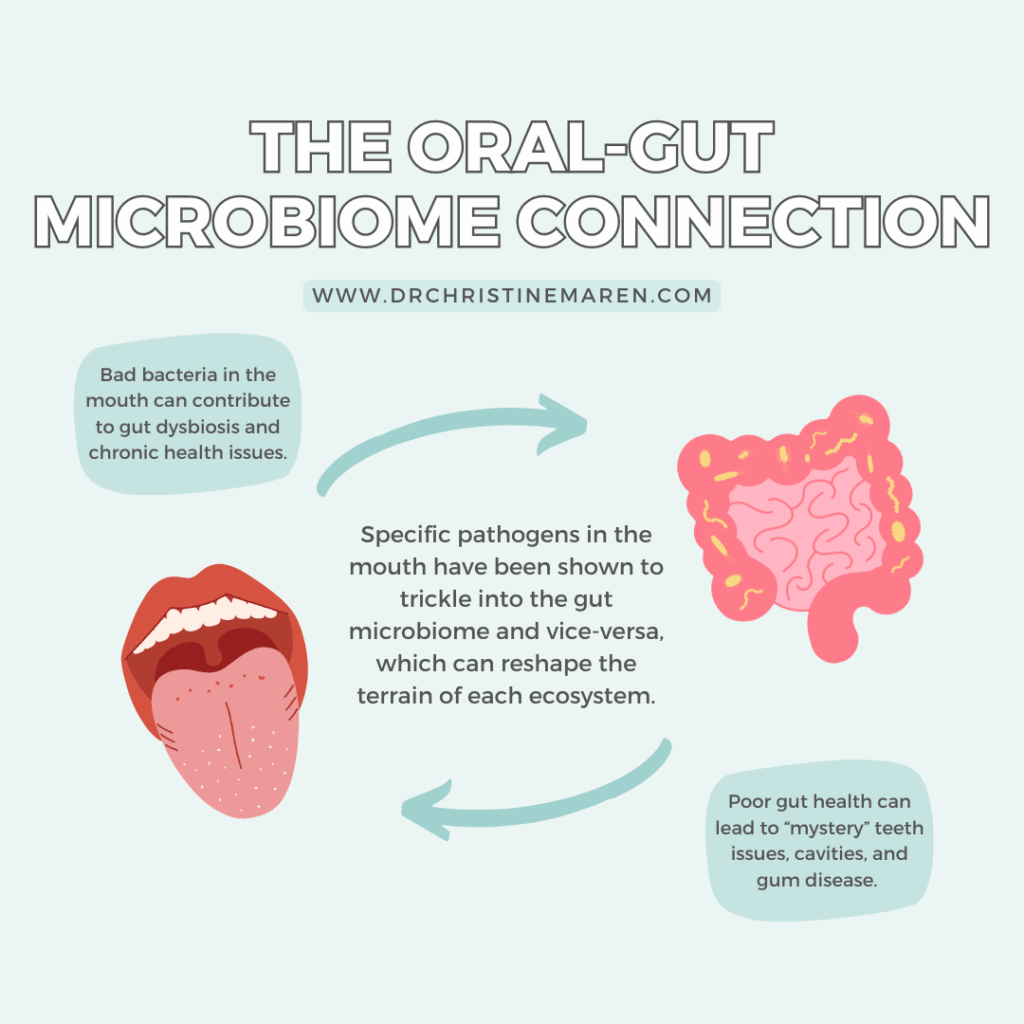
The Oral-Gut Connection
Emerging research has revealed a powerful connection between oral and gut health known as the oral-gut axis. Every day, you swallow approximately 1.5 liters of saliva containing billions of oral bacteria. These bacteria travel to your gut, where they can influence digestive health, immune function, and even mental well-being.
Conversely, poor gut health can manifest in the mouth. Conditions like leaky gut syndrome and gut dysbiosis have been linked to oral health issues, including recurrent cavities, gum inflammation, and burning mouth syndrome.
This bidirectional relationship means that supporting your oral microbiome with probiotics doesn’t just benefit your mouth — it supports your entire body’s health ecosystem.
The connection between your mouth and gut means oral health directly impacts your whole-body wellness.
The Science-Backed Benefits of Oral Health Probiotics
The benefits of oral probiotics extend far beyond fresh breath. Here’s what the research reveals about these powerful microbial allies.
1. Eliminates Chronic Bad Breath at the Source
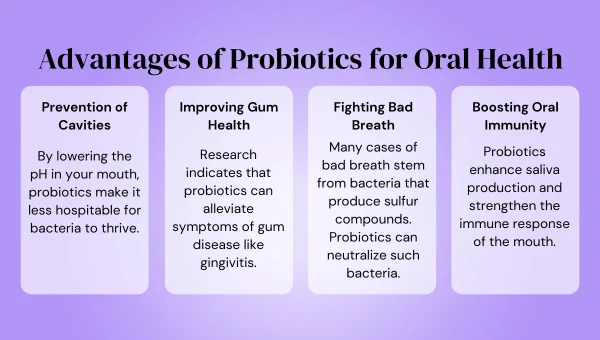
Bad breath (halitosis) affects up to 30% of the population, and for many, it’s a persistent source of embarrassment. While mouthwashes and mints temporarily mask odors, oral probiotics address the root cause: the overgrowth of anaerobic bacteria that produce volatile sulfur compounds.
Studies using Streptococcus salivarius K12 have demonstrated significant reductions in VSC levels within just one to two weeks of daily use. Unlike chemical rinses that kill bacteria indiscriminately, probiotics restore balance by introducing beneficial bacteria that naturally suppress odor-producing microbes.
2. Prevents Cavities and Strengthens Enamel
Tooth decay occurs when acid-producing bacteria (primarily Streptococcus mutans) metabolize sugars and starches, creating acids that demineralize enamel. Oral probiotics combat this process in multiple ways:
-
Competitive exclusion: Beneficial bacteria occupy the surfaces where S. mutans would otherwise attach
-
Bacteriocin production: Probiotics release natural antimicrobial compounds that inhibit cavity-causing bacteria
-
pH regulation: Probiotic strains help maintain a neutral to slightly alkaline oral pH, creating an environment where acid-producing bacteria struggle to thrive
-
Remineralization support: A healthy microbiome supports saliva’s natural remineralization processes, helping repair early enamel damage
Research published in the Journal of Clinical Dentistry found that children who consumed probiotic milk containing Lactobacillus rhamnosus had significantly fewer cavities than the control group over a two-year period.
3. Supports Gum Health and Reduces Inflammation
Gum disease (periodontal disease) is one of the most common chronic conditions worldwide, affecting nearly half of all adults over 30. It’s caused by bacterial infection and the body’s inflammatory response to that infection.
Oral probiotics help by:
-
Reducing the population of periodontal pathogens like Porphyromonas gingivalis
-
Modulating the immune response to decrease excessive inflammation
-
Promoting tissue healing and reducing gum bleeding
-
Decreasing pocket depth in patients with existing gum disease
A 2021 meta-analysis concluded that probiotic supplementation significantly improved periodontal health markers, including reduced plaque index and gingival inflammation.
4. Boosts Oral Immune Function
Your mouth is constantly exposed to pathogens from food, air, and contact with other people. A healthy oral microbiome acts as a first line of defense, training your immune system to distinguish between harmless commensal bacteria and dangerous invaders.
Oral probiotics enhance this immune surveillance by:
-
Stimulating the production of protective antibodies in saliva
-
Supporting the function of oral immune cells
-
Creating a microbial environment that naturally resists pathogenic colonization
-
Reducing the risk of oral infections, including thrush and strep throat
5. May Reduce Risk of Systemic Diseases
The connection between oral health and systemic disease is one of the most important discoveries in modern medicine. Poor oral health has been linked to:
-
Cardiovascular disease: Oral bacteria can enter the bloodstream and contribute to arterial plaque formation
-
Diabetes: Gum disease and diabetes have a bidirectional relationship — each worsens the other
-
Respiratory infections: Oral pathogens can be aspirated into the lungs, causing pneumonia
-
Pregnancy complications: Periodontal disease is associated with preterm birth and low birth weight
-
Rheumatoid arthritis: Research suggests a link between periodontal inflammation and autoimmune joint disease
By maintaining a healthy oral microbiome, probiotics may help reduce the risk of these serious conditions — though more research is needed to fully establish these connections.
The benefits of oral probiotics span far beyond your mouth, supporting whole-body wellness.
Oral Probiotics vs. Traditional Oral Care: Why the Old Approach Is Flawed
For generations, the dental industry has operated on a simple premise: bacteria are the enemy, and the goal is to eliminate as many as possible. But this scorched-earth approach is fundamentally flawed — and understanding why helps explain why probiotics represent a paradigm shift.
The Problem with Antiseptic Mouthwashes
Alcohol-based mouthwashes are incredibly popular, but research increasingly questions their long-term value. Here’s the issue: these products kill 99.9% of bacteria — both good and bad. This creates several problems:
-
Microbial vacuum: When beneficial bacteria are wiped out, harmful bacteria recolonize faster and often in greater numbers
-
Dry mouth: Alcohol is a drying agent that reduces saliva production, creating ideal conditions for anaerobic bacteria
-
Disrupted healing: Some mouthwashes can interfere with the beneficial inflammation needed for tissue repair
-
Staining and altered taste: Long-term use of certain antiseptic rinses can cause tooth staining and temporary taste disturbances
The Limitations of Brushing and Flossing
Brushing and flossing are absolutely essential — no probiotic can replace mechanical plaque removal. However, these methods have limitations:
-
They can’t reach every microscopic crevice where bacteria hide
-
They don’t differentiate between beneficial and harmful bacteria
-
They don’t restore microbial balance after disruption
-
They require perfect technique that many people struggle to maintain
Why Probiotics Complement — Not Replace — Traditional Care
Oral probiotics aren’t a substitute for brushing, flossing, or dental checkups. Instead, they fill a critical gap in the oral care routine. Think of it this way:
-
Brushing and flossing remove plaque and debris mechanically
-
Probiotics restore and maintain the biological balance that prevents harmful plaque from dominating in the first place
Together, they create a comprehensive approach that addresses both the physical and microbial aspects of oral health.
How to Choose the Best Oral Health Probiotics
With the growing popularity of oral probiotics, the market has become crowded with products of varying quality. Here’s your checklist for selecting a supplement that actually works.
1. Look for Clinically Studied Strains
The most important factor is the specific bacterial strains included. Prioritize products containing:
-
Streptococcus salivarius K12
-
Lactobacillus reuteri
-
Lactobacillus paracasei
Avoid vague “proprietary blends” that don’t disclose exact strains. Transparency matters.
2. Check the CFU Count
CFU (Colony Forming Units) indicates how many live bacteria are in each dose. For oral health benefits, look for products delivering at least 1 billion CFU per serving, with many premium formulations offering 3 billion or more. Too few CFUs won’t provide enough bacterial density to effectively colonize the mouth.
3. Choose the Right Delivery Format
For maximum effectiveness, oral probiotics should be delivered directly to the mouth rather than swallowed into the stomach. The best formats include:
-
Lozenges: Dissolve slowly, providing extended contact time with oral tissues
-
Chewable tablets: Release bacteria across the entire mouth as they’re chewed
-
Dissolvable strips: Adhere to the tongue or cheek for sustained release
-
Powders: Can be dissolved in the mouth or mixed with water for swishing
Avoid standard capsules unless they’re specifically designed to be chewed or dissolved in the mouth.
4. Avoid Harmful Additives
Read the ingredient list carefully. Avoid products containing:
-
Sugar (feeds harmful bacteria)
-
Artificial sweeteners like aspartame
-
Alcohol
-
Artificial colors and flavors
-
Excessive fillers
Look for clean formulations with natural flavors like mint, berry, or citrus.
5. Verify Quality and Purity
Choose brands that:
-
Manufacture in GMP-certified facilities
-
Conduct third-party testing for potency and purity
-
Guarantee CFU counts through the expiration date (not just at manufacture)
-
Use protective packaging to ensure bacterial viability
6. Consider Your Specific Needs
Different oral health concerns may benefit from different probiotic formulations:
-
Bad breath: Prioritize S. salivarius K12
-
Cavity prevention: Look for L. reuteri and L. rhamnosus
-
Gum health: Seek formulations with multiple Lactobacillus strains
-
Dry mouth: Choose products that also support saliva production
If you’re looking for a premium oral health probiotic that meets all these criteria — clinically studied strains, optimal CFU count, clean ingredients, and targeted delivery — there’s a trusted solution that thousands of people have already made part of their daily routine.
Discover the advanced oral health probiotic formula designed to restore your mouth’s natural balance and support complete oral wellness from the inside out.
Today’s oral probiotics are specifically formulated to target multiple aspects of dental wellness in one convenient daily dose.
How to Incorporate Oral Probiotics into Your Daily Routine
Getting the most out of oral probiotics is simple, but following best practices ensures optimal results.
The Ideal Daily Protocol
Morning:
-
Brush your teeth thoroughly with a soft-bristled brush
-
Floss to remove plaque between teeth
-
Scrape your tongue to remove bacterial buildup
-
Take your oral probiotic lozenge or chewable tablet
-
Allow it to dissolve completely without eating or drinking for 30 minutes
Evening (optional second dose):
-
Complete your full oral hygiene routine
-
Take a second probiotic dose before bed
-
The overnight period provides extended colonization time without food or drink interference
Tips for Maximum Effectiveness
-
Consistency is key: Take your probiotics daily for at least 30 days to establish meaningful bacterial colonization
-
Timing matters: The best time is after brushing and flossing when your mouth is cleanest
-
Avoid immediate rinsing: Don’t use mouthwash immediately after taking probiotics, as this can wash away the beneficial bacteria you’re trying to establish
-
Stay hydrated: Adequate water intake supports saliva production, which helps probiotic bacteria thrive
-
Limit sugary foods: Sugar feeds harmful bacteria and can counteract probiotic benefits
-
Be patient: While some benefits (like fresher breath) may appear within days, full microbiome rebalancing takes several weeks
What to Expect: A Realistic Timeline
Week 1: You may notice fresher breath, especially upon waking. Some users report a cleaner feeling mouth throughout the day.
Weeks 2–4: Beneficial bacteria begin establishing stable colonies. Breath freshness becomes more consistent. You may notice reduced plaque buildup and healthier-looking gums.
Months 2–3: The oral microbiome reaches a new, healthier equilibrium. Benefits become self-sustaining. Users often report fewer cavities at dental checkups, reduced gum bleeding, and an overall sense of oral wellness.
Long-term: With continued use, oral probiotics help maintain a resilient microbiome that naturally resists dysbiosis, even when faced with occasional dietary indulgences or stress.
Frequently Asked Questions About Oral Health Probiotics
Are oral probiotics safe?
Yes. Oral probiotics consist of beneficial bacteria strains that naturally occur in healthy human mouths. They are generally recognized as safe (GRAS) and have been used in clinical studies with no serious adverse effects reported. Mild digestive adjustment may occur in the first few days as your body adapts.
Can children take oral probiotics?
Many oral probiotic products are formulated specifically for children and can be an excellent tool for cavity prevention. However, always choose age-appropriate formulations and consult with a pediatric dentist before starting any supplement regimen for children.
Will oral probiotics replace my need for dental visits?
Absolutely not. Oral probiotics complement — they don’t replace — professional dental care. Continue seeing your dentist every six months for cleanings, exams, and early detection of any issues.
Can I take oral probiotics with antibiotics?
Yes, and you should. Antibiotics disrupt both harmful and beneficial bacteria throughout your body, including your mouth. Taking oral probiotics during and after antibiotic treatment can help rebuild healthy bacterial populations more quickly. Space probiotic doses at least 2 hours apart from antibiotic doses for best results.
How do oral probiotics interact with mouthwash?
Traditional antiseptic mouthwashes can kill probiotic bacteria. If you use mouthwash, take it at a different time than your probiotic (for example, mouthwash in the morning, probiotic at night). Alternatively, switch to a non-antiseptic, probiotic-friendly rinse.
Do oral probiotics help with dry mouth?
Some probiotic strains support saliva production and quality. While they’re not a cure for xerostomia (dry mouth), they can help maintain a healthier oral environment when saliva is reduced. Combine probiotics with adequate hydration and saliva-stimulating products for best results.
Can oral probiotics whiten teeth?
While not a primary function, oral probiotics may indirectly support whiter teeth by reducing plaque accumulation and maintaining a healthy pH that prevents staining. For dedicated whitening, combine probiotics with a quality whitening system.
What’s the difference between oral probiotics and prebiotics?
Probiotics are live beneficial bacteria. Prebiotics are non-digestible fibers that feed those beneficial bacteria. Some advanced oral health products contain both (synbiotics) for enhanced effectiveness.
The Future of Oral Care Is Microbiome-Focused
The dental industry is undergoing a quiet revolution. For over a century, the focus was on sterilization — killing bacteria, removing plaque, and creating the cleanest possible environment. But the science is clear: a healthy mouth isn’t a sterile mouth. It’s a balanced mouth.
Oral health probiotics represent the cutting edge of this new understanding. By working with your body’s natural biology rather than against it, probiotics offer a sustainable, effective, and holistic approach to dental wellness. They address not just symptoms, but the underlying microbial imbalances that cause those symptoms in the first place.
As research continues, we can expect to see even more advanced probiotic formulations targeting specific oral conditions, personalized microbiome testing to identify individual bacterial profiles, and integration of oral probiotics into mainstream dental protocols.
The future of oral care isn’t about fighting bacteria — it’s about fostering the right ones.
Final Thoughts: Invest in Your Mouth, Invest in Your Health
Your mouth is far more than just a tool for eating and speaking. It’s a complex biological ecosystem that influences your breath, your smile, your immune system, and potentially your risk for serious systemic diseases. Neglecting your oral microbiome is like neglecting the foundation of a house — eventually, everything above it suffers.
Oral health probiotics offer a simple, science-backed way to support this critical ecosystem. They don’t replace good hygiene habits or professional dental care, but they enhance them in ways that were impossible just a decade ago. Fresher breath. Healthier gums. Stronger enamel. Better immunity. The benefits cascade through your entire body.
If you’ve been struggling with persistent oral health issues — bad breath that won’t quit, recurring cavities despite good hygiene, bleeding gums, or simply a desire to optimize your dental wellness — oral probiotics may be the missing piece you’ve been looking for.
The best time to start supporting your oral microbiome was yesterday. The second-best time is today.
Ready to experience the transformative benefits of a balanced oral microbiome?
Your mouth — and your whole body — will thank you.