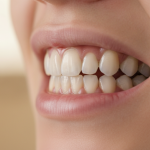
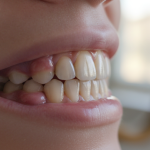
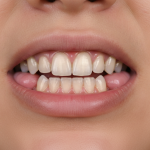
A healthy, bright smile is often considered one of the primary indicators of good overall health and personal hygiene. However, maintaining pristine oral health requires much more than just keeping your teeth looking white. Beneath the surface lies a complex tissue structure designed to protect and anchor your teeth: your gums. When your gums become irritated, swollen, or prone to bleeding, you are likely experiencing the first stage of periodontal illness known as gingivitis.
Understanding gingivitis is crucial because it is extremely common, subtle in its early stages, and completely reversible if caught in time. Left unchecked, however, this mild form of gum inflammation can progress into severe infections that threaten not only your teeth but also your systemic physical health. In this comprehensive guide, we will explore everything you need to know about early gum disease, including its causes, symptoms, diagnosis, treatment, and its surprising connections to overall body health and lifestyle habits.
1. What Exactly Is Gingivitis?
The word gingivitis originates from two roots: “gingiva,” meaning the gums, and “-itis,” a medical suffix indicating inflammation. Therefore, gingivitis simply means inflammation of the gums. It represents the earliest and mildest stage of periodontal disease, an infection of the tissues that support your teeth.
Unlike more advanced forms of gum infection, early gum disease affects only the superficial soft tissue surrounding the teeth. It does not yet cause damage to the underlying bone or the structural connective fibers that hold the teeth firmly inside the jaw. Because the underlying bone structure remains intact, gingivitis is entirely reversible with proper intervention and improved daily oral hygiene.
How Gingivitis Develops
The primary trigger behind gingivitis is the buildup of dental plaque. Dental plaque is a soft, sticky, invisible film of bacteria that constantly forms on your teeth throughout the day. These bacteria thrive on the sugars and starches present in the food you consume.
When dental plaque is allowed to linger on the surfaces of your teeth—especially around the gumline—the bacteria release toxins and metabolic byproducts. These substances irritate the sensitive gum tissue, prompting your body’s immune system to initiate an inflammatory response. Blood vessels in the area dilate to bring immune cells to fight the local bacterial threat, leading to the classic red, swollen, and tender gums associated with early gum disease.
2. The Mechanics of Plaque and Tartar
To fully understand gingivitis, it is essential to distinguish between dental plaque and tartar (also known as dental calculus).
- Dental Plaque: As mentioned, plaque is a dynamic biofilm composed of living bacteria, salivary proteins, and food remnants. It forms within hours after you brush. Fortunately, because it is soft, plaque can be easily disrupted and removed using a toothbrush and dental floss.
- Tartar (Calculus): If dental plaque is left on the teeth for more than 24 to 72 hours, it reacts with minerals naturally present in your saliva (such as calcium and phosphate). This reaction causes the soft plaque to harden into a concrete-like substance known as tartar.
Once tartar forms on your teeth, particularly beneath the gumline, it creates a rough surface that allows even more plaque to attach. Unlike plaque, tartar cannot be removed by simple brushing or flossing at home. It requires specialized mechanical instruments used by a dental professional. The continued presence of tartar provides a safe haven for harmful bacterial colonies, continuously provoking gum inflammation and worsening gingivitis.
3. Recognizing the Signs and Symptoms of Early Gum Disease
One of the main reasons gingivitis is so widespread is that it often develops quietly and painlessly. Many individuals live with early gum disease for months or years without realizing their oral health is compromised. Recognizing subtle red flags early on can save you from invasive dental treatments in the future.
Key Symptoms Include:
- Bleeding Gums: The most recognized signature of gingivitis is bleeding gums. If you notice a pink tint in the sink after spitting out toothpaste, or if your gums bleed when you floss, your gum tissue is likely inflamed and delicate. Healthy gums do not bleed during standard cleaning routines.
- Redness and Swelling: Healthy gums are firm, resilient, and display a light, coral-pink color. In contrast, inflamed gums appear puffy, swollen, and dark red or purplish.
- Tenderness and Sensitivity: While gingivitis is rarely acutely painful, your gums may feel tender to the touch, especially when eating hard foods or brushing.
- Persistent Bad Breath (Halitosis): Bacteria lingering in untreated dental plaque emit volatile sulfur compounds. If you experience chronic bad breath or an unpleasant metallic taste in your mouth despite using mints or mouthwash, bacterial buildup along the gumline may be the culprit.
- Receding Gums: As gums remain chronically inflamed, they may begin to pull away from the enamel of the teeth, making the teeth appear visually longer than usual.
4. Causes and Major Risk Factors
While poor daily oral hygiene is the leading cause of gingivitis, a variety of secondary factors can significantly increase your susceptibility to early gum disease.
A. Suboptimal Hygiene Habits
Infrequent brushing, neglecting to floss, or using improper techniques allows dental plaque to thrive uninterrupted.
B. Tobacco Use
Smoking or using smokeless tobacco is one of the most significant risk factors for gum complications. Tobacco suppresses the immune response, reduces oxygen delivery to soft tissues via constricted blood vessels, and impairs the gums’ natural capacity to heal.
C. Hormonal Changes
Fluctuations in hormone levels—such as those experienced during puberty, pregnancy, menopause, or monthly menstrual cycles—can make gum tissue far more sensitive to bacterial irritation. “Pregnancy gingivitis” is a well-known condition resulting from elevated progesterone levels.
D. Systemic Health and Weight Issues
Metabolic conditions, including type 2 diabetes, compromise the immune system’s ability to control bacterial growth. Furthermore, chronic physical conditions and systemic inflammation, often heightened by excessive weight, can aggravate localized inflammation in the mouth. When metabolic health is unbalanced, your immune system works overtime, making it harder for your body to fight off oral infections. If you are struggling with lifestyle-related factors and want to support your physical transformation, implementing a proven nutritional strategy like this advanced weight management formula can help you regain control over your metabolic health, reduce systemic strain, and feel your best.
E. Nutritional Deficiencies
A diet low in essential nutrients, particularly Vitamin C (which supports collagen synthesis) and water, makes it difficult for gum tissues to repair and defend themselves.
5. Gingivitis vs. Periodontitis: What’s the Difference?
It is vital to understand that gingivitis and periodontitis are not the same condition, though they are deeply connected. Gingivitis always precedes periodontitis, but gingivitis does not automatically progress to advanced disease if handled promptly.
| Characteristic | Gingivitis | Periodontitis |
|---|---|---|
| Severity | Mild, early stage | Advanced, destructive stage |
| Reversibility | Fully reversible | Irreversible (manageable only) |
| Tissue Damage | Soft tissue inflammation only | Soft tissue destruction & bone loss |
| Tooth Stability | Teeth remain firm in the socket | Teeth may become loose or require extraction |
| Treatment | Improved hygiene & basic cleaning | Deep scaling, root planing, or surgery |
When gingivitis is ignored, bacterial colonies migrate deeper beneath the gumline, forming deep spaces called “periodontal pockets.” Inside these sheltered pockets, aggressive anaerobic bacteria multiply rapidly, destroying the ligament fibers and bone structures holding the teeth in place. Preventing this progression is the core objective of early treatment.
6. How Is Gingivitis Diagnosed?
Diagnosing gingivitis is straightforward and typically occurs during a routine clinical dental checkup. A dentist or dental hygienist uses a combination of evaluation techniques:
- Visual Examination: The clinician inspects the color, texture, shape, and firmness of your gums, looking for signs of swelling, tissue discoloration, or recession.
- Periodontal Probing: A tiny, blunt metal ruler called a periodontal probe is gently inserted into the narrow crevice between your tooth and gum (the sulcus). In healthy gums, this depth measures between 1 and 3 millimeters. Depths exceeding 3 millimeters, accompanied by bleeding, suggest inflammation or early pocket formation.
- Dental X-Rays: X-rays are taken to assess whether any bone loss has occurred beneath the surface. If bone loss is absent, the diagnosis remains gingivitis.
7. How to Reverse Gingivitis: Reclaiming Your Oral Health
The best news regarding gingivitis is that it is entirely reversible. Because no structural bone loss has occurred, you can restore your gums to optimal health through consistent actions.
Step 1: Professional Dental Cleaning
Home care alone cannot remove tartar once it has hardened onto your teeth. A professional dental cleaning (prophylaxis) performed by a dental hygienist is the necessary starting point. They will thoroughly scrape away all tartar and soft dental plaque above and slightly below the gumline, giving your gums a clean slate to heal.
Step 2: Master Your Home Oral Hygiene
Once your teeth are professionally cleaned, keeping them clean requires a disciplined daily routine:
- Brush Twice Daily: Use a soft-bristled toothbrush (manual or electric) and fluoride toothpaste. Brush at a 45-degree angle toward the gumline for a full two minutes each time.
- Floss Every Single Day: Brushing cleans only about 60% of your tooth surfaces. Dental floss or interdental brushes are non-negotiable for clearing dental plaque out from between the teeth where a brush cannot reach.
- Incorporate an Antiseptic Mouthwash: An over-the-counter or prescription antimicrobial mouthwash can help eliminate residual bacteria and soothe inflamed tissues.
Step 3: Upgrade Your Lifestyle Habits
Achieving vibrant health in your gums is difficult if your broader bodily health is neglected. Reducing refined sugar consumption starves harmful oral bacteria of their primary energy source. Stopping smoking dramatically accelerates tissue repair.
Furthermore, optimizing your body weight and metabolic efficiency plays a significant role in downregulating systemic inflammatory markers throughout your body. Maintaining a healthy weight reduces overall metabolic stress; if you need extra support achieving your body composition goals alongside your health routine, exploring a trusted dietary solution like this natural weight loss supplement can help streamline your wellness journey and support overall vitality.
8. The Systemic Health Connection: Why Your Gums Matter to Your Whole Body
For decades, oral health was viewed as isolated from the rest of human anatomy. Today, modern medicine acknowledges a strong bidirectional relationship between oral health and systemic health, often referred to as the “oral-systemic link.”
When you suffer from chronic gum inflammation, the tissue barrier inside your mouth becomes permeable. Tiny micro-ulcerations form along the inside wall of the gum pocket, allowing oral bacteria to enter your bloodstream every time you chew or brush. Once in circulation, these bacteria and inflammatory cytokines travel throughout your vascular network.
Conditions Linked to Gum Inflammation:
- Cardiovascular Disease: Chronic exposure to oral bacteria can contribute to arterial plaque buildup (atherosclerosis), raising the risk of heart attacks and strokes.
- Diabetes Complications: The relationship between diabetes and bleeding gums works both ways. Uncontrolled blood sugar worsens gum infections, while active gum infections make it significantly harder to stabilize blood glucose levels.
- Respiratory Infections: Inhaling bacteria from infected gums down into the lungs can contribute to respiratory conditions such as pneumonia, particularly in older adults.
- Metabolic Syndrome: Excessive body fat combined with systemic inflammation can exacerbate structural health challenges across multiple body systems, including your mouth. Taking proactive steps toward sustainable body weight management—such as incorporating healthy diet choices alongside this recommended weight loss option—is an impactful strategy to lower overall inflammatory burden and boost metabolic balance.
9. Preventive Measures: Keeping Gingivitis at Bay Permanently
Preventing gingivitis from returning requires sustainable daily habits and long-term commitment. Prevention is always simpler, cheaper, and far less uncomfortable than cure.
- Adopt Electric Toothbrush Technology: Electric toothbrushes deliver significantly more micro-vibrations per minute than manual brushing, removing far more dental plaque near the margins of the gums.
- Drink Plenty of Water: Water cleanses food particles from the mouth and supports healthy saliva production. Saliva contains defensive enzymes and minerals that naturally protect teeth against bacterial acid attacks.
- Schedule Biannual Dental Visits: Seeing your dentist every six months ensures that minor plaque buildup is removed before turning into widespread tartar, keeping early gum disease from taking root.
- Eat a Whole-Food Diet: Emphasize leafy greens, crunchy vegetables, lean proteins, and antioxidant-rich fruits. Crunchy fresh vegetables like carrots and celery stimulate saliva flow and gently clean tooth surfaces as you chew.
Final Thoughts
Gingivitis serves as an early warning signal from your body. While finding bleeding gums or noticing soft tissue swelling can be unsettling, early gum disease is your chance to turn things around before permanent damage occurs. By recognizing the subtle signs, maintaining meticulous home oral hygiene, visiting your dentist regularly, and supporting your overall physical health, you can secure firm, pink, healthy gums and keep your natural smile intact for a lifetime.