2. Excessive UV Exposure
Prolonged exposure to ultraviolet (UV) rays can damage the retina and increase the risk of developing AMD. While some UV exposure is inevitable, consistent unprotected exposure to sunlight can lead to cumulative harm over time.
Why It’s Harmful:
- UV damage to the retina causes oxidative stress, leading to the breakdown of retinal cells.
- Blue light from the sun contributes to macular degeneration by harming the macula.
Tip:
- Always wear sunglasses with 100% UV protection when outdoors.
- Consider wearing a wide-brimmed hat for additional shade. Wearing proper protection against UV rays is a key step in avoiding vision loss caused by environmental factors.
3. Poor Diet
A diet high in processed foods, trans fats, and refined sugars can contribute to inflammation and oxidative stress, which accelerate macular degeneration. Deficiency in essential nutrients like omega-3 fatty acids, lutein, and vitamins A and C is a common dietary factor in AMD progression.
Why It’s Harmful:
- Processed foods lack the nutrients needed to support healthy retinal function.
- High-sugar diets increase the risk of diabetes, which can lead to diabetic eye diseases like retinopathy and worsen AMD.
Tip:
Focus on whole, nutrient-rich foods that promote long-term eye health. Replace processed snacks with options like nuts, seeds, and fresh fruits to boost your intake of antioxidants and vitamins for retinal health.
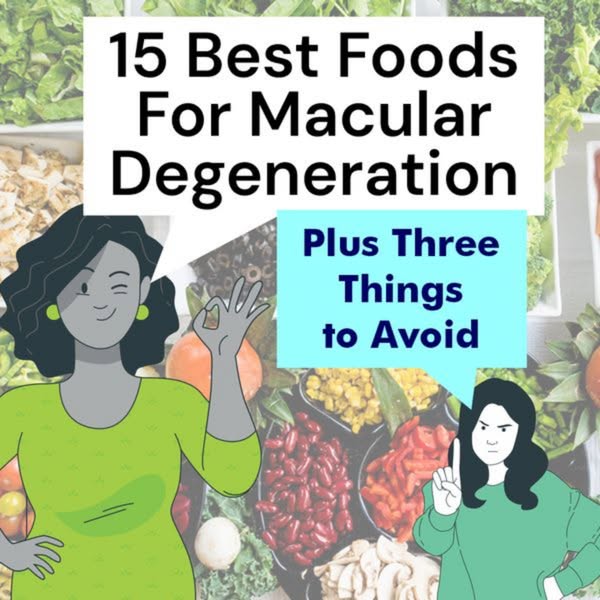
By avoiding these risk factors—smoking, UV exposure, and poor dietary habits—and pairing these efforts with the consumption of the 15 best foods for macular degeneration, you can significantly lower your risk of vision loss and maintain healthy eyes well into the future.
Final Thoughts
Incorporating these 15 best foods for macular degeneration into your diet can help protect your vision and reduce the risk of AMD. These nutrient-rich foods, packed with antioxidants, lutein, omega-3 fatty acids, and essential vitamins, provide a natural and effective way to support long-term eye health.
To maximize the benefits, combine a balanced diet with regular exercise, routine eye check-ups, and protective habits like wearing UV-blocking sunglasses. Additionally, it’s important to be aware of habits and environmental factors that can harm your vision.
Don’t Forget the 3 Things to Avoid
While nourishing your eyes with the right foods is essential, avoiding key risk factors is just as crucial. At the end of this article, we explored three critical things to avoid: smoking, excessive UV exposure, and poor dietary habits. Steering clear of these factors can significantly enhance your efforts to safeguard your vision for years to come.









