A healthy smile is often viewed as a universal sign of vitality, confidence, and overall well-being. However, beneath the surface of bright white teeth lies a critical foundation that is frequently overlooked: your gums. Gum disease, medically categorized in its early stage as gingivitis and in its advanced stage as periodontitis, is one of the most widespread chronic inflammatory conditions in the world today. Millions of adults suffer from some form of gum inflammation, often without even realizing it until significant damage has occurred.
Because gum disease frequently develops quietly without intense pain in its early phases, it is often dubbed a “silent threat.” Left unchecked, it can lead to swollen tissues, bleeding gums, persistent bad breath, receded gum lines, and eventually, permanent tooth loss. Furthermore, modern research has conclusively linked poor oral health to systemic medical issues, including cardiovascular disease, diabetes complications, and respiratory infections.
Understanding what triggers this destructive process is the single most effective way to safeguard your mouth. Here is a comprehensive look at the 7 common gum disease causes, explaining how they damage your tissue and what you can do to keep your smile intact.
1. Inadequate Oral Hygiene and Plaque Accumulation
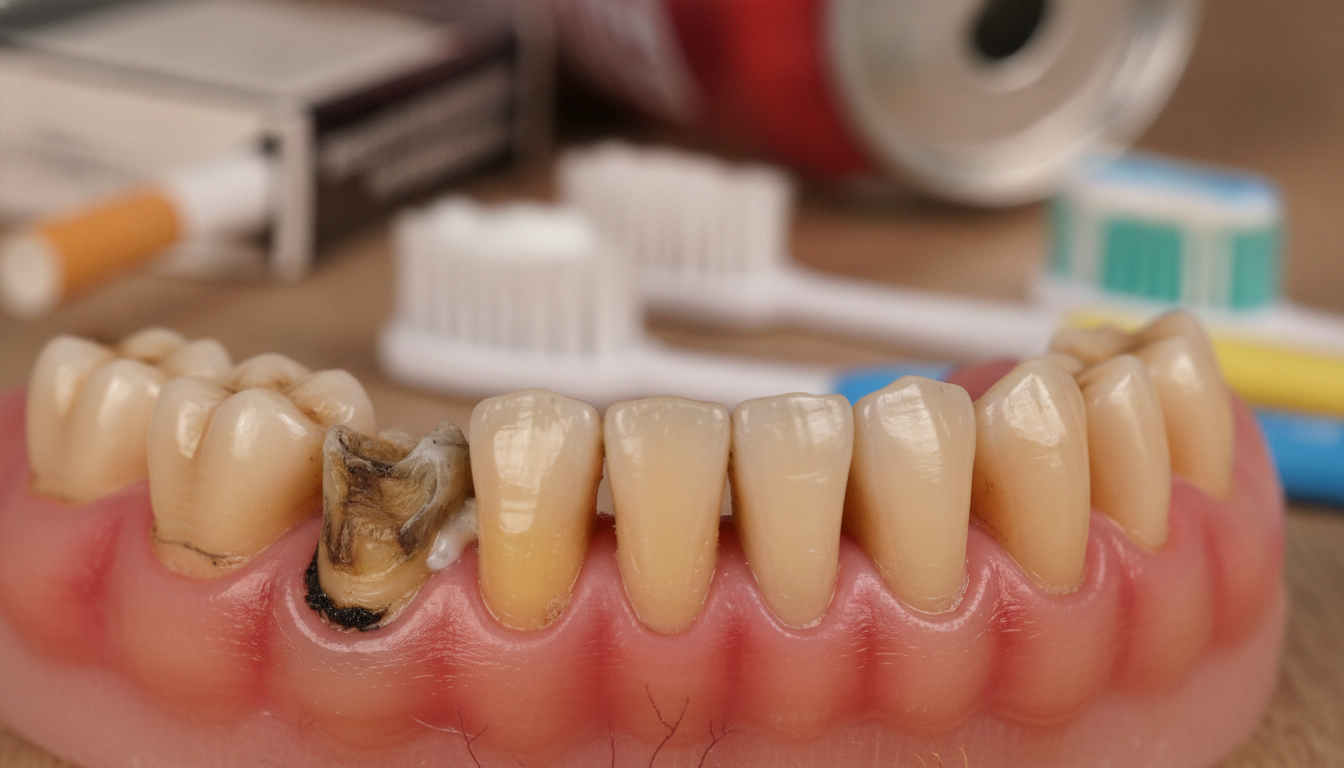
The primary and most frequent driver of gum disease is poor daily oral hygiene. Every single day, a colorless, sticky film of bacteria known as dental plaque constantly forms on your teeth and along the gumline.
When you eat, the bacteria within plaque feed on the sugars and carbohydrates left behind by food. As these bacteria digest sugars, they produce harmful acids and toxins that irritate the delicate mucosal tissue surrounding your teeth.
[Food Particles + Oral Bacteria] ➔ [Sticky Plaque] ➔ [Toxins & Acids] ➔ [Gum Inflammation]
If plaque is not thoroughly removed through regular brushing and flossing, it undergoes a chemical process called mineralization. Within 24 to 72 hours, soft plaque hardens into tartar (also called calculus). Unlike plaque, tartar cannot be removed with a standard toothbrush; it requires specialized ultrasonic and hand tools used by dental professionals.
Tartar creates a rough surface that acts as a magnet for even more bacterial growth, accelerating gum inflammation. As bacteria retreat deeper below the gumline, they form pockets where destructive microbes thrive, triggering bleeding gums and degrading the structural fibers holding your teeth in place.
To complement brushing and flossing, many individuals turn to specialized internal nutritional support to balance their oral microbiome. Utilizing a targeted advanced oral health supplement can help nourish the tissue from within, providing essential nutrients that reinforce the natural defense mechanisms of your gums against persistent plaque bacteria.
2. Tobacco Use and Smoking
Tobacco use—whether through traditional cigarettes, cigars, pipes, smokeless chewing tobacco, or modern vaping devices—is one of the most potent risk factors for severe periodontal disease.
Nicotine and the thousands of toxic chemicals inhaled during smoking wreak havoc on the circulatory system within the mouth. Nicotine acts as a vasoconstrictor, meaning it causes the tiny blood vessels in your gums to narrow. This constriction severely reduces blood flow, oxygen, and critical immune cells to the periodontal tissues.
This altered blood flow creates a dangerous paradox:
- Masked Symptoms: Smokers often do not experience early warning signs like obvious bleeding gums, because the reduced blood circulation prevents normal inflammatory responses. This creates a false sense of security while deep underlying damage accumulates.
- Impaired Healing: Reduced oxygenation deprives the tissue of the nutrients required for cellular repair.
- Suppressed Immunity: The local immune response in the oral cavity becomes severely compromised, making it exceedingly easy for destructive anaerobic bacteria to multiply.
Furthermore, tobacco users tend to collect more tartar than non-smokers, and the depth of their periodontal pockets increases at a significantly faster rate. Treatments for gingivitis and advanced periodontitis are also far less successful in smokers due to the body’s impaired capacity to heal tissue.
3. Hormonal Fluctuations
Hormonal imbalances represent a lesser-known but extremely prevalent cause of gum inflammation. Hormones act as chemical messengers that regulate various physiological functions, and sensitive oral tissues possess specific receptors that react directly to changing hormone levels—particularly estrogen and progesterone.
Throughout a person’s life, several key life stages trigger significant hormonal surges that increase susceptibility to gum disease:
Puberty
During adolescence, a surge in sex hormones increases blood circulation to the gums. This heightened sensitivity makes the tissue react aggressively to even tiny amounts of plaque buildup, leading to red, swollen, and tender gums.
Pregnancy (“Pregnancy Gingivitis”)
Hormonal shifts reach an all-time high during pregnancy, especially between the second and eighth months. Rising progesterone levels cause blood vessels in the gums to dilate, while simultaneously altering the body’s response to everyday oral bacteria. This often results in pregnancy gingivitis, characterized by severe swelling, sensitivity, and frequent bleeding gums.
Menopause and Post-Menopause
Decreased estrogen levels during menopause can cause a condition known as estrogen-deficiency stomatitis. Patients may experience dry mouth, burning sensations, and a thinning of the mucosal lining, making the gums far more vulnerable to mechanical trauma and bacterial invasion.
4. Poor Nutrition and Vitamin Deficiencies
Your mouth is an ecosystem that requires a steady supply of vital micronutrients to repair cellular damage, produce collagen, and combat microscopic pathogens. A diet heavily reliant on ultra-processed foods, refined sugars, and devoid of fresh produce creates a fertile environment for gum disease.
The Sugar Effect
Simple sugars feed pathogenic bacteria in the mouth. As these micro-organisms consume sugar, they produce inflammatory compounds and metabolic acids that directly break down the attachment between the tooth and the gum.
Critical Nutrient Shortages
- Vitamin C Deficiency: Vitamin C is essential for the synthesis of collagen, the primary structural protein in human connective tissue. A severe deficiency weakens the capillary walls and structural integrity of gum tissue, leading to easy bruising and bleeding gums (historically recognized as scurvy).
- Vitamin D and Calcium: Vitamin D regulates calcium absorption and manages inflammatory responses. Without adequate levels, the alveolar bone—the bone structure supporting your teeth—becomes brittle and degrades rapidly under bacterial attack.
- Antioxidants: A lack of antioxidants leaves the body ill-equipped to handle oxidative stress, allowing free radicals to cause cellular damage throughout the oral cavity.
To actively combat nutritional gaps that compromise oral tissue resilience, integrating a potent dental health and gum support formula can deliver the exact micronutrients, antioxidants, and botanical extracts needed to suppress inflammation and strengthen natural tissue resistance.
5. Systemic Health Conditions and Chronic Illnesses
The health of your mouth cannot be separated from the health of the rest of your body. Systemic illnesses that affect the immune system, metabolism, or inflammatory pathways often manifest dramatically in the mouth.
[Systemic Disease / Immune Strain]
│
▼
[Compromised Immune Defense]
│
▼
[Rapid Progression of Periodontitis]
Diabetes Mellitus
The link between diabetes and periodontal disease is well-established and operates as a two-way street. Individuals with poorly managed diabetes are significantly more susceptible to severe gum disease. High blood sugar levels lead to elevated glucose in saliva, providing an abundance of food for destructive bacteria. Furthermore, diabetes thickens blood vessels, slowing down the transport of nutrients and waste removal from tissue. Conversely, active gum inflammation makes it much harder for diabetic patients to control their blood glucose levels.
Autoimmune Disorders
Conditions such as rheumatoid arthritis, lupus, and Inflammatory Bowel Disease (IBD) cause the body’s immune system to mistakenly attack its own healthy tissues. This hyper-inflammatory state amplifies the destructive response to normal dental plaque, leading to accelerated destruction of the periodontal ligament and surrounding bone.
Cardiovascular Disease
While research continues to explore the precise causal relationships, studies consistently show that chronic periodontitis correlates strongly with heart disease, stroke, and arterial clogged pathways, driven by systemic inflammatory markers entering the bloodstream through damaged gum capillaries.
6. Prescription Medications and Dry Mouth (Xerostomia)
Saliva is one of your body’s most effective natural defenses against gum disease. It continually washes away loose food particles, neutralizes destructive acids produced by plaque bacteria, and carries vital enzymes and minerals that strengthen tooth enamel and suppress microbial overgrowth.
When saliva production drops—a condition known as xerostomia or dry mouth—the natural cleansing mechanism fails. Without sufficient saliva flow, plaque accumulates exponentially faster, and bacteria proliferate unchecked.
Hundreds of common prescription and over-the-counter medications list dry mouth as a primary side effect, including:
- Antihistamines and decongestants
- Antidepressants and anti-anxiety medications
- High blood pressure medications (diuretics and beta-blockers)
- Pain relievers and muscle relaxants
Additionally, certain specific drugs can trigger a condition called drug-induced gingival overgrowth, where the gum tissue swells dramatically and grows over the teeth. This excess tissue creates deep, artificial pockets that are nearly impossible to clean with standard home hygiene tools, inevitably leading to localized gingivitis and advanced structural damage.
7. Chronic Stress and Teeth Grinding (Bruxism)
Modern life introduces psychological and physical stressors that quietly erode your oral health. While stress is often viewed as purely mental, its physical manifestation takes a heavy toll on the soft tissues and structural bones inside your mouth.
Immune System Suppression
Chronic stress triggers the continuous release of stress hormones, primarily cortisol. Elevated cortisol levels suppress the immune system’s capacity to fight off infection. When your immune defense is down, your body struggles to keep normal amounts of plaque bacteria under control, allowing mild gum inflammation to escalate into aggressive periodontitis.
Physical Trauma from Bruxism
Many people react to stress by unconsciously grinding or clenching their teeth during sleep—a condition known as bruxism. Bruxism exerts immense, unnatural pressure on the teeth, the jaw joint, and the supporting periodontal structures.
[Unconscious Grinding/Clenching] ➔ [Trauma to Periodontal Ligaments] ➔ [Accelerated Bone Loss]
While grinding does not directly cause the bacterial infection, the excessive mechanical force damages the periodontal ligaments and destabilizes the supporting bone. When combined with pre-existing plaque buildup, this physical trauma causes the surrounding bone to dissolve far more rapidly than it would from bacterial infection alone.
How to Recognize the Warning Signs
Early detection is essential when dealing with gum disease. Because early-stage gingivitis is completely reversible, watching for early warning signals can save you from invasive dental procedures or permanent structural damage later.
Keep an eye out for these telltale signs:
- Gums that bleed easily during brushing or flossing
- Red, swollen, or unusually tender gum tissue
- Persistent bad breath (halitosis) or an unpleasant taste in your mouth that doesn’t disappear after rinsing
- Gums that appear to be pulling away from your teeth, making your teeth look longer
- Deep pockets forming between your teeth and your gums
- Changes in the way your teeth fit together when you bite down
- Loose or shifting teeth
Actionable Strategies to Protect Your Oral Health
Preventing and reversing early gum inflammation requires a multi-faceted approach. By combining proper daily hygiene habits with dietary support and lifestyle adjustments, you can effectively safeguard your smile for a lifetime.
- Master the Daily Hygiene Routine: Brush thoroughly at least twice a day using a soft-bristled brush, holding it at a 45-degree angle toward the gumline. Clean between every tooth daily using dental floss or an interdental brush to dislodge hidden plaque.
- Schedule Professional Cleanings: Visit your dentist or dental hygienist every six months for a professional cleaning to remove hardened tartar that regular brushing cannot touch.
- Eliminate Tobacco: Quitting smoking or chewing tobacco immediately restores blood circulation and immune functionality to your gum tissues, significantly speeding up healing times.
- Manage Stress and Wear a Nightguard: If you grind your teeth at night, ask your dentist about a custom-fitted nightguard to protect your teeth and surrounding bone structures from mechanical stress.
- Optimize Internal Nutrition: Eat a balanced diet rich in leafy greens, clean proteins, healthy fats, and antioxidants. Limit sugary snacks that feed pathogenic bacteria.
To give your body an extra edge in maintaining tissue integrity and fighting off stubborn inflammation, consider supplementing your daily routine with this proven natural teeth and gingivitis support formula. Providing targeted nutritional support directly to your system helps strengthen the delicate mucosal barrier, neutralizes damaging free radicals, and supports long-term periodontal health alongside your regular brushing regimen.
Summary
Gum disease is a complex, multi-factorial condition driven by a combination of bacterial accumulation, lifestyle factors, genetic predispositions, and systemic health status. By understanding these 7 common gum disease causes—from everyday plaque buildup and nutrient deficiencies to chronic stress and medication side effects—you can take proactive control of your dental future.
With consistent daily care, smart lifestyle decisions, and proper nutritional backing, you can maintain healthy gums, safeguard your natural teeth, and preserve a strong, radiant smile for years to come.