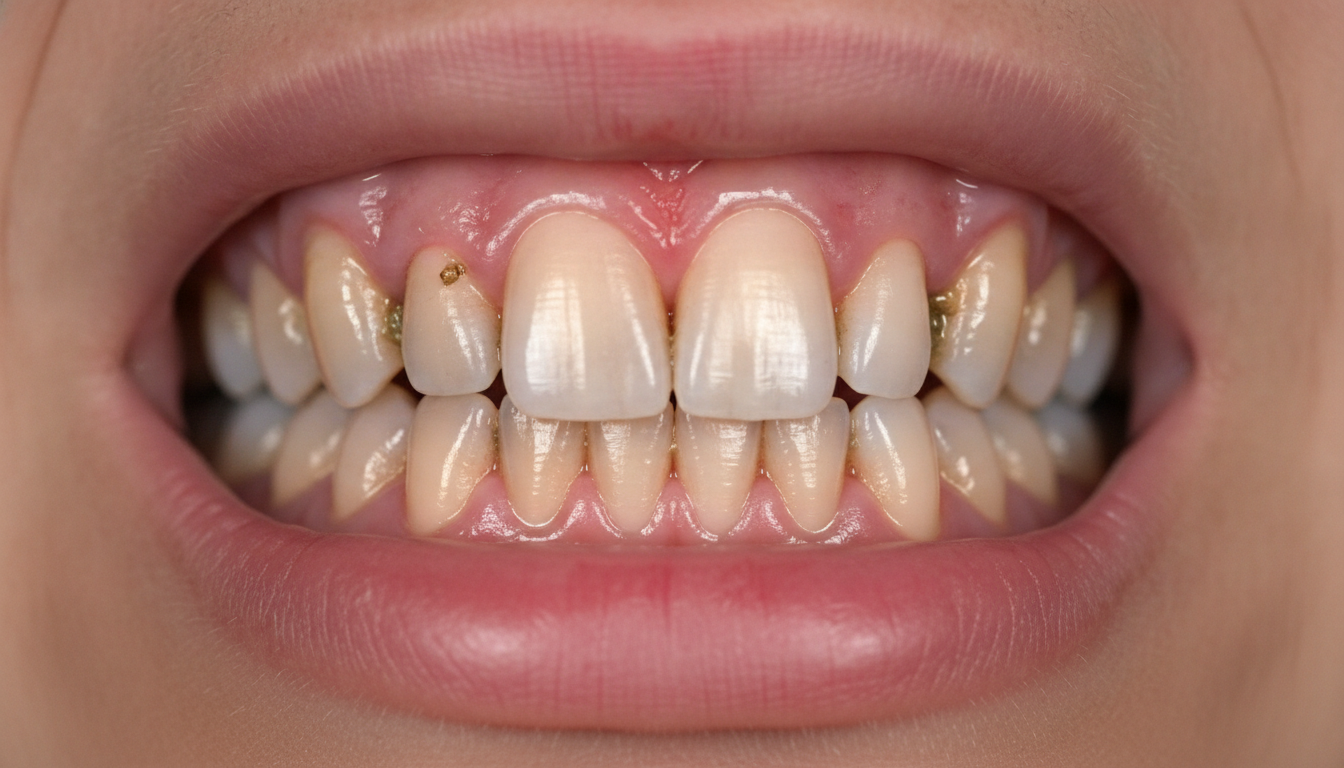
Your mouth is the gateway to your overall health, yet millions of people around the world suffer from varying stages of periodontal illness without even knowing it. While early-stage gum inflammation may seem like a minor nuisance, leaving it unaddressed can trigger a cascade of severe oral health issues. When ignored, simple gingivitis transforms into advanced gum disease—a chronic, destructive inflammatory condition that endangers not only your teeth but your entire structural jaw support and systemic well-being.
In this comprehensive guide, we will explore everything you need to know about severe periodontal damage. From recognizing early warning signs to exploring high-tech surgical remedies, daily prevention, and natural support systems, this deep dive equips you with the knowledge to reclaim your smile and preserve your health.
Understanding the Progression: From Gingivitis to Advanced Periodontitis
Gum disease does not happen overnight. It is a slow, silent progression driven primarily by dental plaque—a sticky, colorless film of bacteria that continuously forms on your teeth.
1. Gingivitis (The Early Stage)
The journey toward severe oral damage begins with mild inflammation known as gingivitis. At this point, bacteria accumulate along the gumline, causing the tissue to look red, swollen, and prone to light bleeding during brushing or flossing. Crucially, at this stage, there is no irreversible bone or tissue damage.
2. Moderate Periodontitis
If plaque is not regularly removed, it hardens into tartar (calculus), a concrete-like substance that can only be cleared away by a dental professional. Tartar provides a rough surface for even more bacteria to colonize. As the body’s immune system attempts to fight off this bacterial invasion, it produces enzymes that break down the connective tissue holding teeth in place. The gums begin to pull away from the teeth, forming deep spaces called periodontal pockets.
3. Advanced Gum Disease (Severe Periodontitis)
When infection penetrates deep below the gumline into these pockets, you enter the stage of advanced gum disease. The immune response, combined with bacterial toxins, destroys the periodontal ligament and underlying alveolar bone. Without immediate, aggressive periodontitis treatment, the teeth lose their anchor, shift out of alignment, become loose, and ultimately fall out or require surgical extraction.
Symptoms of Advanced Gum Disease You Should Never Ignore
Unlike a sudden cavity that causes a sharp toothache, chronic oral infections can advance silently. However, when the condition reaches an advanced stage, the body begins signaling severe distress.
+——————————————————————-+
| STAGES OF GUM DISEASE PROGRESSION |
+——————————————————————-+
| 1. GINGIVITIS -> Mild swelling, red gums, minor bleeding |
| 2. MODERATE DISEASE -> Pocket formation, early bone loss |
| 3. ADVANCED DISEASE -> Receding gums, loose teeth, severe infection|
+——————————————————————-+
Key gum infection symptoms to look out for include:
- Persistent Bad Breath (Halitosis): Unpleasant odors caused by volatile sulfur compounds produced by deep-seated bacterial colonies beneath the gumline.
- Receding Gums: The gumline visibly pulls back, making the teeth appear longer and exposing sensitive tooth roots to temperature variations and decay.
- Spontaneous Bleeding: Swollen, deep red, or purple tissue that bleeds easily during eating, brushing, or even speaking.
- Pus Accumulation: Pockets of infection (abscesses) forming between the teeth and gums, occasionally discharging foul-tasting fluid.
- Painful Chewing: Sharp discomfort or dull aches when biting down due to weakened structural support.
- Loosening or Shifting Teeth: Teeth that move under light pressure, feel “floating,” or create new, uncomfortable gaps between one another.
- Changes in Bite Alignment: A noticeable change in how your upper and lower teeth fit together when you close your mouth.
If you are experiencing a combination of these issues, it is crucial to consult a periodontist immediately. Additionally, incorporating a targeted daily oral hygiene regimen paired with a specialized advanced natural gum support solution can help nourish damaged tissues and curb the spread of harmful bacteria alongside professional medical care.
Causes and Key Risk Factors
While bad bacterial accumulation is the primary cause of periodontal disease, several external and genetic factors accelerate the destruction of tissue and bone:
- Poor Hygiene Practices: Inconsistent brushing and flossing allow bacterial colonies to mature and harden into subgingival tartar.
- Tobacco Use: Smoking or vaping is one of the most significant risk factors for developing severe oral infections. Tobacco impairs blood flow to the gums, masking early signs like bleeding gums while severely reducing the body’s capacity to heal.
- Genetics: Some individuals are genetically predisposed to hyper-inflammatory responses against oral bacteria, making them far more vulnerable to bone loss.
- Systemic Illnesses: Conditions like Type 2 diabetes, cardiovascular disease, rheumatoid arthritis, and auto-immune disorders exacerbate systemic inflammation, speeding up tissue damage.
- Hormonal Fluctuations: Pregnancy, menopause, and puberty cause hormonal shifts that increase mucosal sensitivity to plaque toxins.
- Nutritional Deficiencies: A lack of essential minerals, antioxidants, and vitamins (especially Vitamin C, Vitamin D, and Zinc) impairs connective tissue repair and compromises the immune response.
Clinical Treatments for Advanced Gum Disease
When chronic infection damages the bone and tissue matrix, standard cleaning procedures are no longer sufficient. Periodontists utilize advanced non-surgical and surgical interventions to halt disease progression and attempt structural restoration.
+——————————————————————-+
| PERIODONTAL TREATMENT OPTIONS |
+——————————————————————-+
| NON-SURGICAL | Scaling and Root Planing, Localized Antibiotics |
| SURGICAL | Flap Surgery, Bone Grafts, Tissue Regeneration |
| MAINTENANCE | Supportive Nutritional Therapy, Deep Cleans |
+——————————————————————-+
Non-Surgical Interventions
Deep Cleaning: Scaling and Root Planing
The primary non-surgical baseline for chronic bacterial control is scaling and root planing.
- Scaling: Specialized ultrasonic tools and hand instruments are used to meticulously remove tartar, calculus, and bacterial biofilms from above and far below the gumline.
- Root Planing: The dentist smoothes the rough root surfaces of the teeth. This prevents future bacterial attachment and encourages the clean gum tissue to re-attach to the smooth root structure.
Localized Antimicrobial Therapy
Following deep scaling, clinicians often place slow-release antimicrobial gels or chip inserts into deep pockets to eliminate residual microscopic bacteria over several weeks.
Surgical Interventions
When pocket depths exceed 5 to 6 millimeters, non-surgical methods alone cannot clean the base of the infection. Surgical intervention becomes necessary.
1. Pocket Reduction (Flap) Surgery
During flap surgery, a periodontist makes small incisions along the gumline to lift back the tissue. This grants direct visual access to deep tartar deposits and damaged bone surfaces. After deep cleaning and reshaping the uneven bone, the tissue is stitched tightly back into place, drastically reducing pocket depth for easier long-term cleaning.
2. Bone Grafting
When severe periodontitis breaks down the jawbone holding the teeth in place, bone grafting is performed. Synthetic, human, or animal bone fragments are packed into the areas of bone loss. This graft serves as a structural scaffold, stimulating your body to regenerate natural bone tissue over time.
3. Soft Tissue Grafts
To repair receding gums and cover exposed roots, tissue is harvested from another part of the mouth (such as the palate) or sourced from donor tissue, then stitched onto the affected site. This reduces root sensitivity, protects against root decay, and restores a balanced aesthetic.
4. Guided Tissue Regeneration (GTR)
GTR involves placing a biocompatible membrane between the damaged bone and the surrounding soft tissue. This barrier prevents fast-growing gum tissue from filling the area where bone should be, allowing slower-growing bone cells to regenerate without interference.
The Systemic Connection: How Oral Health Impacts Whole-Body Health
Periodontal disease is not contained to the mouth. Deep pockets function as open ulcers beneath your gumline, offering bacteria direct entry into your bloodstream. Once in the systemic circulation, these oral pathogens release toxins that trigger systemic inflammatory responses throughout the body.
Research links chronic advanced gum disease with several major general health conditions:
- Cardiovascular Disease: Bacteria entering the bloodstream contribute to fatty deposits in the coronary arteries, raising the risk of blood clots, heart attacks, and strokes.
- Diabetes Management: The relationship between gum infections and diabetes is a two-way street. High blood sugar makes gum infections worse, while systemic inflammation caused by periodontitis makes it harder for diabetic patients to regulate blood sugar levels.
- Respiratory Illnesses: Inhaled bacteria from deep gum pockets can travel into the lungs, worsening conditions like chronic obstructive pulmonary disease (COPD) or causing severe pneumonia.
- Pregnancy Complications: Pregnant women with active periodontal infections face higher rates of preeclampsia, premature birth, and low birth weight.
Daily Home Care and Prevention Protocols
Surgical procedures and clinical cleans save teeth, but maintaining long-term recovery depends on consistent, daily home care. Restoring oral health requires combining rigorous mechanical cleaning with effective, targeted biochemical support.
+——————————————————————-+
| DAILY HYGIENE ROUTINE FOR OPTIMAL GUMS |
+——————————————————————-+
| STEP 1: Soft-bristle mechanical or sonic brushing (2x Daily) |
| STEP 2: Interdental cleaning (Floss, Water Flosser, Proxabrush) |
| STEP 3: Targeted antibacterial wash or essential oils |
| STEP 4: Internal nutritional support and probiotic supplementation|
+——————————————————————-+
1. Master Mechanical Cleaning
- Soft-Bristled Toothbrushes: Always use soft or extra-soft bristles angled at 45 degrees toward the gumline. Hard bristles scrub away fragile tissue and accelerate gum recession.
- Sonic Cleaning: Electric or sonic toothbrushes create micro-vibrations that drive fluid between teeth and disrupt bacterial biofilms more effectively than manual brushing.
- Interdental Flossing: Brushing cleans only 60% of tooth surfaces. Interdental brushes, string floss, or water flossers are essential to clean the remaining 40% between teeth where infections flourish.
2. Modern Nutritional and Probiotic Support
Brushing and flossing clean the exterior surfaces of teeth, but lasting oral health relies on internal biology. Deep gum tissue requires continuous collagen synthesis, robust immune defense, and a balanced oral microbiome to rebuild destroyed structures.
Many individuals struggling with deep-seated oral issues turn to powerful internal supplements designed specifically for tissue repair. A high-quality natural oral health support formula supplies vital micronutrients, minerals, and targeted beneficial microbes directly into your system. This helps soothe irritated tissues, neutralize harmful bacteria from the inside out, and promote long-term cellular repair.
3. Anti-Inflammatory Diet and Lifestyle
- Cut Refined Sugars: Simple carbohydrates fuel harmful bacterial strains that produce destructive acidic byproducts.
- Increase Antioxidants: Eat leafy greens, berries, nuts, and omega-3 fatty acids to combat systemic inflammation and support connective tissue repair.
- Stay Hydrated: Water stimulates natural saliva flow. Saliva contains natural enzymes, antibodies, and minerals essential for neutralizing bacterial acids and re-mineralizing tooth enamel.
Rebuilding Your Oral Microbiome
For decades, the standard approach to treating oral disease was focused solely on sterilizing the mouth with harsh, alcohol-based mouthwashes. However, modern dental science recognizes that eradicating all bacteria leaves room for harmful, resistant pathogens to take over.
Your mouth relies on a delicate ecosystem known as the oral microbiome. Thousands of beneficial bacterial strains work around the clock to:
- Prevent bad bacterial strains from settling on tooth and tissue surfaces.
- Produce nitric oxide, which helps regulate healthy blood pressure levels.
- Protect the delicate mucosal lining against environmental toxins.
Instead of stripping your oral environment with harsh chemicals, adopt an approach that nurtures beneficial bacteria while suppressing disease-causing microbes. Using a dedicated complete oral wellness supplement provides the precise nutrients, plant extracts, and probiotic strains needed to restore a balanced microbiome, curb chronic halitosis relief, and strengthen fragile gum attachments naturally.
Frequently Asked Questions
Can lost jawbone from gum disease grow back naturally?
Once the bone supporting your teeth is destroyed by severe periodontitis, it does not regenerate on its own. However, professional treatments like bone grafts and guided tissue regeneration can help stimulate natural bone regrowth in specific areas.
How often should I see a periodontist if I have severe gum disease?
Patients diagnosed with severe or unstable periodontitis typically require professional supportive care every 3 to 4 months instead of standard bi-annual cleanings. These frequent visits stop bacterial colonies from re-establishing deep within healed pockets.
Is deep cleaning painful?
Modern dental procedures prioritize patient comfort. Local anesthetics are used during scaling and root planing to ensure you feel no pain. Post-procedure sensitivity is typically mild and subsides within a few days using proper home care.
Take Charge of Your Dental Health Today
Left untreated, advanced gum disease destroys smiles, impairs chewing ability, and burdens the body with chronic systemic inflammation. Fortunately, severe periodontitis can be halted, managed, and reversed with prompt professional interventions, improved oral hygiene, and targeted nutritional support.
Do not wait for loose teeth or severe pain to act. Schedule a comprehensive evaluation with your dentist or periodontist, refine your daily brushing and flossing routine, and provide your body with the nutritional support it needs to defend and repair your gums from within. Protecting your smile is an investment in a healthier, longer life.









