Waking up with tender, red, or swollen gums can transform a simple daily routine into a painful experience. If your gums bleed when you brush or floss, or if you feel a dull, aching sensation around your teeth, you are dealing with gum inflammation—clinically referred to as inflamed gingiva. Left unchecked, this early stage of gum disease, known as gingivitis, can progress into periodontitis, leading to irreversible tissue damage and tooth loss.
Finding the best inflamed gingiva treatment for quick relief is not just about stopping immediate pain; it is about restoring the delicate balance of your oral microbiome, removing bacterial plaque, and fortifying your tissue against future infections.
In this comprehensive guide, we will explore the root causes of gum swelling, immediate home remedies for rapid pain relief, advanced hygiene strategies, nutritional interventions, and specialized dental care.
Understanding Inflamed Gingiva: Causes and Symptoms
To treat inflamed gingiva effectively, you must understand why it happens in the first place. Your mouth is home to billions of bacteria. While many are benign or beneficial, harmful bacteria thrive on the sugars and starches in the food you consume.
The Mechanism of Gum Inflammation
When oral bacteria feed on sugar, they form a sticky, invisible film over your teeth called plaque. If plaque is not thoroughly removed through daily brushing and flossing, it hardens into tartar (calculus) within 24 to 72 hours. Tartar creates a rough surface that attracts even more bacteria, irritating the gingival tissue surrounding the base of your teeth.
In response to this bacterial invasion, your immune system rushes white blood cells to the area. This immune response causes classic signs of inflammation:
- Redness and discoloration: Healthy gums are pale pink; inflamed gums look dark red or purplish.
- Swelling and puffiness: Tissues swell as blood flow to the area increases.
- Tenderness and pain: Neural pathways become hyper-sensitive due to inflammatory chemicals.
- Bleeding gums: Gums bleed easily during brushing, flossing, or biting into hard foods.
- Persistent bad breath (halitosis): Caused by volatile sulfur compounds released by anaerobic bacteria.
Primary Causes of Swollen Gums
While inadequate plaque removal is the primary culprit behind gingivitis, several secondary factors can accelerate or worsen gum inflammation:
- Hormonal Fluctuations: Pregnancy, puberty, menstruation, and menopause cause shifts in estrogen and progesterone levels, making gums more sensitive to bacterial toxins.
- Nutritional Deficiencies: A lack of Vitamin C (scurvy) or Vitamin D severely impairs your body’s ability to repair collagen and fight infections.
- Chronic Stress: High cortisol levels weaken your immune response, allowing bacterial colonies to expand rapidly.
- Poorly Fitting Dental Appliances: Braces, retainers, or ill-fitting dentures can trap food particles and irritate tissue.
- Systemic Diseases: Diabetes, autoimmune disorders, and cardiovascular conditions are strongly linked to chronic periodontal disease.
Immediate Home Remedies for Quick Relief
When you are suffering from acute soreness, you need fast action. While these remedies do not replace a visit to the dentist, they represent the best inflamed gingiva treatment for quick relief at home by numbing pain, reducing microbial load, and soothing swollen tissue.
   +-------------------------------------------------------+

   |           FAST RELIEF FOR INFLAMED GUMS               |

   +-------------------------------------------------------+

   | 1. Warm Salt Water Rinse  --> Soothes & Disinfects    |

   | 2. Cold Compression       --> Numbs Pain & Swelling   |

   | 3. Clove Oil Application  --> Natural Anesthetic     |

   | 4. Hydrogen Peroxide (1.5%)--> Destroys Anaerobes     |

   +-------------------------------------------------------+
1. Warm Salt Water Rinses
Salt is a natural disinfectant and an osmotic powerhouse. A warm salt water rinse draws fluid out of inflamed tissues, reducing swelling and killing pathogenic bacteria.
- How to use: Dissolve 1/2 teaspoon of pure sea salt or table salt in a glass of warm water. Swish gently around your mouth for 30 seconds, then spit it out. Repeat 3 to 4 times a day.
2. Cold and Warm Compresses
Using temperature therapy can relieve throbbing discomfort quickly.
- Cold Compress: Apply an ice pack wrapped in a cloth to your outer cheek for 15 minutes. This constricts blood vessels and numbs pain.
- Warm Compress: Follow up with a warm washcloth placed against your face to improve circulation and promote biological healing in the soft tissues.
3. Clove Oil (Eugenol)
Clove oil contains eugenol, a natural chemical compound widely used in professional dentistry for its powerful anesthetic and anti-inflammatory properties.
- How to use: Mix 2–3 drops of pure clove oil with a carrier oil (like olive or coconut oil). Dip a cotton swab into the mixture and apply it directly to the inflamed gingiva. Leave it for 5 to 10 minutes before rinsing with warm water.
4. Hydrogen Peroxide Rinse (3% Diluted)
Hydrogen peroxide releases oxygen molecules that destroy anaerobic bacteria—the specific type of bacteria responsible for bleeding gums and advanced gingivitis treatment complications.
- How to use: Mix equal parts of 3% hydrogen peroxide and water. Swish in your mouth for 30 seconds, then spit. Never swallow hydrogen peroxide.
Targeted Daily Care & Natural Oral Supplements
While immediate remedies reduce symptoms, true swollen gums relief requires consistent internal and external support. To permanently eradicate harmful bacteria and nourish your gum tissue from within, modern clinical research emphasizes combining daily mechanical cleaning with potent botanical extracts and probiotics.
If you want to fast-track your recovery and rebuild strong, pink gums, using a specialized, doctor-formulated natural product can make a massive difference. You can dramatically accelerate your healing process by using this recommended dental and gum health solution, which targets the root bacterial causes of chronic gum inflammation and rebuilds healthy tissues naturally.
Essential Daily Brushing Technique
Brushing too hard or using stiff bristles can actually shred tender gingival tissue, making inflammation worse.
- Use Soft-Bristled Brushes: Choose soft or extra-soft nylon bristles or an electric toothbrush with a pressure sensor.
- The Modified Bass Technique: Hold your toothbrush at a 45-degree angle toward your gum line. Move the brush in short, gentle vibrating strokes back and forth, then sweep the brush away from the gum line.
- Brush Twice Daily: Spend a full two minutes covering all surfaces (outer, inner, and chewing surfaces).
The Role of Interdental Cleaning
Standard brushing misses up to 35% of tooth surfaces. Plaque trapped between teeth is the single biggest contributor to interdental inflamed gingiva.
- String Floss: Gently slide floss between teeth, curving it into a “C” shape against the side of each tooth and sliding beneath the gumline. Avoid snapping the floss down into the tissue.
- Water Flossers: Oral irrigators use a pressurized stream of water to flush out food residue and flush bacterial toxins from deep periodontal pockets. They are exceptionally effective for sensitive, bleeding gums.
Nutritional Strategies to Stop Gum Inflammation
What you put into your body dictates how efficiently your immune system fights off oral infections. A diet high in refined sugars and ultra-processed foods feeds harmful plaque bacteria, whereas targeted nutrients actively repair broken collagen matrices inside your gums.
| Essential Nutrient | Biological Role in Gum Health | Top Food Sources |
|---|---|---|
| Vitamin C | Essential for collagen synthesis and tissue repair | Bell peppers, citrus fruits, kiwi, strawberries |
| Vitamin D3 | Regulates immune response and bone density support | Sunlight, fatty fish, egg yolks, fortified foods |
| Omega-3 Fatty Acids | Powerful natural anti-inflammatory agents | Salmon, walnuts, flaxseeds, chia seeds |
| Coenzyme Q10 (CoQ10) | Promotes cellular energy and speeds up healing | Organ meats, spinach, broccoli, whole grains |
| Probiotics | Repopulates beneficial bacteria in the oral microbiome | Yogurt, kefir, sauerkraut, kimchi |
In addition to whole foods, targeted nutrient delivery is essential. Incorporating high-potency micro-nutrients directly into your daily routine helps eliminate deep-seated oral pathogens. For an effortless way to supply your gums with essential minerals, antioxidants, and beneficial bacteria, consider integrating this advanced oral health supplement into your regimen. It works synergistically to halt tooth decay, soothe irritated tissue, and restore optimal breath freshness.
Medical and Professional Treatments for Inflamed Gums
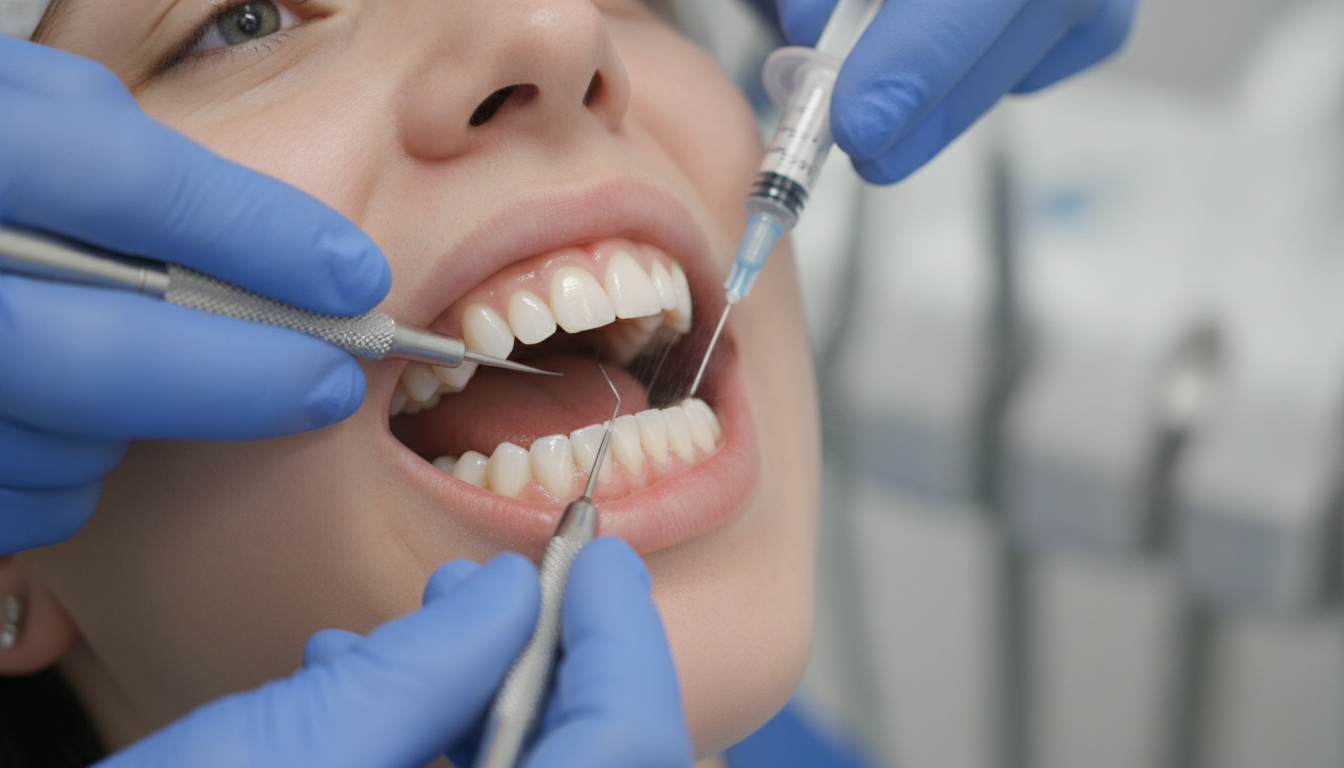
When self-care, home remedies, and dietary adjustments are not enough to reduce deep swelling, professional dental intervention is critical. Failing to address persistent inflamed gingiva can lead to periodontal disease, irreversible bone loss, and systemic health complications, including cardiovascular issues.
Stage 1: Healthy Gums –> Firm, pink, no bleeding
Stage 2: Gingivitis –> Swollen, red, bleeding during brushing (Reversible)
Stage 3: Periodontitis –> Deep pockets, bone destruction, loose teeth (Irreversible)
Professional Dental Procedures
-
Scaling and Root Planing (Deep Cleaning):
- Scaling: The hygienist or periodontist uses ultrasonic scalers to remove stubborn tartar and plaque beneath the gumline.
- Root Planing: Smooths out the root surfaces of your teeth, making it harder for bacteria to adhere and helping the gums reattach tightly to the teeth.
-
Topical and Oral Antibiotics:
- Your dentist may prescribe antimicrobial mouth rinses containing chlorhexidine or insert slow-release antibiotic gels (like Arestin) directly into deep gum pockets to kill residual bacteria.
-
Laser Gum Therapy:
- Advanced dental practices utilize specialized soft-tissue lasers to vaporize infected tissue while sterilizing the surrounding area, causing minimal discomfort and allowing for fast healing times.
Lifestyle Factors: Stress, Smoking, and Sleep
Your daily habits play a major role in how quickly your body can recover from gum inflammation.
Smoking and Vaping
Tobacco smoke and nicotine from vaping restrict blood flow to your oral tissues, depriving them of vital oxygen and nutrients. Furthermore, smoking impairs your white blood cells’ ability to fight off bacterial infection. Smokers often do not notice early bleeding gums because nicotine constricts blood vessels, masking the typical warning signs of early gingivitis. Quitting smoking is one of the single most impactful steps you can take for your teeth.
Stress and Immune Suppression
Chronic psychological stress increases your body’s production of cortisol. High cortisol levels downregulate your immune response, making it easy for bacteria in plaque to overgrow. Incorporating mindfulness, yoga, regular exercise, and adequate sleep into your routine directly translates to better oral health.
Rebuilding Your Oral Microbiome for Long-Term Protection
Modern science has shifted away from simply harsh chemical eradication of all bacteria in the mouth. Overusing harsh, alcohol-based mouthwashes can strip away beneficial bacteria, leaving your mouth vulnerable to opportunistic, aggressive pathogens that cause severe inflamed gingiva.
The key to long-term success lies in microbiome management:
- Nourish Good Bacteria: Eat prebiotic foods (fiber, garlic, onions) that feed healthy microbes.
- Avoid Harsh Chemicals: Steer clear of oral care products containing Sodium Lauryl Sulfate (SLS), artificial dyes, or high concentrations of alcohol.
- Use Bioactive Oral Support: Select formulas designed to protect the natural protective barrier of your mouth.
To maintain a healthy, balanced oral ecosystem and shield your mouth from recurrent bacterial flare-ups, utilizing this complete dental health and gingivitis treatment is an incredible asset to your morning and evening oral hygiene routine.
Actionable Step-by-Step Protocol for Fast Relief
To summarize, if you are currently struggling with painful, swollen, or bleeding gums, follow this targeted daily protocol for quick relief and lasting results:
Morning Routine:
- Brush gently for two minutes using a soft-bristled toothbrush at a 45-degree angle.
- Rinse with a gentle, non-alcoholic antimicrobial solution or warm salt water.
- Take your targeted natural oral supplements to bolster internal tissue defense.
Post-Meal Care:
- Swish warm water vigorously around your mouth after eating to dislodge food debris.
- Avoid sugary snacks and acidic beverages that feed plaque-forming bacteria.
Evening Routine:
- Thoroughly floss between every tooth using dental floss or a water flosser.
- Apply localized remedies like dilute clove oil if tenderness persists.
- Brush carefully, paying close attention to the gum line.
- Finish with an oral probiotic supplement to restore healthy flora overnight.
Final Thoughts
Searching for the best inflamed gingiva treatment for quick relief is the first step toward safeguarding your smile. While temporary measures like warm salt water rinses, ice packs, and clove oil provide fast comfort, true healing requires consistent mechanical plaque removal, proper nutrition, lifestyle adjustments, and targeted supplement support.
Do not ignore bleeding or puffy tissue. Act immediately by upgrading your daily hygiene practices, nourishing your body with key vitamins, and using specialized natural oral care solutions to ensure your gums remain firm, pink, and completely pain-free for years to come.