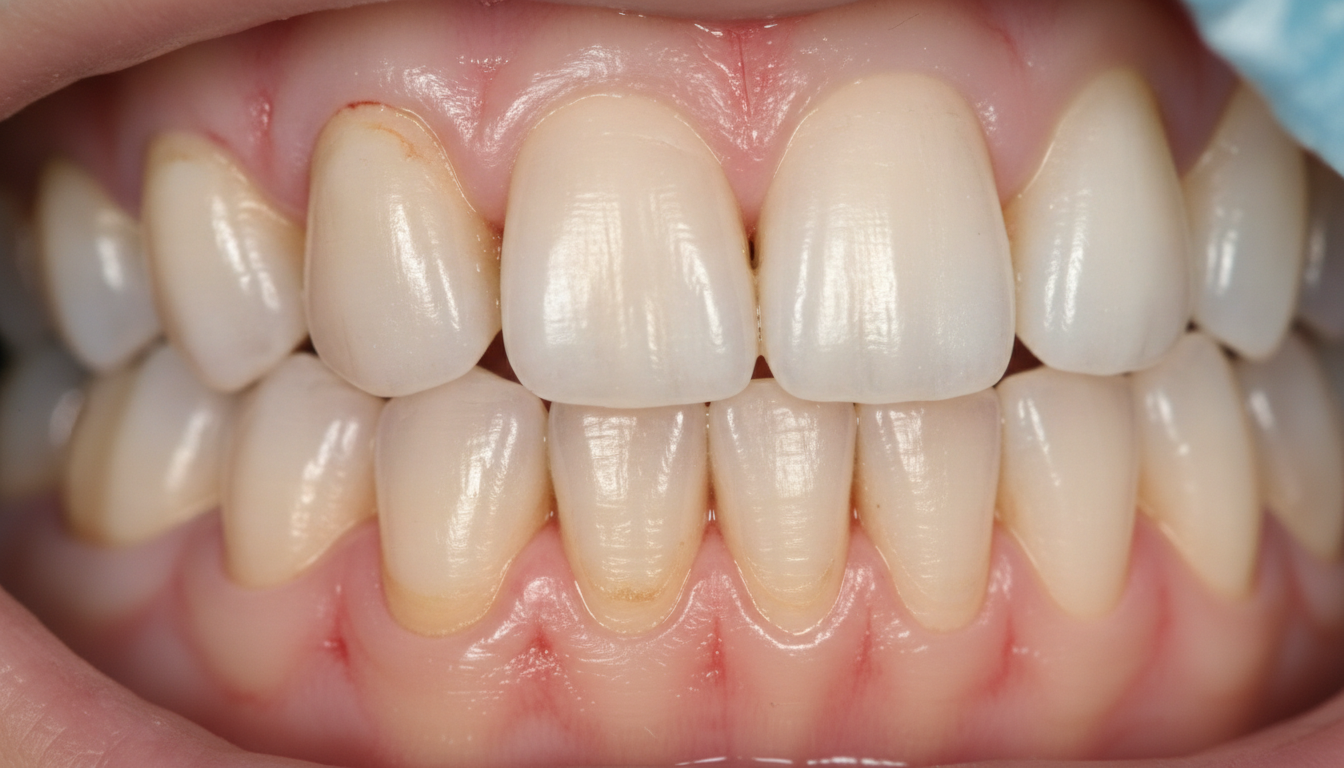
A healthy smile is often considered one of the first things people notice about you. While most people focus their oral hygiene efforts on keeping their teeth white and free of cavities, the health of your gums is equally—if not more—critical. The soft pink tissue surrounding your teeth serves as a protective barrier and anchoring system. When this tissue begins to pull back, exposing the underlying roots, you are dealing with receding gums.
Catching early gum recession is crucial. Unlike skin or bone in certain parts of the body, lost gum tissue does not simply grow back on its own once it disappears. However, if you spot the subtle initial warnings, you can stop the progression in its tracks, restore tissue integrity, and prevent permanent dental damage.
This comprehensive guide will explore the early signs of gum recession, uncover the primary underlying causes of gum recession, and reveal practical how to fix receding gums strategies to protect your long-term gum health.
What Is Early Gum Recession?
Gum recession (gingival recession) occurs when the margin of the gum tissue that surrounds the teeth wears away or pulls back, exposing more of the tooth or the tooth’s root structure. When this process begins, it is considered early gum recession.
In its infancy, the damage is often localized to one or two teeth or limited to a fraction of a millimeter of tissue loss. Because the process is gradual, many individuals do not realize their gums are pulling away until more pronounced issues develop.
When gums recede, “pockets” or gaps form between the teeth and gum line, making it easy for disease-causing bacteria to build up. If left untreated, the supporting tissue and bone structures of the teeth can be severely damaged, ultimately leading to tooth loss. Understanding the initial red flags is your best defense against this silent condition.
7 Warning Signs of Early Gum Recession
Recognizing signs of gum recession at an early stage allows you to take corrective action before surgical interventions become necessary. Here are the most common signs to watch for:
1. Unexpected Tooth Sensitivity
One of the earliest and most noticeable indicators of receding gums is sudden tooth sensitivity. The upper portion of your tooth (the crown) is protected by hard enamel. However, the root of the tooth is covered by dentin, which contains microscopic tubules leading directly to the tooth’s nerve center. When gum tissue recedes, exposed dentin reacts aggressively to hot, cold, sweet, or acidic foods and drinks.
2. Teeth Appear “Longer”
Have you ever heard the old phrase “getting long in the tooth”? It originally referred to aging horses, but in humans, it directly describes gum loss. If you notice that a specific tooth looks visually longer than its neighbors, it is likely not growing—your gums are retreating.
3. A Visible Notch at the Gum Line
If you run your fingernail along the border where your tooth meets your gum, you might feel a tiny ridge or notch. This structural indentation, known as a cervical lesion, forms when the protective tissue backs away, leaving the softer root surface vulnerable to physical wear.
4. Redness, Swelling, and Bleeding
Healthy gums are firm and pale pink. If your gums are bright red, puffy, or bleed when you brush or floss, you are experiencing the early stages of gum disease, specifically gingivitis. Persistent inflammation breaks down the connective tissues holding the gums to the teeth, directly triggering tissue loss.
To combat stubborn inflammation and keep destructive bacteria at bay, incorporating a specialized oral health supplement can be transformative. Many individuals struggling with early bleeding and swelling turn to an advanced natural oral care formula designed to target oral microflora, soothe tender tissues, and strengthen the natural immune barrier of your mouth.
5. Persistent Bad Breath (Halitosis)
Bacteria thriving in the deep pockets created by retreating gum tissue release volatile sulfur compounds. If you maintain a decent routine but still suffer from chronic bad breath or an unpleasant taste in your mouth, bacterial accumulation under the gumline could be the culprit.
6. Loose Teeth or Subtle Shift in Bite
As the attachment between the gum, periodontal ligament, and tooth root weakens, you may feel subtle movement when chewing. Even a slight change in how your upper and lower teeth fit together can point to structural support loss.
7. Darker Appearance Near the Gums
Teeth enamel is naturally bright white or off-white, but the root material underneath (dentin) is naturally darker and yellowish. If you notice a darker band of color near the base of your tooth, your root is likely becoming exposed due to tissue recession.
Primary Causes of Early Gum Recession
Why do healthy gums start to pull back in the first place? The causes of gum recession generally fall into two categories: mechanical wear-and-tear and biological infections.
                              +------------------------------------+

                              |   Causes of Early Gum Recession    |

                              +------------------------------------+

                                                |

                  +-----------------------------+-----------------------------+

                  |                                                           |

      [ Biological / Bacterial ]                                  [ Mechanical / Lifestyle ]

                  |                                                           |
• Gingivitis & Periodontal Disease • Aggressive Toothbrushing
• Hormonal Fluctuations (Pregnancy, Menopause) • Teeth Grinding (Bruxism)
• Genetic Predisposition • Tobacco Use & Vaping
• Poor Dental Hygiene Routines • Misaligned Teeth & Poor Bite
1. Periodontal Disease (Gum Infections)
The single primary driver of tissue loss is periodontal disease. This bacterial infection destroys the soft tissue and supporting bone that hold your teeth in place. It starts as gingivitis—an inflammation caused by plaque build-up. If left unchecked, it turns into periodontitis, eating away at the foundational structures of your mouth.
2. Overly Aggressive Brushing (Toothbrush Abrasion)
Can you be too clean? Absolutely. Brushing your teeth with hard bristles or applying excessive pressure like scrubbing a tile floor strips away delicate tissue over time. This form of physical trauma is extremely common in people with otherwise immaculate dental hygiene.
3. Poor Dental Hygiene Routines
Inadequate brushing and flossing allow plaque—a sticky film of bacteria—to harden into tartar (calculus). Tartar cannot be removed by a standard toothbrush; it requires professional cleaning. The ongoing presence of tartar right against the gums causes constant irritation, triggering defensive tissue recession.
4. Teeth Grinding and Clenching (Bruxism)
If you grind your teeth at night or unconsciously clench your jaw during stressful moments, you exert immense physical force on your tooth structures. This flexing pressure at the gum line can cause microscopic fractures in the enamel and bone, leading directly to localized gum retreat.
5. Hormonal Changes
Fluctuations in estrogen and progesterone levels during puberty, pregnancy, or menopause make female gums significantly more sensitive and susceptible to bacterial attack and inflammation, elevating the risk of early tissue loss.
6. Tobacco Products
Whether smoking, chewing tobacco, or vaping, tobacco users are far more likely to develop sticky plaque that is difficult to clear. Additionally, nicotine restricts blood supply to the mouth, impairing the gums’ natural ability to heal and fight off minor infections.
7. Genetics and Tooth Position
Some people are simply born with thinner, more fragile gum tissue. Furthermore, if a tooth is crooked or misaligned, it can place uneven mechanical forces on the surrounding jawbone and soft tissues, forcing the outer layer of tissue to thin out and recede prematurely.
How to Fix Receding Gums: Actionable Solutions and Treatments
If you have caught the problem early, there is good news: you can stop the recession from advancing and protect the exposed structures of your teeth. Depending on how far the condition has progressed, strategies range from simple home adjustments to clinical procedures.
+———————————————————————————–+
| STAGES OF ACTION & TREATMENT |
+———————————–+———————————————–+
| Stage 1: Home Hygiene Overhaul | Switch to Soft Bristles, Use Gentle Technique |
| Stage 2: Systemic Support | Nutritional Adjustments & Targeted Formulas |
| Stage 3: Professional Care | Deep Cleaning, Scaling, or Surgical Grafting |
+———————————–+———————————————–+
1. Overhaul Your Brushing Technique
- Switch to Soft Bristles: Immediately throw away medium or hard-bristled toothbrushes. Always select an extra-soft or soft toothbrush.
- Adopt the 45-Degree Angle: Hold your brush at a 45-degree angle toward the gum line and use short, gentle circular strokes rather than harsh horizontal scrubbing.
- Try an Electric Toothbrush: Modern sonic electric toothbrushes feature built-in pressure sensors that vibrate or stop if you push too hard.
2. Address Underlying Bacterial Growth
Because bacterial plaque is the root cause of chronic inflammation, optimizing your mouth’s internal ecosystem is non-negotiable.
For an extra layer of defense against deep-seated bacteria, consider integrating this targeted dental health regimen. Formulated to promote healthy gingival tissue, reduce bleeding, and replenish beneficial oral microbes, it acts as a powerful ally for anyone attempting to prevent gum recession naturally.
3. Wear a Custom Nightguard
If tooth grinding (bruxism) is responsible for your receding tissue, consult your dentist about getting a custom-fitted nightguard. This distributes force evenly across your dental arch and protects your tooth roots from mechanical pressure while you sleep.
4. Professional Non-Surgical Treatments
If plaque has hardened under your gumline, home brushing won’t fix it. You will need professional clinical help:
- Scaling and Root Planing: Known as a “deep cleaning,” your dental hygienist numbs the area to scrape away tartar above and below the gumline (scaling) and smoothes the tooth roots (planing) so the gums can reattach.
- Antibacterial Rinses: Dentists may prescribe specialized antimicrobial mouthwashes or insert slow-release antibiotic chips into the deeper gum pockets to eliminate lingering bacteria.
5. Surgical Solutions for Advanced Cases
If early recession is ignored and progresses to severe loss, surgical fixes become necessary:
- Gum Grafting: Tissue is taken from another part of your mouth (like the palate) and surgically attached to the site of recession to cover the exposed root.
- Pinhole Surgical Technique (PST): A minimally invasive procedure where small pinholes are made in existing tissue to stretch and reposition the gums over exposed roots without scalpel incisions or sutures.
Daily Home Care Routine to Protect and Restore Your Gums
To successfully halt tissue loss and support long-term recovery, your daily oral hygiene routine needs to be consistent, deliberate, and effective. Follow this daily protocol to preserve your gum health:
Morning Routine:
[ Gentle 2-Min Brush ] ➔ [ Mouth Rinse ] ➔ [ Targeted Dental Supplement ]
Evening Routine:
[ Interdental Flossing ] ➔ [ Gentle 2-Min Brush ] ➔ [ Nightguard (if grinding) ]
- Floss BEFORE Brushing: Clean between teeth daily using traditional string floss, interdental brushes, or a water flosser to remove food debris and dislodge hidden plaque before you begin brushing.
- Brush Twice Daily for Two Minutes: Use a soft-bristled brush with fluoride or hydroxyapatite toothpaste. Take your time, moving systematically through all four quadrants of your mouth.
- Incorporate Oral Health Nutritional Support: Nutrients like Vitamin C, Vitamin D, Zinc, and targeted probiotics are vital for building strong collagen fibers in your tissue.
Complementing your daily brushing with a powerful internal gum health support product ensures your body receives the exact bio-available nutrients required to fight inflammation, strengthen gum attachment, and support long-term oral vitality.
- Use an Alcohol-Free Mouthwash: Avoid alcohol-based mouthwashes, which cause tissue dryness and alter your mouth’s natural pH, worsening tissue irritation. Choose soothing, moisturizing, or antibacterial formulas instead.
When Should You See a Dentist?
While at-home adjustments are critical for preventing early damage from worsening, you should never skip routine professional checkups. Schedule an appointment immediately if you notice:
- Gums that bleed consistently during light brushing or eating soft foods.
- Visible root exposure accompanied by sharp tooth sensitivity.
- Swollen, painful, or dark red tissue margins.
- Pus oozing from the boundary line between your teeth and gums.
- Teeth that feel loose or shift position when biting down.
A quick evaluation by a dentist allows them to measure your “pocket depths” using a periodontal probe. Healthy pocket depths measure between 1 to 3 millimeters; anything deeper signals active tissue loss and pocket formation requiring professional gingivitis treatment.
Final Thoughts on Early Gum Recession
Catching early gum recession before it disrupts the structural integrity of your smile is a major victory. While lost tissue does not spontaneously grow back on its own, adopting gentle brushing habits, addressing nighttime teeth grinding, maintaining proper dental hygiene, and seeking timely professional care can completely freeze the progression of tissue loss.
Proactive health choices extend beyond your toothbrush. By supporting your body internally and externally with proven gingivitis treatment strategies, you protect your gums, shield exposed roots, and maintain a bright, confident, and resilient smile for decades to come.









