A healthy, confident smile is one of your most valuable social and personal assets. However, maintaining pristine oral health requires more than just an occasional quick brushing. Every single day, an invisible, sticky film forms over your enamel and along your gumline. This substance is known as plaque, and if left unchecked, it becomes the primary catalyst for gum inflammation, bleeding, and chronic disease.
If you have noticed red, sensitive, or bleeding gums when brushing, you are likely dealing with the early stages of gum inflammation caused by bacterial buildup. Learning how to remove gingivitis plaque effectively is essential not only for saving your teeth but also for protecting your overall health. In this comprehensive guide, we will explore the science behind plaque formation, step-by-step protocols for dental plaque removal, natural remedies, lifestyle habits, and advanced methods for gum disease prevention.
Understanding Dental Plaque and Gingivitis
To successfully battle plaque, you must first understand what it is and how it interacts with your body.
What Is Dental Plaque?
Dental plaque is a soft, sticky, sticky biofilm composed of living bacteria, salivary proteins, and food residues. Hundreds of different bacterial species live inside the human mouth. While some are harmless or even beneficial, others thrive on the carbohydrates and sugars present in the food you consume.
When these bad bacteria feed on sugars, they produce metabolic acids and toxic byproducts. These substances stick to the surfaces of your teeth, particularly in hard-to-reach areas such as:
- The deep fissures of your molars.
- The tight spaces between adjacent teeth.
- The sulcus (the pocket where your teeth meet your gums).
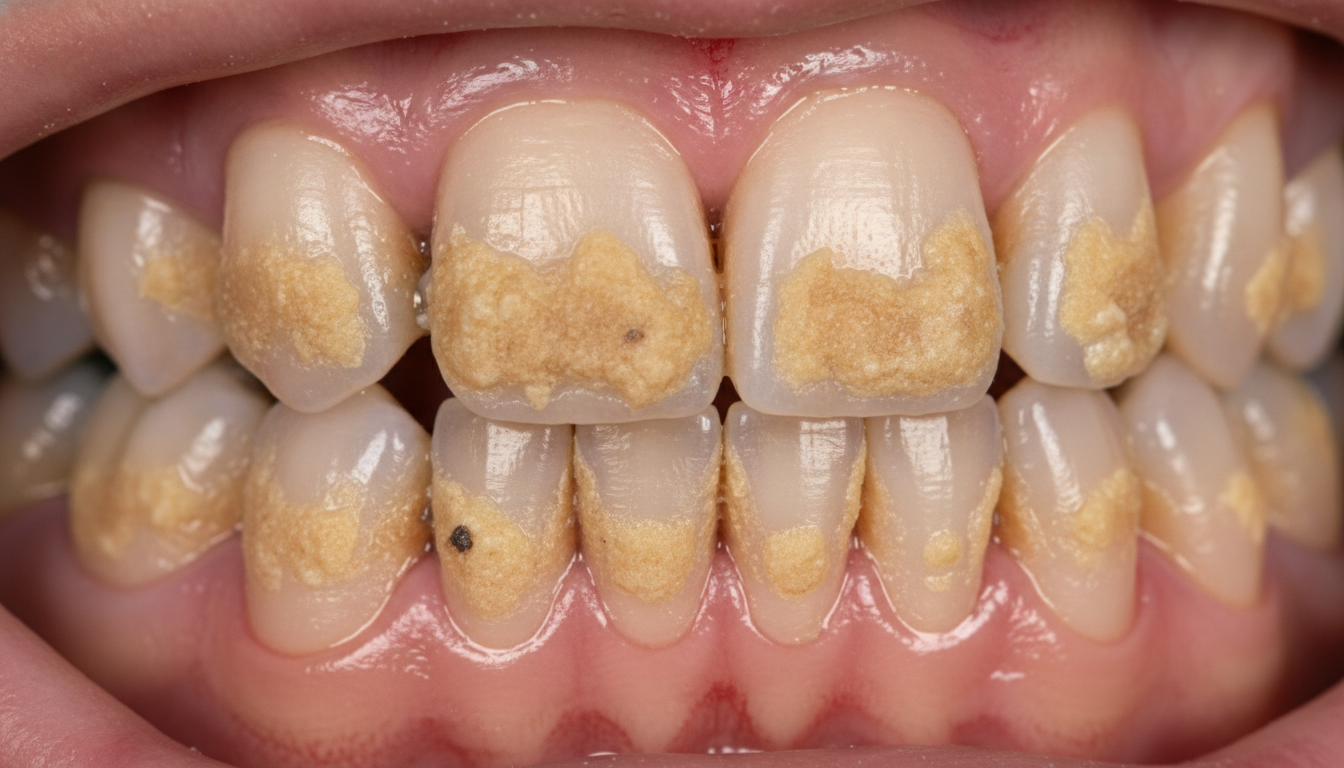
If you do not practice thorough effective teeth cleaning every day, this soft biofilm begins to mineralize. Within 24 to 72 hours, plaque absorbs calcium and phosphate from your saliva, hardening into a crusty, yellow-or-brown substance called tartar (or dental calculus). While plaque can be brushed away at home, tartar bonds tightly to enamel and can usually only be removed by a dental professional.
How Plaque Triggers Gingivitis
Gingivitis is the earliest stage of periodontal disease. It occurs when accumulated gingivitis plaque sits along the gumline for extended periods. Your body’s immune system recognizes the bacterial toxins within the plaque as foreign invaders and initiates an inflammatory response.
Common symptoms of gingivitis include:
- Swollen gums that look puffy or soft.
- Bright red or dark purple gum tissue (healthy gums should be pale pink and firm).
- Bleeding gums during brushing, flossing, or eating hard foods.
- Persistent bad breath (halitosis) caused by sulfur compounds released by bacteria.
- Tender or receding gum lines.
The good news is that gingivitis is entirely reversible. Unlike advanced periodontitis—which destroys the underlying alveolar bone and leads to tooth loss—gingivitis affects only the soft tissue. By adopting a dedicated gingivitis treatment strategy at home, you can completely eliminate plaque, heal your gums, and restore your oral environment.
Step 1: The Golden Standard for Daily Oral Hygiene
If you want to master how to remove gingivitis plaque, your frontline defense is a rigorous, technically correct daily hygiene routine. Simply moving a toothbrush back and forth for 30 seconds will not disrupt bacterial biofilms effectively.
1. Mastering the Modified Bass Brushing Technique
Most people brush their teeth too hard or miss the critical zone where plaque causes the most damage: the gumline. Dentists overwhelmingly recommend the Modified Bass Technique for optimal plaque removal at home.
- Angle the Bristles: Hold your manual or electric toothbrush at a 45-degree angle pointing toward your gumline.
- Gentle Micro-Vibrations: Instead of scrubbing aggressively back and forth, move the brush in small, gentle circular or vibratory motions. This allows the bristles to sweep beneath the margin of the gum.
- Roll Away: After a few seconds of circular motion, roll the brush head away from the gums toward the chewing surface of the tooth to sweep the loosened plaque out of the mouth.
- Systematic Cleaning: Clean the outer, inner, and chewing surfaces of every tooth. Pay special attention to the inside surfaces of the lower front teeth and the outside surfaces of the upper back molars, as these are closest to the salivary glands where tartar build-up occurs fastest.
- Timing Matters: Brush for a full two minutes, at least twice a day—once in the morning and once right before bed.
2. Choosing the Right Tools
- Soft-Bristled Brushes: Always opt for soft or extra-soft bristles. Hard bristles act like sandpaper, wearing down your enamel and pushing your delicate gum tissue into recession.
- Electric Toothbrushes: Sonic and oscillating electric toothbrushes are proven to remove significantly more plaque than manual brushes. Their rapid movements create fluid dynamics that disrupt bacteria even slightly beyond where the physical bristles reach.
While physical cleaning is vital, supporting your body’s internal capacity to fight oral bacteria and repair delicate gum tissues makes a massive difference. To enhance your daily regimen and speed up gum healing, consider incorporating this advanced dental health solution into your routine to target plaque and bacterial balance from the inside out.
Step 2: Interdental Cleaning – Reaching the Hidden Plaque
A toothbrush, no matter how advanced, can only clean roughly 60% to 65% of your tooth surfaces. The remaining 35% lies in the interdental spaces between your teeth. If you do not clean these spaces, plaque remains undisturbed, continuing to irritate your gums and trigger bleeding gums.
Dental Floss vs. Water Flossers vs. Interdental Brushes
-
Traditional Dental Floss:
Waxed string or PTFE floss easily slides between tight contacts. Curves the floss into a “C” shape around the side of each tooth, gently gliding it up and down beneath the gum margin. Avoid “snapping” the floss into the gums, which can cause trauma. -
Interdental Brushes:
For individuals with slightly larger gaps, receding gums, or braces, tiny tree-shaped interdental brushes are far more effective than string floss. They scrub the concave surfaces of the teeth where string floss might bridge over without touching. -
Water Flossers (Oral Irrigators):
Water flossers use a targeted stream of pressurized water to blast away loose plaque and food debris from deep periodontal pockets. They are an incredible swollen gums treatment tool for people who find traditional flossing difficult or painful.
Step 3: Natural Remedies for Plaque Removal and Gum Healing
In addition to mechanical cleaning, incorporating natural antibacterial agents into your care routine can dramatically reduce bacterial counts and soothe inflamed tissue.
1. Warm Saltwater Rinses
Saltwater is a natural, time-tested bleeding gums remedy. Salt acts as a mild isotonic disinfectant and reduces swelling by drawing fluid out of inflamed gum tissues through osmosis.
- How to use: Dissolve 1/2 teaspoon of pure sea salt or table salt in a glass of warm water. Swish the solution gently around your mouth for 30 seconds, then spit it out. Repeat 2–3 times a day, especially after meals.
2. Oil Pulling with Coconut Oil
Oil pulling is an ancient Ayurvedic technique that has gained modern scientific backing. Virgin coconut oil is rich in lauric acid, a fatty acid known for its powerful antimicrobial and anti-inflammatory properties.
- How to use: Take one tablespoon of organic cold-pressed coconut oil. Swish it through your teeth and around your mouth for 10 to 15 minutes. The oil binds to the fatty membranes of bacteria, lifting them off your enamel. Spit the oil into a trash can (not the sink, to avoid clogging pipes) and rinse your mouth thoroughly with warm water before brushing.
3. Natural Essential Oils
Certain essential oils possess remarkable antibacterial characteristics capable of penetrating the outer matrix of dental plaque. Look for natural mouthwashes or DIY rinses containing:
- Tea Tree Oil: Known for addressing oral pathogens (use in highly diluted forms).
- Peppermint Oil: Freshens breath and inhibits anaerobic bacteria growth.
- Clove Oil: Contains eugenol, a natural analgesic and antiseptic that relieves gum pain.
Step 4: Nutritional Strategies for Gum Disease Prevention
What you put into your body has a direct impact on the composition of your saliva, the strength of your immune system, and the speed at which your gums repair themselves.
+——————————————————————-+
| DIETARY IMPACT ON ORAL HEALTH |
+——————————————————————-+
| FEEDS BAD BACTERIA (AVOID) | FORTIFIES GUMS & TEETH (EAT) |
+———————————–+——————————-+
| Refined Sugars & Candies | Leafy Greens (Vitamin K & C) |
| Sticky Starlight Carbs (Chips) | Fatty Fish (Omega-3s) |
| Acidic Sodas & Energy Drinks | Crunchy Vegetables (Celery) |
| Excessive Alcohol | Fermented Foods (Probiotics) |
+———————————–+——————————-+
1. Eliminate Simple Sugars and Refined Carbohydrates
Bacteria like Streptococcus mutans thrive on simple sugars. Every time you consume a sugary snack or drink, you create an acidic environment in your mouth that lasts for roughly 20 to 30 minutes. This acid demineralizes enamel and encourages rapid plaque build-up. Avoid constant sipping on sugary beverages or snacking on sticky starches like potato chips and dried fruit.
2. Boost Vitamin C and Collagen Production
Gums are made primarily of collagen, a structural protein that requires Vitamin C for synthesis. A deficiency in Vitamin C leads to fragile, easily bleeding gums. Incorporate abundant bell peppers, strawberries, citrus fruits, and broccoli into your diet to support gum tissue integrity.
3. Leverage Probiotics for a Balanced Oral Microbiome
Just like your gut, your mouth relies on a delicate balance of beneficial bacteria to suppress harmful pathogens. Consuming fermented foods like kefir, unsweetened yogurt, sauerkraut, and kimchi helps repopulate your oral environment with friendly microbes that naturally compete against plaque-causing bacteria.
To complement these dietary shifts, using a targeted daily supplement can ensure your body receives the exact micronutrients needed to fight off oral pathogens. You can support your body’s internal fight against gum inflammation by using this proven dental and gum health supplement, which works alongside a healthy diet to reinforce your oral microflora.
Step 5: Lifestyle Adjustments for Long-Term Oral Health
Even the best brushing technique can be undermined by poor lifestyle habits that dry out the mouth or weaken immune defenses.
Hydration and Saliva Flow
Saliva is your mouth’s natural defense system. It contains essential enzymes, immunoglobulins, and minerals like calcium and phosphate that continuously wash away food particles, neutralize bacterial acids, and remineralize enamel.
Dry mouth (xerostomia) creates a paradise for gingivitis plaque to multiply unchecked. To keep saliva flowing:
- Drink plenty of clean water throughout the day.
- Chew sugar-free gum containing xylitol, a natural sugar alcohol that actively inhibits plaque-forming bacteria.
Eliminate Tobacco Products
Smoking or vaping tobacco severely impairs blood flow to the oral tissues, starving your gums of oxygen and crucial nutrients. Interestingly, smokers often do not experience early bleeding gums because nicotine constricts blood vessels—masking the warning signs of severe, underlying damage. Quitting smoking is one of the single best decisions you can make for gum disease prevention.
When to See a Dentist: Professional Plaque and Tartar Removal
While at-home remedies are highly effective for initial natural plaque removal and early gingivitis, there are clear limits to self-care.
If plaque has already hardened into tartar build-up, no toothbrush, floss, or home rinse can safely scrape it off without damaging your enamel. Attempting to use metal scaling tools at home can result in severe gum lacerations and permanent enamel damage.
Professional Treatments
- Dental Prophylaxis: A standard professional cleaning where a dental hygienist uses ultrasonic scalers and fine hand instruments to remove plaque and tartar above and slightly below the gumline.
- Scaling and Root Planing: If gingivitis has progressed to early periodontitis, your dentist may recommend a deep cleaning. This procedure numbs the area, removes deep subgingival tartar, and smoothes the roots of the teeth so that the gums can reattach tightly to the clean tooth surfaces.
The Ultimate Daily 7-Day Plan to Reverse Gingivitis
If you want to rapidly clear gingivitis plaque and stop gum bleeding, follow this daily step-by-step action plan for one week:
-
Morning Routine:
- Brush for 2 minutes using a soft-bristled toothbrush at a 45-degree angle with fluoride or hydroxyapatite toothpaste.
- Rinse with a warm saltwater solution or an alcohol-free antibacterial mouthwash.
- Take your daily oral health nutrients to build internal immunity.
-
Mid-Day Care:
- Drink plenty of water after eating meals.
- Rinse your mouth with plain water after lunch to wash away leftover sugars and acids.
-
Evening Routine:
- Thoroughly clean between every tooth using dental floss, interdental brushes, or a water flosser.
- Brush for another full 2 minutes using the Modified Bass technique.
- Clean your tongue using a dedicated tongue scraper from back to front to remove odor-causing bacteria.
- Avoid eating or drinking anything except pure water after your nighttime cleaning.
Conclusion: Taking Control of Your Oral Health Today
Learning how to remove gingivitis plaque is not a one-time event; it is a lifetime commitment to consistent, intelligent oral care. Gingivitis does not happen overnight, nor does it disappear in a single morning. However, by combining proper brushing mechanics, thorough flossing, natural remedies, and smart nutritional choices, you can completely reverse gum inflammation and safeguard your smile for years to come.
Do not wait for mild gum bleeding to turn into permanent bone loss and loose teeth. Take charge of your oral hygiene today. To give yourself every possible advantage in maintaining pristine enamel and firm, pink gums, try adding this recommended oral and gum health formula to your daily self-care routine. With the right tools and consistent daily habits, a clean, pain-free, and radiant smile is easily within your reach.