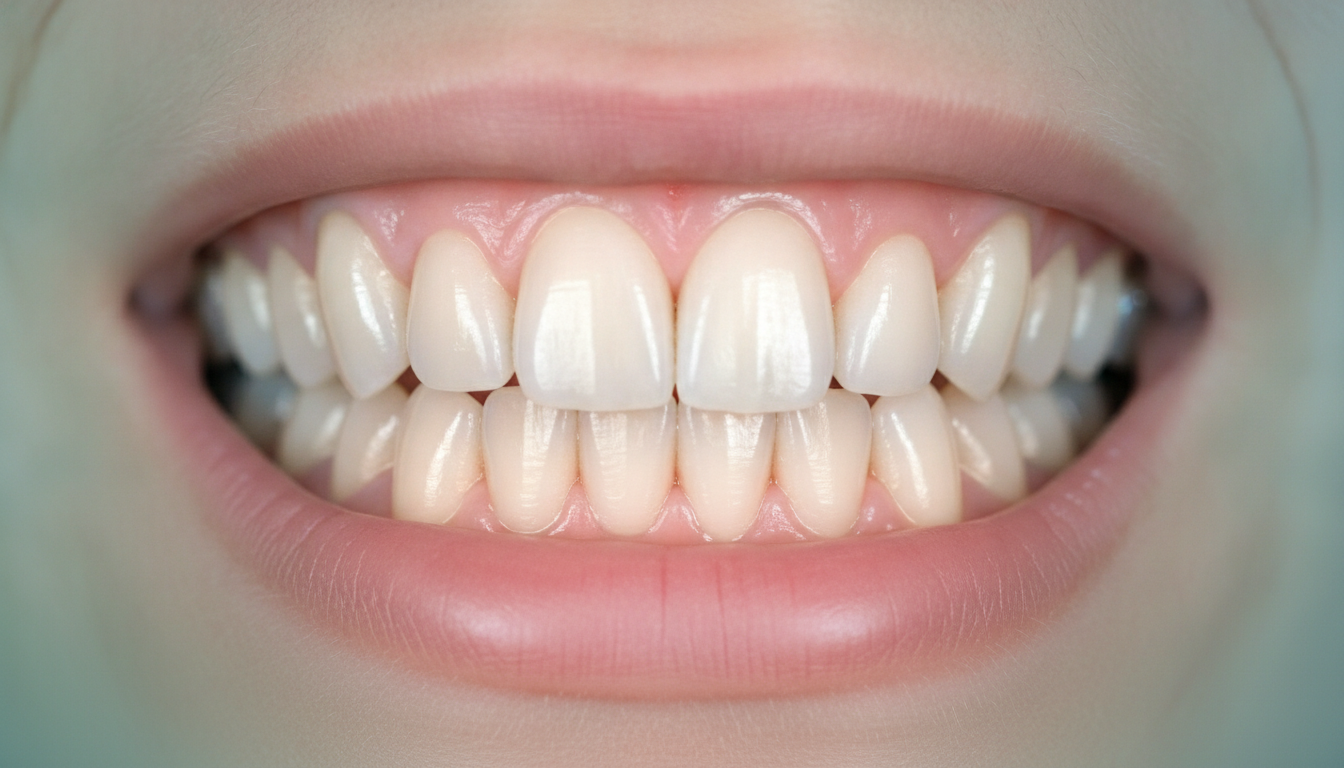
Unhealthy gums are far more common than most people realize. According to global health statistics, nearly half of all adults over the age of 30 suffer from some form of gum disease, ranging from mild inflammation to severe tissue degradation. If left untreated, what starts as minor irritation can quickly evolve into tooth loss, bone decay, and systemic inflammation that affects your entire body.
The good news? If caught in its early stages, it is entirely possible to reverse gum disease naturally. By addressing the root causes of inflammation, restoring balance to your oral microbiome, and supporting your body with essential nutrients, you can rebuild your oral health without relying solely on harsh chemical treatments or invasive surgeries.
This comprehensive guide breaks down the biological mechanisms of gum infection, explores the lifestyle and dietary adjustments necessary for healing, and provides a step-by-step natural strategy for long-term periodontal health.
Understanding Gum Disease: Gingivitis vs. Periodontitis
To repair damaged oral tissues, you must first understand what is happening inside your mouth. Gum disease typically develops in two distinct stages:
1. Gingivitis
Gingivitis is the earliest phase of gum inflammation. It occurs when a sticky film of bacteria, known as plaque buildup, accumulates along the gumline.
- Symptoms: Red, swollen tissues, bad breath, and bleeding gums during brushing or flossing.
- Reversibility: At this stage, the condition is 100% reversible because the underlying bone and connective tissue holding the teeth in place remain intact.
2. Periodontitis
If gingivitis is ignored, the inflammation penetrates deeper into the tissues surrounding the teeth, leading to periodontitis. The immune system’s reaction to the bacteria causes the gums to pull away from the teeth, forming deep pockets that harbor more toxins.
- Symptoms: Severe gum recession, loose teeth, chronic bad breath, severe infection, and degradation of the jawbone.
- Reversibility: While lost bone tissue cannot easily be regenerated naturally, the active infection can be halted, and remaining tissue can be strengthened and preserved through holistic protocols.
The Root Causes: Why Brushing Isn’t Always Enough
Many people who suffer from chronic bleeding gums brush and floss religiously. Yet, they still fight a losing battle against inflammation. Why? Because oral health is not merely a mechanical issue of removing debris; it is an ecological and biological issue.
The Oral Microbiome Imbalance
Your mouth is home to billions of bacteria. In a healthy state, beneficial bacteria keep harmful, anaerobic species in check. When you consume excess refined sugars, use aggressive chemical mouthwashes, or suffer from chronic stress, the balance shifts. Harmful bacteria thrive, producing corrosive toxins that attack your healthy gums.
Systemic Inflammation and Micronutrient Deficiencies
Gums are made of collagen and require a constant supply of specific nutrients to repair daily wear and tear. Deficiencies in vital nutrients prevent your body from repairing micro-tears in the tissue, making your gums vulnerable to attack. Additionally, conditions like high stress, poor gut health, and diabetes heighten overall systemic inflammation, making your oral tissues far more sensitive.
Step-by-Step Natural Protocol to Reverse Gum Disease
Achieving optimal natural dental health requires a multi-faceted strategy that combines physical hygiene, biological support, and targeted nutrition.
Step 1: Optimize Your Daily Dental Hygiene Routine
A proper oral hygiene routine is your first line of defense. However, aggressive brushing with a hard-bristled toothbrush can actually worsen gum recession.
- Switch to a Soft-Bristled or Sonic Toothbrush: Hold the brush at a 45-degree angle toward the gumline. Use gentle, circular motions rather than harsh back-and-forth scrubbing.
- Master Interdental Cleaning: Standard brushing only cleans about 60% of tooth surfaces. Use interdental brushes or a water flosser daily to dislodge bacteria lodged deep between teeth.
- Ditch Alcohol-Based Mouthwashes: Synthetic, alcohol-heavy mouthwashes act like a carpet bomb in your mouth, wiping out good bacteria along with the bad. This creates a vacant environment where aggressive pathogens can easily recolonize.
To supercharge your daily protocol and restore your mouth’s natural balance, consider incorporating a targeted formula like this advanced natural dental health supplement, which feeds the beneficial bacteria while soothing irritated tissue.
Step 2: Leverage Traditional Oil Pulling
Oil pulling is an ancient Ayurvedic practice that has gained significant support in modern dental studies. It involves swishing a tablespoon of high-quality oil in your mouth for 15 to 20 minutes daily.
How It Works:
The cell walls of many harmful oral bacteria are covered in a fatty membrane. When exposed to oil, these bacteria naturally adhere to the lipid molecules. Swishing pulls the pathogens out from deep pockets and cracks between your teeth.
- Best Oils to Use: Organic extra-virgin coconut oil (rich in lauric acid, a powerful natural antimicrobial) or sesame oil.
- How to Do It:
- Take 1 tablespoon of coconut oil on an empty stomach.
- Gently swish it around your mouth, pulling it through your teeth.
- Do not swallow the oil, as it is filled with extracted bacteria.
- Spit it into the trash can (to avoid clogging plumbing) and rinse thoroughly with warm water.
Step 3: Utilize Targeted Herbal Rinses
Nature offers powerful anti-inflammatory and antibacterial botanical extracts that encourage tissue recovery.
- Saltwater Rinses: Dissolve half a teaspoon of sea salt or Himalayan pink salt in a glass of warm water. Salt acts as a natural disinfectant and reduces fluid retention in swollen tissues. Use this 2–3 times a week.
- Tea Tree Oil: Known for its potent antimicrobial properties, a drop of pure tea tree oil mixed into your toothpaste or diluted in warm water can reduce the presence of plaque-forming pathogens.
- Aloe Vera Gel: Pure, food-grade aloe vera gel applied directly to inflamed gums can reduce swelling and accelerate tissue healing due to its rich content of polysaccharides and antioxidants.
The Role of Diet: Healing Gums from the Inside Out
You cannot fix a structural issue in the body using topical solutions alone. What you consume plays a defining role in whether you can reverse gum disease naturally.
Key Nutrients for Periodontal Healing
- Vitamin C (Ascorbic Acid):
Vitamin C is essential for collagen synthesis—the primary structural protein that holds your gums together. A severe deficiency leads to scurvy, characterized by bleeding, soft gums. Supplementing with buffered Vitamin C or consuming citrus fruits, bell peppers, and leafy greens strengthens the structural integrity of your connective tissue. - Vitamin D3 and K2:
These two vitamins work synergistically to regulate calcium absorption. Vitamin D lowers systemic inflammation, while Vitamin K2 ensures calcium is directed into the bones and teeth rather than accumulating in soft tissues. Strong jawbones are necessary to prevent teeth from loosening due to severe periodontitis. - Coenzyme Q10 (CoQ10):
CoQ10 is a powerful antioxidant essential for cellular energy production. Clinical studies have shown that individuals with gum disease often have severe CoQ10 deficiencies in their oral tissues. Supplementing with CoQ10 speeds up tissue repair and decreases bleeding. - Omega-3 Fatty Acids:
Found in wild-caught fish, flaxseeds, and walnuts, omega-3s are potent natural anti-inflammatory agents. They help downregulate the body’s overactive inflammatory response, protecting the soft tissues from destruction.
While getting these nutrients through a clean diet is crucial, modern food often lacks the potency required to reverse existing damage quickly. Integrating a comprehensive oral support system, such as this high-potency teeth and gum health formula, ensures your body receives the exact bioavailable nutrients needed to rebuild collagen and stop active inflammation.
Anti-Inflammatory Food Plan
To fast-track your recovery, adjust your daily eating habits to favor healing over destruction:
| Foods to Include | Foods to Avoid |
|---|---|
| Wild-Caught Fish (Rich in Omega-3s) | Refined Sugars (Feeds bad bacteria) |
| Leafy Greens (High in Vitamin C & Folate) | Processed Carbohydrates (Creates acidic environment) |
| Bone Broth (Packed with collagen and amino acids) | Alcohol and Carbonated Drinks (Dries out mouth mucosa) |
| Fermented Foods (Kefir, Sauerkraut for probiotic support) | Artificial Sweeteners (Disrupts oral microbiome) |
| Green Tea (Contains catechins that fight bacteria) | Sticky, Starchy Foods (Clings to teeth and fuels plaque) |
The Hidden Connection: Dry Mouth and Stress
Two often-overlooked factors contribute heavily to chronic gum disease: saliva production and stress levels.
1. Saliva as a Natural Defense Mechanism
Saliva is not just moisture; it is filled with enzymes, minerals, and antibodies designed to continually wash away food particles, neutralize acid, and control bacterial populations.
- The Danger of Mouth Breathing: Breathing through your mouth during sleep dries out saliva, creating an ideal oxygen-deprived environment for harmful anaerobic bacteria to proliferate rapidly.
- The Solution: Stay well-hydrated throughout the day. Consider using mouth tape at night to encourage nasal breathing, and avoid decongestants or medications that reduce salivary flow unless medically necessary.
2. How Stress Destroys Gums
When you experience chronic stress, your body pumps out elevated levels of cortisol. Cortisol suppresses the immune system, making it much harder for your body to fight off local infections in the mouth. Furthermore, high stress leads to teeth grinding (bruxism), which places excessive mechanical pressure on the periodontal ligament, accelerating bone loss around the teeth.
- Practice stress-reduction techniques such as deep breathing exercises, meditation, and regular outdoor walking.
- Wear a custom nightguard if you tend to grind your teeth while sleeping.
Action Plan: Daily Routine to Restore Your Gums
To make this strategy easy to execute, here is a simple daily roadmap designed to reverse early-stage damage and maintain healthy gums:
Morning Protocol:
- Oil Pulling: Swish with 1 tablespoon of organic coconut oil for 15 minutes immediately upon waking. Spit out, then rinse with warm water.
- Gentle Brushing: Brush your teeth gently using a soft toothbrush and a natural, non-fluoride paste rich in essential oils or hydroxyapatite.
- Targeted Supplementation: Take your daily oral wellness supplements to supply your bloodstream with the building blocks of collagen repair.
Mid-Day Protocol:
- Post-Meal Rinse: Rinse your mouth with plain water after eating to remove food particles and quickly restore a neutral pH balance.
- Hydrate: Drink plenty of water to support healthy saliva production throughout the afternoon.
Evening Protocol:
- Clean Between Teeth: Use a water flosser or interdental brushes to thoroughly clean out the spaces between teeth where plaque accumulates.
- Brush and Soothe: Brush gently for two minutes. Apply a drop of pure aloe vera gel or specialized natural serum along the gumline if swelling is present.
- Nighttime Defense: Take a specialized oral probiotic or holistic formula like this complete natural gingivitis and dental solution before bed to protect your oral biome while you sleep.
When to See a Professional
While holistic strategies are remarkably effective for mild-to-moderate gingivitis and keeping chronic conditions under control, natural remedies should work alongside professional dental care.
Consult a dentist or periodontist immediately if you experience:
- Severe, persistent pain or localized throbbing.
- Pus draining from the gums.
- Teeth that feel visibly loose or shift position when chewing.
- Rapidly progressing gum recession that exposes tooth roots.
Professional deep cleaning methods (such as scaling and root planing) can clear out hardened tartar (calculus) that cannot be removed by brushing alone. Once that hardened crust is removed professionally, natural methods can step in to heal the soft tissue and prevent future build-up.
Final Thoughts: Reclaiming Your Smile Naturally
Experiencing bleeding gums, swelling, or discomfort does not mean you are destined for permanent tooth damage. Your body possesses an incredible capacity to heal itself when given the right environment, mechanical care, and raw nutritional building blocks.
By switching to gentle dental hygiene habits, eliminating inflammatory foods, incorporating functional practices like oil pulling, and nourishing your body with target nutrients, you can effectively reverse gum disease naturally and preserve a strong, confident smile for a lifetime.









