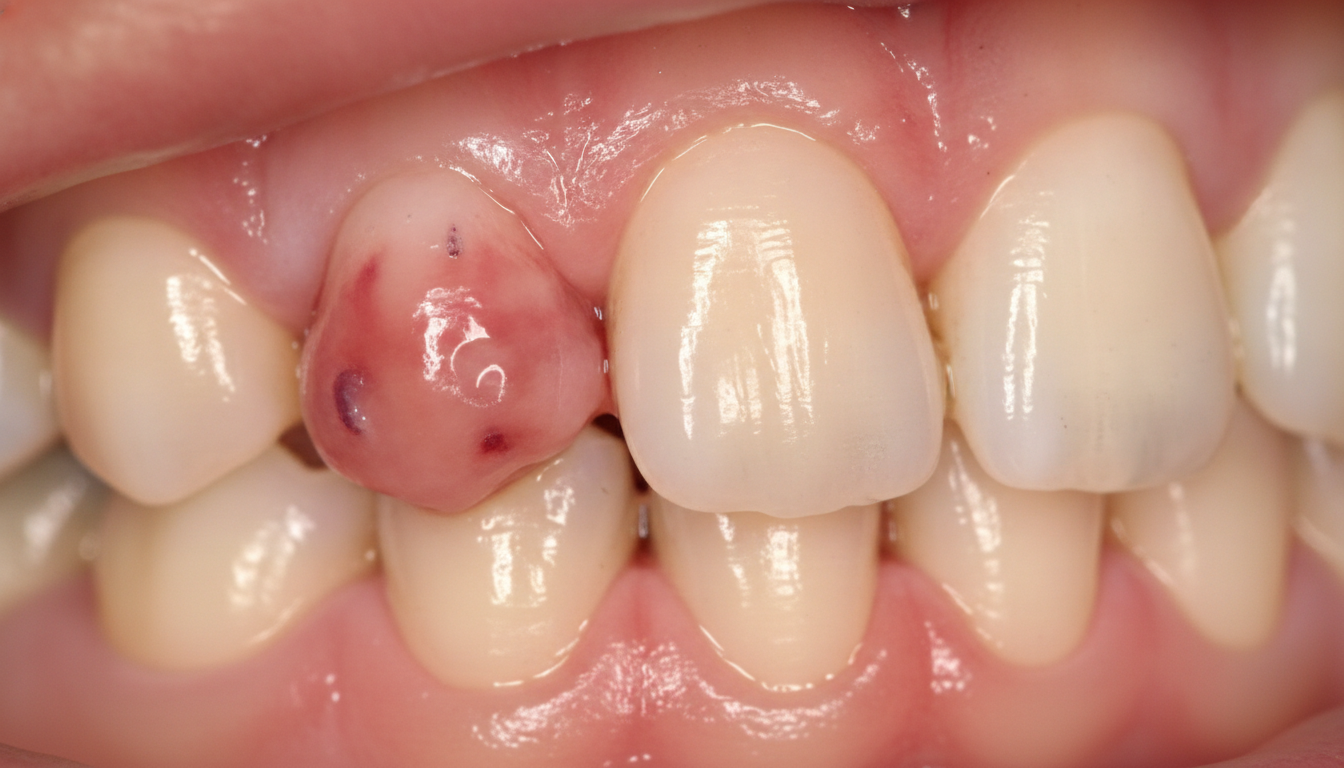
Gum discomfort can range from a minor annoyance to a severe, throbbing pain that makes eating, speaking, and concentrating nearly impossible. If you are currently dealing with swollen gums, tenderness, or bleeding when you brush, you are not alone. Millions of people search for ways on how to soothe irritated gums fast every single day.
Your gums serve as the structural foundation for your teeth. When they become inflamed, red, or painful, it is usually a sign that your body is responding to bacteria, physical irritation, or underlying health imbalances. Ignoring these early warning signs can lead to more serious periodontal problems down the road.
In this comprehensive guide, we will explore the root causes of gum inflammation, immediate home remedies for fast gum pain relief, long-term strategies to prevent gum disease, and advanced natural solutions to help you reclaim a healthy, pain-free smile.
Understanding the Root Causes of Irritated Gums
To effectively target gum pain relief, it is essential to understand why your gums became irritated in the first place. The human mouth is home to hundreds of species of bacteria. While many are harmless or even beneficial, others form a sticky film on your teeth known as dental plaque.
Here are the most common triggers for irritated gums:
1. Gingivitis and Early Periodontal Issues
The most frequent culprit behind sore, puffy, or bleeding gums is gingivitis. This mild form of gum disease occurs when plaque builds up along the gum line. The bacteria in plaque produce toxins that irritate the delicate mucosal tissue, leading to redness, swelling, and easy bleeding.
2. Aggressive Brushing or Hard Bristles
Many people mistakenly believe that scrubbing their teeth vigorously with a hard-bristled toothbrush is the best way to get them clean. In reality, hard scrubbing damages delicate gum tissue, causing physical trauma, inflammation, and eventually gum recession.
3. Hormonal Fluctuations
Hormones play a massive role in oral health. Pregnancy, puberty, menstruation, and menopause cause surges in hormones like estrogen and progesterone. These shifts increase blood flow to the gums, making them hyper-sensitive to minor plaque buildup and more prone to swelling.
4. Nutritional Deficiencies
Your gums require specific vitamins and minerals to maintain their structural integrity and fight off infections. A lack of Vitamin C (vital for collagen synthesis) or Vitamin K (essential for blood clotting) can lead to fragile, easily irritated, and bleeding gums.
5. Food Impaction and Trauma
Sometimes, gum inflammation is localized. A sharp piece of popcorn kernel, a chip, or tough meat stuck between two teeth can cause sudden, localized swelling and sharp pain.
Immediate Remedies: How to Soothe Irritated Gums Fast at Home
When pain strikes, you need immediate, effective solutions. These quick home fixes can draw out fluid, reduce bacteria, and numb painful tissues within minutes.
+—————————————————————–+
| FAST GUM RELIEF AT A GLANCE |
+—————————————————————–+
| Remedy | Primary Benefit |
+———————-+——————————————+
| Warm Salt Water | Draws out fluid, reduces bacteria |
| Cold Compress | Numbs pain, reduces visible swelling |
| Clove Oil | Natural anesthetic (eugenol) |
| Aloe Vera Gel | Cools, hydrates, and repairs tissue |
| Hydrogen Peroxide | Kills anaerobic bacteria in pockets |
+———————-+——————————————+
1. The Warm Salt Water Rinse
The classic salt water rinse remains one of the most effective, science-backed methods for swollen gums remedy. Salt is a natural disinfectant that reduces inflammation by creating an osmotic environment—drawing fluid out of swollen tissues to diminish swelling.
- How to do it: Dissolve 1/2 teaspoon of high-quality sea salt or pink Himalayan salt into one cup of warm water. Swish the solution gently around your mouth for 30 seconds, focusing on the painful area. Spit it out. Repeat 3 to 4 times a day.
2. Cold and Warm Compresses
Using temperature therapy can rapidly alter pain signals and reduce localized swelling.
- Cold Compress: Apply an ice pack wrapped in a thin towel against your cheek outside the painful area for 15 minutes. Cold constricts blood vessels, numbing pain and reducing acute swelling.
- Warm Compress: If your pain is dull and aching rather than acutely swollen, press a warm, damp cloth against your cheek to relax muscle tension and boost localized blood flow for healing.
3. Clove Oil Application
Clove oil contains eugenol, a powerful chemical compound with natural anesthetic and anti-inflammatory properties. Dentists have used eugenol-based preparations for decades to manage pain.
- How to do it: Mix 2–3 drops of pure clove oil with a carrier oil like coconut or olive oil. Dip a sterile cotton swab into the mixture and dab it directly onto the irritated gums. Leave it on for 5 to 10 minutes before rinsing with warm water.
4. Pure Aloe Vera Gel
Aloe vera is globally recognized for its ability to soothe burns, but it is equally effective on oral tissues. It possesses antibacterial and cooling properties that calm inflamed tissues rapidly.
- How to do it: Apply a small amount of pure, food-grade aloe vera gel directly to the affected gum area using a clean finger or cotton swab. Gently massage it in. Allow it to sit for a few minutes before rinsing.
5. Diluted Hydrogen Peroxide Rinse
If your gum discomfort is linked to a bacterial flare-up or early gingivitis treatment, a 3% hydrogen peroxide rinse can help neutralize anaerobic bacteria.
- How to do it: Mix equal parts of 3% hydrogen peroxide and water. Swish the liquid in your mouth for 30 seconds, then spit it out completely. Never swallow hydrogen peroxide. Rinse thoroughly with plain water afterward.
Taking Action Against Persistent Irritation
While at-home remedies provide fantastic temporary relief, stopping recurring irritation requires addressing internal oral chemistry and microbial balance.
If you are fighting chronic redness, receding tissue, or persistent bad breath despite good hygiene, standard toothpastes may not be enough. Integrating a specialized, high-potency oral wellness solution can transform your recovery process.
For those looking for a powerful, targeted approach to restore healthy gums rapidly, we highly recommend trying this proven advanced natural oral health supplement. It works from within to nourish vulnerable tissue, balance oral bacteria, and accelerate recovery.
Step-by-Step Dental Hygiene Tips for Sensitive Gums
Adjusting your daily brushing and flossing routines is critical when learning how to soothe irritated gums fast. Small changes in technique prevent micro-tears in fragile tissues and accelerate recovery.
   [ Gentle Brushing ] ---> [ Soft Flossing ] ---> [ Targeted Rinse ]

            |                      |                      |

            v                      v                      v

 Prevents Tissue Micro-Tears  Removes Plaque  Eliminates Remaining Bacteria
Switch to an Extra-Soft Toothbrush
Throw away medium or hard-bristled brushes immediately. Invest in an extra-soft toothbrush designed specifically for sensitive teeth and healthy gums. Electric toothbrushes with built-in pressure sensors are ideal, as they vibrate to warn you if you press too hard.
Adopt the Modified Bass Brushing Technique
- Hold your toothbrush at a 45-degree angle to your gum line.
- Use gentle, circular motions rather than harsh horizontal scrubbing.
- Allow the bristles to slide slightly under the gum line to sweep away hidden plaque.
- Spend at least two full minutes brushing twice daily.
Don’t Abandon Flossing
When gums bleed or hurt, people often stop flossing out of fear. However, skipping flossing leaves up to 35% of tooth surfaces uncleaned, allowing plaque to harden into tartar (calculus).
Instead of forceful traditional string floss, consider using a water flosser (oral irrigator). Water flossers use a gentle stream of pressurized water to clear debris and bacteria from deep within periodontal pockets without mechanical abrasion.
Dietary Changes to Nourish and Repair Irritated Gums
What you put in your body directly impacts how quickly your oral tissues repair themselves. Chronic gum inflammation is often worsened by acidic, sugary diets that feed bad bacteria.
Foods That Support Gum Healing
- Vitamin C-Rich Foods: Bell peppers, strawberries, broccoli, and kiwi supply the ascorbic acid necessary to rebuild collagen networks in damaged gum tissue.
- Omega-3 Fatty Acids: Wild-caught salmon, chia seeds, and walnuts contain potent anti-inflammatory compounds that reduce soft tissue swelling.
- Probiotic-Rich Foods: Plain kefir, Greek yogurt, and fermented vegetables introduce beneficial microbes that crowd out pathogenic bacteria responsible for bleeding gums.
- Green Tea: Packed with epigallocatechin gallate (EGCG), green tea lowers inflammation and inhibits bacterial growth along the gum line.
Irritants to Avoid While Healing
- Refined Carbohydrates and Sugars: Candy, sodas, and white bread feed plaque-building bacteria rapidly.
- Crunchy or Sharp Foods: Chips, nuts, and hard crusty bread can physically scratch sensitive, swollen tissues.
- Acidic Products: Citrus fruits, tomatoes, and vinegar-based dressings can sting inflamed areas and temporarily erode vulnerable tooth enamel.
- Alcohol and Tobacco: Both dry out the mouth, reduce saliva production, disrupt your oral microbiome, and severely delay tissue repair.
Targeted Nutritional Support for Long-Term Defense
While home rinses address surface irritation, true oral wellness requires internal support. Your salivary glands need specific micro-nutrients to build an antibacterial barrier that protects your teeth and gums 24/7.
Deficiencies in key minerals like zinc, calcium, and specialized antioxidants leave your gums open to bacterial invasion. Incorporating a concentrated supplement into your daily regimen bridges these gaps.
If you struggle with sensitive gums, localized bleeding, or recurring inflammation, using a comprehensive formula designed for deep tissue support can make all the difference. Check out this effective formula for complete gingivitis treatment and gum care to fortify your oral defenses, protect against gum recession, and keep your teeth firmly anchored.
When to See a Dentist: Recognizing Red Flags
While learning how to soothe irritated gums fast using natural methods is great for mild discomfort, certain symptoms demand immediate professional care. Periodontal disease is progressive; catching it early prevents irreversible bone and tissue loss.
Make an appointment with your dentist if you observe any of the following signs:
- Persistent Bleeding: Gums that bleed spontaneously or bleed continuously for more than a week.
- Receding Gums: Teeth that appear noticeably longer, exposing sensitive tooth roots.
- Pus or Discharge: Any visible pus oozing from around the teeth or gum pockets, which signals an active infection or abscess.
- Loose Teeth: Permanent teeth that feel unstable, shift when chewing, or alter your bite alignment.
- Chronic Bad Breath (Halitosis): Unpleasant taste or breath that does not improve after brushing, flossing, or using mouthwash.
- Severe, Throbbing Pain: Unbearable pain radiating to your jaw, ear, or neck, accompanied by a fever.
Creating Your Daily Protocol for Healthy Gums
To help you put this guide into practice immediately, here is an easy-to-follow daily routine designed to calm irritation fast and maintain optimal oral health.
+———————————————————————————+
| DAILY GUM CARE MORNING TO NIGHT ROUTINE |
+———————————————————————————+
| Time | Action Steps |
+———–+———————————————————————+
| Morning | Gentle soft-bristle brush (45° angle) + Natural support supplement |
| Post-Meal | Warm salt water rinse or water flossing to clear food particles |
| Evening | Thorough water floss + 2-min gentle brush + Antimicrobial rinse |
+———————————————————————————+
- Morning:
- Brush gently for 2 minutes using an extra-soft toothbrush and a non-irritating, SLS-free toothpaste.
- Take your daily oral health nutritional support to nourish your tissues throughout the day.
- Post-Meals:
- Rinse your mouth thoroughly with plain or warm salt water to clear leftover food particles. Avoid immediate heavy brushing after acidic meals.
- Night:
- Use a water flosser or gentle dental tape to clear plaque between teeth.
- Brush gently, making sure to clean along the gum line without pressing hard.
- Rinse with an alcohol-free antimicrobial mouthwash or soothing aloe vera solution.
For maximum protection, pair this daily routine with this potent dental health and gum restoration supplement to fast-track your path to resilient, pain-free healthy gums.
Final Thoughts
Dealing with sore, tender, or inflamed oral tissue does not have to ruin your daily comfort. By combining immediate soothe-and-cool home remedies with proper brushing habits, an anti-inflammatory diet, and targeted oral nutrients, you can achieve fast gum pain relief while halting further damage.
Take action today: switch your toothbrush, start your salt water rinses, and provide your body with the nutrients it needs to build strong, vibrant tissues that last a lifetime.