Your smile is often the first thing people notice about you, but behind every bright smile lies a foundation that requires constant care: your gums. While most people spend considerable time buffing, whitening, and polishing their teeth, the underlying soft tissue that supports those teeth is frequently neglected. This oversight often leads to a subtle, insidious condition known as early gingivitis.
Unlike full-blown periodontal illness, early-stage gum inflammation is entirely reversible. However, because it often develops quietly without causing severe pain, millions of adults live with it without realizing their oral health is compromised. Left untreated, this mild inflammation can erode the structural integrity of your mouth, leading to irreversible bone loss and tooth decay.
In this comprehensive guide, we will explore the biological mechanisms of gum inflammation, highlight the subtle warning signs you must look for, present a step-by-step protocol to reverse early gingivitis, and discuss how to maintain optimal oral wellness for a lifetime.
What Is Early Gingivitis? Understanding the Baseline
Gingivitis is defined as non-destructive inflammation of the gingiva—the portion of the oral mucosa that surrounds and seals the teeth. In its earliest stages, early gingivitis is the body’s localized immune response to an accumulation of microbial biofilm, commonly known as plaque buildup.
Plaque is a sticky, colorless film of bacteria that constantly forms on your teeth. When you eat, particularly foods rich in carbohydrates and refined sugars, the natural bacteria in your mouth feed on these sugars and produce acids. Over time, if this plaque is not mechanically disrupted through regular brushing and flossing, it hardens into tartar (or calculus).
Tartar acts as a protective shield for pathogenic bacteria, making it impossible to remove with a standard toothbrush. As these bacteria multiply along the gumline, they release toxins that trigger your immune system. Your body responds by sending blood and inflammatory cells to the area to fight off the invasion. This surge of blood flow and cellular activity causes the classic signs of inflammation: redness, warmth, and swelling.
The critical thing to understand about early-stage gum disease is that it is strictly confined to the soft tissue. The underlying alveolar bone, periodontal ligament, and connective structures holding your teeth in place remain intact. This is precisely why how to reverse gingivitis is a major focus of modern preventative dentistry—at this stage, zero permanent damage has occurred.
How to Spot Early Gingivitis: Subtle Signs You Shouldn’t Ignore
Because early gum inflammation rarely causes sharp pain, many individuals miss the initial warning signs. Learning to identify these early red flags is the most important step in protecting your smile.
+————————————————————————–+
| SIGNS OF EARLY GINGIVITIS |
+————————————————————————–+
| [!] Bleeding Gums (Pink toothbrush syndrome during brushing/flossing) |
| [!] Redness & Swelling (Gums look bright red instead of healthy pink) |
| [!] Persistent Halitosis (Chronic bad breath despite using mouthwash) |
| [!] Tender or Sensitive Gums (Discomfort when consuming hot/cold items) |
| [!] Changes in Texture (Loss of normal “stippled” orange-peel texture) |
+————————————————————————–+
1. Bleeding Gums (The “Pink Toothbrush” Syndrome)
Healthy gums do not bleed when you brush or floss. If you notice a pink tint on your toothbrush bristles, or if your spit contains traces of blood after spitting out your toothpaste, you are experiencing one of the primary early gingivitis symptoms. This bleeding occurs because the inflamed gum tissue has become hyper-vascularized and fragile, causing micro-capillaries to rupture under light pressure.
2. Redness and Swelling
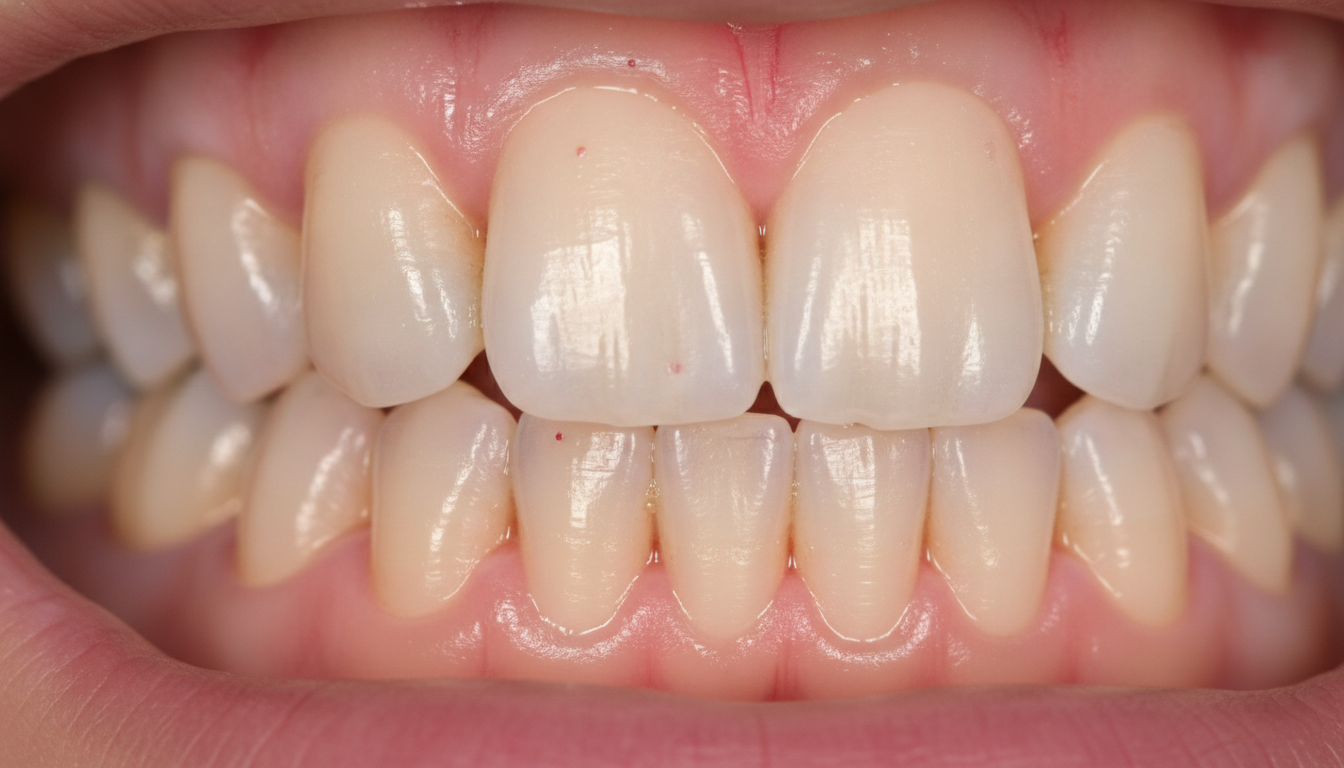
Healthy gum tissue should appear firm, resilient, and pale pink (though natural pigmentation can vary based on ethnicity). When gum inflammation sets in, the tissue loses its tight, firm appearance. It may look puffy, shiny, and turn a dark shade of red or purple.
3. Persistent Bad Breath (Halitosis)
Chronic bad breath, clinically known as halitosis, is more than just an embarrassing social issue; it is a key biological indicator of an unstable oral microbiome. Pathogenic anaerobic bacteria residing in deep gum pockets digest protein residues and release volatile sulfur compounds (VSCs). These compounds produce a foul odor that cannot be cured by ordinary mints or temporary mouthwashes.
4. Receding Gums and Increased Tooth Sensitivity
As plaque accumulation irritates the gums, the tissue may begin to pull back slightly from the base of the teeth. This recession exposes the sensitive dentin layer underneath, causing sharp jolts of discomfort when consuming hot, cold, acidic, or sweet foods and beverages.
5. Loss of Tissue Stippling
Healthy gum tissue often has a slightly dimpled texture, similar to the skin of an orange (known as stippling). When tissue becomes inflamed and swollen due to fluid retention (edema), this stippled texture disappears, leaving the gums looking smooth, tight, and unnaturally glossy.
The Difference Between Gingivitis and Periodontitis
Understanding the clear line of demarcation between gingivitis and periodontal disease is vital for evaluating your oral health status.
| Feature | Early Gingivitis | Periodontitis |
|---|---|---|
| Affected Area | Gingival soft tissue only | Soft tissue, periodontal ligament, and bone |
| Reversibility | 100% Reversible with proper care | Irreversible (Can only be managed/managed) |
| Bone Loss | None | Mild to Severe Alveolar Bone Destruction |
| Tooth Mobility | Teeth remain firm | Teeth may become loose or shift position |
| Primary Cause | Surface plaque buildup | Deep subgingival infection and chronic inflammation |
If you catch the condition while it is still in the gingivitis phase, full recovery is completely within your reach. Once it transitions into periodontitis, the structural damage to the bone cannot be naturally undone, requiring invasive clinical interventions.
Actionable Steps to Reverse Early Gingivitis Naturally
Reversing early gum issues requires a two-pronged strategy: eliminating the physical accumulation of plaque bacteria and creating an internal environment that supports rapid tissue healing. Here is your daily protocol for achieving healthy gums.
1. Master the Bass Brushing Technique
Brushing twice a day is essential, but how you brush matters just as much as how often. The Modified Bass Technique is widely regarded by dental professionals as the gold standard for clearing subgingival plaque:
- Hold your soft-bristled toothbrush at a 45-degree angle relative to your gumline.
- Apply gentle pressure so the bristles slide slightly into the space between your tooth and gum.
- Move the brush in small, circular, vibratory motions rather than harsh horizontal strokes.
- Sweep the brush head away from the gumline toward the biting edge of the tooth.
- Spend a full two minutes brushing, allocating 30 seconds to each quadrant of your mouth.
Note: Avoid hard-bristled brushes, as aggressive scrubbing can abrade enamel and cause physical trauma to fragile gums.
2. Make Interdental Cleaning Non-Negotiable
A standard toothbrush only cleans roughly 60% of your tooth surfaces. The remaining 40% lies in the interdental spaces between teeth—the exact spots where early gingivitis symptoms typically emerge first.
- Traditional Dental Floss: Use a clean segment of floss for each tooth, curving it into a “C” shape around the side of the tooth and gently sliding it beneath the gumline.
- Interdental Brushes: If you have larger gaps, these small cylindrical brushes are exceptionally effective at scrubbing out trapped debris.
- Water Flossers: Using a targeted stream of pressurized water can flush out bacteria from hard-to-reach pockets, making it an excellent alternative or addition to manual flossing.
3. Upgrade Your Daily Rinse Routine
Commercial mouthwashes loaded with alcohol may offer a temporary feeling of freshness, but they often do more harm than good by drying out your mouth and stripping away beneficial bacteria.
Instead, consider using a mild warm salt water rinse (1/2 teaspoon of pure salt dissolved in a glass of warm water). Salt water acts as a natural isotonic disinfectant, reducing swelling and soothing inflamed tissue. Alternatively, look for therapeutic, non-alcoholic mouthwashes containing essential oils like tea tree, peppermint, or thyme, which possess proven antibacterial properties.
4. Provide Targeted Nutritional Support
Daily mechanical cleaning removes surface bacteria, but internal nutritional support accelerates tissue regeneration from the inside out. Your gums require high amounts of Vitamin C to synthesize collagen, Vitamin D to regulate localized immune responses, and antioxidants to combat cellular stress.
To give your body the exact compounds required to repair fragile oral tissue, incorporating specialized supplement formulas can yield remarkable results. For accelerated tissue recovery, this advanced dental health product provides potent nutrients specifically formulated to target deep-seated inflammation and support long-term gum regeneration.
The Role of the Oral Microbiome in Gum Health
To truly understand swollen gums treatment, one must look beyond basic hygiene and examine the delicate balance of the oral microbiome.
Your mouth is home to over 700 distinct species of microorganisms. In a healthy state, beneficial probiotic bacteria keep harmful species in check. They create a protective biofilm over your mucosa, neutralize dietary acids, and produce antimicrobial compounds that inhibit pathogenic invaders.
When your oral environment becomes overly acidic—due to poor diet, chronic stress, mouth breathing, or aggressive chemical rinses—the microbial balance shifts. Harmful, inflammation-inducing bacteria proliferate, overpowering the beneficial species.
Healthy Balance (Eubiosis):
[Good Bacteria] >>> [Harmful Bacteria] —> Healthy Gums, Fresh Breath, Strong Enamel
Microbial Imbalance (Dysbiosis):
[Harmful Bacteria] >>> [Good Bacteria] —> Inflammation, Bleeding Gums, Plaque Build-Up
Restoring balance to this micro-ecology requires a holistic approach:
- Reduce Sugar Intake: Refined sugars directly feed pathogenic species such as Porphyromonas gingivalis and Streptococcus mutans.
- Hydrate Adequately: Saliva is your mouth’s natural defense system. It contains protective enzymes, antibodies, and minerals that continuously bathe your teeth and neutralize destructive acids.
- Use Microbiome-Friendly Solutions: Rather than indiscriminately blasting your mouth with harsh chemical agents, nourish the internal ecosystem. Using targeted supplements like this natural dental care formula helps rebalance your internal microflora, delivering vital nutrients directly to your oral tissues to reverse chronic inflammation.
Common Mistakes That Worsen Gum Health
Even individuals with the best intentions often make simple mistakes that aggravate their gum problems. Steer clear of these common pitfalls:
1. Stopping Flossing Because of Bleeding
When people notice bleeding gums, their immediate instinct is often to stop flossing the affected area out of fear of causing damage. This is counterproductive. Gums bleed because plaque is trapped there; avoiding the area allows plaque to accumulate further, worsening the infection. Continue cleaning the area gently—the bleeding will typically subside within 7 to 14 days as inflammation recedes.
2. Brushing Too Hard or Too Frequently
More pressure does not mean cleaner teeth. Brushing with excessive force strips away microscopic layers of protective enamel and causes physical recession of the soft gingival tissue. Always use light pressure with a soft or extra-soft toothbrush.
3. Relying Solely on Whitening Products
Whitening toothpastes and chemical bleaching strips are designed for aesthetic polishing, not therapeutic care. In fact, many whitening products contain harsh abrasive agents or oxidizing chemicals that irritate tender, inflamed gums. Prioritize health before aesthetics.
4. Ignoring Dietary Influences
You cannot out-brush a bad diet. Consuming high amounts of processed foods, acidic sodas, and alcohol creates a systemic inflammatory state that directly impacts your body’s ability to clear oral infections.
A Step-by-Step Daily Protocol for Reversing Early Gingivitis
To streamline your journey toward optimal gum disease prevention, implement this structured morning and evening routine:
Morning Routine:
- Scrape Your Tongue: Use a dedicated copper or stainless-steel tongue scraper to gently remove the bacterial layer that accumulates overnight.
- Gentle Brushing: Brush for two full minutes using a soft-bristled brush angled at 45 degrees toward the gumline.
- Internal Support: Take your daily targeted oral supplement alongside a nutritious breakfast to support systemic immune function and tissue repair.
Evening Routine:
- Interdental Clean: Thoroughly floss or use interdental brushes to clear out trapped food particles and surface plaque from between every single tooth.
- Precision Brushing: Brush your teeth for two minutes, ensuring you pay equal attention to the outer, inner, and chewing surfaces.
- Therapeutic Soak/Rinse: Rinse with a gentle, non-alcoholic antimicrobial solution or a warm salt water mixture to calm the tissue overnight.
If you are looking to fast-track your results and protect your mouth against future bacterial imbalances, supplementing your routine with this effective gum health solution offers a convenient way to deliver essential botanical extracts and nutrients directly to your connective tissues.
When to See a Dental Professional
While early-stage gum issues can be successfully reversed at home through diligent care and dietary support, professional evaluation remains critical. You should consult a dentist immediately if you experience any of the following symptoms:
- Severe, throbbing pain in your teeth or gums.
- Noticeable pus or discharge coming from around the gumline.
- Visible loosening of one or more adult teeth.
- Severe gum recession that rapidly worsens.
- Swollen tissue that obstructs your ability to chew comfortably.
A dental hygienist can perform a specialized deep cleaning (scaling) to remove hardened calculus deposits that cannot be removed by home techniques alone, giving your home care routine a completely clean slate to build upon.
Final Thoughts: Taking Control of Your Oral Future
Learning how to spot and reverse early gingivitis is one of the most impactful steps you can take for your overall health. Your mouth serves as the gateway to the rest of your body; systemic inflammation originating in the gums has been linked in numerous scientific studies to broader health issues, including cardiovascular strain and metabolic imbalances.
Early gum inflammation is not a permanent sentence—it is simply a warning sign from your body telling you to adjust your routine. By adopting a meticulous dental hygiene routine, eating a nutrient-dense diet, maintaining balanced hydration, and utilizing modern nutritional breakthroughs, you can restore your gums to a firm, resilient, and healthy state.
Don’t wait for minor bleeding or slight puffiness to transform into painful, irreversible bone damage. Listen to the early signals your body is sending, optimize your daily routine, and take proactive control of your oral health today.