Your smile is often the very first thing people notice about you, but behind those pearly white teeth lies a critical foundation that is frequently overlooked: your gums. Most people spend decades focusing exclusively on keeping their teeth white, completely unaware that a silent, progressive condition might be attacking the soft tissue holding those teeth in place.
Gum disease, medically known as periodontal disease, affects hundreds of millions of adults worldwide. What makes it particularly dangerous is its stealthy nature. In its earliest stages, it rarely causes sharp pain, meaning it can quietly develop for months or even years without raising any major red flags.
However, catching the warning signs early is the difference between a simple, reversible issue and permanent damage that leads to tooth loss and expensive dental surgeries. In this comprehensive guide, we will explore exactly how to spot the very first signs of gum disease, why it happens, and the actionable steps you can take today to protect your smile and restore your oral hygiene.
Understanding the Stages: From Gingivitis to Periodontitis
To spot the beginning of periodontal issues, you must first understand how the condition develops. It does not happen overnight; rather, it is a gradual transition triggered by the accumulation of bacteria in your mouth.
Stage 1: Gingivitis (The Early Warning Zone)
Gingivitis is the earliest and mildest form of gum disease. It occurs when a sticky, invisible film of bacteria called plaque buildup forms along the gumline and isn’t effectively cleaned away. The bacteria inside this plaque produce toxins that irritate, inflame, and redden the surrounding gum tissue.
The crucial detail to remember about gingivitis is that it is 100% reversible. At this point, the bacterial infection has only affected the soft gum tissue, and the bone supporting your teeth remains completely intact.
Stage 2: Periodontitis (The Advanced Destruction)
If early intervention does not occur, untreated gingivitis escalates into periodontitis. At this point, the chronic inflammation causes the inner layer of the gum and bone to pull away from the teeth, forming deep pockets. These pockets collect debris and become infected.
As your body’s immune system fights the bacteria, toxins produced by the bacteria combined with your body’s natural response begin to break down the bone and connective tissue holding your teeth. Eventually, teeth become loose and may have to be removed.
7 Early Signs: How to Spot the Beginning of Gum Disease
Because early periodontal troubles rarely hurt, you have to look for subtle visual and physical cues. If you notice any of the following seven warning signs, your body is telling you that gum disease prevention needs to become your top priority immediately.
1. Bleeding Gums After Brushing or Flossing
One of the most common early warnings is experiencing bleeding gums. Many people assume that seeing a pink tinge in the sink after brushing or flossing is normal, especially if they haven’t flossed in a while.
It is not normal. Healthy gums do not bleed when subjected to light pressure. Bleeding occurs because inflamed, bacterial-laden gum tissue becomes fragile and hyper-sensitive. If your sink regularly shows traces of blood after your normal daily routine, you are likely experiencing the first stage of gingivitis.
2. Persistent Bad Breath (Halitosis)
We all experience morning breath or garlic breath after a heavy meal. However, persistent bad breath—or a constant, metallic, unpleasant taste in your mouth—is a classic indicator of an underlying bacterial infection in your gums.
The bacteria responsible for gum disease thrive in low-oxygen environments, such as deep between your teeth and under the gumline. As these anaerobic bacteria feed on food particles and dead cells, they release volatile sulfur compounds (VSCs), which produce a foul odor that breath mints and standard mouthwashes cannot mask for long.
3. Red, Swollen, or Tender Gums
Healthy gums should be firm to the touch and display a light, pale pink color. As bacteria begin to invade the sulcus (the small crevice between your tooth and gum), your body responds by sending increased blood flow and immune cells to the area to fight off the invaders.
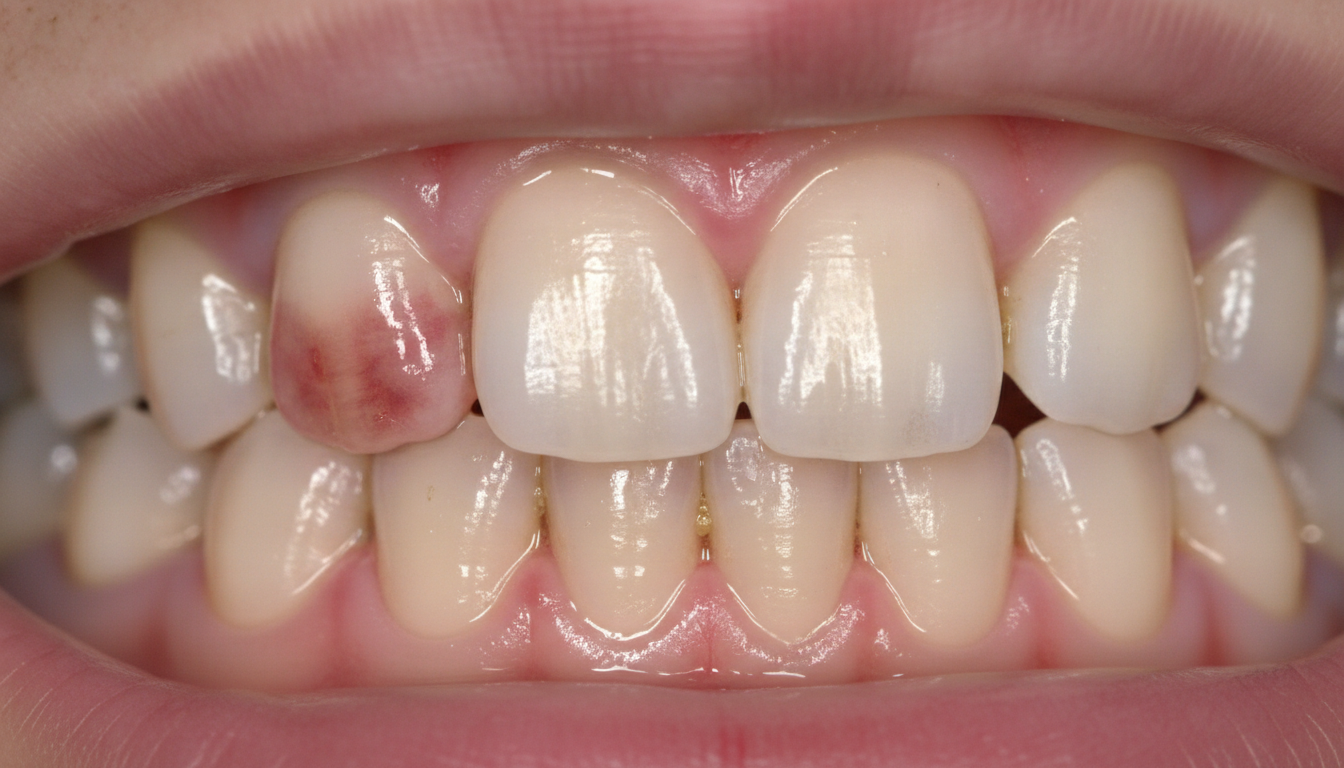
This inflammatory response leads to swollen gums that appear bright red, purplish, or puffy instead of firm and pink. You may also feel a subtle tenderness when chewing or pressing on the tissue with your finger.
4. Visible Gum Recession
Have you ever heard the old phrase “long in the tooth”? It comes from the visual effect created when gums recede, making teeth look longer than they used to be.
As bacterial inflammation persists, the gum tissue starts to pull away from the enamel, exposing the sensitive roots of your teeth. Gum recession is a major indicator that inflammation is actively breaking down your soft tissue structure.
5. Increased Tooth Sensitivity
When your gums recede due to early bacterial damage, they expose the dentin layer of your teeth. Dentin contains microscopic tubules that lead directly to the tooth’s nerve center.
If taking a sip of hot coffee or drinking iced water suddenly causes a sharp, lingering pain, it may not just be a cavity—it could be a sign that gum recession has exposed sensitive, unprotected tooth roots.
6. Changes in Your Bite or Tooth Fit
Even in the early to moderate stages of tissue breakdown, you might notice subtle shifts in how your teeth fit together when you bite down. If partial dentures, retainers, or nightguards suddenly feel like they don’t fit quite right, it could indicate that subtle tissue changes or bone density shifts are occurring beneath the surface.
7. Soft or Puffy Gum Texture
Healthy gum tissue is stippled, often resembling the texture of an orange peel. When early inflammation takes hold, the tissue loses its elasticity and density, becoming smooth, glossy, and spongy to the touch.
The Hidden Culprit: Why Daily Brushing Isn’t Always Enough
You might be asking yourself: “I brush my teeth twice a day, so why am I seeing signs of gingivitis?”
The reality is that traditional dental care often misses the root cause of gum breakdown: an unbalanced oral microbiome. Just like your gut, your mouth is home to billions of bacteria—some good, some bad.
When bad bacteria outnumber beneficial bacteria, they form a defensive barrier known as a biofilm. This biofilm shields bad bacteria from standard toothpastes and mouthwashes, allowing them to continuously irritate your gums.
To effectively combat early damage and maintain long-term dental health, you must address the ecosystem inside your mouth. Using a specialized, natural dental support formula like this advanced oral health solution can help restore beneficial bacterial balance, soothe irritated tissue, and target the underlying cause of bleeding gums from the inside out.
Major Risk Factors: What Accelerates Gum Inflammations?
While poor daily cleaning is the primary cause of plaque buildup, several secondary factors can dramatically increase your vulnerability to gum disease:
- Smoking and Tobacco Use: Tobacco impairs your immune system’s ability to fight off gum infections and restricts blood flow, which can actually hide early signs like bleeding, allowing the disease to progress silently.
- Hormonal Fluctuations: Pregnancy, puberty, menopause, and monthly menstrual cycles cause elevated hormone levels, which increase blood flow to the gums and make them hyper-reactive to plaque.
- Chronic Stress: High stress levels boost cortisol, a hormone that weakens your body’s immune system, making it harder to fight off daily oral bacterial infections.
- Poor Nutrition: A diet high in refined sugars and acidic processed foods feeds harmful oral bacteria while depriving your body of key nutrients like Vitamin C and Vitamin D needed for tissue repair.
- Systemic Health Conditions: Conditions like Type 2 diabetes impair the body’s ability to process insulin, making infections—including gum infections—much harder to control.
The Systemic Connection: Why Healthy Gums Protect Your Whole Body
Ignoring the early signs of gum disease does not just risk your smile; it risks your overall physical health. Modern medical science has uncovered a profound link between oral inflammation and systemic conditions throughout the body.
When your gums are chronically inflamed and bleeding, the microscopic barrier separating your mouth from your bloodstream breaks down. This allows harmful oral bacteria to enter your circulatory system and travel to vital organs.
Heart Disease and Stroke
Research has shown that the bacteria responsible for severe gingivitis can contribute to fatty plaque deposits in the arteries (atherosclerosis). This narrows the blood vessels and increases the risk of heart attacks and strokes.
Diabetes Management
The relationship between gum health and diabetes is a two-way street. Not only does diabetes make you more prone to infections, but active gum disease also increases blood sugar levels, making diabetes significantly harder to manage.
Respiratory Health
Inhaling airborne micro-droplets containing oral bacteria from diseased gums can draw harmful pathogens directly into your lungs, potentially triggering respiratory infections, bronchitis, or pneumonia, particularly in older adults.
How to Reverse Early Gum Damage: Your 4-Step Strategy
If you’ve spotted the early signs of gingivitis, don’t panic. Because the underlying bone structure has not been destroyed yet, you can actively reverse the damage. Here is your step-by-step action plan to reclaim healthy, vibrant gums:
+——————————————————————-+
| 4-STEP GUM RECOVERY PROTOCOL |
+——————————————————————-+
| 1. Mechanical Cleaning | Brush 2x/day & Floss systematically |
| 2. Targeted Supplementation | Rebalance the Oral Microbiome |
| 3. Diet Optimization | Cut sugars, add C & D vitamins |
| 4. Professional Care | Schedule a comprehensive dental check |
+——————————————————————-+
Step 1: Master Your Mechanical Cleaning Technique
Brushing aggressively with hard bristles actually accelerates gum recession. Instead:
- Use a soft-bristled manual or electric toothbrush held at a 45-degree angle toward the gumline.
- Clean gently using small, circular motions rather than scrubbing back and forth.
- Floss at least once daily, curving the string into a “C” shape around each tooth to clean beneath the gum margins safely.
Step 2: Rebalance Your Oral Microbiome
Standard chemical mouthwashes often kill all bacteria indiscriminately, leaving your mouth vulnerable to repopulation by aggressive bad bacteria.
To nourish good bacteria and repair fragile gum tissue naturally, incorporate targeted natural remedies. We strongly recommend supplementing your daily routine with a high-potency oral health supplement. This powerful formula helps soothe swelling, eliminates deep-seated bad bacteria, and provides essential nutrients directly needed for reversing gingivitis.
Step 3: Upgrade Your Nutritional Defense
Feed your body the raw building blocks required to repair collagen and connective tissue:
- Vitamin C: Essential for collagen synthesis and strengthening blood vessels in your gums.
- CoQ10: A natural antioxidant proven to accelerate gum tissue healing.
- Omega-3 Fatty Acids: Reduces systemic inflammation throughout the body.
- Water: Drinking plenty of water promotes natural saliva production, which acts as your mouth’s built-in defense mechanism against plaque buildup.
Step 4: Schedule a Professional Dental Checkup
Home care is critical, but it cannot remove hard, calcified plaque (tartar) once it has bonded to your teeth. A professional dental checkup and thorough cleaning by a registered dental hygienist are necessary to clear away stubborn deposits from hard-to-reach areas.
Take Action Today to Protect Your Smile
Recognizing how to spot the beginning of gum disease is the ultimate key to protecting your natural teeth for a lifetime. Pay close attention to subtle shifts: do not ignore bleeding gums, persistent bad breath, or slight tissue swelling.
By upgrading your daily oral hygiene habits, visiting your dentist regularly, and supporting your recovery with proven nutritional tools like this specialized gum health product, you can easily halt bacterial damage and restore your gums to complete health.
Your smile is an investment in your confidence and your longevity. Take control of your oral health today before a minor issue transforms into a permanent problem!