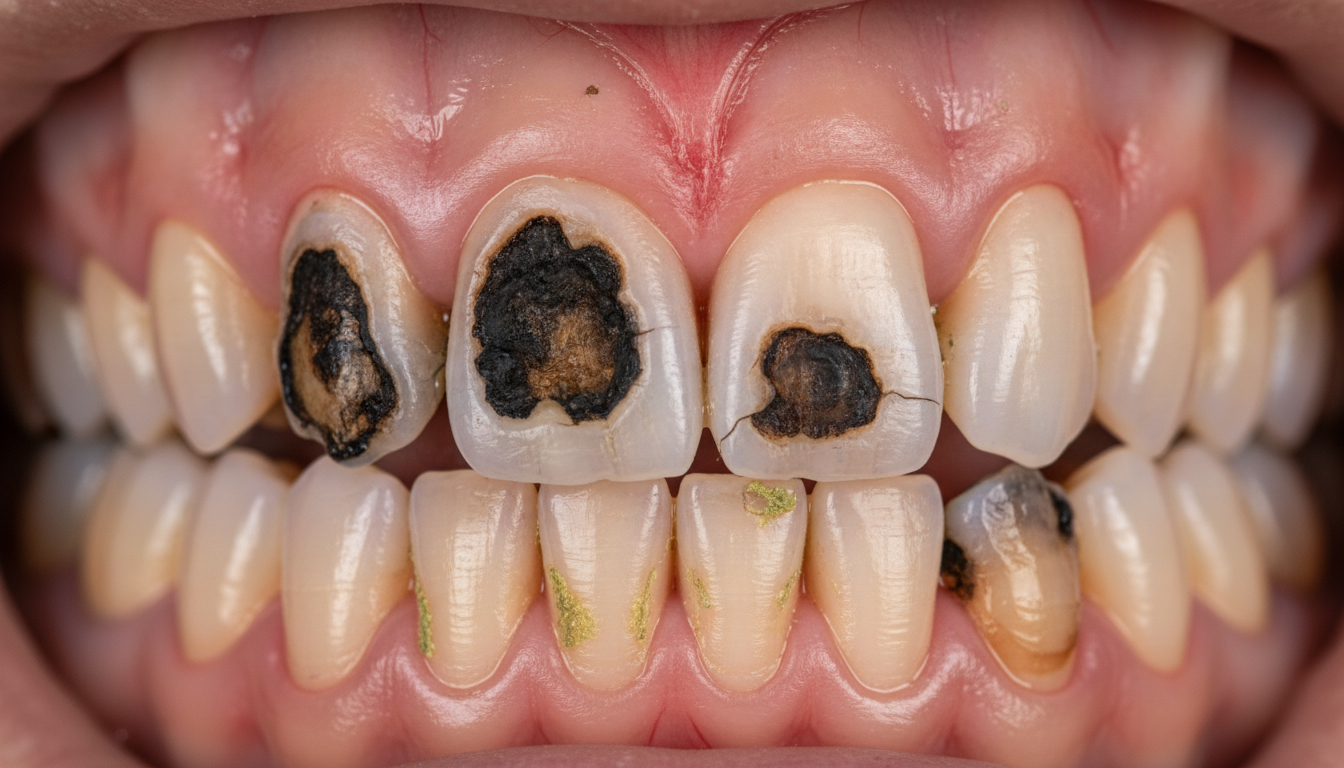
Oral health is often viewed through the lens of a bright, white smile, but behind every healthy set of teeth lies an equally critical foundation: your gums. Gum decay, medically recognized as periodontal disease, is one of the most widespread chronic conditions in the world today. Left untreated, it does far more than cause minor oral discomfort; it weakens the structural support of your teeth, leads to irreversible bone destruction, causes severe gum recession, and can ultimately result in tooth loss.
Understanding how to identify, treat, and prevent gum disease is vital for anyone looking to maintain a lifelong healthy smile. Whether you are experiencing mild irritation like bleeding gums or seeking solutions for advanced periodontitis, this comprehensive guide covers everything you need to know about stopping gum decay in its tracks.
What Is Gum Decay? Understanding the Oral Health Spectrum
The term “gum decay” generally refers to the progressive infection, inflammation, and destruction of the soft tissue and bone that anchor your teeth. Unlike dental caries (cavities), which directly attack the tooth enamel, gum disease targets the supporting periodontal structures.
Gum disease develops along a spectrum, progressing through distinct stages if left unmanaged:
1. Gingivitis
Gingivitis is the earliest and mildest stage of gum disease. It occurs when bacterial plaque—a sticky, colorless film of bacteria—accumulates along the gum line. At this point, the infection is confined entirely to the superficial soft tissues. Symptoms include mild swelling, redness, and bleeding gums during brushing or flossing. Because the underlying bone structure remains intact during this phase, gingivitis is fully reversible with meticulous oral hygiene and professional intervention.
2. Early to Moderate Periodontitis
When gingivitis goes untreated, the bacteria penetrate deeper beneath the gum margin, leading to periodontitis. The body’s immune system releases inflammatory responses to fight the invading bacteria, but this ongoing fight begins to break down the connective tissue holding the teeth in place. Deep spaces called periodontal pockets form between the teeth and gums, trapping even more bacteria, plaque, and debris. Gum recession becomes noticeable, and minor structural loss begins.
3. Advanced Periodontitis
In this final, severe stage, the fibers and alveolar bone supporting your teeth undergo widespread destruction. Periodontal pockets deepen significantly, pus may drain from the gums, and teeth become loose, shift out of alignment, or fall out entirely. Advanced periodontitis requires intensive professional dental care, surgical intervention, and robust daily maintenance routines.
Primary Causes of Gum Decay
To stop gum decay, one must first understand what triggers it. While inadequate dental hygiene is the primary culprit, several intertwined factors contribute to the breakdown of gum tissue.
Plaque Buildup —> Tartar (Calculus) —> Chronic Inflammation —> Tissue & Bone Loss
1. Plaque and Tartar Accumulation
Every hour of every day, bacteria naturally reproduce inside your mouth, forming bacterial plaque. If this plaque is not removed regularly through proper brushing and flossing, it absorbs minerals from your saliva and hardens into tartar (also known as calculus) within 24 to 72 hours. Tartar buildup cannot be removed with a standard toothbrush; it creates a rough shield under which harmful anaerobic bacteria thrive, releasing toxins that destroy gum tissue.
2. Disruption of the Oral Microbiome
Your mouth hosts billions of microorganisms. In a healthy state, beneficial bacteria keep pathogenic (disease-causing) species under control. However, excessive consumption of processed foods, refined sugars, and harsh alcohol-based mouthwashes can destroy beneficial flora, allowing harmful pathogens like Porphyromonas gingivalis to dominate, triggering localized tissue degradation.
3. Smoking and Tobacco Use
Tobacco use is one of the single greatest risk factors for gum disease. Smoking impairs blood circulation to the gums, depriving tissue of oxygen and vital nutrients necessary for repair. It also suppresses the immune system’s localized defense mechanisms, making smokers significantly more susceptible to deep infections and slower to heal after treatment.
4. Poor Nutrition and Vitamin Deficiencies
A diet high in sugar provides fuel for destructive oral bacteria. Conversely, a lack of essential micronutrients—specifically vitamin C, vitamin D, calcium, and antioxidants—compromises the body’s ability to repair collagen structures within the gums and maintain strong jawbones.
5. Chronic Stress and Hormonal Changes
Elevated cortisol levels resulting from chronic psychological stress weaken the immune response, making it easier for infections to spread. Furthermore, hormonal fluctuations during puberty, pregnancy, menopause, or monthly cycles increase blood flow to the gums, making them hyper-sensitive to the irritants found in plaque buildup.
Signs and Symptoms You Should Never Ignore
Because gum decay often develops painlessly in its early stages, many individuals are unaware they have it until significant structural damage has occurred. Recognizing the subtle warning signs is crucial for early intervention.
- Bleeding Gums: Pink, red, or dark spots on your toothbrush or floss are often the first sign of active tissue inflammation. Healthy gums should never bleed under normal pressure.
- Persistent Bad Breath (Halitosis): Persistent bad breath or a bad taste in your mouth is often caused by sulfur compounds released by anaerobic bacteria residing deep within periodontal pockets.
- Gum Recession: Teeth that appear noticeably longer than before, or visible root surfaces, indicate that the tissue is detaching and pulling back due to chronic bacterial irritation.
- Swollen, Tender, or Red Gums: Healthy gums are firm, pale pink, and fit snugly around each tooth. Swollen, dark red, or tender gums indicate active infection.
- Sensitivity to Hot and Cold: As receding gums expose sensitive tooth roots, you may experience sharp pain when consuming hot, cold, or sweet food and drinks.
- Loose or Shifting Teeth: Changes in how your teeth fit together when you bite down, or noticeable mobility in adult teeth, signal advanced structural bone loss.
Professional Medical Treatments for Gum Decay
If you suspect you have progressed beyond mild gingivitis, visiting a dentist or periodontist is essential. Professional treatments aim to remove deep bacterial deposits, reduce periodontal pockets, and create a clean environment for tissue reattachment.
Non-Surgical Interventions
- Professional Dental Cleaning: For early-stage gingivitis, a standard professional scaling cleans away soft plaque and hardened tartar above and slightly below the gum line.
- Scaling and Root Planing: Often referred to as a “deep cleaning,” scaling and root planing is the gold standard for treating periodontitis. The dentist numbs the area, carefully scrapes away plaque and tartar from deep beneath the gums, and smoothes the tooth roots to prevent bacteria from re-attaching easily.
- Targeted Antimicrobial Therapy: Antimicrobial chip inserts, antibiotic gels, or specialized antimicrobial rinses are frequently placed directly into deep pockets following scaling to eradicate remaining bacterial colonies.
Surgical Interventions
- Flap Surgery (Pocket Reduction): The gums are lifted back to allow the dentist direct access to remove deep-seated tartar deposits, after which the tissue is sutured tightly back into place.
- Bone and Tissue Grafts: When gum decay has destroyed significant amounts of tissue or bone, synthetic or natural bone grafts and soft tissue grafts are performed to regenerate lost structure and stabilize the teeth.
How to Stop Gum Decay at Home: Step-by-Step Daily Routine
While professional dental interventions address existing damage, long-term success against gum decay ultimately depends on your daily at-home oral care routine. Restoring balance to your oral environment requires a multi-faceted approach.
1. Master the Correct Brushing Technique
Brushing twice daily is mandatory, but how you brush matters just as much as how often.
- Use a soft-bristled toothbrush or an electric toothbrush with a pressure sensor. Hard bristles can erode enamel and exacerbate receding gums.
- Hold the brush at a 45-degree angle toward the gum line. Use gentle, short circular strokes rather than harsh back-and-forth sawing motions.
- Brush for a full two minutes, covering all outer, inner, and chewing surfaces of your teeth.
2. Make Flossing Non-Negotiable
A toothbrush only cleans approximately 60% of tooth surfaces. The remaining 40% lies in between teeth, where bacterial plaque accumulates unchecked.
- Floss at least once daily, preferably before bedtime.
- Gently curve the floss in a “C” shape around the side of each tooth, sliding carefully beneath the gum margin without snapping the tissue.
- Consider using an interdental brush or a water flosser if traditional flossing is difficult due to wide gaps or dental work.
3. Rebalance the Oral Microbiome Internally
Modern research proves that simply scrubbing away bacteria is often not enough to stop chronic gum decay. Standard antibacterial mouthwashes often kill all bacteria blindly—including the beneficial probiotics required to keep destructive strains at bay. To achieve long-lasting protection, you must support your body’s internal healing mechanisms and nourish the oral microbiome.
Integrating targeted oral health supplements enriched with key nutrients, antioxidants, and probiotic strains designed to protect against gingivitis can yield remarkable improvements in tissue health. Many individuals suffering from persistent swelling and bleeding find incredible support by utilizing a powerful, specialized solution like this proven tooth and gum health formula, which works internally to nourish damaged tissues, strengthen natural immune defenses, and eliminate bad bacteria.
Natural Home Remedies to Soothe Inflamed Gums
Alongside your primary oral hygiene routine, several natural remedies can help relieve inflammation and speed up soft tissue recovery:
Saltwater Rinses
Salt is a natural disinfectant and anti-inflammatory agent. Dissolve 1/2 teaspoon of salt in a glass of warm water, swish it gently around your mouth for 30 seconds, and spit it out. Repeat 2 to 3 times daily to soothe swollen gums and draw out localized fluid buildup.
Oil Pulling with Coconut Oil
An ancient Ayurvedic practice, oil pulling involves swishing 1 tablespoon of high-quality organic coconut oil in your mouth for 10 to 15 minutes. Coconut oil contains lauric acid, which possesses powerful anti-inflammatory and antimicrobial properties. It helps reduce plaque buildup and draws out toxins lodged along the gum line.
Aloe Vera Gel
Pure aloe vera has recognized antibacterial and healing properties. Applying natural aloe vera gel directly to inflamed, bleeding gums and massaging it gently can soothe discomfort and encourage tissue repair.
Nutritional Strategies to Fight Periodontal Disease
What you put into your body plays a direct role in how well your gums recover from inflammatory damage. A diet designed to stop gum decay should focus on anti-inflammatory, nutrient-dense whole foods.
| Essential Nutrient | Key Benefits for Oral Health | Primary Food Sources |
|---|---|---|
| Vitamin C | Essential for collagen synthesis, strengthening tissue capillaries, and repairing damaged gums. | Bell peppers, citrus fruits, strawberries, broccoli, kiwi. |
| Vitamin D3 & K2 | Regulates calcium absorption, fortifying the jawbone and supporting teeth anchor sites. | Fatty fish, egg yolks, grass-fed butter, fortified dairy, sunlight exposure. |
| Omega-3 Fatty Acids | Powerful natural anti-inflammatory agents that help reduce systemic and localized gum inflammation. | Salmon, walnuts, chia seeds, flaxseeds, high-quality fish oil. |
| Coenzyme Q10 (CoQ10) | Boosts cellular energy production and accelerates periodontal tissue healing. | Organ meats, beef, spinach, whole grains, high-grade supplements. |
In addition to eating nutrient-rich foods, eliminating refined carbohydrates and sugary snacks is vital. Sugar fuels pathogenic bacteria, causing rapid acid production that dissolves enamel and triggers aggressive immune responses within the gum tissue.
To streamline this process and ensure your body receives optimal concentrations of these critical nutrients daily, incorporating a high-potency oral restoration supplement can make a significant difference. Utilizing an advanced, doctor-formulated option such as this natural dental and gum health solution provides the precise botanical extracts and micronutrients necessary to repair receding gum margins and eliminate deep bacterial inflammation from the inside out.
Crucial Lifestyle Adjustments for Long-Term Gum Health
Reversing early gum disease and preventing future relapses requires aligning your broader lifestyle habits with your oral health goals.
1. Quit Tobacco Products
Smoking or chewing tobacco severely restricts blood flow, masking the early warning signs of gum disease (such as bleeding) while secretly accelerating underlying bone destruction. Quitting tobacco is one of the single most impactful decisions you can make for your teeth and overall lifespan.
2. Manage Stress Effectively
Elevated levels of the stress hormone cortisol impair your body’s ability to fight off bacterial invasions. Practices such as daily meditation, regular physical exercise, adequate sleep, and breathwork can reduce systemic inflammation and support your body’s natural tissue repair cycles.
3. Stay Fully Hydrated
Saliva is your mouth’s natural defense mechanism. It contains essential enzymes, antibodies, and minerals that neutralize harmful bacterial acids and rinse away food debris. Drink plenty of clean water throughout the day, and address factors that cause dry mouth (such as mouth-breathing or certain prescription medications).
Frequently Asked Questions About Gum Decay
Can receding gums grow back naturally?
Once gum recession has occurred and tissue is lost, it cannot regenerate or grow back on its own. However, by stopping the underlying bacterial infection, you can prevent further recession and stabilize the tissue. In cases of severe recession, cosmetic periodontists can perform gum graft procedures to cover exposed roots.
Is gingivitis contagious?
The bacteria responsible for gingivitis and periodontitis can theoretically be passed between individuals through saliva—such as through deep kissing, sharing eating utensils, or sharing drinks. However, whether the receiving person develops gum decay depends heavily on their own oral hygiene, immune system health, and oral microbiome balance.
How long does it take to reverse gingivitis?
With diligent brushing, daily flossing, professional dental cleanings, and targeted nutritional support, early-stage gingivitis can typically be fully reversed within 2 to 3 weeks.
Take Charge of Your Oral Health Today
Gum decay is a stealthy, progressive condition that can quickly compromise your smile, your ability to chew, and your overall health if ignored. Fortunately, you hold immense power over its trajectory. By identifying the root causes, maintaining rigorous daily oral hygiene, eating a nutrient-rich anti-inflammatory diet, and addressing bacterial imbalances early, you can successfully halt the progression of periodontal disease and preserve your natural smile for decades to come.
If you are tired of battling bleeding gums, persistent sensitive spots, bad breath, or receding gums, do not wait for the problem to escalate into costly surgical procedures. Take proactive control of your dental wellness today by supplementing your daily routine with a top-rated, comprehensive oral support solution. Discover how this advanced tooth and gum care formula can help you stop gum decay naturally, protect your teeth, and restore your confidence with a healthy, beautiful smile.









