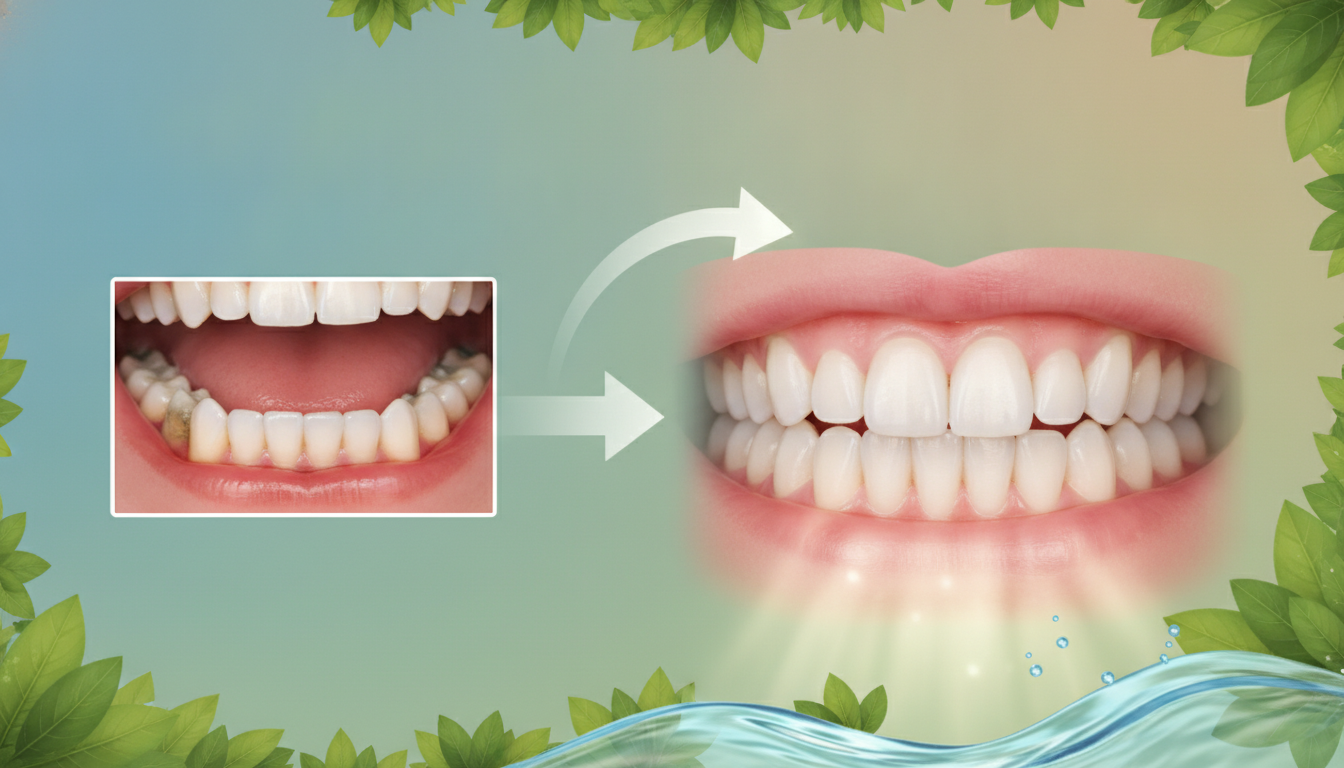
You stand in front of your bathroom mirror, spit into the sink after brushing your teeth, and notice a streak of red. It is a scene millions of people experience every single day. Bleeding gums, tenderness, and swelling are classic signs that your body is raising an alarm. You are likely dealing with early-stage gum disease, commonly known as gingivitis.
The moment you notice these symptoms, a flood of questions usually follows: Is gingivitis reversible? Am I going to lose my teeth? How long does it take to heal? How to fix gingivitis fast before it gets worse?
The short answer is a resounding YES. Gingivitis is reversible, provided you take immediate, strategic action. Unlike advanced stages of periodontitis—where structural bone loss occurs—gingivitis is a temporary inflammation of the soft tissue surrounding your teeth.
In this comprehensive guide, we will break down the science behind reversing gum disease, explore the root causes of inflammation, outline a step-by-step blueprint to restore your oral health fast, and highlight the modern solutions that accelerate your recovery.
What Exactly is Gingivitis?
To understand how to reverse a condition, you must first understand what causes it. Gingivitis is an inflammatory condition caused by an overgrowth of harmful bacteria in the mouth.
Every day, a clear, sticky film called plaque forms on your teeth. This plaque is a bustling ecosystem of microorganisms. When you eat, especially foods high in refined sugars or carbohydrates, these bacteria feed on the food particles and release acidic byproducts and toxins.
If plaque is not systematically removed through proper oral hygiene, it builds up along and beneath the gumline. Your immune system recognizes these bacterial toxins as a threat and responds by sending white blood cells to fight off the invasion. This immune response causes the tissue to become red, swollen, and prone to bleeding.
The Key Symptoms of Gingivitis
Many people live with mild gingivitis without even realizing it because it is rarely painful in its initial stages. However, key indicators include:
- Bleeding gums during brushing or flossing.
- Swollen gums or tissue that looks puffy rather than firm and tight.
- Persistent bad breath (halitosis) or a foul taste in your mouth.
- Gums that have shifted from a healthy pale pink to a bright red or purplish hue.
- Gums that feel soft or tender to the touch.
Is Gingivitis Reversible? The Science Explained
The reason gingivitis is reversible comes down to anatomy. At this stage of oral inflammation, the bacteria have only attacked the superficial soft tissue (the gingiva). The underlying structures—the periodontal ligament and the alveolar bone holding your teeth in place—remain completely intact.
Because your gum tissue has a high rate of cellular turnover and a robust blood supply, it possesses remarkable self-healing capabilities. Once the primary irritant (bacterial plaque and tartar) is removed and controlled, the inflammation subsides, and your gums can contract, reattach firmly to the teeth, and regain their natural, healthy state.
The Critical Window: Gingivitis vs. Periodontitis
If you leave gingivitis untreated, it will eventually progress into periodontitis.
| Feature | Gingivitis | Periodontitis |
|---|---|---|
| Reversibility | Fully Reversible | Irreversible (Can only be managed) |
| Tissue Affected | Soft gum tissue only | Gums, ligaments, and supporting bone |
| Bone Loss | None | Moderate to severe |
| Surgical Need | Rarely required | Frequently required |
When gingivitis transitions into periodontitis, deep pockets form between the teeth and gums, filling with destructive bacteria. Over time, your body’s immune system literally breaks down its own bone tissue to retreat from the infection. This can lead to loose teeth, receding gums, and eventual tooth loss.
This is precisely why learning how to fix gingivitis fast is not just about cosmetic appeal or fresh breath—it is about saving your teeth.
Root Causes: Why Do Gums Get Inflamed?
While poor brushing habits are the primary culprit, gum disease treatment requires looking at the bigger picture. Several factors can compromise your oral health and accelerate plaque buildup:
- Inadequate Mechanical Cleaning: Skipping flossing or brushing for less than two minutes leaves vast colonies of bacteria undisturbed in hard-to-reach places.
- Oral Microbiome Imbalance: Your mouth is home to billions of bacteria—some good, some bad. When the balance tips in favor of pathogenic bacteria, systemic inflammation spikes.
- Nutritional Deficiencies: A lack of essential vitamins, particularly Vitamin C and Vitamin D, weakens the structural integrity of your gums and dampens your immune system.
- Hormonal Fluctuations: Pregnancy, puberty, menopause, and monthly cycles can make gums significantly more sensitive to bacterial irritation.
- Chronic Stress and Lack of Sleep: High cortisol levels suppress your body’s ability to fight off bacterial infections, including those in your mouth.
- Dry Mouth (Xerostomia): Saliva is your mouth’s natural defense system. It washes away food particles and contains antibacterial enzymes. Medications or mouth-breathing that reduce saliva flow drastically increase the risk of swollen gums.
How to Fix Gingivitis Fast: A Step-by-Step Action Plan
If you want to eliminate bleeding gums and restore your tissue in as little as 7 to 14 days, you need a multi-faceted approach. You cannot simply brush harder; in fact, aggressive brushing will only exacerbate the problem. Here is your targeted recovery blueprint:
1. Upgrade Your Mechanical Cleaning Technique
The goal is to disrupt plaque daily without causing mechanical trauma to sensitive, inflamed tissues.
- Switch to a Soft-Bristled Brush: Hard bristles strip away enamel and damage delicate gum tissue. Use a soft or extra-soft toothbrush, ideally an electric sonic toothbrush, which offers thousands of micro-vibrations per minute to lift plaque effortlessly.
- Master the Modified Stillman Method: Angle your brush at 45 degrees toward the gumline. Apply gentle, vibrating pressure, and sweep the brush away from the gumline down toward the chewing surface of the tooth.
- Floss Daily and Correctly: Traditional brushing leaves nearly 35% of the tooth surface untouched. Slide dental floss or an interdental brush gently between teeth, curve it into a “C” shape against the side of each tooth, and slide it gently beneath the gumline.
2. Restore Your Oral Microbiome from Within
Brushing and flossing clean the surface of your teeth, but they often fail to address the microscopic biological environment of your mouth. Traditional antibacterial mouthwashes often make the problem worse over time because they act like nuclear bombs—killing the beneficial bacteria alongside the harmful ones.
To achieve rapid, lasting reversal, you must repopulate your oral cavity with beneficial microflora. This is where advanced nutritional science comes into play. Integrating a high-quality nutritional supplement specifically engineered to target dangerous oral bacteria while nourishing good microbes can drastically speed up your recovery time.
For those looking for a fast, effective strategy to stop gum bleeding and support tissue regeneration, adding an advanced daily oral probiotic like this high-potency oral health solution can accelerate your results significantly by rebalancing your internal oral ecosystem.
3. Harness the Power of Targeted Natural Rinses
While you work on balancing your oral microbiome long-term, short-term natural rinses can reduce immediate pain and swelling:
- Warm Salt Water Rinses: Dissolve half a teaspoon of sea salt in a glass of warm water. Swish for 30 seconds and spit out. Salt acts as a natural disinfectant and draws excess fluid out of swollen tissues, bringing immediate relief.
- Aloe Vera Gel Rinse: Pure aloe vera has potent anti-inflammatory and antibacterial properties. Swishing with pure, organic aloe vera juice can soothe irritated gums.
The Role of Diet and Supplements in Reversing Gum Disease
Your gums are made of collagen tissue, and their health is directly tied to what you put into your body. To support fast healing, modify your daily intake to include nutrients that build strong cell walls and enhance immune resilience.
Foods to Eliminate Immediately
- Refined Sugars: Candies, sodas, and pastries directly feed the pathogenic bacteria that cause plaque buildup.
- Sticky Carbohydrates: Chips, white bread, and dried fruit lodge between teeth and stay there for hours, creating a breeding ground for bacteria.
- Acidic Foods and Drinks: Excessive citrus, coffee, and alcohol weaken tooth enamel and irritate already sensitive tissue.
Key Nutrients for Faster Gum Repair
- Vitamin C: Essential for collagen synthesis and tissue repair. A severe deficiency in Vitamin C leads to scurvy, a disease characterized by severely bleeding gums.
- Coenzyme Q10 (CoQ10): A powerful antioxidant that speeds up tissue healing and reduces inflammation in periodontal tissues.
- Probiotics: Specific strains like Lactobacillus reuteri and Bifidobacterium have been clinically shown to reduce gum bleeding and plaque formation.
While getting these nutrients through food is helpful, targeted oral health formulas deliver concentrated dosages designed specifically for systemic dental recovery. Utilizing a comprehensive daily supplement such as this targeted dental health regimen ensures that your body has every building block it needs to soothe swollen gums and rebuild healthy connective tissue from the inside out.
Timeline: How Long Does It Take to Reverse Gingivitis?
One of the most encouraging aspects of early gum disease treatment is how rapidly human tissue can respond to proper care.
- Days 1 to 3: Bleeding during brushing may temporarily continue, but puffiness and redness should begin to decline as mechanical pressure is normalized and beneficial nutrients are introduced.
- Days 4 to 7: Tenderness subsides. Gums begin shifting from bright red to a healthier pink shade. Bad breath drops dramatically as bacterial populations normalize.
- Days 7 to 14: In mild to moderate cases, bleeding gums stop completely. The gum line tightens firmly against the bases of the teeth.
If you do not see noticeable improvements after two weeks of strict hygiene, dietary modifications, and supplementation, it is essential to consult a professional dentist. You may have underlying hardened tartar (calculus) beneath the gumline that requires professional dental scaling.
5 Common Mistakes That Delay Reversal
Even people with the best intentions often make mistakes that stall their progress. Avoid these common traps:
1. Brushing Too Aggressively
When people see bleeding, their instinct is often to scrub their teeth harder to “clean away the disease.” Aggressive brushing acts like sandpaper on inflamed tissue, causing gums to recede permanently. Always let the bristles do the work gently.
2. Stopping Flossing Because It Bleeds
It is counterintuitive: your gums bleed when you floss, so you stop flossing. However, gums bleed because plaque is trapped between them. Stopping flossing allows the bacterial infection to thrive. Continue flossing gently; the bleeding will stop once the inflammation vanishes.
3. Relying Solely on Alcohol-Based Mouthwashes
Commercial mouthwashes loaded with alcohol cause severe dryness. Dryness eliminates saliva, which is your mouth’s primary natural defense mechanism against bad bacteria. Opt instead for alcohol-free rinses or natural microbiome-supporting solutions.
4. Ignoring Internal Health
Oral health is not isolated from the rest of your body. Poor sleep, chronic stress, smoking, and a low-nutrient diet will undermine even the most meticulous brushing routine. Treating your body holistically is the secret to permanent success.
Combining consistent daily brushing and flossing with a strong internal defense system—like using this top-rated oral care protocol—is the fastest way to overcome mistakes and achieve lasting results.
When to See a Dentist
While self-care routines are extremely effective for early-stage conditions, professional care remains a critical pillar of long-term dental health. You should schedule a professional evaluation if you experience:
- Teeth that feel loose or shifting position.
- Severe pain when chewing or biting down.
- Visible pus coming from the gumline.
- Gums that have receded significantly, exposing the roots of your teeth.
- Persistent inflammation that does not improve after two weeks of home treatment.
A dental hygienist uses specialized ultrasonic instruments to remove hardened tartar—a hard mineral deposit that home toothbrushes simply cannot remove. Once tartar is cleared professionally, your home routine and nutritional support will yield maximum results.
Summary: Your Roadmap to Reversing Gingivitis Fast
To summarize, is gingivitis reversible? Absolutely. It is a temporary condition, not a permanent diagnosis. However, time is your most valuable asset. The faster you take decisive action, the easier it is to restore your smile completely.
Here is your daily check-list to fix gingivitis fast:
- Brush gently twice daily for two full minutes using a soft-bristled or sonic toothbrush.
- Floss every night to clear out bacterial colonies trapped between teeth.
- Ditch harsh, alcohol-based mouthwashes that disrupt your natural oral ecology.
- Drink plenty of water throughout the day to keep saliva production high.
- Support your oral microbiome from within by eating nutrient-dense foods and taking proven, high-potency oral health supplements.
Take control of your oral health today. By combining proper daily hygiene with advanced nutritional strategies, you can eliminate bleeding gums, protect your teeth for a lifetime, and enjoy the confidence of a clean, healthy, and radiant smile.









