Pregnancy is a transformative journey filled with excitement, physical changes, and preparation for a new chapter in life. While expectant mothers frequently prepare for common pregnancy symptoms like morning sickness, fatigue, and lower back pain, many are surprised by changes occurring in their mouths. One of the most prevalent yet frequently overlooked conditions during this period is pregnancy gingivitis.
This specific form of gum inflammation affects an estimated 60% to 75% of pregnant women. It typically manifests between the second and eighth months of pregnancy and can cause significant discomfort if left unmanaged. Understanding why this condition happens, recognizing its warning signs early, and implementing effective, safe relief strategies are essential steps for protecting both maternal health and the safety of the developing baby.
What is Pregnancy Gingivitis?
Pregnancy gingivitis is a temporary form of gum disease that occurs primarily due to the dramatic fluctuations in hormone levels during gestation. While bacterial plaque is the primary driver of any gum infection, the hormonal shifts associated with pregnancy make the delicate gum tissue extraordinarily sensitive to the presence of daily oral bacteria.
Under normal circumstances, your body’s immune system manages the natural microbial ecosystem inside your mouth. However, during pregnancy, elevated levels of hormones alter this balance. As a result, even minor amounts of dental plaque that might normally go unnoticed can trigger an exaggerated inflammatory response, causing the gums to swell, turn red, and bleed easily during routine brushing or flossing.
The Root Causes of Pregnancy Gingivitis
To effectively manage and prevent this condition, it helps to understand the underlying mechanisms that make pregnant women particularly vulnerable to oral health issues.
Hormonal Spikes (Progesterone & Estrogen)
↓
Increased Blood Flow to Gums
↓
Exaggerated Response to Plaque
↓
Pregnancy Gingivitis
1. Elevated Progesterone and Estrogen
The primary culprit behind pregnancy gingivitis is the surge in the hormones progesterone and estrogen. Progesterone levels can rise up to ten times higher than normal during pregnancy. This hormone relaxes blood vessels throughout the body—including those in the mouth—and increases vascular permeability. Consequently, blood flows more freely to the gum tissue, making it softer, more delicate, and highly susceptible to swelling and irritation.
2. Altered Immune Response
Pregnancy naturally alters the body’s immune system to prevent it from treating the developing fetus as a foreign organism. While this adaptation is vital for sustaining a healthy pregnancy, it temporarily changes how the body reacts to oral bacteria. The immune system becomes less efficient at suppressing specific strains of bacteria associated with periodontal inflammation, allowing plaque toxins to irritate the gums more rapidly.
3. Changes in Saliva Composition and Flow
Saliva acts as a natural defense mechanism by washing away food debris and neutralizing acids produced by bacteria. During pregnancy, changes in hormonal balance can lead to alterations in salivary composition, reducing its buffering capacity. Some women experience dry mouth (xerostomia), while others produce excess saliva; both extremes can disrupt the balance of the oral microbiome, accelerating plaque buildup.
4. Morning Sickness and Gastric Reflux
Frequent vomiting associated with morning sickness exposes the teeth and gums to harsh stomach acids. Gastric acid erodes protective tooth enamel and irritates delicate gum margins. Furthermore, women suffering from severe nausea may find it difficult to maintain their standard oral hygiene routine, particularly if brushing triggers a gag reflex.
5. Dietary Changes and Cravings
Pregnancy cravings often lean toward carbohydrates, sweets, and acidic foods. Carbohydrates break down into simple sugars, which feed harmful oral bacteria, leading to increased acid production and rapid plaque accumulation.
Recognizing the Symptoms
Identifying the early signs of pregnancy gingivitis allows you to take action before the condition progresses into more serious complications. The symptoms often start mild and gradually intensify if not addressed.
- Bleeding Gums: The most recognized indicator. You may notice blood on your toothbrush, in the sink after rinsing, or on your dental floss.
- Swollen and Tender Gums: The tissue around your teeth becomes puffy, soft, and sensitive to touch or temperature variations.
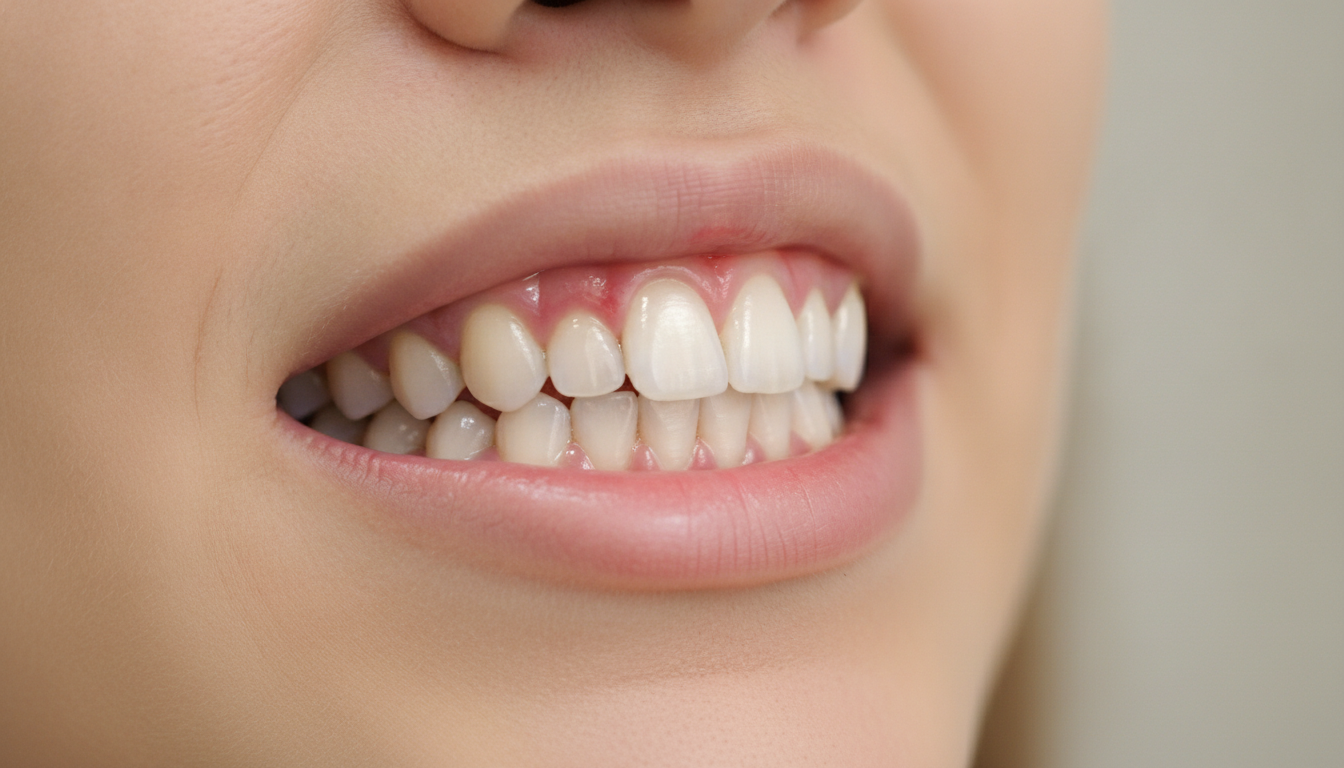
- Red or Darkened Gum Tissue: Healthy gums are typically pale pink and firm. Irritated gums appear bright red, purple, or visibly inflamed.
- Persistent Bad Breath (Halitosis): Bacteria lingering along the gumline release volatile sulfur compounds, causing an unpleasant taste or lingering odor.
- Receding Gums: In more noticeable cases, the gums may begin to pull away from the tooth roots, creating small pockets where bacteria gather.
- Pregnancy Tumors (Pyogenic Granulomas): Despite the alarming name, these are non-cancerous, localized growths that appear on the gums, usually during the second trimester. They look like small, red nodules, bleed easily, and typically regress on their own after childbirth.
The Hidden Risks: Why Oral Health Matters During Pregnancy
Many women view mild gum bleeding as a minor inconvenience, but leaving pregnancy gingivitis untreated can lead to significant health complications for both mother and child.
Progression to Periodontitis
If plaque continues to build up along the gumline without intervention, simple gingivitis can escalate into periodontitis—a deep, irreversible infection of the bone and supporting tissues that anchor the teeth. Periodontitis can cause permanent structural damage, gum recession, and even tooth loss.
Risks to the Unborn Baby
Extensive clinical research has established a compelling connection between maternal periodontal disease and systemic health complications. Pathogenic bacteria from infected gums can enter the bloodstream and travel directly to the uterus. This trigger can induce systemic inflammation and stimulate the production of prostaglandins—compounds that initiate labor contractions.
As a result, severe untreated gum infection is linked to:
- Preterm labor (delivery before 37 weeks).
- Low birth weight (infants born weighing less than 5.5 pounds).
- Preeclampsia, a dangerous pregnancy complication characterized by sudden high blood pressure.
Effective Relief Strategies and Treatment Options
Managing pregnancy gingivitis requires a gentle, non-invasive, and consistent approach focused on reducing bacterial load and soothing irritated tissues.
   [ Daily Care Routine ]

             │
┌──────────────┼──────────────┐
│ │ │
Soft-Brushing Flossing Targeted Oral Support
1. Optimize Your Brushing Technique
- Use a Soft-Bristled Toothbrush: Hard bristles can abrade already tender gum tissues. Switch to an extra-soft manual or electric toothbrush.
- Brush Twice Daily for Two Minutes: Place the brush head at a 45-degree angle toward the gumline and use gentle, circular motions rather than harsh horizontal scrubbing.
- Address Gag Reflexes: If brushing triggers nausea, try using a smaller brush head (such as a child-sized toothbrush) and switch to a unflavored or mildly flavored toothpaste.
2. Floss Daily without Fail
Brushing alone cleans only about 60% of tooth surfaces. Daily flossing removes hidden dental plaque and trapped food particles from between the teeth where your toothbrush cannot reach. Slide the floss gently against the curve of each tooth to avoid cutting fragile, swollen gums.
3. Incorporate Soothing Saltwater Rinses
Warm saltwater is a simple, highly effective natural gum relief remedy. Salt reduces inflammation, draws out fluid from swollen tissues, and acts as a mild antibacterial agent.
- Dissolve half a teaspoon of salt in a glass of warm water.
- Swish gently around your mouth for 30 seconds and spit it out.
- Repeat two to three times daily, especially after meals or bouts of morning sickness.
4. Enhance Daily Care with Specialized Oral Health Solutions
Standard brushing and flossing are essential, but elevated hormonal shifts often demand extra support to keep bacterial growth fully in check. Using a high-quality, targeted dental support product can make a noticeable difference in soothing irritation and protecting tooth enamel throughout your pregnancy.
If you are looking for an advanced, effective way to maintain pristine oral hygiene and support healthy, firm gums, consider using this proven natural solution for gum health. Adding targeted care to your routine helps neutralize stubborn plaque toxins before they cause severe discomfort.
5. Practice Neutralization After Morning Sickness
If you suffer from nausea and vomiting, resist the urge to brush your teeth immediately afterward. Scrubbing acid-coated teeth can scratch away delicate enamel. Instead:
- Rinse thoroughly with plain water or a solution of water mixed with one teaspoon of baking soda to neutralize the gastric acid.
- Wait at least 30 minutes before brushing your teeth.
The Role of Nutrition in Supporting Healthy Gums
What you eat directly impacts your body’s ability to repair tissues and fight off infection. A nutrient-dense diet works from the inside out to reinforce your dental health during pregnancy.
| Nutrient | Key Benefits | Top Food Sources |
|---|---|---|
| Vitamin C | Strengthens capillary walls, repairs connective tissue, reduces bleeding gums. | Citrus fruits, strawberries, bell peppers, broccoli, kiwi. |
| Calcium | Maintains strong alveolar bone supporting your teeth and aids fetal skeletal development. | Dairy products, fortified plant milks, leafy greens, almonds. |
| Vitamin D | Enhances calcium absorption and modulates immune response to lower gum inflammation. | Eggs, fatty fish, fortified dairy, safe sun exposure. |
| Coenzyme Q10 | Antioxidant that supports cellular energy and reduces tissue breakdown in gums. | Whole grains, spinach, legumes. |
Drinking plenty of water throughout the day is equally vital. Staying hydrated stimulates saliva production, keeping your mouth naturally washed and balanced.
Professional Dental Care During Pregnancy
A common misconception among pregnant women is that visiting the dentist is unsafe. In reality, regular dental care is both safe and strongly recommended by major health organizations, including the American Dental Association (ADA) and the American College of Obstetricians and Gynecologists (ACOG).
When to Schedule an Appointment
You should schedule a routine checkup and professional cleaning during your second trimester. By this point, morning sickness has usually subsided, and lying back in the dental chair is generally more comfortable than in the third trimester.
Inform your dental team that you are pregnant, how far along you are, and if you are experiencing any severe symptoms such as deep pain, localized swelling, or persistent bleeding.
Safe Dental Procedures
- Routine Cleanings: Professional scaling removes hardened calculus (tartar) that cannot be eliminated by home brushing alone.
- Dental X-rays: If an emergency arises, preventive digital X-rays with proper abdominal and thyroid shielding are safe for developing babies.
- Local Anesthetics: Numbing agents like lidocaine can be safely administered if urgent restorative work is required.
To complement professional cleanings and maintain optimal daily defense against plaque buildup at home, many mothers rely on a specialized hygiene regimen. You can enhance your daily care routine with this advanced natural oral health formula, designed to comfort tender tissues and support overall microbial balance between dental visits.
Postpartum Oral Care: What Happens After Delivery?
For the vast majority of women, pregnancy gingivitis gradually resolves within a few weeks to months after giving birth as hormone levels return to baseline. However, your body requires time to readjust, and maintaining consistent care during the postpartum period remains vital.
Postpartum Recovery Window
┌─────────────────────────────────────────┐
│ Hormone Levels Normalize (Weeks 1 – 8) │
│ ↓ │
│ Inflammation Decreases │
│ ↓ │
│ Long-Term Oral Health Restored │
└─────────────────────────────────────────┘
During the busy early months of caring for a newborn, mothers often experience sleep deprivation and may neglect their personal wellness habits. Continuing a quick, highly effective oral care routine guarantees that any lingering gum inflammation heals completely without leaving lasting damage.
To maintain your bright smile and keep your gums firm and resilient long after delivery, consider maintaining your daily routine using a dedicated remedy like this specialized dental hygiene supplement. Sustaining these proactive habits safeguards your long-term wellness as you navigate motherhood.
Summary Checklist for Managing Pregnancy Gingivitis
To keep your oral care simple and manageable during pregnancy, follow this quick daily checklist:
- Brush Gently: Twice per day using an extra-soft toothbrush and circular motions.
- Floss Consistently: Once per day to eliminate hidden interdental dental plaque.
- Rinse Safely: Use warm saltwater or alcohol-free mouthwashes to soothe irritated tissues.
- Neutralize Acids: Rinse with baking soda and water after morning sickness before brushing.
- Eat Well: Focus on foods rich in Vitamin C, Calcium, and Vitamin D while limiting sugary snacks.
- Visit the Dentist: Schedule a professional cleaning during the second trimester.
- Support Your Routine: Use targeted natural products to reinforce your oral immune defenses.
Final Thoughts
While pregnancy gingivitis is a very common side effect of gestation, it should never be ignored. The combination of surging hormones, shifting immunity, and sensitive tissues creates a environment where swollen gums and inflammation can rapidly develop.
By establishing a gentle, highly consistent daily routine, eating a nutrient-balanced diet, and seeking timely professional dental care, you can easily protect your smile and eliminate discomfort. Caring for your teeth and gums during pregnancy is not just about keeping your mouth clean—it is a vital component of protecting your overall health and providing the best possible start for your baby.