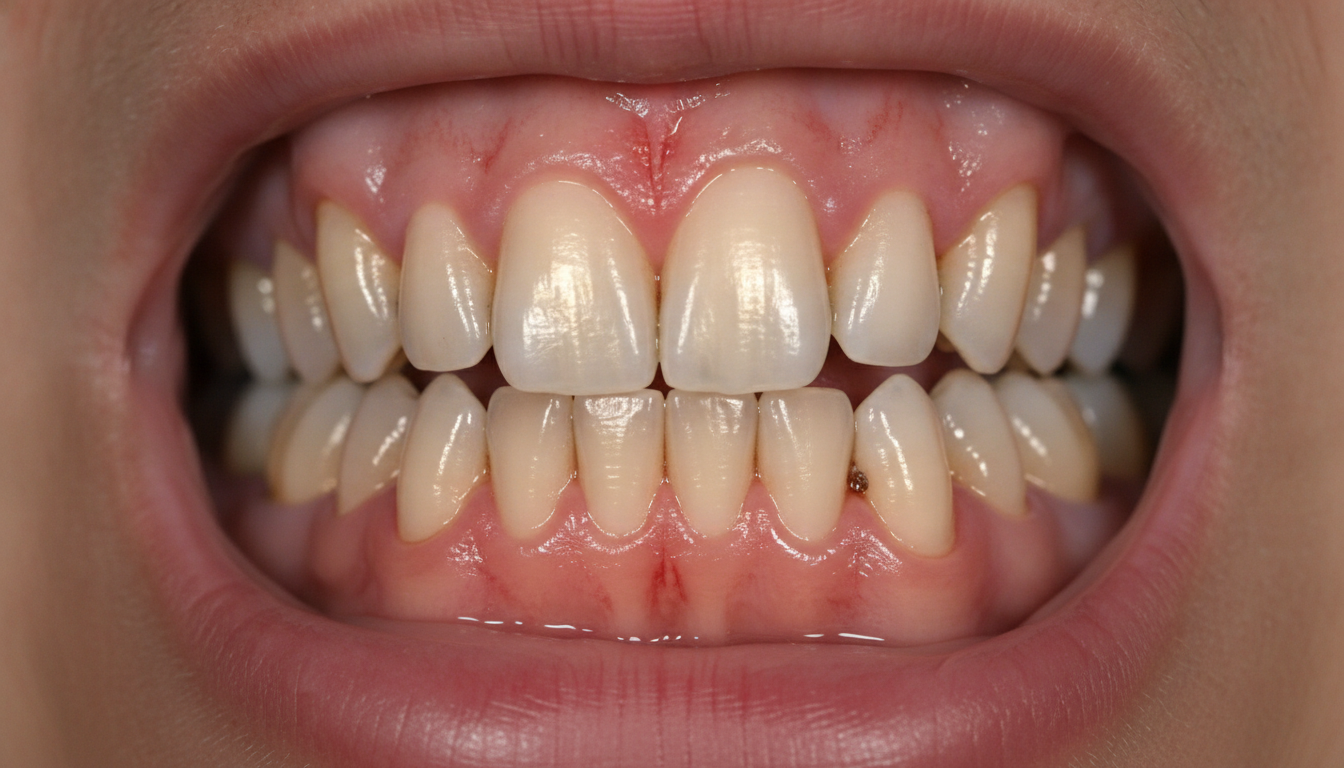
Your mouth is the gateway to your overall health, yet millions of adults worldwide suffer from a chronic, often invisible condition that threatens not only their teeth but their systemic well-being. Serious gum disease, clinically known as periodontitis, is a progressive inflammatory condition that destroys the soft tissue and bone supporting your teeth.
While many people view minor gum bleeding as a harmless nuisance, it is frequently the first warning sign of an escalating infection. Left unchecked, periodontal disease can lead to irreversible bone loss, painful abscesses, lost teeth, and an elevated risk for systemic issues like heart disease and diabetes.
In this comprehensive guide, we will explore the progression of gum health, dive deep into the causes and symptoms of advanced infection, review modern medical treatments, and provide actionable daily strategies—including specialized targeted solutions—to safeguard your smile.
The Spectrum of Oral Health: From Gingivitis to Periodontitis
To understand serious gum disease, one must first understand how a healthy mouth transforms into an environment hostile to teeth and bone.
Healthy Gums –> Gingivitis (Reversible) –> Periodontitis (Irreversible Damage)
1. Healthy Gums
Healthy gum tissue (gingiva) appears firm, pale pink, and fits snugly around each tooth. There is no bleeding during brushing or flossing, no persistent bad odor, and the underlying structural bone remains intact.
2. Gingivitis
Gingivitis is the earliest stage of gum inflammation. It occurs when dental plaque—a sticky, color-free film of oral bacteria—accumulates along the gumline.
Common symptoms at this stage include:
- Mildly swollen or red gums.
- Bleeding gums during brushing or flossing.
- Slight tenderness.
The critical detail about gingivitis is that it is entirely reversible. At this stage, the bacterial invasion has not yet compromised the bone or supporting ligament structures. However, if neglected, gingivitis almost always progresses into a far more dangerous condition.
For individuals struggling with persistent inflammation at this early stage, incorporating an advanced oral support formula like this proven dental health supplement can help restore the natural microbial balance in your mouth before permanent damage occurs.
3. Periodontitis (Serious Gum Disease)
When dental plaque remains on teeth for too long, it hardens under the gumline into tartar (calculus). Tartar acts as a fortress for destructive bacteria, protecting them from normal toothbrushes and dental floss.
As bacteria multiply inside these calculus deposits, your body’s immune system responds by initiating a continuous inflammatory attack. Unfortunately, this chronic immune response damages the host tissue. The inner layer of the gum and bone pull away from the teeth, forming deep gaps called periodontal pockets. These pockets become infected micro-environments, destroying the surrounding bone structure and anchoring fibers.
What Causes Serious Gum Disease?
The primary trigger for periodontitis is an imbalance in the oral microbiome coupled with an overreaction of the human immune system. However, several interconnected factors contribute to the speed and severity of this disease.
   [ Bacterial Plaque / Tartar ]

               +

   [ Genetic Predisposition ]

               +
[ Lifestyle Factors (Smoking, Diet) ]
=
[ Chronic Periodontal Inflammation & Bone Loss ]
Poor Oral Hygiene Habits
Failing to brush twice daily and floss regularly allows dental plaque to transform into tartar within 24 to 72 hours. Once tartar forms, only professional dental instruments can remove it.
Smoking and Tobacco Use
Tobacco use is one of the single most significant risk factors associated with the development and progression of periodontal disease. Nicotine restricts blood flow to the gums, masking early warning signs like bleeding while simultaneously impairing the body’s ability to fight off bacterial infections and heal damaged tissues.
Chronic Medical Conditions
Systemic health issues that induce systemic inflammation or lower immune response significantly increase susceptibility to gum infection:
- Diabetes: Uncontrolled blood sugar levels increase glucose levels in saliva, fueling bacterial growth while reducing blood vessel efficiency.
- Autoimmune Disorders: Conditions like rheumatoid arthritis share inflammatory pathways with periodontitis.
- Cardiovascular Disease: Inflammation in the mouth and blood vessels frequently exacerbate one another.
Hormonal Fluctuations
Hormonal shifts during pregnancy, menopause, puberty, or monthly menstrual cycles make the gum tissue significantly more sensitive to the toxin outputs of oral bacteria.
Nutritional Deficiencies
A diet lacking essential nutrients—particularly Vitamin C, Vitamin D, Zinc, and antioxidants—compromises the structural integrity of oral mucous membranes and reduces your cellular defense mechanisms against bacterial pathogens.
Symptoms of Serious Gum Disease: What to Watch For
Periodontitis is frequently called a “silent disease” because early and moderate stages rarely cause sharp pain. Many patients mistakenly assume that if their teeth do not ache, their mouth is healthy.
Below are the key warning signs indicating you may be dealing with serious gum disease:
+——————————————————————-+
| COMMON SYMPTOMS OF PERIODONTITIS |
+——————————————————————-+
| 1. Persistent Bad Breath (Halitosis) |
| 2. Gums That Recede or Pull Away From Teeth |
| 3. Deepening Pockets Between Teeth and Gums |
| 4. Pus or Discharge Originating From the Gum Line |
| 5. Loose, Shifting, or Spacing Teeth |
| 6. Changes in Bite Alignment or Denture Fit |
| 7. Tender, Swollen, Red, or Bleeding Gums |
+——————————————————————-+
- Persistent Bad Breath (Halitosis): Volatile sulfur compounds produced by deep-pocket anaerobic bacteria create a foul taste and persistent odor that mouthwash cannot eliminate.
- Receding Gums: Teeth begin to appear visibly longer as the gum tissue and underlying bone break down and pull away.
- Bleeding Upon Contact: Healthy gums do not bleed when you brush, floss, or eat hard foods like apples.
- Pus Between Teeth and Gums: A clear indicator of active infection within a periodontal pocket.
- Loose or Shifting Teeth: As the structural alveolar bone dissolves, teeth lose their support anchor, causing them to move when chewing or feel wobbly.
- Changes in Bite Alignment: As teeth shift position due to bone loss, the way your upper and lower teeth fit together alters noticeably.
The Oral-Systemic Connection: How Gum Disease Affects the Body
Serious gum disease is not confined strictly to your mouth. The periodontium is rich in blood vessels; when gum pockets become ulcerated and infected, pathogenic bacteria leak directly into your bloodstream (bacteremia).
[ Infected Gum Pocket ]
│
▼ (Bacterial Leakage)
[ Systemic Bloodstream ]
│
┌───────┼──────────────┬────────────────┐
▼ ▼ ▼ ▼
[Heart] [Lungs] [Brain/Arteries] [Pancreas/Glucose]
Researchers have linked untreated periodontitis to multiple serious conditions throughout the body:
- Cardiovascular Disease: Pathogenic bacteria like Porphyromonas gingivalis can attach to fatty deposits in cardiac blood vessels, contributing to clot formation, atherosclerosis, and an elevated risk of heart attack or stroke.
- Diabetes Complications: The relationship between diabetes and gum disease is a two-way street. Severe gum infection increases systemic blood sugar levels, making diabetes harder to manage, while high blood sugar accelerates gum destruction.
- Respiratory Infections: Inhaling microscopic bacteria from infected gums into the lungs can lead to severe pulmonary conditions, including pneumonia, particularly in older adults.
- Pregnancy Complications: Advanced periodontal disease in pregnant women has been clinically correlated with low birth weight and premature labor due to elevated inflammatory markers in the body.
Medical and Professional Treatments for Serious Gum Disease
When gingivitis transitions into periodontitis, standard home brushing is no longer enough. Professional dental intervention becomes mandatory to stop the destruction of underlying tissue and bone.
+—————————————————————–+
| TREATMENT OPTIONS |
+—————————————————————–+
| NON-SURGICAL | SURGICAL |
| • Professional Cleaning | • Flap / Pocket Reduction |
| • Scaling & Root Planing | • Bone Grafts |
| • Antibiotic Therapy | • Soft Tissue Grafts |
| • Targeted Nutrients/Supps | • Guided Tissue Regeneration |
+—————————————————————–+
Non-Surgical Interventions
1. Scaling and Root Planing
Often called a “deep cleaning,” scaling and root planing is the primary non-surgical treatment for serious gum disease.
- Scaling: The dental professional uses specialized ultrasonic and hand tools to scrape away tartar and bacterial deposits from above and far below the gumline.
- Root Planing: The roots of the teeth are smoothed down to eliminate rough surfaces where bacteria easily hide. Smooth roots also provide a clean surface for the gum tissue to reattach.
2. Local and Systemic Antibiotics
To suppress stubborn bacterial colonies, dentists may apply localized topical antibiotic gels or micro-spheres into periodontal pockets immediately following a deep cleaning. Oral antibiotics may also be prescribed for aggressive or acute infections.
Surgical Interventions
When deep periodontal pockets (greater than 5 or 6 millimeters) remain after non-surgical therapy, surgical procedures are required to clean hard-to-reach areas and repair damaged bone.
1. Flap Surgery (Pocket Reduction)
The periodontist makes tiny incisions along the gum line to fold back the tissue, exposing the underlying roots for thorough cleaning. The damaged bone may be reshaped before the gums are stitched tightly back into place around the tooth, reducing pocket depth.
2. Bone Grafts
If severe periodontitis has destroyed the bone surrounding a tooth root, a graft made from your own bone, synthetic materials, or donated tissue can be placed into the void. This serves as a platform that encourages natural bone regrowth.
3. Soft Tissue Grafts
When severe gum recession leaves tooth roots exposed and prone to decay, tissue is harvested from the roof of your mouth (or a donor source) and attached to the affected area to reinforce the gum margin.
4. Guided Tissue Regeneration
A small piece of biocompatible mesh fabric is inserted between existing bone and gum tissue. This barrier prevents fast-growing gum tissue from filling the area where bone should be, giving bone and connective tissue cells time to regenerate properly.
Rebuilding Oral Health at Home: Daily Care Protocols
While surgical and professional treatments address structural damage, consistent daily habits determine whether your gums recover or continue to deteriorate.
Daily Oral Hygiene Formula:
Brushing (2x Daily) + Interdental Cleaning (Flossing) + Targeted Nutritional Support
1. Proper Brushing Technique
- Use a soft-bristled manual or electric toothbrush. Hard bristles can cause mechanical gum recession.
- Hold the brush at a 45-degree angle toward the gumline.
- Move the brush in short, gentle circular strokes rather than aggressive back-and-forth scrubbing.
- Brush for a full two minutes, twice per day.
2. Flossing and Interdental Cleaning
Toothbrushes clean only 60% of tooth surfaces. The remaining 40% lies in between your teeth where dental plaque breeds undisturbed.
- Use traditional dental floss, interdental brushes, or a water flosser daily.
- Gently guide the flossing material along the curve of each tooth, dipping slightly below the gumline without snapping the tissue.
3. Antimicrobial Rinses
Alcohol-free antimicrobial or therapeutic mouthwashes can reduce bacterial loads without excessively drying out fragile oral mucous membranes.
4. Internal Oral Ecosystem Support
Modern dental science increasingly highlights that topical cleaning addresses only part of the problem. Re-establishing a balanced oral microbiome, reducing tissue inflammation from within, and strengthening the cellular matrix of the gums require specific micronutrients and targeted compounds.
To complement your daily hygiene routine and support deep gum recovery, incorporating an advanced oral formulation like this specially designed dental health supplement provides the essential nutrients needed to strengthen teeth and soothe delicate gum tissue.
Nutritional & Lifestyle Guidelines for Resilient Gums
Your diet plays a massive role in dictating the severity of systemic and local inflammation.
+—————————————————————–+
| DIETARY GUIDELINES |
+—————————————————————–+
| BENEFICIAL | HARMFUL |
| • Leafy Greens (Vitamin K & Folate) | • Sugary Beverages |
| • Fatty Fish (Omega-3 Fatty Acids) | • Refined Carbs |
| • Citrus & Berries (Vitamin C) | • Alcohol / Tobacco |
| • Probiotic Foods (Yogurt, Ferments) | • Sticky Candies |
+—————————————————————–+
Nutrients That Protect Gums
- Vitamin C: Essential for collagen synthesis, which forms the structural framework of gum tissue. A deficiency can lead to severe, easily bleeding gums.
- Omega-3 Fatty Acids: Natural anti-inflammatory compounds found in salmon, walnuts, and flaxseeds help reduce the inflammatory markers associated with severe periodontitis.
- Vitamin D & Calcium: Crucial for maintaining the density of the jawbone holding your teeth in place.
- Coenzyme Q10 (CoQ10): A potent antioxidant that aids in cellular repair and has been shown to reduce gum swelling and bleeding.
What to Limit or Avoid
- Refined Sugars: Simple carbohydrates feed harmful anaerobic bacteria, accelerating the formation of acid and dental plaque.
- Sticky, Processed Foods: Candies, dried fruits, and refined chips cling to interdental spaces, providing prolonged nourishment for destructive micro-organisms.
- Excessive Alcohol: Alcohol dehydrates the mouth, reducing natural saliva production. Saliva is your mouth’s natural defense mechanism; it contains protective enzymes and buffers that neutralize bacterial acids.
Prevention: The Ultimate Defense Strategy
Preventing serious gum disease is vastly easier, less painful, and far less expensive than treating advanced bone destruction and tooth loss.
                [ 6-Month Dental Checkups ]

                            │

                            ▼
[ Optimal Daily Hygiene ] ──► [ Healthy Gums ] ◄── [ Natural Supplementation ]
Key Preventive Steps:
- Schedule Regular Dental Cleanings: Visit your dentist every 3 to 6 months for professional evaluations and calculus removal.
- Stop Smoking Immediately: Quitting tobacco dramatically improves blood circulation to periodontic tissues and speeds up healing.
- Manage Stress: High stress levels elevate cortisol production, which increases body-wide inflammation and weakens your immune response to bacterial pathogens.
- Stay Hydrated: Drink plenty of water throughout the day to flush away food debris and encourage steady saliva flow.
- Take Proactive Measures Early: At the first sign of redness or bleeding, adjust your oral care routine and consider adding a powerful daily gum health and tooth protection supplement to reinforce your body’s defenses against destructive oral bacteria.
Summary Checklist for Managing Serious Gum Disease
To wrap up, keep this quick summary checklist in mind to keep your gums healthy and strong:
- [ ] Recognize Early Signs: Do not ignore bleeding, redness, or persistent bad breath.
- [ ] Maintain Daily Cleaning: Brush gently at a 45-degree angle twice daily and clean between teeth every day.
- [ ] Get Professional Help: Schedule regular scaling and root planing if deeper pockets develop.
- [ ] Eat for Immunity: Focus on anti-inflammatory, vitamin-rich whole foods while limiting sugar and alcohol.
- [ ] Protect from Within: Utilize targeted natural supplementation to nourish connective tissues and support a healthy balance of oral bacteria.
Serious gum disease is a progressive, formidable condition, but it is not untreatable. By taking decisive action through proper medical care, diligent daily hygiene, healthy lifestyle habits, and targeted nutritional support, you can protect your teeth, preserve your bone structure, and enjoy a confident, healthy smile for life.