Oral health is often described as a window to your overall well-being. While many people focus on keeping their teeth white and straight, the health of your gums plays an equally critical role in maintaining a confident smile and a healthy body. Gum disease, medically known in its early stage as gingivitis and in its advanced stage as periodontitis, affects millions of adults worldwide. It is a silent, progressive condition that often begins without pain or dramatic symptoms, making it easy to ignore until serious damage has occurred.
Left untreated, gum disease can lead to severe complications, ranging from persistent bad breath and chronic bleeding gums to gum recession, severe bone loss, and ultimately tooth loss. Furthermore, modern medical research has established clear links between advanced periodontal disease and systemic health issues, including cardiovascular disease, diabetes, and respiratory infections.
Understanding the root causes of gum disease is the first step toward effective prevention. By recognizing the risk factors, identifying the early warning signs, and implementing a proactive oral hygiene routine, you can protect your mouth and preserve your natural smile for a lifetime. In this comprehensive guide, we will explore the top reasons why gum disease develops and provide actionable, proven strategies to prevent and even reverse its early stages.
Understanding the Stages: Gingivitis vs. Periodontitis
Before diving into the causes, it is essential to understand how gum disease progresses. The condition generally evolves through two main stages:
1. Gingivitis
Gingivitis is the earliest and mildest form of gum disease. It occurs when oral bacteria and plaque buildup accumulate along the gumline, causing irritation, inflammation, and redness of the gingival tissue. The classic sign of gingivitis is bleeding gums during daily brushing or flossing. Crucially, at this stage, the inflammation affects only the soft tissue, and the underlying bone structure remains intact. Gingivitis is fully reversible with proper hygiene, professional cleanings, and targeted care.
2. Periodontitis
If gingivitis is left unaddressed, it can progress to periodontitis. At this advanced stage, the chronic inflammation causes the gums to pull away from the teeth, creating deep spaces known as periodontal pockets. These pockets collect food debris and harmful bacteria, making them nearly impossible to clean with regular brushing alone. As the body’s immune system fights the growing bacterial infection, toxins produced by the bacteria begin to break down the connective tissue and bone that hold your teeth in place. Over time, periodontitis leads to gum recession, loose teeth, and eventually irreversible tooth loss.
Top Reasons for Gum Disease
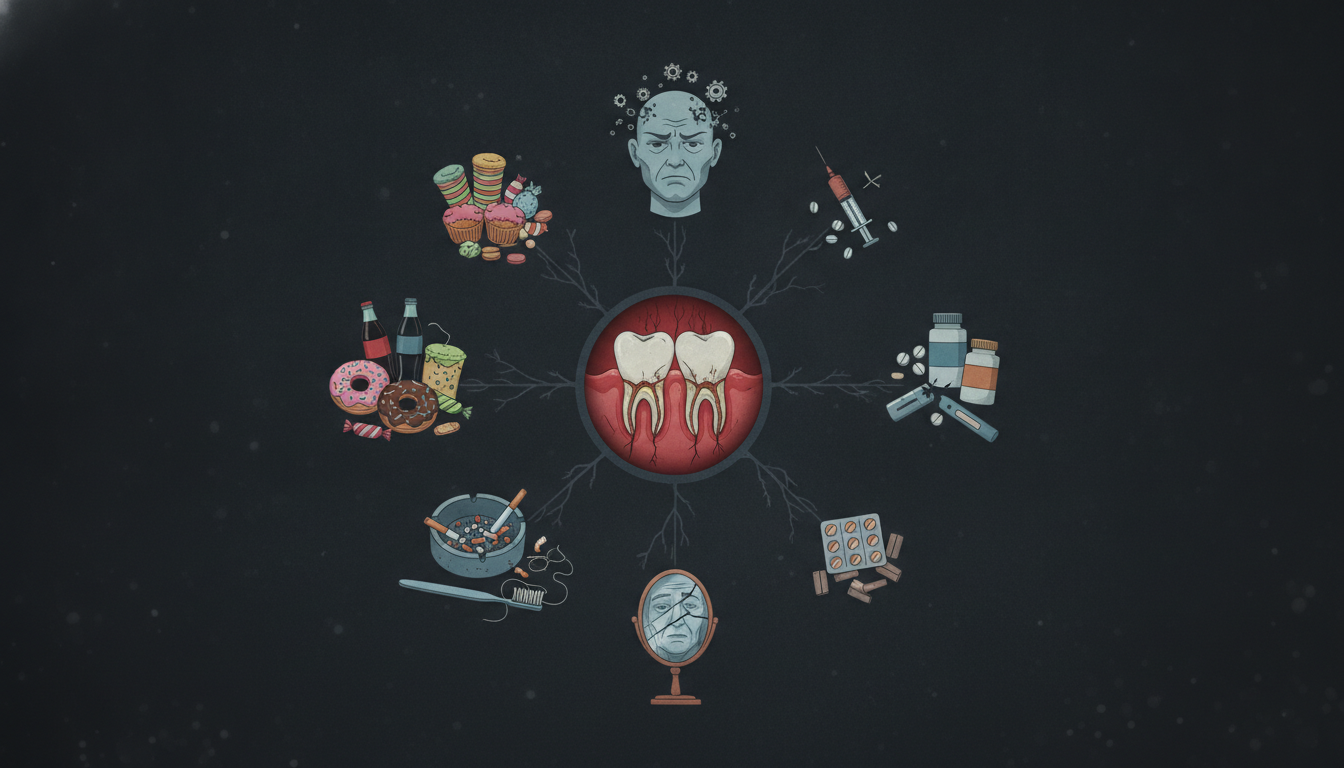
While poor oral hygiene is the leading contributor, gum disease is a multifactorial condition driven by a combination of lifestyle habits, biological factors, and environmental influences. Here are the primary causes and risk factors behind the development of gum disease:
1. Poor Oral Hygiene and Plaque Buildup
The primary driver of gum disease is the continuous formation of plaque buildup on teeth. Plaque is a sticky, colorless film of bacteria that constantly forms on the surfaces of your teeth and along the gumline. Every time you eat foods containing sugars or starches, the bacteria in plaque produce acids and toxins that irritate the delicate mucosal tissue of your gums.
When plaque is not removed daily through thorough brushing and flossing, it absorbs minerals from your saliva and hardens into tartar (also known as calculus) within 24 to 72 hours. Unlike plaque, tartar cannot be brushed away at home; it requires specialized dental tools to remove. Tartar provides a rough surface that allows even more oral bacteria to thrive, accelerating the onset of gingivitis.
2. Smoking and Tobacco Use
Tobacco use is one of the most significant lifestyle risk factors for the onset and progression of periodontitis. Smokers are up to seven times more likely to develop gum disease than non-smokers, and treatments are often less effective for them.
Tobacco weakens the immune system, making it much harder for your body to fight off an infection in the gums. Furthermore, nicotine restricts blood flow to the oral tissues, which can mask the symptoms of gum disease. For instance, smokers may not experience the typical bleeding gums that serve as an early warning sign, allowing the condition to progress silently into severe periodontitis.
3. Hormonal Fluctuations
Hormonal changes significantly affect how the mucosal tissues in the body respond to bacteria. Women are particularly susceptible to gum disease during specific life stages when hormone levels fluctuate dramatically:
- Pregnancy: Increased progesterone levels can cause “pregnancy gingivitis,” making the gums unusually sensitive, swollen, and prone to bleeding.
- Puberty and Menstruation: Spikes in estrogen and progesterone increase blood flow to the gums, raising susceptibility to irritation from plaque buildup.
- Menopause: Lowered estrogen levels can lead to dry mouth, burning mouth syndrome, and a decline in bone density, which can accelerate gum recession and jawbone deterioration.
4. Poor Nutrition and Vitamin Deficiencies
Your oral health depends heavily on the nutrients you absorb through your diet. A diet high in refined sugars and ultra-processed carbohydrates feeds the destructive bacteria responsible for plaque buildup.
Conversely, a lack of essential nutrients weakens the immune system and compromises the integrity of your gum tissue. Vitamin C deficiency, for instance, impairs the body’s ability to produce collagen, a structural protein critical for maintaining strong, firm gums. Severe Vitamin C deficiency leads to scurvy, a disease characterized by severely swollen and bleeding gums. Deficiencies in Vitamin D, calcium, and antioxidants also reduce your body’s ability to heal and protect against oral infections.
5. Chronic Illnesses and Systemic Conditions
Systemic health conditions that affect the immune system or inflammatory responses can make individuals much more vulnerable to gum disease.
- Diabetes: People with uncontrolled diabetes are at a significantly higher risk of developing severe periodontitis. High blood sugar levels nourish oral bacteria, while reduced circulation impairs healing. The relationship is bidirectional: gum disease can also make it harder to control blood sugar levels.
- Autoimmune Diseases: Conditions like rheumatoid arthritis, lupus, and Crohn’s disease trigger systemic inflammation, which can intensify inflammation in the gums.
- HIV/AIDS: Immune suppression severely reduces the body’s capability to fight off even mild bacterial plaque, leading to aggressive forms of gum disease.
6. Chronic Stress and Teeth Grinding (Bruxism)
Stress is a subtle yet powerful factor in oral health. When you experience chronic stress, your body produces elevated levels of cortisol, a hormone that suppresses the immune system and increases systemic inflammation. High stress levels also lead many individuals to neglect basic self-care, such as daily oral hygiene.
Furthermore, stress frequently manifests as teeth grinding or clenching (bruxism), particularly during sleep. Excessive mechanical force on the teeth puts immense strain on the supporting tissues and bone, accelerating the rate of tissue breakdown when gum disease is already present.
7. Medications That Cause Dry Mouth
Saliva is the mouth’s natural defense mechanism. It acts as a continuous rinse that washes away food particles, neutralizes acids produced by bacteria, and supplies antimicrobial enzymes to protect the gums.
Hundreds of common prescription and over-the-counter medications list dry mouth (xerostomia) as a primary side effect. These include antihistamines, antidepressants, blood pressure medications, and decongestants. Without adequate saliva flow, oral bacteria multiply rapidly, leading to accelerated plaque buildup, bad breath, and elevated risk for gingivitis.
8. Genetic Predisposition
Even individuals with immaculate hygiene habits may find themselves struggling with gum disease due to their genetic blueprint. Studies suggest that up to 30% of the population may be genetically predisposed to periodontitis. Genetics can influence the composition of your oral microbiome, the strength of your immune response, and the structural density of your connective tissue and bone.
Warning Signs You Should Never Ignore
Because early-stage gum disease is frequently painless, it is vital to monitor your mouth for subtle changes. Signs that indicate you may be developing gingivitis or periodontitis include:
- Red, swollen, or tender gums.
- Gums that bleed during brushing, flossing, or eating hard food.
- Gum recession (teeth appearing longer than they used to).
- Persistent bad breath or a bad taste in your mouth that does not go away after brushing.
- Deep pockets forming between your teeth and gums.
- Loose or shifting teeth.
- Changes in the way your teeth fit together when you bite down.
If you observe any of these symptoms, taking immediate corrective action is essential to protect your dental health.
How to Prevent and Reverse Gum Disease
Preventing gum disease requires a consistent, proactive approach that combines proper daily oral care, healthy lifestyle choices, and targeted nutrition. Here is your action plan to achieve and maintain optimal oral health.
1. Master the Basics of Oral Hygiene
The foundation of preventing gum disease lies in removing plaque buildup consistently before it hardens into tartar.
- Brush Twice Daily: Use a soft-bristled toothbrush and brush for at least two minutes every morning and night. Hold the brush at a 45-degree angle toward the gumline and use gentle, circular motions. Avoid aggressive scrubbing, which can accelerate gum recession.
- Floss Every Day: Brushing cleans only about 60% of your tooth surfaces. Daily flossing or using interdental brushes is necessary to remove plaque and trapped food particles from between teeth where a toothbrush cannot reach.
- Clean Your Tongue: A significant portion of harmful oral bacteria resides on the back of the tongue, contributing heavily to bad breath. Use a tongue scraper or your toothbrush to clean your tongue daily.
2. Strengthen Your Oral Hygiene Routine with Targeted Supplements
While brushing and flossing address surface plaque, true long-term gum protection requires supporting your tissue health from the inside out. Incorporating high-quality natural supplements engineered for oral health can provide your body with the nutrients needed to restore gum tissue, balance oral bacteria, and halt inflammation.
For an all-in-one approach to combating gingivitis and promoting firm, healthy gums, you can try this advanced dental and gum health solution. This formulation works directly to nourish your oral tissues, eliminate toxic bacterial accumulation, and reverse early signs of tissue damage.
3. Adopt a Gum-Friendly Diet
What you eat directly impacts the battle between good and bad bacteria in your mouth.
- Limit Sugary and Starchy Foods: Carbohydrates nourish harmful bacteria, causing rapid acid production and plaque buildup. Reduce your intake of sodas, candies, pastries, and processed snacks.
- Eat Crunchy Fruits and Vegetables: Celery, apples, and carrots stimulate saliva production and act as natural tooth cleansers.
- Increase Antioxidant and Vitamin C Intake: Eat citrus fruits, bell peppers, berries, and leafy greens to supply your gums with essential nutrients needed for tissue repair and immune protection.
- Drink Plenty of Water: Hydration supports healthy saliva flow, keeping your mouth clean throughout the day.
4. Restore Your Oral Microbiome Balance
Your mouth relies on a delicate balance of beneficial and harmful bacteria. Chemical-heavy mouthwashes that kill 99.9% of bacteria often do more harm than good by wiping out the friendly microbes that naturally defend your gums against pathogens.
To re-establish a healthy oral flora, consider using natural rinses like warm salt water or incorporating targeted botanical compounds into your daily regimen. Using specialized natural formulas, such as this proven oral support formula for gum health, helps eradicate bad bacteria while preserving the essential beneficial microflora required for strong teeth and fresh breath.
5. Eliminate Tobacco and Manage Stress
Quitting smoking is one of the single most beneficial steps you can take to prevent periodontitis and restore blood circulation to your gums. Within weeks of quitting, your tissue’s natural healing capacity begins to improve.
Simultaneously, incorporate stress-reduction practices into your routine. Practices like regular exercise, meditation, and adequate sleep help lower cortisol levels, reducing systemic inflammation and strengthening your body’s immune defense against oral infections.
6. Schedule Regular Professional Dental Cleanings
Even the most meticulous home hygiene routine cannot remove hardened tartar. Visiting your dentist at least twice a year for a professional cleaning and checkup is mandatory. Your dentist can detect early signs of gingivitis before they progress to irreversible tissue or bone loss, ensuring your dental health remains on track.
Taking Control of Your Oral Health
Gum disease is a widespread and potentially devastating condition, but it is largely preventable. By understanding the primary causes—ranging from plaque buildup and nutritional deficiencies to smoking and systemic stress—you can make informed decisions to safeguard your gums and teeth.
Remember, early intervention is key. If you are experiencing bleeding gums, sensitivity, or mild swelling, acting immediately can prevent the onset of destructive periodontitis. Alongside brushing, flossing, and regular dental visits, providing your mouth with specialized nutritional support makes a profound difference.
To give your gums the ultimate support against bad bacteria and inflammation, consider adding a comprehensive supplement like this top-rated gingivitis and tooth care supplement to your daily health routine. Investing in your oral health today will ensure a strong, healthy, and confident smile for years to come.