When people think about oral health, the conversation usually revolves around white teeth, fresh breath, and avoiding cavities. However, behind every beautiful smile lies a foundation that is frequently overlooked: the gums and supporting bone structures. When this foundation becomes compromised, it can lead to a condition known as periodontitis, or advanced gum disease.
Unlike standard tooth decay, periodontitis targets the soft tissue and destroys the bone that supports your teeth. It is a silent, progressive condition that affects millions of adults worldwide. Left untreated, it can cause tooth loss, severe pain, and systemic health complications that extend far beyond your mouth.
Understanding the mechanics of advanced gum disease, recognizing its early signs, and learning how to protect your mouth are crucial steps in preserving your smile for a lifetime. In this comprehensive guide, we will explore everything you need to know about periodontitis, from its initial stages to modern treatment options and daily prevention protocols.
The Spectrum of Gum Health: From Normal to Periodontitis
To understand advanced gum disease, it is helpful to look at how oral health deteriorates over time. Healthy gums are firm, pale pink, and fit snugly around the base of each tooth. They do not bleed when you brush or floss, and the bone beneath them is solid and strong.
When oral hygiene falters, bacteria begin to colonize the mouth, leading to a progression of periodontal disease:
1. Plaque Formation
Every day, a soft, sticky film of bacteria called dental plaque forms on your teeth. This film feeds on the sugars and starches in the food you eat, producing acids and toxins that irritate the surrounding tissue. If dental plaque is not removed regularly through proper brushing and flossing, it mineralizes into a hard deposit known as tartar build-up (or calculus).
2. Gingivitis (Early Gum Disease)
Tartar build-up creates a rough surface that allows even more bacteria to attach. As bacteria accumulate along the gumline, they trigger gingivitis, the mildest form of gum disease. Symptoms include bleeding gums, mild swelling, and redness. Crucially, gingivitis is reversible because the bone and connective tissues holding the teeth in place are not yet affected.
However, ignoring the early warning signs of gingivitis allows the infection to spread deeper below the gumline, setting the stage for more serious complications. To prevent this progression, supporting your oral hygiene routine with targeted solutions like this advanced dental health and gum support formula can help neutralize destructive bacteria before long-term damage occurs.
3. Periodontitis (Advanced Gum Disease)
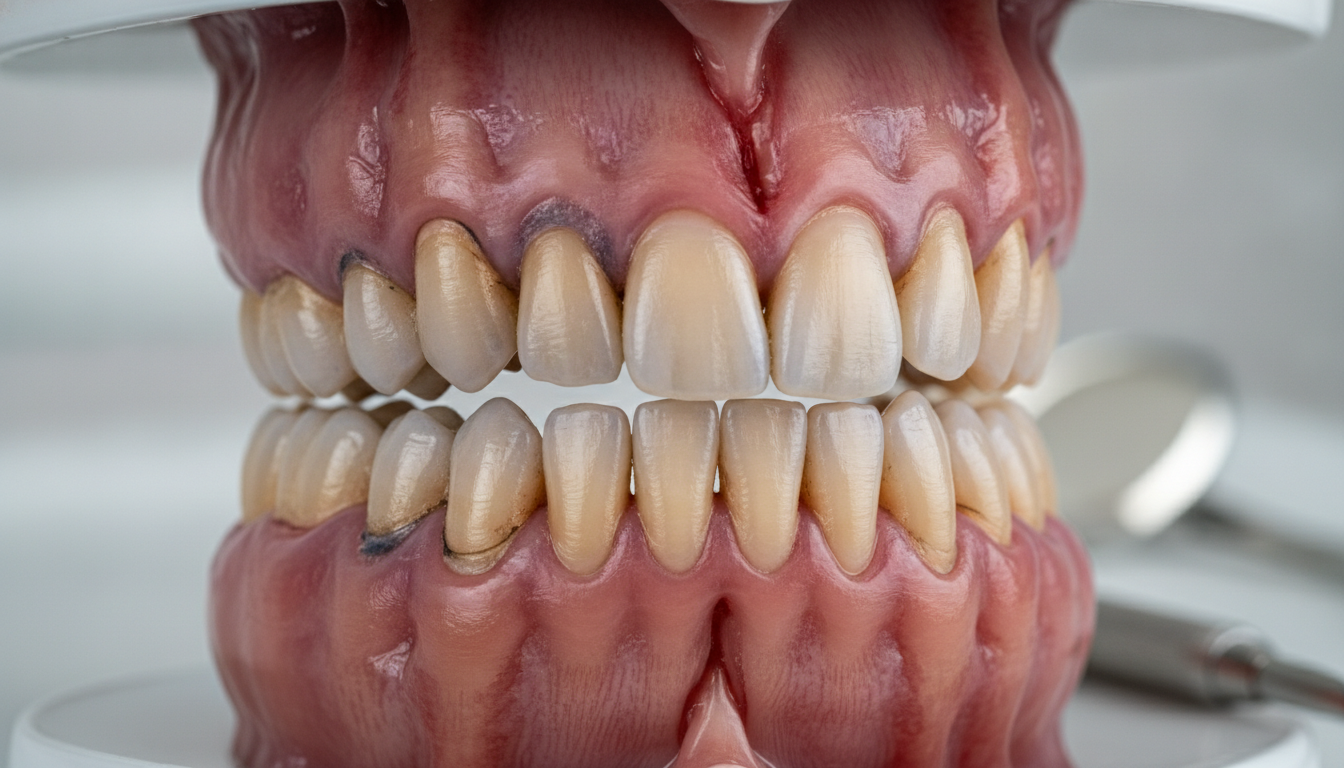
When gingivitis goes untreated, it evolves into chronic periodontitis. At this stage, the inner layer of the gum and bone pull away from the teeth, forming spaces known as periodontal pockets. These pockets collect food debris and micro-organisms, becoming infected.
As your body’s immune system fights the bacteria, it releases inflammatory chemicals. Unfortunately, these chemicals—combined with the bacterial toxins—start breaking down the bone and connective tissue holding your teeth in place. As the disease progresses, the pockets deepen, bone loss accelerates, and teeth may become loose or require extraction.
Causes and Key Risk Factors
While bacterial accumulation is the primary cause of periodontitis, several risk factors can dramatically accelerate the condition or make you more susceptible to advanced gum disease.
[ Plaque Accumulation ] ➔ [ Tartar Build-Up ] ➔ [ Gingivitis ] ➔ [ Periodontitis ]
High-Risk Factors Include:
- Poor Oral Hygiene: Inconsistent brushing and flossing allow dental plaque and tartar build-up to flourish, creating the ideal environment for pathogenic bacteria.
- Tobacco Use: Smoking or using smokeless tobacco is one of the most significant risk factors for developing severe periodontitis. Tobacco damages the immune response, reduces oxygen levels in the bloodstream, and impairs the gums’ ability to heal.
- Systemic Conditions (e.g., Diabetes): People with diabetes are at a higher risk of developing infections, including periodontal disease. Furthermore, severe gum inflammation can make blood sugar harder to control, creating a dangerous cycle.
- Hormonal Changes: Fluctuations during pregnancy, menopause, or puberty can make the gums more sensitive and vulnerable to gum inflammation.
- Genetics: Some individuals are genetically predisposed to an overactive inflammatory response, making them more susceptible to rapid bone loss even with moderate plaque levels.
- Nutritional Deficiencies: A diet low in essential vitamins (particularly Vitamin C and Vitamin D) can weaken tissue repair mechanisms and compromise immune defenses.
- Medications: Certain drugs cause dry mouth (xerostomia). Without adequate saliva to wash away food particles and neutralize acids, bacterial populations surge.
Signs and Symptoms You Should Never Ignore
One of the most dangerous aspects of periodontitis is that it often develops silently. In its early to moderate stages, it may cause little to no discomfort. Many individuals assume that a little blood in the sink after brushing is normal—it is not.
Recognizing the warning signs early can save your teeth and prevent irreversible structural damage.
Common Symptoms of Advanced Gum Disease:
- Persistent Bad Breath (Halitosis): Bacteria emit volatile sulfur compounds that cause a foul odor or taste in the mouth that does not go away with mouthwash.
- Receding Gums: Teeth appear longer than usual as the gum tissue pulls back, exposing the sensitive roots underneath.
- Bleeding Gums: Gums that bleed easily during brushing, flossing, or eating hard foods.
- Swollen, Tender, or Dark Red Gums: Healthy gums should be firm and pink, not puffy, sensitive, or purplish.
- Deep Periodontal Pockets: Pus or discharge visible between your teeth and gums when pressure is applied.
- Changes in Your Bite: A noticeable shift in how your upper and lower teeth fit together when you bite down, or a change in the fit of partial dentures.
- Loose or Shifting Teeth: As the supporting bone melts away, teeth lose their stability and begin to wiggle.
If you notice any of these symptoms, taking swift action is critical. Integrating a powerful, natural supplement like this proven dental and gum restoration supplement into your routine can help soothe inflamed tissues, nourish delicate gums, and protect against further destruction.
The Oral-Systemic Connection: How Periodontitis Affects the Whole Body
In recent decades, medical research has revealed a profound connection between oral health and general physical well-being. The mouth is not an isolated system; it is the primary gateway to the rest of your body.
When you have advanced gum disease, the tissue inside periodontal pockets becomes ulcerated. This allows millions of harmful bacteria and inflammatory cytokines to enter your bloodstream, traveling to vital organs and triggering systemic inflammation.
1. Cardiovascular Disease
Studies show that individuals with chronic periodontitis have a significantly higher risk of suffering from heart attacks, strokes, and clogged arteries. Oral bacteria such as Porphyromonas gingivalis have been found inside arterial plaques, suggesting that these micro-organisms contribute directly to inflammation and blood clot formation in the cardiovascular system.
2. Diabetes Management
The relationship between diabetes and periodontal disease is a two-way street. Severe gum infections increase systemic inflammation, which leads to insulin resistance and spikes in blood glucose levels. Conversely, poor blood sugar control makes it harder for the body to fight off bacterial infections in the gums.
3. Respiratory Infections
Bacteria from infected gums can be inhaled into the lungs, potentially causing respiratory conditions such as pneumonia, bronchitis, and worsening chronic obstructive pulmonary disease (COPD), especially in elderly or immunocompromised individuals.
4. Pregnancy Complications
Pregnant women with untreated periodontitis face a higher risk of premature labor and giving birth to low-birth-weight infants. The systemic inflammation caused by gum infection can trigger labor hormones prematurely.
5. Cognitive Decline and Alzheimer’s
Emerging research suggests a link between chronic oral inflammation and neurodegenerative disorders. Pathogens associated with advanced gum disease have been detected in the brain tissue of patients with Alzheimer’s disease, where they may contribute to neural damage over time.
Stages of Periodontitis
Dentists and periodontists categorize periodontitis into distinct stages based on the severity of tissue destruction:
| Stage | Severity | Pocket Depth | Bone Loss | Characteristics |
|---|---|---|---|---|
| Stage I (Initial) | Mild | 3–4 mm | Less than 15% | Mild gum inflammation, minor bone loss around root tips. |
| Stage II (Moderate) | Moderate | 4–5 mm | 15% to 33% | Noticeable receding gums, moderate structural support loss. |
| Stage III (Severe) | Severe | 6 mm or more | Exceeds 33% | Potential for tooth loss, deep pockets, pus, bite displacement. |
| Stage IV (Advanced) | Very Severe | 6 mm or more | Severe overall | Extensive tooth loss (5+ teeth lost), complete bite collapse, mobility. |
Clinical Diagnostics and Treatment Options
If you suspect you have advanced gum disease, a comprehensive professional examination is essential. A dentist or periodontist will use a small instrument called a periodontal probe to measure the depth of the pockets around each tooth. They will also take digital X-rays to assess the level of bone loss beneath the surface.
Depending on the stage of the disease, treatment strategies are generally broken down into non-surgical, surgical, and supportive phases.
Non-Surgical Treatments
Scaling and Root Planing
Often referred to as a “deep cleaning,” scaling and root planing is the foundational non-surgical treatment for periodontitis.
- Scaling involves removing dental plaque and tartar build-up from above and deep below the gumline.
- Root Planing smoothes out the rough surfaces of tooth roots, removing bacterial toxins and making it harder for new bacteria to adhere, which encourages the gums to reattach to the teeth.
Antimicrobial and Antibiotic Therapies
To complement mechanical cleaning, dentists may prescribe localized or systemic antibiotics. Antimicrobial mouth rinses or slow-release antibiotic gels placed directly inside periodontal pockets help eliminate remaining deep-seated bacteria.
Surgical Interventions
When non-surgical deep cleanings are insufficient to reduce deep pockets, surgical intervention may be required:
- Flap Surgery (Pocket Reduction Surgery): The periodontist makes tiny incisions in the gum tissue to lift it back, allowing direct access for deep cleaning of the roots. The gums are then stitched tightly back into place around the tooth, reducing pocket depth so the area is easier to clean.
- Bone and Tissue Grafts: If advanced gum disease has destroyed the bone or soft tissue surrounding a tooth, synthetic or donated bone fragments and tissue grafts can be placed to encourage natural regeneration.
- Guided Tissue Regeneration: A specialized biocompatible membrane is placed between the bone and gum tissue to keep fast-growing gums from filling space that should be reserved for slow-growing bone cells.
Everyday Prevention and Natural Support Strategies
While professional treatments are crucial for stopping active destruction, long-term success depends heavily on your daily daily at-home oral care routine and lifestyle habits.
[ Brushing Twice Daily ] + [ Flossing/Interdental Cleaning ] + [ Target Nutritional Support ] = Strong Foundation
1. Master the Basics of Brushing
Brush your teeth at least twice a day using a soft-bristled toothbrush or an electric toothbrush. Hold the brush at a 45-degree angle toward the gumline and use gentle, circular motions. Brushing too hard with stiff bristles can actually exacerbate receding gums and wear down protective tooth enamel.
2. Clean Between Your Teeth
Standard brushing leaves up to 35% of tooth surfaces untouched. To remove dental plaque from hard-to-reach spaces between your teeth, use traditional dental floss, interdental brushes, or a water flosser daily.
3. Balance Your Oral Microbiome
Your mouth contains billions of micro-organisms—some beneficial, others harmful. Maintaining a balanced oral microbiome is essential for preventing pathogenic bacteria from overrunning your gums. Avoid overusing harsh alcohol-based mouthwashes that kill off good bacteria along with the bad.
4. Optimize Your Diet for Oral Health
Feed your body the raw materials it needs to repair connective tissue and maintain structural bone density:
- Vitamin C: Crucial for collagen synthesis and tissue repair.
- Vitamin D3 & K2: Essential for proper calcium absorption and keeping jawbones strong.
- CoQ10 (Coenzyme Q10): A natural antioxidant that reduces gum inflammation and speeds healing.
- Polyphenols: Found in green tea and berries, these compounds limit bacterial growth and neutralize oxidative stress.
To ensure your body gets all the targeted nutrients needed for optimal periodontal recovery, consider incorporating a powerful daily supplement like this complete oral health support system. It works from the inside out to strengthen gums, freshen breath, and protect against destructive bacterial overgrowth.
5. Quit Smoking
If you smoke or use tobacco products, quitting is the single most effective change you can make for your gum health. Tobacco restriction drastically improves blood flow to the gums, helping tissue heal and responding much better to professional treatments.
6. Schedule Regular Dental Checkups
Routine cleanings every 3 to 6 months allow your dental provider to monitor pocket depths, clear away stubborn tartar build-up, and address any signs of recurring inflammation long before severe damage occurs.
Conclusion: Take Control of Your Gum Health Today
Periodontitis is a serious, progressive condition that can diminish your quality of life, affect your systemic health, and rob you of your natural smile. However, advanced gum disease does not have to be an inevitable fate.
By understanding the root causes, paying close attention to early signs like bleeding gums or persistent bad breath (halitosis), and committing to proactive daily oral hygiene, you can stop the progression of gum disease in its tracks.
Pairing meticulous daily cleaning routines with clinical guidance and targeted natural supplementation gives your body the tools it needs to fight off destructive bacteria, calm inflammation, and preserve your teeth for a lifetime. Protect your smile today—your health depends on it!