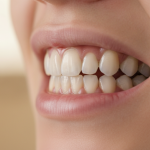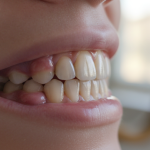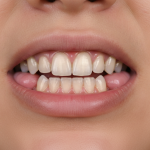
Taking care of your mouth is about far more than just having a bright, white smile for photos. While clean, straight teeth are aesthetically pleasing, the true foundation of your smile lies in your gums. Unfortunately, gum care is often overlooked until discomfort, swelling, or bleeding occurs. If you have ever noticed a pink tinge in the sink after brushing, you are not alone. This is often the first warning sign of gingivitis, a mild and reversible form of gum disease that affects millions of people worldwide.
Understanding your oral health does not require a degree in dentistry. In this beginner-friendly educational guide, we will break down the science of gum health, explain what causes gum inflammation, detail the daily habits required for a clean mouth, and explore effective ways to restore your soft tissues before minor issues turn into major dental procedures.
Part 1: Understanding the Anatomy of Your Smile
To understand how to protect your mouth, it helps to know how it works. Your teeth are anchored into your jawbone, but surrounding and protecting this bone structure is your gingiva, commonly known as your gums. Healthy gums act as a tight seal around the base of each tooth, preventing harmful bacteria from reaching the deeper, delicate support structures beneath.
When your mouth is healthy, your gums should appear firm, pale pink, and fit snugly around your teeth without any tenderness or bleeding during brushing. However, your mouth is also home to billions of micro-organisms. While many of these bacteria are harmless or even beneficial, others feed on the sugars in the food you eat, creating a sticky, invisible film called plaque buildup.
The Science of Plaque and Tartar
Plaque is the primary enemy of dental hygiene. Every time you eat or drink, bacteria produce weak acids and metabolic byproducts. If this sticky film is not removed regularly through proper cleaning, it accumulates along the gumline.
When plaque is allowed to sit undisturbed on your teeth for more than 24 to 48 hours, it absorbs minerals from your saliva and hardens into tartar (also known as dental calculus). Unlike soft plaque, tartar cannot be removed with a standard toothbrush. It acts as a rough, porous surface where even more bacteria can attach and thrive, causing continuous irritation to the delicate tissues of your gums.
Part 2: What is Gingivitis?
The word gingivitis literally translates to “inflammation of the gums.” It is the earliest stage of periodontal health degradation.
When plaque buildup and tartar remain at the base of the tooth, your body’s immune system responds by sending white blood cells and blood flow to the area to fight off the bacterial invasion. This immune reaction is what causes the classic symptoms of gum inflammation:
- Bleeding gums during or after brushing and flossing.
- Red, swollen, or tender gum tissue.
- Persistent bad breath (halitosis) or a unpleasant taste in the mouth.
- Gums that appear to be pulling away from the teeth slightly.
The good news for beginners is that gingivitis affects only the soft tissue, not the underlying bone structure supporting your teeth. Because no structural bone loss has occurred yet, gingivitis is completely reversible with proper care, improved habits, and targeted support.
What Happens If You Ignore Gingivitis?
If gingivitis is left unaddressed, the chronic inflammation can cause the gum tissue to separate from the tooth, forming small pockets. These pockets trap more food particles and bacteria, creating an anaerobic environment where destructive bacterial colonies multiply.
Over time, this condition can progress into periodontitis, a serious infection that damages the soft tissue and destroys the bone that supports your teeth. Periodontitis can lead to loose teeth, permanent tissue loss, and even systemic health issues throughout the rest of your body. Preventing gingivitis is therefore your best defense against long-term tooth decay and structural tooth loss.
Part 3: Essential Daily Routine for Optimal Oral Hygiene
Reversing early stage gum issues requires establishing a consistent, effective daily routine. Many people believe that brushing harder is the key to clean teeth, but gentle, precise techniques are far more effective at protecting your enamel and gums.
   [ Daily Oral Care Routine ]

               │

┌──────────────┴──────────────┐

▼                             ▼
Brushing (2x/day) Flossing (1x/day)
• 45-degree angle • Scrape sides of teeth
• Soft bristles • Clean beneath gumline
• 2 full minutes • Remove hidden biofilm
1. Brushing Technique: Quality Over Force
Brushing twice a day for two full minutes is the cornerstone of daily dental routine maintenance. However, technique matters immensely:
- Use a Soft-Bristled Brush: Medium or hard bristles can erode tooth enamel and push back delicate gum tissue, causing recession.
- Angle the Bristles: Hold your brush at a 45-degree angle toward your gumline. This allows the bristles to sweep away debris resting right at the border where the tooth meets the gum.
- Use Gentle, Circular Motions: Avoid harsh back-and-forth scrubbing. Use light, massaging circles to clean the front, back, and chewing surfaces of every tooth.
2. The Power of Interdental Cleaning (Flossing)
A toothbrush can only reach about 60% of your tooth surfaces. The remaining 40% lies between your teeth, where bristles cannot penetrate. If you do not clean these spaces, bacterial plaque sits undisturbed, leading directly to bleeding gums between your teeth.
- Floss at least once a day, preferably before bed.
- Curve the floss into a “C” shape around the side of each tooth and slide it gently beneath the gumline.
- If traditional string floss is difficult to use, consider interdental brushes or a water flosser.
3. Comprehensive Internal and External Care
While mechanical cleaning (brushing and flossing) removes surface debris, maintaining long-term oral vitality often requires internal nutritional support to strengthen tissue response and balance your oral microbiome.
To complement your brushing routine, many experts recommend supporting your gums internally. You can accelerate your progress by integrating specialized daily support like this beginner-friendly dental health formula, which provides targeted nutrients to help soothe inflamed tissues and strengthen teeth from within.
Part 4: The Role of Diet and the Oral Microbiome
Your mouth is not an isolated environment; it is an ecosystem deeply connected to your overall body chemistry and nutrition. The concept of the oral microbiome refers to the complex community of micro-organisms living in your mouth. Just like your gut, your mouth requires a balance between healthy, protective bacteria and harmful pathogens.
      [ Balancing Your Oral Microbiome ]

                     │

    ┌────────────────┴────────────────┐

    ▼                                 ▼
Reduce Harmful Biofilm Nourish Healthy Tissues
• Limit processed sugars • Vitamin C & D
• Minimize acidic drinks • Targeted Probiotics
• Stay hydrated with water • Essential Mineral Support
Sugar and Processed Carbohydrates
Harmful bacteria in your mouth thrive on simple carbohydrates and refined sugars. Every time you consume sugary snacks, soda, or processed foods, these bacteria produce acids that attack your teeth and irritate your gums for up to 20 minutes afterward. Reducing your intake of sugar and drinking plenty of water helps flush away food particles and maintains a healthy pH balance in your saliva.
Vital Nutrients for Strong Gums
Your immune system relies on specific vitamins and minerals to repair damaged tissue and fight off infections:
- Vitamin C: Crucial for collagen production. Collagen is the main structural protein that keeps your gum tissue firm and resilient. A deficiency in Vitamin C can lead to fragile, easily bleeding tissues.
- Vitamin D: Helps your body absorb calcium and supports the bone structures holding your teeth in place. It also plays a key role in regulating your body’s inflammatory response.
- Coenzyme Q10 (CoQ10): An antioxidant that aids in cellular energy production and has been shown to reduce gum inflammation.
To simplify your nutrient intake and ensure your body has the exact micronutrients required to restore damaged tissue, incorporating a high-quality natural dental supplement can bridge the gap in your diet. To give your body the exact nutrients it needs for faster recovery, check out this natural oral care solution designed to nurture healthy gums and balanced oral flora.
Part 5: Common Myths About Gum Health Debunked
To build a truly educational foundation, it is important to dispel widespread misconceptions about oral health that cause many beginners to accidentally worsen their conditions.
Myth 1: “Bleeding gums are normal if you haven’t flossed in a while.”
Fact: Healthy tissues do not bleed under normal pressure. While starting a new flossing routine can cause mild irritation for a day or two, persistent bleeding is a clear sign of active gingivitis. It means your gums are inflamed due to an accumulation of bacteria beneath the surface. Stopping your cleaning routine because of bleeding will only make the infection worse.
Myth 2: “If my teeth don’t hurt, my mouth is completely healthy.”
Fact: Gum disease is often completely painless in its early and intermediate stages. You may have active gingivitis or even early periodontitis without feeling any sharp pain. Pain usually occurs only when an infection reaches the deep root structure or causes an abscess. Relying on pain as a indicator is dangerous; visual inspection and preventive habits are far more reliable.
Myth 3: “Strong, alcohol-based mouthwashes are the best way to kill bacteria.”
Fact: Traditional mouthwashes containing high percentages of alcohol act as broad-spectrum antiseptics, wiping out all bacteria indiscriminately—both good and bad. Furthermore, alcohol dries out the tissue in your mouth. Saliva is your body’s natural defense mechanism, containing enzymes and minerals that protect your enamel. A dry mouth actually creates an ideal environment for harmful anaerobic bacteria to multiply quickly.
Part 6: Step-by-Step Action Plan to Prevent and Reverse Gingivitis
If you want to transform your mouth and protect your teeth for the long run, follow this actionable, beginner-friendly roadmap:
[ Week 1-2: Reset ] ──► Switch to soft bristles, begin daily gentle flossing, introduce targeted nutrition.
[ Week 3-4: Balance ] ──► Reduce sugar intake, increase hydration, evaluate bleeding reduction.
[ Month 2+: Maintain ] ──► Stick to your routine, schedule professional checkups, maintain strong oral defense.
- Upgrade Your Tools: Replace old, frayed toothbrushes with soft-bristle options or an electric toothbrush equipped with a pressure sensor.
- Commit to Flossing Daily: Make it a non-negotiable part of your bedtime routine. Be patient; gentle flossing will help reduce inflammation over time.
- Hydrate Frequently: Drink water throughout the day to support saliva production, which naturally washes away acids and food particles.
- Support Your Immune System: Eat a nutrient-dense diet rich in leafy greens, lean proteins, and low-sugar fruits.
- Use Targeted Nutritional Support: Give your gums direct cellular support through specialized supplements designed to balance your oral microbiome and soothe sensitive tissues.
For an all-in-one approach to supporting your routine, consider adding this recommended oral health supplement to your daily habits. It works synergistically with your brushing and flossing to provide complete, long-lasting support for your gums and teeth.
Final Thoughts: Consistency is the Key to a Healthy Smile
Reversing gingivitis and keeping gum disease at bay does not require complicated, expensive medical procedures if addressed early. By understanding how plaque forms, mastering simple cleaning techniques, and fueling your body with the nutrients required to rebuild soft tissue, you can protect your natural teeth for a lifetime.
Your mouth is the gateway to your entire body. Investing a few minutes every day into proper dental hygiene and nourishing your gums from the inside out will pay off with a confident, healthy smile that lasts for years to come. Start small, stay consistent, and take control of your oral health today!