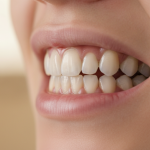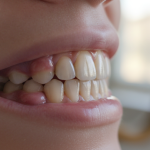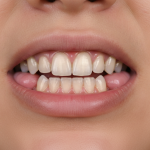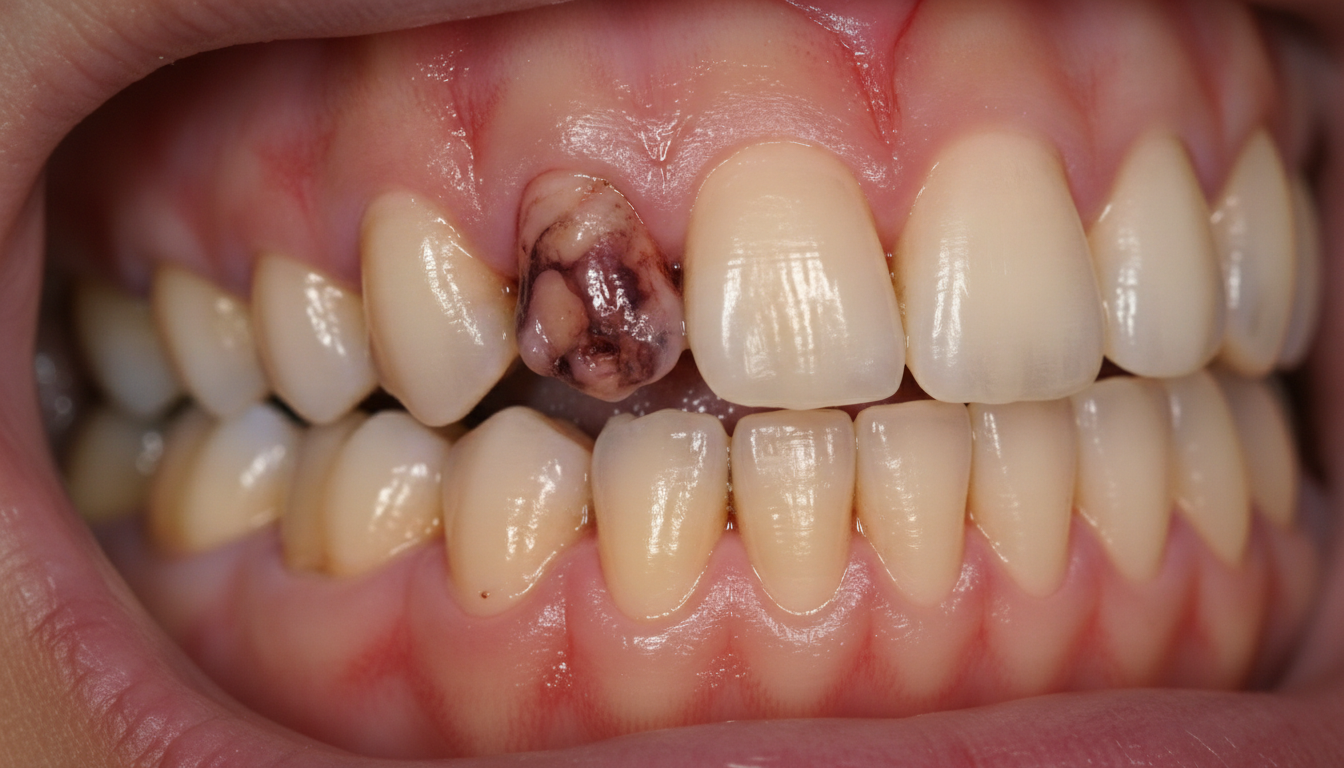
That faint pink tinge in the sink after brushing your teeth might seem harmless at first glance. Most people brush it off as a result of brushing too hard or using a toothbrush with bristles that are a bit too stiff. However, persistent bleeding, tenderness, or inflammation in your soft tissue is often the first warning sign of gum disease.
Understanding the state of your oral health requires recognizing that conditions affecting your gums are not static; they exist on a spectrum. At one end of this spectrum is a mild, highly reversible condition known as gingivitis. At the other end lies a far more destructive, irreversible state known as periodontitis.
While both conditions stem from similar root causes, confusing the two can lead to delayed treatment, severe structural damage, and even permanent tooth loss. Understanding the critical differences between gingivitis vs periodontitis can empower you to take control of your dental health before temporary inflammation turns into irreversible damage.
The Foundation of Oral Microbes: How Gum Disease Begins
To understand the difference between mild gum inflammation and advanced structural damage, you first need to look at what happens inside the mouth every single day.
Your mouth is home to billions of micro-organisms. While many of these bacteria are beneficial, others thrive on the sugars and starches found in the food you eat. When these harmful microorganisms feed, they form a sticky, colorless film on your teeth known as plaque buildup.
If plaque is not regularly removed through thorough brushing and flossing, it hardens within 24 to 72 hours into dental tartar (also known as calculus). Unlike soft plaque, tartar cannot be removed with a standard toothbrush. It provides a rough, shielded surface where destructive oral bacteria can multiply undisturbed, releasing toxins that irritate and inflame the surrounding soft tissue.
When your immune system detects these bacterial toxins, it sends blood and defensive white blood cells to the area to fight off the invaders. This immune response causes the characteristic redness, heat, and swelling associated with inflammation. Depending on how deep this inflammation penetrates, you are dealing with either gingivitis or periodontitis.
What is Gingivitis? The Early Warning Stage
Gingivitis is the earliest stage of periodontal disease. The term literally translates to “inflammation of the gums” (gingiva meaning gums, and -itis meaning inflammation). At this stage, the bacterial infection is strictly limited to the superficial soft tissue that surrounds the bases of your teeth. The underlying bone and connective fibers that hold your teeth in place remain completely intact.
Key Symptoms of Gingivitis
Because gingivitis is often painless in its early phases, many people live with it for years without realizing their oral health is compromised. Common gum disease symptoms during this initial stage include:
- Bleeding gums during brushing, flossing, or eating hard foods.
- Puffy, soft, or swollen gums that appear bright red or purplish rather than a healthy light pink.
- Tenderness when touching the gumline.
- Persistent bad breath (halitosis) or a constant unpleasant taste in the mouth.
Is Gingivitis Reversible?
The most crucial detail to understand about gingivitis is that it is 100% reversible. Because the biological structures holding your teeth in place have not yet been destroyed, eliminating the bacterial load allows the tissue to heal completely.
Reversing this early stage requires a combination of professional dental cleanings to remove calcified tartar and a rigorous daily hygiene routine. To accelerate recovery and prevent plaque buildup from reforming rapidly, supporting your mouth’s natural defense mechanisms is vital. Incorporating a target-focused oral supplement like this advanced tooth and gum health support formula into your routine can help balance your oral microbiome, soothe irritated tissues, and halt bacterial overgrowth before it escalates.
What is Periodontitis? The Point of Biological Structural Damage
When gingivitis is ignored, the persistent inflammation eventually causes the soft tissue to separate from the surface of the tooth. This separation creates small gaps known as periodontal pockets. These pockets become trapped zones where food particles, destructive bacteria, and tartar accumulate deep below the visible gumline, far beyond the reach of a home toothbrush or dental floss.
As the bacterial colonies expand inside these dark, low-oxygen pockets, the immune system goes into overdrive. In a desperate attempt to protect the rest of the body from the spreading infection, the immune system releases enzymes that break down infected tissue. Unfortunately, these same enzymes also break down the healthy jawbone and connective ligaments supporting the teeth. This destructive, chronic stage is known as periodontitis.
Key Symptoms of Periodontitis
As the disease progresses into chronic periodontitis, the destruction becomes visibly and physically obvious:
- Receding gums that pull away from the teeth, making the teeth appear noticeably longer.
- Formation of deep gaps or periodontal pockets that trap food.
- Pus discharge between the teeth and gums when pressure is applied.
- Changes in the way your teeth fit together when you bite.
- Loose or shifting teeth caused by underlying bone loss.
- Severe, persistent bad breath remedies fail to solve.
Is Periodontitis Reversible?
Unlike gingivitis, periodontitis is irreversible. Once the alveolar bone and periodontal ligaments are destroyed, they do not naturally regrow. Treatment shifts from reversing the condition to managing and halting further destruction.
Without intervention, periodontitis degrades the foundation of the mouth until tooth extraction becomes inevitable.
Gingivitis vs. Periodontitis: A Side-by-Side Comparison
To clearly understand how these two stages differ, let us break down their key characteristics:
| Feature | Gingivitis | Periodontitis |
|---|---|---|
| Location of Infection | Superficial soft tissue (gums) only | Deep structures (gums, ligaments, and bone) |
| Reversibility | Fully reversible with proper care | Irreversible; requires ongoing management |
| Bone Loss | No bone destruction | Progressive, permanent jawbone loss |
| Gum Pockets | Normal depth (1 to 3 mm) | Pathological periodontal pockets (4 mm or deeper) |
| Tooth Mobility | Teeth remain firm and stable | Teeth become loose and may shift position |
| Primary Risk | Progresses to periodontitis if untreated | Permanent tooth loss and systemic health issues |
The Hidden Danger: Systemic Health Risks of Advanced Gum Disease
The consequences of long-standing gum infection reach far beyond the mouth. Your gums are richly supplied with blood vessels. When the protective barrier of your gum tissue breaks down due to deep ulcerations within periodontal pockets, bacteria and inflammatory toxins gain direct access to your bloodstream.
Once inside the circulatory system, these pathogens can travel throughout the body, triggering systemic inflammation and worsening several serious health conditions:
1. Cardiovascular Disease
Studies show that chronic oral inflammation is closely linked to heart disease, clogged arteries, and strokes. Bacteria originating from infected gums have been found inside fatty deposits in the coronary arteries, where they contribute to blood clot formation and arterial hardening.
2. Diabetes
The relationship between gum disease and diabetes is a two-way street. People with diabetes are more susceptible to severe infections, including periodontitis. Conversely, active periodontal inflammation makes it significantly harder for diabetic patients to control their blood sugar levels, creating a dangerous biological cycle.
3. Respiratory Infections
Inhaling microscopic droplets from a mouth heavily populated with pathogenic bacteria can transport those organisms into the lungs. This increases the risk of developing respiratory illnesses such as pneumonia and bronchitis, particularly in elderly individuals.
4. Pregnancy Complications
Severe periodontitis has been linked to adverse pregnancy outcomes, including low birth weight and premature labor. Scientists believe systemic inflammation caused by oral bacteria triggers premature contractions.
Given these far-reaching implications, maintaining healthy gums is not just about keeping a white smile—it is a vital component of protecting your total body health. Using a high-grade, target-focused remedy such as this natural oral health supplement can help neutralize destructive micro-organisms at the source, offering a strong line of defense for both your teeth and your overall body.
Key Risk Factors for Developing Gum Disease
While poor oral hygiene is the primary driver of bacterial buildup, several underlying factors can increase your vulnerability to both gingivitis and periodontitis:
- Smoking and Tobacco Use: Tobacco lowers your immune system’s ability to fight off gum infections and impairs blood flow to the tissue, hiding early signs of bleeding.
- Hormonal Changes: Fluctuations during pregnancy, puberty, or menopause can make gum tissue significantly more sensitive to inflammatory bacteria.
- Nutritional Deficiencies: A diet low in essential nutrients—particularly Vitamin C and key minerals—weakens the body’s repair mechanisms and immune responses.
- Chronic Stress: High stress levels increase cortisol production, suppressing the immune system and making it harder for your body to defend against plaque buildup.
- Genetics: Some individuals are genetically predisposed to an overly aggressive immune response to oral bacteria, making them more susceptible to rapid bone loss.
Step-by-Step Action Plan: How to Protect Your Gums
Whether you are trying to heal early-stage gingivitis or manage chronic periodontitis, consistent, high-quality daily care is mandatory. Here is an actionable guide to restoring and maintaining optimal gum health:
1. Master the Art of Effective Brushing
Brush your teeth at least twice daily using a soft-bristled toothbrush. Hold the brush at a 45-degree angle toward the gumline and use gentle, circular motions. Brushing too hard with stiff bristles can cause receding gums, aggravating tissue loss rather than helping it.
2. Clean Between Your Teeth Daily
A standard toothbrush only cleans about 60% of the tooth surfaces. The remaining 40% lies between the teeth, where plaque accumulates unchecked. Use dental floss, interdental brushes, or a water flosser daily to clean these tight spaces and disrupt bacterial colonies.
3. Eliminate Food Sources for Harmful Bacteria
Pathogenic microbes feed on refined sugars and simple carbohydrates. Reducing your intake of sugary snacks, sodas, and ultra-processed foods limits the fuel available for plaque formation. Instead, eat nutrient-dense foods rich in antioxidants, vitamins, and minerals that support tissue repair.
4. Schedule Regular Professional Dental Cleanings
Even the most meticulous home routine cannot remove hardened dental tartar. Regular professional cleanings every six months allow your dentist or hygienist to scrape away calcified deposits and measure your pocket depths to detect early signs of regression.
5. Enhance Your Daily Care Routine with Target Support
Daily brushing and flossing address the surface of your teeth, but keeping microscopic pathogens in check across the entire oral cavity requires internal nutritional support. Adding a specialized supplement designed to fortify tooth enamel, rebalance oral pH, and promote tissue regeneration can make a massive difference in long-term outcomes.
If you want to strengthen your gums, stop persistent bleeding, and achieve tooth loss prevention, check out this powerful dental and gum health formula to give your mouth the daily defense it needs.
Final Thoughts: Take Control of Your Oral Health Today
The transition from healthy gums to gingivitis, and ultimately to periodontitis, does not happen overnight. It is a slow, quiet process that gives you plenty of warning signs along the way.
If you notice red, swollen tissue, persistent bad breath, or bleeding gums when you brush, do not ignore these signals. Gingivitis is a reversible wake-up call. Taking action while the infection is still superficial will save you from painful, expensive dental procedures and irreversible bone loss down the road.
By combining meticulous daily oral hygiene, balanced nutrition, regular dental visits, and targeted nutritional supplementation, you can maintain strong, healthy gums and protect your smile for a lifetime.