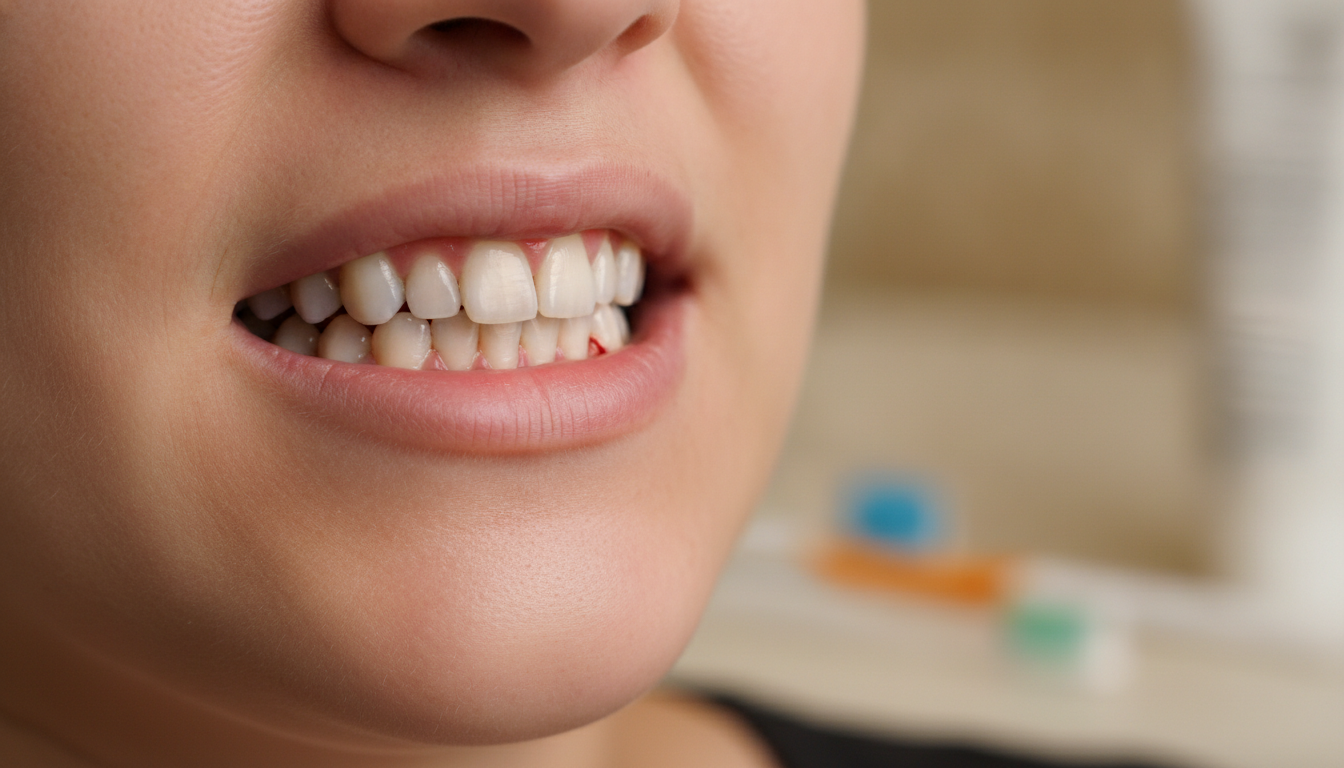
Pregnancy brings a wave of physical, emotional, and hormonal transformations. While expecting mothers anticipate classic symptoms like morning sickness, fatigue, and food cravings, many are caught off guard by a surprising oral health issue: pink in the sink after brushing. Experiencing bleeding gums during pregnancy is remarkably common, affecting up to 75% of pregnant women at some point during their journey to motherhood.
Although common, tender, inflamed, or bleeding gums should never be ignored. Maintaining optimal oral hygiene during pregnancy is crucial not only for the mother’s comfort and health but also for the overall well-being of the developing baby. In this comprehensive guide, we will explore why pregnancy gingivitis occurs, how to identify the signs, the potential risks of untreated gum inflammation, and effective, safe ways to manage and prevent it.
What Is Pregnancy Gingivitis?
The term pregnancy gingivitis refers to inflammation of the gums that occurs specifically during gestation. It is a mild form of gum disease characterized by redness, swelling, tenderness, and a tendency to bleed during routine brushing or flossing.
This condition typically develops between the second and eighth months of pregnancy, often reaching its peak intensity during the third trimester. While it resembles traditional gingivitis caused by poor dental hygiene, hormonal changes and dental health are intricately connected during pregnancy, making expectant mothers far more susceptible to gum irritation even if they maintain a diligent oral care routine.
Primary Causes of Bleeding Gums During Pregnancy
To effectively manage and prevent gum discomfort, it is essential to understand the biological mechanisms driving it. Several distinct factors contribute to swollen gums pregnant women frequently experience.
1. Hormonal Fluctuations (Progesterone and Estrogen)
During pregnancy, the body experiences a dramatic surge in hormones, particularly progesterone and estrogen. These hormones alter the way the body reacts to everyday plaque. Elevated progesterone levels make the gum tissue much more sensitive to the bacteria present in plaque buildup. This heightened sensitivity causes the gums to become inflamed, swollen, and prone to bleeding much more easily than usual.
2. Increased Blood Volume and Circulation
To support the growing fetus, an expecting mother’s total blood volume increases by approximately 30% to 50%. This surge in blood flow affects capillaries throughout the body, including those in the mouth. The delicate blood vessels in the gingival tissue become hyper-dilated and soft, making them significantly more vulnerable to mechanical irritation from toothbrushes, dental floss, or hard foods.
3. Changes in Salivary Composition and Flow
Saliva acts as a natural defense system for the mouth, washing away food debris and neutralizing harmful bacterial acids. Hormonal shifts can alter both the quantity and composition of saliva. Some pregnant women experience dry mouth (xerostomia), which creates an ideal environment for bacteria to multiply, while others experience excess saliva (ptyalism), which can alter the mouth’s natural pH balance and promote plaque buildup.
4. Dietary Shifts and Cravings
Pregnancy cravings often lean toward carbohydrates, sugary snacks, or acidic fruits. Increased consumption of refined sugars provides continuous fuel for oral bacteria, which produce acids that irritate the gum lining and erode tooth enamel.
5. Morning Sickness and Acid Reflux
Frequent vomiting associated with morning sickness exposes the teeth and gums to harsh stomach acids. This acid can erode enamel and severely irritate sensitive gum tissue. Additionally, many women experience nausea triggered by the taste or smell of toothpaste, leading them to rush through or skip brushing altogether, which exacerbates bacterial accumulation.
Symptoms to Watch For
While bleeding gums during pregnancy are the primary sign of irritation, they are often accompanied by other related symptoms. Expectant mothers should monitor their mouths for:
- Redness and Swelling: Gums that appear deep red or purplish instead of a healthy, pale pink.
- Tenderness: Soreness when chewing, brushing, or flossing.
- Persistent Bad Breath: A lingering unpleasant taste or smell caused by bacterial proliferation.
- Receding Gums: Gums that appear to pull away from the teeth.
- Pregnancy Tumors (Pyogenic Granulomas): Non-cancerous, red, mushroom-like growths that can form on the gums, usually between teeth. Despite their alarming name, they are harmless, high-vascularity lumps caused by extreme reactions to local irritants. They typically shrink or disappear on their own after childbirth.
Risks of Untreated Gum Disease in Pregnancy
Ignoring persistent gum inflammation can lead to more serious complications. If pregnancy gingivitis is left unmanaged, it can progress into periodontal disease in pregnancy, a severe infection that damages the soft tissue and destroys the bone supporting the teeth.
Research suggests a strong link between advanced periodontitis and adverse pregnancy outcomes. Pathogenic bacteria from infected gums can enter the bloodstream and travel to the uterus, potentially triggering inflammatory responses that may lead to:
- Preterm Labor: Delivering before 37 weeks of gestation.
- Low Birth Weight: Babies born weighing less than 5.5 pounds (2.5 kg).
- Preeclampsia: A serious pregnancy complication characterized by high blood pressure and signs of damage to another organ system.
Because of these potential risks, adopting effective safe dental care while pregnant is a crucial component of prenatal health.
Effective Relief and Prevention Strategies
Fortunately, bleeding gums during pregnancy can be safely managed, minimized, and often prevented through consistent daily care and targeted wellness practices.
1. Master Gentle Brushing Techniques
Switch to a toothbrush with extra-soft bristles. Hard or medium bristles can cause micro-tears in fragile, swollen gum tissue. Hold the brush at a 45-degree angle to the gums and use small, circular, gentle motions rather than aggressive back-and-forth scrubbing. Brush twice a day for a full two minutes.
2. Floss with Care Daily
Flossing is non-negotiable, as it removes plaque and trapped food particles between teeth where toothbrush bristles cannot reach. Use soft dental tape or a water flosser if traditional floss feels too abrasive on delicate tissue. Carefully guide the floss around each tooth in a “C” shape, sliding gently beneath the gumline without snapping it down abruptly.
3. Rinse with Warm Salt Water
A classic, natural remedy for inflamed tissue is a warm salt water rinse. Dissolve half a teaspoon of salt in a glass of warm water and swish it around your mouth for 30 seconds before spitting it out. Salt water acts as a natural disinfectant, reduces inflammation, and soothes painful, swollen gums pregnant women often deal with.
4. Enhance Your Internal Defense Routine
Maintaining clean teeth is essential, but supporting your gums from the inside out provides an extra layer of protection. Natural dental supplements designed to balance oral microflora can dramatically reduce bacterial strain and soothe irritated gums. For targeted internal support, consider integrating a high-quality natural gingivitis treatment supplement into your daily health regimen. Formulated with botanical nutrients and probiotics, it helps strengthen fragile tissue, control harmful bacteria, and promote healthier gums throughout your pregnancy.
Daily Oral Hygiene Routine for Expecting Mothers
Consistency is key when keeping oral bacteria at bay. Here is a step-by-step daily routine optimized for pregnant women:
+————————————————————————–+
| DAILY PREGNANCY ORAL CARE ROUTINE |
+————————————————————————–+
| MORNING |
| • Brush gently with extra-soft bristles & fluoride/hydroxyapatite toothpaste|
| • Rinse with warm salt water or alcohol-free mouthwash |
| |
| AFTER MEALS & SNACKS |
| • Rinse thoroughly with clear water to wash away food particles |
| • Wait 30 minutes after acidic foods/vomiting before brushing |
| |
| EVENING |
| • Floss carefully between all teeth using soft tape or a water flosser |
| • Brush for 2 full minutes |
| • Take targeted oral health supplements to combat nighttime bacteria |
+————————————————————————–+
Managing Morning Sickness Safely
If you experience morning sickness, do not brush your teeth immediately after vomiting. Stomach acid temporarily weakens tooth enamel, and immediate brushing can cause abrasive damage. Instead:
- Rinse your mouth thoroughly with water or a mixture of warm water and half a teaspoon of baking soda to neutralize the acid.
- Wait at least 30 minutes before brushing with toothpaste.
The Role of Advanced Oral Supplements
While brushing and flossing clean the surface of your teeth, stubborn bacteria often hide deep within gum pockets and on the tongue. Incorporating advanced dental health tips for expecting mothers alongside a specialized oral supplement can help maintain an optimal microbiome balance, reducing the likelihood of sudden bacterial flare-ups and supporting overall tissue healing.
Essential Nutritional Support for Healthy Gums
What you put into your body plays a powerful role in maintaining firm, healthy gums. Specific vitamins and minerals directly impact tissue repair, immune defense, and collagen synthesis.
| Nutrient | Benefits for Gum Health | Ideal Pregnancy Food Sources |
|---|---|---|
| Vitamin C | Strengthens capillaries, reduces bleeding, aids tissue repair | Citrus fruits, strawberries, bell peppers, broccoli |
| Calcium | Maintains strong jawbones and tooth structure | Milk, yogurt, fortified plant milks, leafy greens |
| Vitamin D | Enhances calcium absorption, lowers inflammation | Eggs, fatty fish, fortified dairy, safe sunlight exposure |
| CoQ10 | Boosts cellular energy and suppresses tissue inflammation | Whole grains, spinach, nuts, legumes |
| Zinc | Inhibits bacterial growth and plaque formation | Pumpkin seeds, lentils, beans, lean meats |
Staying Hydrated
Drinking plenty of water throughout the day is one of the simplest yet most effective natural remedies for bleeding gums. Water stimulates saliva production, flushes away lingering debris, and prevents the dry mouth conditions in which anaerobic bacteria thrive.
Dental Visits During Pregnancy: What You Need to Know
A common misconception among expecting mothers is that visiting the dentist during pregnancy is unsafe. In reality, routine professional cleanings and examinations are strongly encouraged by the American Dental Association (ADA) and the American College of Obstetricians and Gynecologists (ACOG).
Safe Dental Practices During Pregnancy
- Inform Your Dentist: Always notify your dental team about your pregnancy, how far along you are, and any medications or prenatal vitamins you are taking.
- Best Timing: The second trimester (weeks 14 through 27) is generally the most comfortable time for routine dental procedures. By this stage, morning sickness has usually subsided, and lying back in the dental chair is easier than in the third trimester.
- Dental X-Rays: Diagnostic X-rays are safe during pregnancy when proper shielding (such as a lead apron and thyroid collar) is used. Modern digital X-rays emit extremely low levels of radiation.
- Emergency Treatments: If you experience severe tooth pain, swelling, or an infection, address it immediately. Untreated dental infections pose a far greater risk to your baby than necessary dental treatments or safe local anesthetics.
Long-Term Benefits of Addressing Gum Health Early
Taking proactive steps to manage bleeding gums during pregnancy pays off well beyond childbirth. Hormonal levels gradually normalize after delivery, and with proper care, pregnancy gingivitis usually resolves on its own. However, establishing strong hygiene habits during pregnancy creates a permanent foundation for lifelong oral health.
Furthermore, mothers pass oral bacteria to their newborns through shared spoons, kisses, and pacifiers. By optimizing your oral microbiome before your baby arrives, you reduce the transfer of cavity-causing bacteria, setting your child up for better oral health right from the start.
To help protect your gums, restore mineral balance, and ensure your smile remains strong throughout your pregnancy journey, consider adding a proven oral health supplement for gingivitis relief to your daily oral care routine. Combined with gentle brushing, daily flossing, and regular dental checkups, it offers comprehensive support for healthier gums and a brighter, confident smile.
Conclusion
Experiencing bleeding gums during pregnancy is a challenging but highly manageable condition. Driven primarily by hormonal changes and dental health shifts, increased vascularity, and heightened bacterial sensitivity, it requires thoughtful, deliberate care.
By practicing gentle daily hygiene, eating a nutrient-rich diet, staying hydrated, prioritizing routine professional cleanings, and utilizing effective supportive remedies, you can keep your gums healthy, comfortable, and disease-free. Protecting your smile is an integral part of protecting your baby—ensuring a happier, healthier journey to motherhood.