The global health and wellness industry is constantly evolving, introducing new dietary supplements that promise to revolutionize how we shed unwanted pounds. Among the hundreds of botanical extracts and natural remedies that have claimed the spotlight over the past two decades, few have generated as much intense debate, excitement, and scientific scrutiny as Garcinia Cambogia.
Marketed as a miracle fat burner and a natural appetite suppressant, this tropical fruit extract quickly became a household name after being featured on popular health television shows and fitness publications. Millions of individuals looking for a reliable weight loss supplement turned to Garcinia Cambogia with hopes of melting away stubborn fat without drastic changes to their daily routines.
However, as with many wellness trends, the reality behind the hype is far more complex. Does Garcinia Cambogia actually work for weight loss, or is it simply another overhyped trend? In this comprehensive, science-backed article, we will examine the history, active compounds, mechanism of action, scientific clinical trials, potential side effects, and practical applications of Garcinia Cambogia for weight loss.
What Is Garcinia Cambogia?
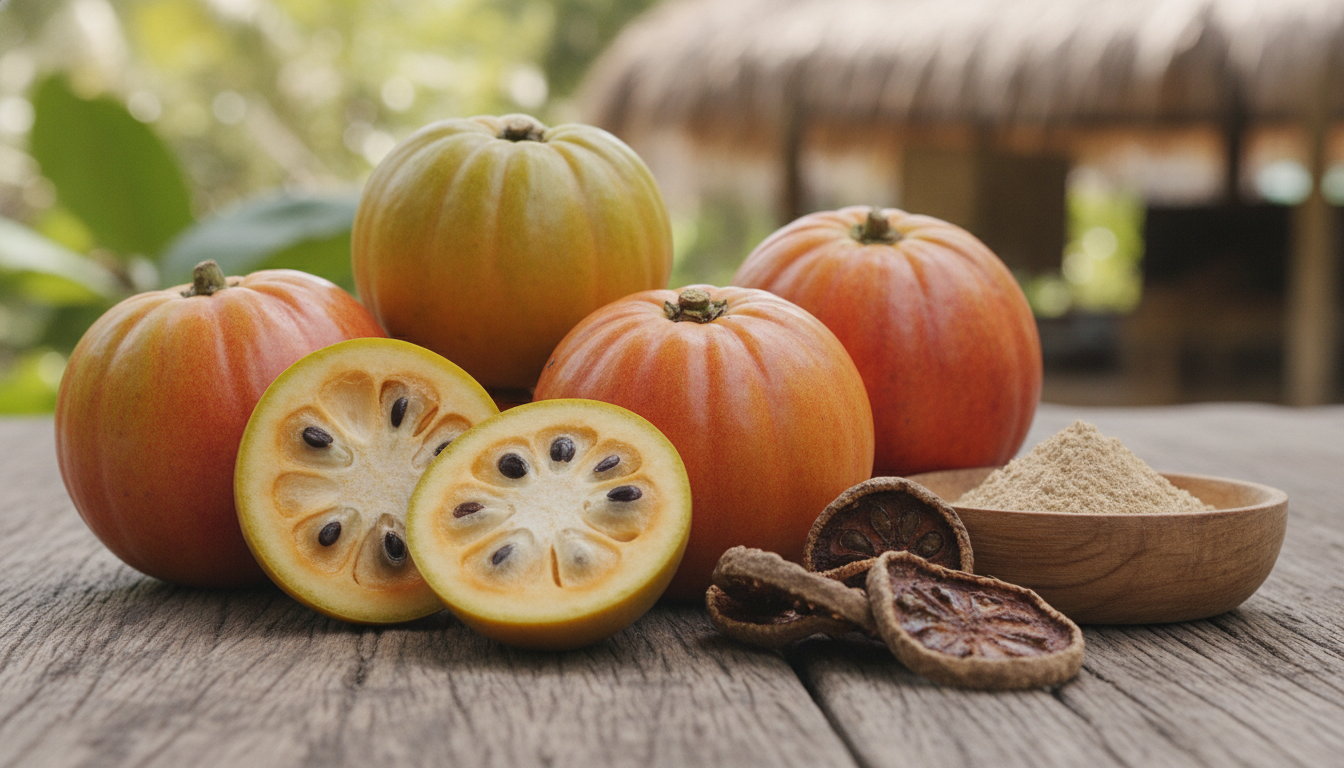
Garcinia Cambogia, also known scientifically as Garcinia gummi-gutta, is a small, pumpkin-shaped tropical fruit native to Southeast Asia, India, and parts of coastal Africa. The fruit ranges in color from green to pale yellow and has traditionally been used in Asian cooking for its sour taste, often serving as a culinary agent to make meals more filling and satisfying.
For centuries, traditional remedies utilized the rind of the fruit to treat various conditions, including digestive issues, joint pain, and intestinal parasites. However, modern scientific interest focuses almost exclusively on a specific compound found in the fruit’s peel: Hydroxycitric Acid (HCA).
The Power of Hydroxycitric Acid (HCA)
The active ingredient in Garcinia Cambogia that triggers weight loss claims is Hydroxycitric Acid (HCA). Researchers discovered that HCA possesses unique biochemical properties that interact directly with human metabolism. Specifically, high concentrations of HCA are believed to:
- Inhibit Fat Production: HCA interferes with an enzyme called ATP citrate lyase, which plays a critical role in turning excess carbohydrates into stored fat.
- Suppress Appetite: HCA increases levels of serotonin, a neurotransmitter in the brain that regulates mood, food cravings, and satiety.
- Enhance Metabolic Efficiency: By shifting how the body handles glucose and energy storage, HCA may help optimize your baseline metabolic rate.
Because raw Garcinia Cambogia fruit is exceedingly sour and difficult to eat fresh, supplement manufacturers extract the HCA from the rind and convert it into capsules, powders, and liquids designed for everyday consumer use.
The Biological Mechanisms: How Garcinia Cambogia Influences Body Weight
To understand whether Garcinia Cambogia for weight loss is effective, we must look closer at how Hydroxycitric Acid interacts with the human body on a cellular level.
   [ Dietary Carbohydrates ]

               │

               ▼

   [ Glucose in Bloodstream ]

               │

               ▼

 [ ATP Citrate Lyase Enzyme ]

               │

     Blocked by HCA (Garcinia)

               │

    ┌──────────┴──────────┐

    ▼                     ▼
[ Reduced Fat ] [ Increased Glycogen ]
[ Storage ] [ (Energy in Liver) ]
1. Blocking Fat Synthesis (Lipogenesis)
When you consume more carbohydrates and sugars than your body immediately burns for energy, your liver uses the enzyme ATP citrate lyase to convert those extra calories into fatty acids, cholesterol, and triglycerides. These compounds are then transported through the bloodstream and stored in adipose tissue, commonly showing up as belly fat, hip fat, or visceral fat around internal organs.
Laboratory studies demonstrate that HCA temporarily blocks the actions of ATP citrate lyase. When this enzyme is inhibited, the process of carbohydrate-to-fat conversion slows down significantly. Instead of being converted into stored body fat, extra carbohydrates are redirected to form glycogen—a storage form of glucose kept in the liver and muscle tissue that your body can easily burn for energy later.
2. Boosting Serotonin and Reducing Cravings
Weight loss is rarely just a physical battle; it is equally a psychological one. Emotional eating, late-night snacking, and intense sugar cravings are major obstacles for anyone attempting to maintain a caloric deficit.
Serotonin is a key brain chemical responsible for feelings of happiness, stability, and satisfaction. Low levels of serotonin are frequently linked to anxiety, depression, and emotional overeating. Research indicates that HCA can elevate brain serotonin levels. Higher serotonin signals to your brain that you are full, reducing overall caloric intake and curbing the urge to binge on high-carbohydrate comfort foods.
3. Regulating Blood Sugar and Insulin Sensitivity
Maintaining stable blood sugar levels is essential for long-term fat loss. Spikes and crashes in blood glucose trigger intense hunger pangs and prompt the pancreas to release high amounts of insulin—a hormone that promotes fat storage and inhibits fat burning.
Some studies suggest that Garcinia Cambogia may help improve cell sensitivity to insulin and enhance glucose uptake, leading to more stable energy levels throughout the day and preventing sudden spikes in appetite.
While these biological mechanisms sound ideal in theory, many people find that relying on a single ingredient yields slow or limited progress. For those seeking faster, more comprehensive results, modern formulations combine multiple natural ingredients to target metabolic health from every angle. If you want to accelerate your transformation with an advanced, proven formula, you can check out this powerful multi-action weight loss supplement.
What Does the Science Say? A Look at Clinical Studies
While cellular mechanisms in a lab setting sound promising, human clinical trials provide the true test of whether Garcinia Cambogia leads to actual weight loss. Over the past three decades, dozens of clinical studies have been conducted on human subjects, yielding mixed results.
The Landmark 1998 JAMA Study
One of the most famous and rigorous studies on Garcinia Cambogia was published in The Journal of the American Medical Association (JAMA) in 1998 by Dr. Steven B. Heymsfield and his research team.
- Study Design: 135 overweight adults were divided into two groups over a 12-week period. Both groups followed a high-fiber, low-calorie diet. One group received 1,500 mg of HCA daily, while the other received a placebo.
- Results: Both groups lost weight due to the caloric restriction. However, there was no statistically significant difference in overall body fat percentage reduction or weight loss between the Garcinia Cambogia group and the placebo group.
- Conclusion: The researchers concluded that Garcinia Cambogia failed to produce significant weight loss beyond what was achieved through diet alone under those specific conditions.
Positive Clinical Findings and Meta-Analyses
Despite the 1998 study, other clinical trials have reported positive outcomes:
- A 2003 study published in Current Therapeutic Research examined the effects of HCA combined with a moderate diet and exercise program over 8 weeks. Participants taking HCA experienced a noticeable reduction in visceral fat, total body weight, and BMI compared to the control group.
- A 2011 comprehensive review published in the Journal of Obesity analyzed 12 randomized clinical trials on Garcinia Cambogia. The meta-analysis revealed that, on average, Garcinia Cambogia extract caused a small but statistically significant amount of weight loss—about 2 pounds (0.88 kg) more than a placebo over a period of several weeks.
Why Do Study Results Vary?
The variation in scientific results often stems from differences in study design, including:
- Dosage and Quality: Studies using low concentrations of HCA (under 50%) yield fewer results than those using standardized 60% HCA extracts.
- Dietary Variations: High-fiber diets can actually bind to HCA in the digestive tract, preventing the body from properly absorbing the active compound.
- Individual Metabolism: Differences in baseline metabolic rate, genetics, gut microbiome composition, and activity levels dramatically alter how an individual responds to dietary supplements.
Key Benefits of Garcinia Cambogia Beyond Weight Loss
While losing weight is the primary reason people turn to Garcinia Cambogia, researchers have uncovered several secondary health benefits associated with regular use of standardized HCA extracts:
| Feature / Benefit | Primary Mechanism | Target Outcome |
|---|---|---|
| Cholesterol Modulation | Inhibits ATP citrate lyase enzyme | Lowers LDL (bad) cholesterol & triglycerides |
| Appetite Reduction | Elevates central nervous system serotonin | Reduces emotional eating and caloric intake |
| Blood Sugar Control | Enhances cellular insulin sensitivity | Prevents blood glucose spikes and energy crashes |
| Fat Storage Inhibition | Redirects excess carbs into glycogen | Limits new belly fat accumulation |
1. Improved Lipid Profiles
High levels of blood fats (triglycerides) and LDL (low-density lipoprotein) cholesterol significantly raise the risk of cardiovascular disease. Several human and animal trials show that Garcinia Cambogia can help improve lipid profiles by reducing blood triglyceride levels, decreasing LDL cholesterol, and slightly increasing HDL (“good”) cholesterol.
2. Enhanced Energy and Endurance
By encouraging the conversion of extra carbohydrates into stored liver glycogen rather than body fat, Garcinia Cambogia provides your muscles with a readily accessible pool of energy. Athletes and active individuals may notice improved endurance and less fatigue during physical workouts.
Potential Side Effects and Safety Considerations
When taken at recommended dosages, Garcinia Cambogia is generally considered safe for most healthy adults. However, as with any potent herbal extract, side effects can occur, particularly when taken in excessive amounts or combined with incompatible medications.
Common Mild Side Effects
Users who take Garcinia Cambogia on an empty stomach or in high doses may experience:
- Mild digestive discomfort, nausea, or diarrhea
- Dry mouth
- Dizziness or lightheadedness
- Headaches
Serious Health Warnings
- Liver Health: A small number of case reports have linked certain dietary supplements containing Garcinia Cambogia to acute liver toxicity. However, many of these multi-ingredient supplements also contained other herbal compounds, making it difficult to pinpoint Garcinia as the sole cause. Nevertheless, individuals with pre-existing liver disease should exercise extreme caution.
- Medication Interactions: Garcinia Cambogia can interact negatively with specific prescription drugs. You should avoid taking HCA supplements if you are currently using:
- Diabetes Medications: Combining HCA with insulin or metformin can cause dangerous drops in blood sugar (hypoglycemia).
- SSRIs and Antidepressants: Because HCA increases serotonin, combining it with antidepressant medications can lead to Serotonin Syndrome, a serious medical condition.
- Statins: Taking HCA alongside cholesterol-lowering drugs may increase the risk of muscle degradation.
Why Single-Ingredient Supplements Often Fall Short
Many people buy standalone Garcinia Cambogia supplements expecting drastic, rapid body changes, only to end up disappointed after a few weeks. The reason for this disappointment lies in human physiology: weight loss is a multi-systemic process.
Relying solely on blocking a single enzyme (ATP citrate lyase) rarely overrides a poor diet, slow metabolic rate, high stress, or hormonal imbalances. Sustainable weight loss requires a comprehensive strategy that addresses:
- Thermogenesis and calorie burning
- Cellular energy production
- Gut microbiome balance
- Stress hormones like cortisol
- Appetite control and craving reduction
While Garcinia Cambogia can serve as a helpful piece of the puzzle, combining it with other scientifically validated natural compounds yields far superior results. If you want to bypass trial-and-error and access an all-in-one, natural fat-burning solution designed for optimal results, consider trying this recommended weight loss product.
How to Use Garcinia Cambogia for Maximum Results
If you decide to incorporate Garcinia Cambogia into your health routine, following proper usage guidelines is essential to maximize benefits and minimize side effects.
1. Choose the Right Concentration
Not all supplements are created equal. When shopping for a Garcinia Cambogia supplement, look closely at the product label:
- Ensure the product contains at least 50% to 60% Hydroxycitric Acid (HCA). Concentrations below 50% are unlikely to exert a noticeable metabolic effect.
- Choose products bound to calcium, potassium, or magnesium salts, as these minerals improve the bio-availability and absorption of HCA in your digestive tract.
2. Standard Dosage Guidelines
The standard, clinically tested dosage for Garcinia Cambogia ranges from 1,500 mg to 2,800 mg of HCA per day, split into two or three equal doses.
- Example Schedule: Take 500 mg to 1,000 mg 30 to 60 minutes before your main meals.
3. Timing Matters
Taking Garcinia Cambogia at the right time is critical. Always take your supplement 30 to 60 minutes before a meal. HCA needs time to absorb into your digestive tract and enter your bloodstream so it can actively inhibit fat enzymes and elevate serotonin levels before you begin eating carbohydrates.
Complementary Lifestyle Strategies for Sustainable Weight Loss
No dietary supplement—including Garcinia Cambogia—can replace the foundational habits required for long-term health and weight management. To truly transform your body and keep fat off permanently, combine your supplement routine with these core practices:
              ┌────────────────────────┐

              │ Sustainable Weight Loss│

              └───────────┬────────────┘

                          │

 ┌────────────────────────┼────────────────────────┐

 ▼                        ▼                        ▼
┌─────────┐ ┌─────────┐ ┌─────────┐
│ Caloric │ │ Active │ │ Targeted│
│ Deficit │ │ Lifestyle│ │ Support │
└─────────┘ └─────────┘ └─────────┘
1. Maintain a Moderate Caloric Deficit
To lose body fat, your body must expend more energy than it consumes. Focus on nutrient-dense, whole foods including lean proteins, fresh vegetables, complex carbohydrates, and healthy fats while reducing processed foods and added sugars.
2. Prioritize Resistance Training and Movement
While cardiovascular exercise burns calories in the moment, resistance training (lifting weights or bodyweight exercises) builds lean muscle mass. Muscle tissue burns more calories at rest, elevating your baseline metabolic rate and preventing the metabolic slowdown often associated with dieting.
3. Get Adequate Sleep and Manage Stress
Chronic stress elevates cortisol, a stress hormone that promotes fat storage around the abdomen and triggers cravings for sugary, high-calorie comfort foods. Aim for 7 to 9 hours of quality sleep per night and practice stress-reduction techniques like meditation, yoga, or daily walking.
Final Verdict: Does Garcinia Cambogia Really Work?
So, what is the ultimate verdict on Garcinia Cambogia for weight loss?
The science shows that Garcinia Cambogia is not a magic pill that will dissolve body fat overnight while ignoring diet and movement. However, it is also not pure snake oil. The active compound, Hydroxycitric Acid (HCA), offers genuine metabolic benefits: it modestly suppresses appetite, helps prevent new carbohydrate conversion into fat, and supports healthy serotonin levels.
When used as a secondary tool alongside a balanced diet, consistent movement, and adequate sleep, high-quality Garcinia Cambogia can accelerate your progress and make managing your appetite significantly easier.
If you are ready to stop struggling with stubborn fat and want to support your body’s metabolism with a proven, top-tier formula, don’t rely on basic standalone supplements. Take action today and experience the difference yourself by exploring our top recommended weight loss solution.