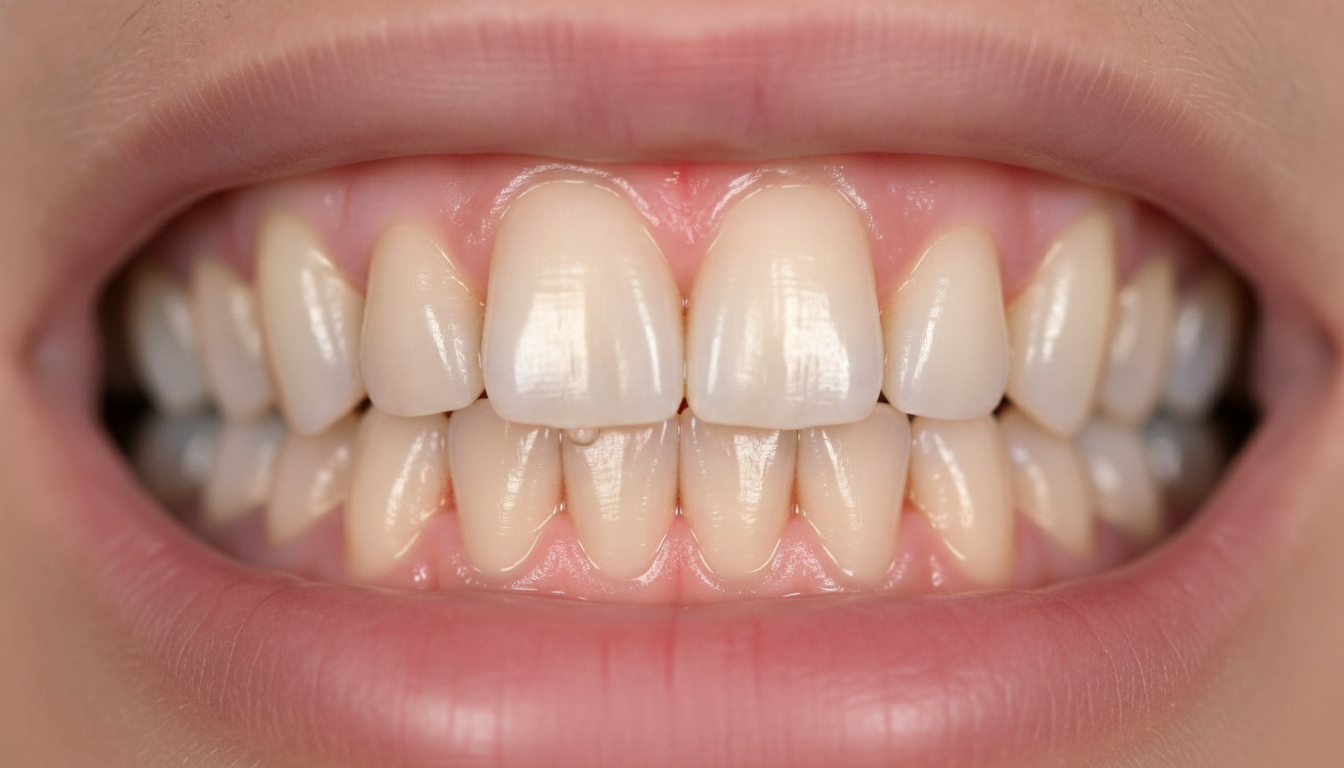
You spat into the sink after brushing, and there it was again: a faint, pink tinge swirling down the drain. It is easy to brush it off as nothing. Maybe you brushed a little too hard, or perhaps your floss slipped and nipped your tissue. But that tiny spot of red is your body’s alarm system. It is one of the clearest initial signs of mild gum disease, scientifically known as gingivitis.
The good news? Unlike advanced periodontal disease, which causes irreversible bone loss around your teeth, mild gum disease is entirely reversible. Your body possesses a remarkable ability to heal soft tissue once you eliminate the source of irritation.
By taking control of your daily habits, adjusting your diet, and using targeted remedies, you can eliminate bleeding gums, calm swollen gums, and restore your mouth to ideal periodontal health.
Understanding the Enemy: How Gingivitis Develops
To fix a problem, you must understand what causes it. The human mouth is home to hundreds of species of micro-organisms. Many of these bacteria are harmless, and some are even beneficial. However, when sugary and starchy food particles mix with normal oral bacteria, they form a sticky, invisible film over your teeth called plaque buildup.
When bacterial plaque sits along the gumline for more than 24 to 48 hours, it begins to produce toxins. These toxins irritate the delicate tissue that surrounds and supports your teeth. Your immune system responds to this irritation by rushing blood, immune cells, and fluid to the area to fight off the foreign threat. This immune response is what creates gum inflammation.
If plaque is allowed to remain, it hardens through calcification, transforming into tartar (also known as calculus). Tartar acts as a rough, porous shield that protects even more bacteria, making it impossible to clean away with a standard toothbrush.
When you catch the condition in its mild phase—while it is still isolated to the soft tissues—you can dissolve plaque, soothe irritation, and achieve complete gum disease treatment at home.
Common Gingivitis Symptoms to Watch For:
- Gums that bleed during or after brushing and flossing.
- Visible redness or puffiness along the gumline instead of a firm, pale pink appearance.
- Persistent bad breath (halitosis) or a lingering bad taste in your mouth.
- Mild tenderness when chewing or touching the gum line.
- Gums that appear to be pulling away slightly from the surface of your teeth.
Step 1: Optimize Your Daily Oral Hygiene Routine
The foundational pillar of reversing mild gum disease is mechanical removal of plaque. If you leave plaque behind, no remedy or mouthwash will fix the issue. However, “cleaning harder” is not the solution; cleaning smarter is.
Master the Modified Bass Brushing Technique
Most people scrub their teeth horizontally, which acts like sandpaper against already inflamed tissues. Scrubbing aggressively can actually cause gum recession, making your problem worse.
Instead, adopt the Modified Bass Technique:
- Hold your toothbrush at a 45-degree angle toward the line where your teeth meet your gums.
- Apply gentle pressure so the bristles lightly tuck into the gap between your gum and tooth (the gingival sulcus).
- Vibrate or roll the brush head in tiny circular motions, moving plaque away from the gumline.
- Spend a full two minutes brushing, devoting equal time to all four quadrants of your mouth.
Always opt for a soft or ultra-soft bristle toothbrush. Electric toothbrushes with sonic or oscillating technology are even better, as they offer precise micro-movements that break up bacterial plaque far better than manual brushing.
Clean Between Your Teeth Every Single Day
Brushing only cleans about 60% of your tooth surfaces. The remaining 40% lies in the tight spaces between your teeth—precisely where bleeding gums usually start.
If traditional string floss feels painful or difficult to maneuver around swollen gums, try using a water flosser (oral irrigator). Water flossers use a pressurized stream of water to flush out food fragments and bacterial colonies deep inside pockets where string cannot comfortably reach. Interdental brushes are another great tool for cleaning wider gaps between teeth.
Support Your Oral Microbiome from Within
While mechanical cleaning removes surface bacteria, your body needs internal nutritional support to repair delicate tissue and regulate healthy bacterial balance. Adding a specialized daily formula to your regimen can dramatically speed up the recovery process.
Using targeted natural supplements like this advanced dental health solution provides essential micronutrients that calm internal inflammation, protect tooth enamel, and nourish your gums from the inside out.
Step 2: Powerful Natural Remedies for Gum Disease
Beyond your basic brush-and-floss routine, targeted natural treatments can accelerate healing, destroy harmful pathogens, and lower tissue sensitivity.
+——————————————————————-+
| NATURAL REMEDIES FOR GUM HEALING |
+————————–+—————————————-+
| Remedy | Primary Benefit |
+————————–+—————————————-+
| Warm Saltwater Rinse | Reduces swelling, neutralizes acids |
| Coconut Oil Pulling | Absorbs toxins, disrupts biofilm |
| Green Tea Extraction | Antihyper-inflammatory antioxidants |
| Pure Aloe Vera Gel | Soothes pain, reduces deep redness |
+————————–+—————————————-+
1. Warm Saltwater Rinses
Saltwater is a natural disinfectant and osmotic agent. It draws excess fluid out of swollen tissues, reducing discomfort and creating an alkaline environment in your mouth where harmful bacteria struggle to survive.
- How to use: Dissolve 1/2 teaspoon of pure sea salt or Himalayan salt into a glass of warm water. Swish the solution gently around your mouth for 30 seconds, twice daily. Spit it out—do not swallow it.
2. Coconut Oil Pulling
An ancient Ayurvedic practice, oil pulling involves swishing a vegetable-based oil through your mouth to break down bacterial cell membranes. Virgin coconut oil is ideal because it is rich in lauric acid, an organic compound known for its potent antimicrobial and anti-inflammatory properties.
- How to use: Put one tablespoon of organic, cold-pressed coconut oil into your mouth. Gently swish and pull it through your teeth for 15 to 20 minutes. As you swish, the oil will turn milky white as it traps plaque and bacteria. Spit the oil into a trash can (to prevent clogged plumbing), rinse with warm water, and brush your teeth normally.
3. Pure Aloe Vera Gel Rinsing
Aloe vera is famous for soothing skin burns, but its anti-inflammatory and tissue-regenerative properties work wonders on swollen gums too. Clinical studies have shown that pure aloe vera juice can be as effective as conventional chemical mouthwashes in reducing plaque and internal inflammation.
- How to use: Ensure you choose 100% pure aloe vera juice or gel without added sugars or artificial flavors. Swish a small amount around your mouth for one minute, twice per day, then spit out.
Elevate Your Care Routine
While these remedies are helpful, combining them with a proven oral care formula produces faster, more visible results. To enhance your natural routine and rebuild firm tissue quickly, consider integrating this natural gum and tooth support formula. It delivers concentrated natural ingredients straight into your system to boost your body’s natural healing abilities.
Step 3: Utilize a Therapeutic Antiseptic Mouthwash
Commercial cosmetic mouthwashes often rely heavily on alcohol to give a fresh feeling. However, high alcohol concentrations dry out your mouth, reducing saliva flow and creating an ideal environment for destructive bacteria to multiply.
To target early mild gum disease, switch to a therapeutic, alcohol-free antiseptic mouthwash or make your own targeted botanical rinse.
Top Active Ingredients to Look For:
- Cetylpyridinium Chloride (CPC): A broad-spectrum antimicrobial compound that targets plaque-causing bacteria and reduces early gingival bleeding.
- Essential Oils (Eucalyptol, Menthol, Thymol, Tea Tree): Plant oils possess high penetrating power, allowing them to breach bacterial biofilms and calm inflamed tissue without disrupting your oral microbiome.
- Chlorhexidine (Short-term use): Often prescribed by dentists for aggressive inflammation, though it should generally not be used for more than two weeks continuous to avoid temporary tooth staining.
DIY Herbal Antimicrobial Rinse
You can easily brew an effective, natural, soothing mouth rinse at home:
- Steep one bag of organic green tea and one bag of chamomile tea in a cup of hot water for 10 minutes.
- Green tea contains rich polyphenols (EGCG) that suppress bacterial growth, while chamomile acts as a powerful anti-inflammatory.
- Let the tea cool down completely, add two drops of pure peppermint essential oil, and use it as a refreshing daily rinse.
Step 4: Dietary Changes to Restore Dental Health
What you put into your mouth directly dictates which bacterial species flourish and how quickly your immune system can repair damaged structural collagen.
   [ HIGH SUGAR DIET ]                   [ NUTRIENT-DENSE DIET ]

             |                                      |

             v                                      v

  Feeds Harmful Bacteria                 Suppresses Pathogens

             |                                      |

             v                                      v

   Acid Toxin Production                 Supports Collagen Growth

             |                                      |

             v                                      v

[ INCREASED INFLAMMATION ]              [ STRONG, HEALED GUMS ]
Eliminate Microscopic Bacterial Fuel
Harmful oral bacteria feed on simple sugars and refined carbohydrates. Every time you consume candies, sodas, white bread, or processed snacks, you trigger an acid attack that weakens enamel and fuels plaque buildup.
- Action Plan: Cut back on sugary snacks. If you do consume sweet or acidic foods, drink plenty of water immediately afterward to wash away leftover sugars and restore a neutral pH level.
Load Up on Key Tissue-Building Nutrients
To repair the delicate connective tissues around your teeth, your body relies on targeted nutrients:
- Vitamin C: Essential for collagen synthesis, the structural framework of your gums. A deficiency in Vitamin C leads directly to fragile, easily bleeding gums. Include citrus fruits, bell peppers, broccoli, and strawberries in your meals.
- Vitamin D3 and Vitamin K2: These vitamins work together to manage systemic inflammation and ensure your body directs calcium straight to your bones and teeth, reinforcing overall dental health.
- Coenzyme Q10 (CoQ10): A potent cellular antioxidant. Clinical studies show that individuals with gum inflammation consistently have low levels of CoQ10 in their tissue.
- Omega-3 Fatty Acids: Found in wild salmon, walnuts, and flaxseeds, omega-3s act as powerful natural anti-inflammatories, helping calm red, tender tissue throughout the body.
Step 5: Lifestyle Adjustments for Long-Term Defense
Even a perfect brushing routine can be undermined by lifestyle factors that suppress your immune system or decrease saliva production.
Hydration and Saliva Production
Saliva is your mouth’s natural defense mechanism. It contains vital minerals, enzymes, and antibodies that wash away debris, neutralize harmful acids, and control bacterial growth. Dry mouth (xerostomia) is a leading cause of rapid plaque buildup and gum irritation.
- Drink plenty of fresh water throughout the day.
- Chew sugar-free gum containing xylitol, a natural sugar alcohol that actively stops plaque-causing bacteria from multiplying.
- If you tend to breathe through your mouth at night, consider using a bedroom humidifier to prevent your oral tissues from drying out while you sleep.
Manage Chronic Stress
When you experience ongoing emotional or physical stress, your body releases high levels of cortisol. Elevated cortisol suppresses your immune response, making it much harder for your body to fight off everyday oral infections. Stress also leads to clenching and grinding (bruxism), which places extra physical strain on your gums and supporting bone structure.
Stop Smoking and Tobacco Use
Tobacco use is one of the most significant risk factors for severe gum problems. Smoking restricts blood flow to your oral tissues, masking early warning signs like bleeding while quietly weakening your body’s ability to heal. If you smoke or vape, taking steps to quit is one of the best things you can do for your overall health.
Complete Daily Protocol to Reverse Gingivitis
To make this strategy easy to follow, here is a simple step-by-step daily schedule designed to yield visible improvements within 7 to 14 days:
Morning Routine:
- Oil Pulling: Swish with 1 tablespoon of coconut oil for 15 minutes upon waking. Spit and rinse with warm water.
- Brushing: Brush gently for two minutes using a soft-bristle or electric toothbrush and fluoride or hydroxyapatite toothpaste.
- Targeted Supplementation: Take your daily oral health support to boost your immune system and heal tissue from within. For an all-in-one daily solution, try this proven oral hygiene supplement to keep your gums strong and resilient.
Midday Maintenance:
- Rinse your mouth thoroughly with plain water after eating lunch or snacking.
- Chew a piece of xylitol gum to stimulate protective saliva flow.
Evening Routine:
- Interdental Cleaning: Clean thoroughly between every tooth using dental floss, interdental brushes, or a water flosser.
- Brushing: Brush again using the 45-degree angle technique, making sure to clean along the gumline.
- Soothing Rinse: Swish with an alcohol-free antiseptic mouthwash or warm saltwater rinse for 30 to 60 seconds.
Knowing When to See Your Dentist
While taking action at home is highly effective against mild gum disease, home care should complement professional dental visits, not replace them entirely.
If you have implemented these changes for two to three weeks and still notice severe bleeding, deep swelling, or looseness in any of your teeth, schedule an appointment with a dental professional right away. Advanced stages of periodontal disease require deep cleaning (scaling and root planing) to remove hardened tartar buildup below the gumline.
However, if you catch the issue early, adjust your daily habits, and give your body the natural tools and nutrients it needs to recover, you can stop gum problems in their tracks. A clean, healthy, and confident smile is entirely within your reach!









