Losing weight is often portrayed as a relentless battle against hunger, low energy, and sluggish results. Traditional calorie-restriction plans frequently fail because they leave you feeling deprived, leading to intense cravings and eventual binge eating. However, shifting your nutritional focus to a high protein diet for weight loss is one of the most effective, scientifically proven strategies to transform your body composition without constant suffering.
Protein is not just a macronutrient for bodybuilders; it is the fundamental building block of fat loss, metabolic efficiency, and appetite control. By prioritizing protein in your daily meals, you can preserve lean muscle mass, burn more calories naturally, and dramatically reduce your daily caloric intake without feeling hungry.
In this ultimate guide, you will discover the exact science behind protein and fat loss, how to calculate your daily requirements, the best foods to eat, and a complete strategy to maximize your results.
The Science of Protein and Fat Loss
To understand why a high protein diet is so effective for transforming your body, you must look at how your body processes different macronutrients (proteins, carbohydrates, and fats). Protein impacts your body’s physiology through three main mechanisms: appetite regulation, metabolic rate, and muscle preservation.
1. Hunger Suppression and Appetite Hormones
Hunger is governed by chemical messengers in your brain and gut. When you eat protein, it directly influences the production of hormones that signal fullness while suppressing the hormones that trigger hunger.
- Ghrelin: Known as the “hunger hormone,” ghrelin signals your brain that it is time to eat. A high intake of protein significantly lowers ghrelin levels, effectively turning down the volume on your appetite.
- Satiety Hormones: Protein boosts the production of Peptide YY (PYY), GLP-1, and cholecystokinin (CCK). These hormones send strong signals to your brain that you are full, reducing the urge to snack between meals or overeat at night.
By controlling these hormonal signals, achieving a caloric deficit—the absolute requirement for weight loss—becomes vastly easier and far more sustainable.
2. The Thermic Effect of Food (TEF)
Did you know that your body burns calories simply by digesting the food you eat? This process is known as the Thermic Effect of Food (TEF) or diet-induced thermogenesis.
Different macronutrients require different amounts of energy to be broken down and absorbed:
- Carbohydrates: 5% to 10% of calories consumed are burned during digestion.
- Fats: 0% to 3% of calories consumed are burned during digestion.
- Proteins: 20% to 30% of calories consumed are burned during digestion!
This means that if you consume 100 calories of lean protein, your body uses roughly 20 to 30 of those calories just to digest, absorb, and metabolize the amino acids. As a result, increasing your protein intake naturally boosts your metabolic rate and increases your daily expenditure of burned calories.
3. Preserving Lean Muscle Mass
When you drop your intake of overall calories to lose weight, your body naturally looks for energy sources. Unfortunately, it doesn’t just burn stored body fat; it can also break down precious muscle mass.
Losing muscle drops your baseline metabolism, making long-term weight maintenance extremely difficult. Consuming ample dietary protein provides your body with the necessary amino acids to protect and repair muscle fibers. This ensures that the weight you lose comes almost entirely from body fat, leading to a toned, lean, and athletic physique.
How Much Protein Do You Need for Maximum Fat Loss?
A common point of confusion for beginners is determining the right amount of daily protein. The standard Recommended Dietary Allowance (RDA) for protein is just 0.8 grams per kilogram of body weight. However, this figure represents the absolute minimum needed to prevent nutritional deficiency in sedentary individuals—it is not optimized for fat loss or physical performance.
For optimal fat loss, metabolic health, and muscle retention, research suggests a much higher intake:
- Gram Per Pound Strategy: Aim for 0.7 to 1.0 grams of protein per pound of target body weight (or roughly 1.6 to 2.2 grams per kilogram).
- Example: If your goal weight is 150 pounds, your target daily protein intake should be between 105 grams and 150 grams.
Calculating Your Protein Target
- Determine your ideal or current weight in pounds.
- Multiply that weight by 0.8 for a balanced approach, or 1.0 if you engage in regular resistance training or weightlifting.
- Divide that total number across your planned meals (typically 3 to 5 meals per day) to ensure consistent absorption throughout the day.
Top Protein Sources for Weight Loss
Not all protein sources are created equal. To maximize weight loss, focus on nutrient-dense, high-protein foods that offer maximum nutrition with minimal excess calories from unhealthy fats and added sugars.
Animal-Based Protein Sources
Animal proteins are considered “complete” proteins because they contain all nine essential amino acids required by the human body.
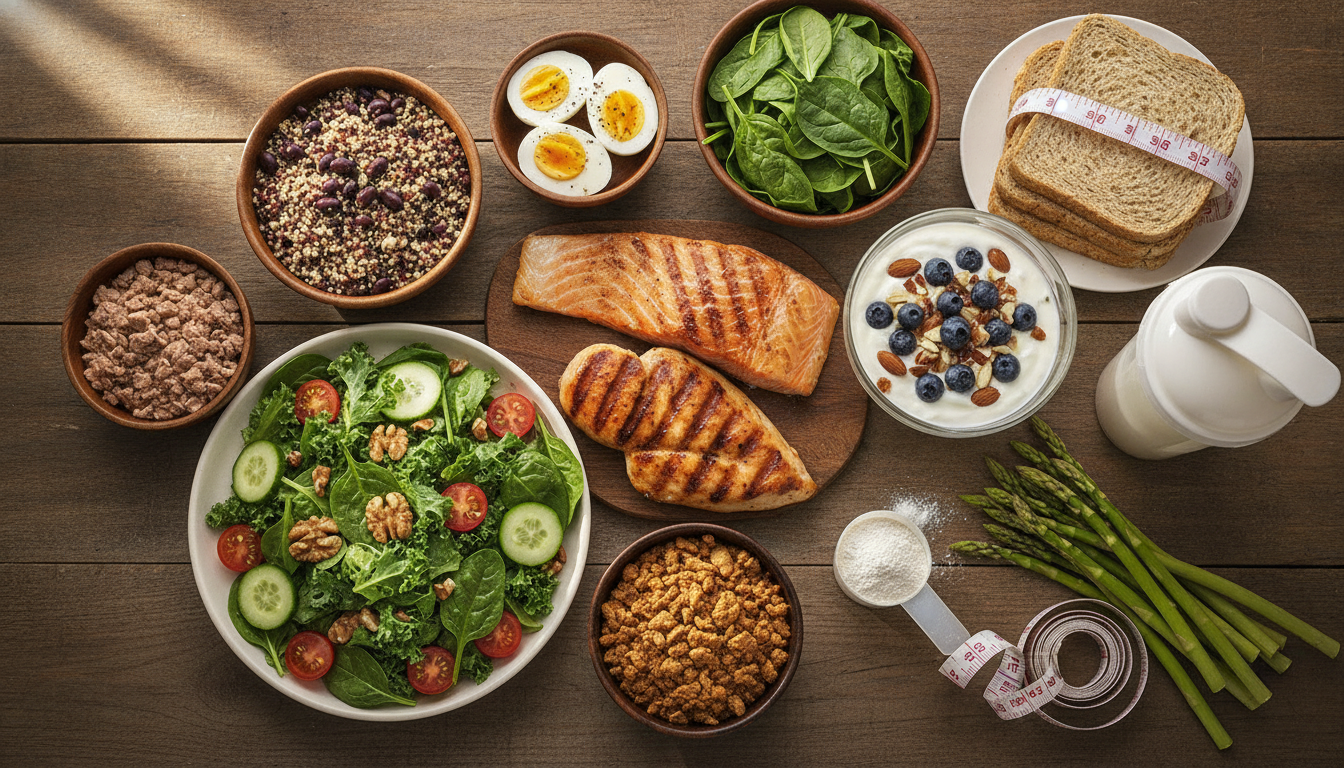
- Chicken and Turkey Breast: Extremely lean, low-calorie, and highly versatile. A 4-ounce serving of chicken breast provides nearly 30 grams of protein.
- Lean Beef: Cuts like sirloin, flank steak, and 93/7 extra lean ground beef deliver high amounts of protein, iron, and zinc.
- Fish and Seafood: White fish (cod, tilapia, halibut) is incredibly low in calories and high in protein. Fatty fish like salmon and tuna provide additional benefits through heart-healthy omega-3 fatty acids.
- Egg Whites and Whole Eggs: Eggs are packed with nutrients. Using a combination of whole eggs and extra egg whites keeps calories low while pushing protein high.
- Dairy Products: Non-fat or low-fat Greek yogurt, cottage cheese, and skyr are excellent sources of slow-digesting casein protein, ideal for keeping night-time hunger away.
Plant-Based Protein Sources
If you follow a vegetarian or vegan lifestyle, you can still easily thrive on a high protein diet for weight loss by combining various plant-based sources.
- Tofu, Tempeh, and Edamame: Derived from soybeans, these offer complete plant-based protein profiles.
- Lentils and Beans: Packed with protein as well as dietary fiber, which slows digestion and stabilizes blood sugar levels.
- Seitan: Made from wheat gluten, it is extremely high in protein, yielding around 25 grams per 3-ounce serving.
- Plant-Based Protein Powders: Pea, hemp, and rice protein blends are convenient ways to meet daily targets without adding excess carbs.
Designing Your High-Protein Meal Plan
To successfully stick to your new dietary approach, structure is key. Below is an example of what a high-protein day of eating looks like for a target intake of roughly 140–160 grams of protein while maintaining a steady caloric deficit.
Sample Daily Meal Plan
- Breakfast (Approx. 35g Protein):
- 3 large egg whites scrambled with 1 whole egg.
- 1/2 cup of black beans and a handful of spinach.
- 1 slice of whole-grain sprouted bread or a small side of berries.
- Mid-Morning Snack (Approx. 20g Protein):
- 1 cup of plain, non-fat Greek yogurt sprinkled with a dash of cinnamon and a few almonds.
- Lunch (Approx. 40g Protein):
- Grilled chicken salad: 5 ounces of sliced chicken breast over mixed greens, cucumbers, tomatoes, and 1 tablespoon of olive oil vinaigrette.
- Afternoon Snack (Approx. 20g Protein):
- 1 scoop of whey or plant-based protein powder blended with water or unsweetened almond milk.
- Dinner (Approx. 40g Protein):
- 6 ounces of baked salmon or sirloin steak.
- A generous serving of roasted broccoli or asparagus.
- 1 small baked sweet potato.
Enhancing Your Results
While structuring high-protein meals creates the foundation for fat loss, adding an effective metabolic booster can significantly speed up your timeline. To enhance your natural fat-burning processes and overcome stubborn plateaus, combining your healthy diet with a proven weight loss supplement can help maximize calorie burn and curb extra cravings throughout the day.
Overcoming Fat Loss Plateaus and Common Challenges
Even with a high intake of protein, weight loss is rarely a perfectly linear process. You may experience times where your progress slows down due to metabolic adaptation, stress, fluid retention, or hidden calories.
1. Avoiding the “High-Fat Protein” Trap
A primary reason people fail to lose weight on a high protein diet is consuming protein sources that are secretly loaded with excess fat and calories. Ribeye steaks, full-fat cheeses, fatty sausage, and bacon contain protein, but their high fat content can rapidly push you out of a caloric deficit.
- Fix: Choose lean protein sources 80% of the time, keeping overall calorie consumption controlled while keeping protein high.
2. Prioritizing Fiber and Hydration
Protein takes longer to digest than carbohydrates. Without sufficient water and fiber, a sharp increase in protein can sometimes lead to digestive discomfort or constipation.
- Fix: Aim for 25 to 35 grams of dietary fiber per day from vegetables, berries, chia seeds, and legumes. Drink at least 2.5 to 3 liters of water daily to assist kidney function and digestive health.
3. Reigniting Stalled Fat Loss
If you hit a weight loss wall despite following your plan, your baseline metabolic rate may have temporarily adapted to your lower calorie intake. When workouts feel harder and weight refuses to budge, integrating targeted support like this natural fat-burning solution can give your body the extra support required to restart your metabolic engine and melt away stubborn abdominal fat.
Combining High Protein with Strength Training
Diet is responsible for the vast majority of your weight loss success, but physical activity dictates what kind of weight you lose. If you eat a high protein diet without exercise, you will lose fat, but you miss out on reshaping your body composition.
Why Resistance Training is Mandatory
Lifting weights or performing bodyweight resistance exercises (like push-ups, squats, and lunges) triggers muscle protein synthesis. This process tells your body to direct dietary amino acids straight to your muscles for repair and growth rather than converting them to energy or storing excess calories as fat.
- Train 3–4 Days a Week: Focus on compound movements (squats, deadlifts, presses, rows) that recruit large muscle groups.
- Prioritize Progressive Overload: Gradually increase the weights or repetitions over time to continually challenge your muscles.
- Post-Workout Nutrition: Consume 20 to 40 grams of protein within a couple of hours after working out to initiate immediate muscle recovery and reduce muscle soreness.
Combining heavy resistance training with a high protein intake changes your overall body composition, helping you achieve a lean, toned look rather than simply becoming a “smaller version” of your current shape.
Debunking Common Protein Myths
Despite decades of clinical research supporting the benefits of protein for health and weight management, several persistent myths remain.
Myth 1: “Too Much Protein Damages Healthy Kidneys”
The Reality: In individuals with pre-existing, severe kidney disease, protein intake must be monitored. However, for healthy individuals, numerous scientific studies demonstrate that a high protein diet poses no harm to kidney function. Your kidneys adapt smoothly to processing amino acids without negative side effects.
Myth 2: “Protein Will Make Women Look ‘Bulky'”
The Reality: Building large, bulky muscle mass requires years of dedicated heavy powerlifting paired with a massive caloric surplus and high testosterone levels. For women, consuming a high protein diet while staying in a caloric deficit will simply yield a firm, sculpted, and defined physique.
Myth 3: “Your Body Can Only Absorb 30 Grams of Protein Per Meal”
The Reality: Your body will absorb virtually all the protein you consume; it simply takes longer to digest larger meals. While eating 30 to 50 grams of protein per meal is ideal for stimulating muscle protein synthesis efficiently throughout the day, your body will still digest and utilize larger amounts over an extended period.
Essential Tips for Long-Term Success
Adopting a high-protein lifestyle isn’t a temporary quick fix; it’s a long-term nutritional shift. Here are practical tips to ensure you maintain your results for life:
- Prep Protein in Advance: Cook large batches of chicken breast, lean ground turkey, or hard-boiled eggs at the start of the week. When quick protein options are ready in your fridge, you are far less likely to resort to processed fast food.
- Track Your Intake Initially: Use a nutrition tracking app for at least two weeks to gain an accurate understanding of how much protein is actually in your meals. Most people drastically overestimate their daily intake until they measure it.
- Read Nutrition Labels Carefully: Watch out for “protein bars” or snacks that market themselves as high protein but contain 20 grams of sugar and 300 calories for a meager 10 grams of protein. Always aim for foods where the protein-to-calorie ratio is high.
- Listen to Your Satiety Signals: Because protein is intensely filling, pay attention to when you feel full. Stop eating when satisfied, rather than forcing yourself to clear the plate.
Final Thoughts: Transforming Your Health Today
A high protein diet for weight loss is fundamentally different from short-lived fad diets. Instead of relying purely on willpower and suffering through extreme hunger, prioritizing protein works with your body’s natural biology. It protects your lean muscle, fires up your metabolism, and eliminates the relentless hunger pangs that ruin most weight loss efforts.
By calculating your individual protein needs, focusing on lean protein sources, staying active with resistance training, and maintaining a consistent intake, you set yourself up for sustainable, life-changing success.
If you want to accelerate your results, optimize your metabolic speed, and achieve your dream body even faster, consider adding this highly effective weight loss helper to your daily nutrition plan. Take control of your diet today, fuel your body with the protein it craves, and watch your body transform step by step.