You lean over the bathroom sink, spit out the toothpaste foam, and notice a distinct streak of pink. It is easy to brush off—literally and figuratively. You might tell yourself you brushed a little too hard or that your toothbrush bristles are getting old. However, that subtle wash of red in the sink is usually the very first alarm bell your body sounds to warn you about gum disease.
That early stage is known as gingivitis, a mild and incredibly common form of gum inflammation that affects millions of people worldwide. Left unchecked, this quiet infection can erode the structural foundation of your teeth, lead to tooth loss, and impact your systemic health. The good news? Unlike advanced periodontitis, gingivitis treatment is entirely reversible if caught early.
Whether you are currently dealing with bleeding gums, persistent bad breath, or soft, swollen gums, this comprehensive, step-by-step guide will walk you through everything you need to know about how to cure gingivitis and lock in vibrant, healthy gums for a lifetime.
What Is Gingivitis and Why Does It Happen?
To understand how to reverse gingivitis, you first need to understand what causes it. Your mouth is a complex ecosystem home to billions of micro-organisms. While many of these bacteria are harmless or even beneficial, others feed on the sugars and starches in the food you consume.
When you eat, these bacteria mix with food particles and saliva to form a sticky, invisible film over your teeth called dental plaque. If this plaque is not meticulously removed through daily oral hygiene, it begins to release toxins that irritate your delicate gum tissue.
Within 24 to 72 hours, unremoved plaque buildup hardens through calcification into a rough substance called tartar (or dental calculus). Once tartar forms, you cannot remove it with a standard toothbrush; it creates a protective shield for even more bacteria to hide under.
The Progression: From Gingivitis to Periodontitis
As bacteria multiply along and beneath the gumline, your immune system responds by pumping blood and white blood cells to the area to fight the microbial invaders. This immune reaction is what causes the classic symptoms of gingivitis:
- Swollen gums that appear puffy or enlarged.
- Tender, sensitive tissues that hurt when touched.
- Bleeding gums during routine brushing or flossing.
- Deep red or purplish gum coloration instead of a healthy coral pink.
If you ignore these signs, gingivitis can progress into periodontitis. During periodontitis, the inner layer of the gum and bone pull away from the teeth, forming pockets. These small spaces collect debris and can become infected. Toxins produced by the bacteria, along with the body’s natural enzymes fighting the infection, start to break down the bone and connective tissue that hold teeth in place.
Reversing the condition at the gingivitis stage is critical before permanent structural damage occurs.
Step 1: Upgrade Your Daily Brushing Technique
Most people brush their teeth twice a day, but very few people brush correctly. Brushing too fast, applying excessive pressure, or using the wrong tools can actually worsen gum inflammation and cause tissue recession.
Choose the Right Toothbrush
Throw away hard or medium-bristle toothbrushes immediately. Aggressive bristles slice into tender gum tissues, exposing tooth roots and aggravating existing bleeding gums.
Always choose a soft or extra-soft bristled toothbrush. An electric toothbrush equipped with an oscillating-rotating head or sonic technology is often even better; studies show that electric brushes remove significantly more plaque buildup than manual brushes without requiring heavy manual pressure.
Master the Modified Bass Technique
Instead of scrubbing side-to-side across your teeth, adopt the dentist-recommended Modified Bass Technique:
- Position the brush head at a 45-degree angle to your teeth, pointing toward the gumline.
- Apply gentle pressure so the bristles lightly sweep under the gum margin.
- Move the brush in short, gentle circular motions for a few seconds on each tooth.
- Roll or sweep the brush head away from the gumline toward the biting surface of the tooth.
- Systematically clean the outer, inner, and chewing surfaces of every tooth.
Brush for a full two minutes, twice a day. Allocate 30 seconds to each quadrant of your mouth to ensure uniform cleanings.
Step 2: Clear Interdental Bacteria Daily
A toothbrush can only reach about 60% of your tooth surfaces. The remaining 40% lies in the narrow spaces between your teeth, where plaque buildup thrives uninterrupted. If you do not clean between your teeth, you are leaving almost half your mouth untreated, guaranteeing that gingivitis will linger.
Proper Flossing Technique
Traditional string floss remains one of the most effective tools for plaque removal. To maximize its benefits:
- Use about 18 inches of floss, winding most of it around your middle fingers.
- Gently guide the floss between your teeth using a back-and-forth sawing motion—never snap it down into the sensitive gum tissue.
- Curve the floss into a “C” shape around the side of one tooth.
- Slide the floss into the space between the gum and the tooth until you feel light resistance.
- Move the floss up and down against the surface of the tooth.
- Repeat for every interdental space, including the back side of your rearmost molars.
Interdental Brushes and Water Flossers
If traditional floss is uncomfortable or difficult to maneuver, consider interdental brushes (tiny tree-shaped brushes designed for spacing between teeth) or a water flosser. Water flossers use a pressurized stream of water to flush out bacteria, food particles, and toxins from below the gumline. They are particularly effective for people with sensitive gums, braces, or dental implants.
To accelerate your recovery and restore balance to your oral microbiome, combining mechanical cleaning with targeted nutrients is critical. You can enhance your daily regimen by using a high-potency advanced oral health supplement, which helps nourish your gums from the inside out and supports fast tissue healing.
Step 3: Implement Therapeutic Antiseptic Rinses
While physical removal of plaque via brushing and flossing is the foundation of gum disease treatment, therapeutic mouthwashes can penetrate areas that tools miss, helping to reduce bacterial loads and soothe inflamed tissues.
Salt Water Rinses
A simple, natural home remedy for gum inflammation is a warm salt water rinse. Salt is a natural disinfectant that reduces swelling, soothes raw tissue, and creates an alkaline environment in the mouth, making it difficult for pathogenic bacteria to survive.
- How to make it: Dissolve 1/2 teaspoon of salt in a glass of warm water.
- How to use it: Swish the solution gently around your mouth for 30 seconds, then spit it out. Repeat 2 to 3 times a day, especially after meals.
Essential Oil and Antiseptic Rinses
Over-the-counter therapeutic mouth rinses containing essential oils (such as thymol, eucalyptol, and menthol) or active antimicrobial agents like cetylpyridinium chloride (CPC) have been proven to penetrate plaque biofilm and reduce bad breath along with early gingivitis.
Avoid alcohol-based mouthwashes if you suffer from dry mouth, as alcohol dehydrates mucosal tissues, inhibiting saliva production—your mouth’s natural defense mechanism against plaque buildup.
Step 4: Rebuild Your Gum Health Through Nutrition
What you put into your body plays a massive role in how effectively your immune system fights off oral infections and repairs damaged connective tissue. A diet high in processed sugars feeds harmful bacteria, while a dense micronutrient profile empowers your body to heal swollen gums.
Key Nutrients for Healthy Gums
| Nutrient | Function in Oral Health | Top Food Sources |
|---|---|---|
| Vitamin C | Essential for collagen production; strengthens blood vessels in gums | Citrus fruits, bell peppers, strawberries, broccoli |
| Vitamin D | Boosts immunity; helps the body absorb calcium for jawbone strength | Fatty fish, egg yolks, sunshine, fortified foods |
| Omega-3 Fatty Acids | Powerful anti-inflammatory agents that reduce gum swelling | Salmon, walnuts, chia seeds, flaxseed oil |
| Coenzyme Q10 | Antioxidant that supports tissue repair and cellular energy | Spinach, whole grains, organ meats, trout |
| Polyphenols | Inhibits the growth of plaque-causing micro-organisms | Green tea, dark berries, raw cacao |
Cut Out Refined Carbohydrates
Fermentable carbohydrates—such as candy, sodas, chips, and white bread—break down into simple sugars right inside your mouth. Oral bacteria digest these sugars rapidly, producing acids that erode enamel and fuels rapid microbial proliferation. Swap sugary snacks for crunchy, fibrous vegetables like celery and carrots, which stimulate saliva flow and naturally scrub tooth surfaces as you chew.
In addition to systemic nutrition, direct support using a dedicated nutritional formula can bridge the gap in your diet. Integrating a specialized proven oral care routine product ensures your tissues receive concentrated doses of essential compounds needed to combat persistent bacteria and halt bleeding gums.
Step 5: Address Lifestyle Factors That Worsen Gingivitis
Even the most rigorous oral hygiene routine can be undermined by lifestyle factors that compromise your immune system or alter the environment of your mouth.
Stop Smoking and Vaping
Tobacco use is one of the most significant risk factors associated with the development and progression of gum disease. Nicotine restricts blood flow to the gums, depriving them of oxygen and vital nutrients necessary for healing.
Interestingly, smokers often do not experience obvious bleeding gums because nicotine constricts blood vessels, masking this primary symptom. However, beneath the surface, the tissue damage is usually far more severe. Vaping liquids containing nicotine cause similar vasoconstrictive effects and promote dry mouth, accelerating bacterial growth.
Manage Chronic Stress
When you live under constant stress, your body releases elevated levels of the stress hormone cortisol. High cortisol levels suppress the immune system, making it much harder for your body to manage bacterial infections like gingivitis. Furthermore, stress often leads to subconscious teeth grinding (bruxism) and neglected oral hygiene habits.
Stay Adequately Hydrated
Saliva is your mouth’s native defense force. It contains enzymes, proteins, and minerals that neutralize bacterial acids, wash away loose debris, and re-mineralize tooth enamel. Drink plenty of clean water throughout the day to encourage healthy salivary flow.
Step 6: Professional Interventions and Deep Cleanings
While home care is essential, you cannot reverse gingivitis entirely on your own if hard tartar deposits have already formed beneath your gumline. A professional dental examination is a required component of lasting recovery.
Dental Hygiene Cleanings
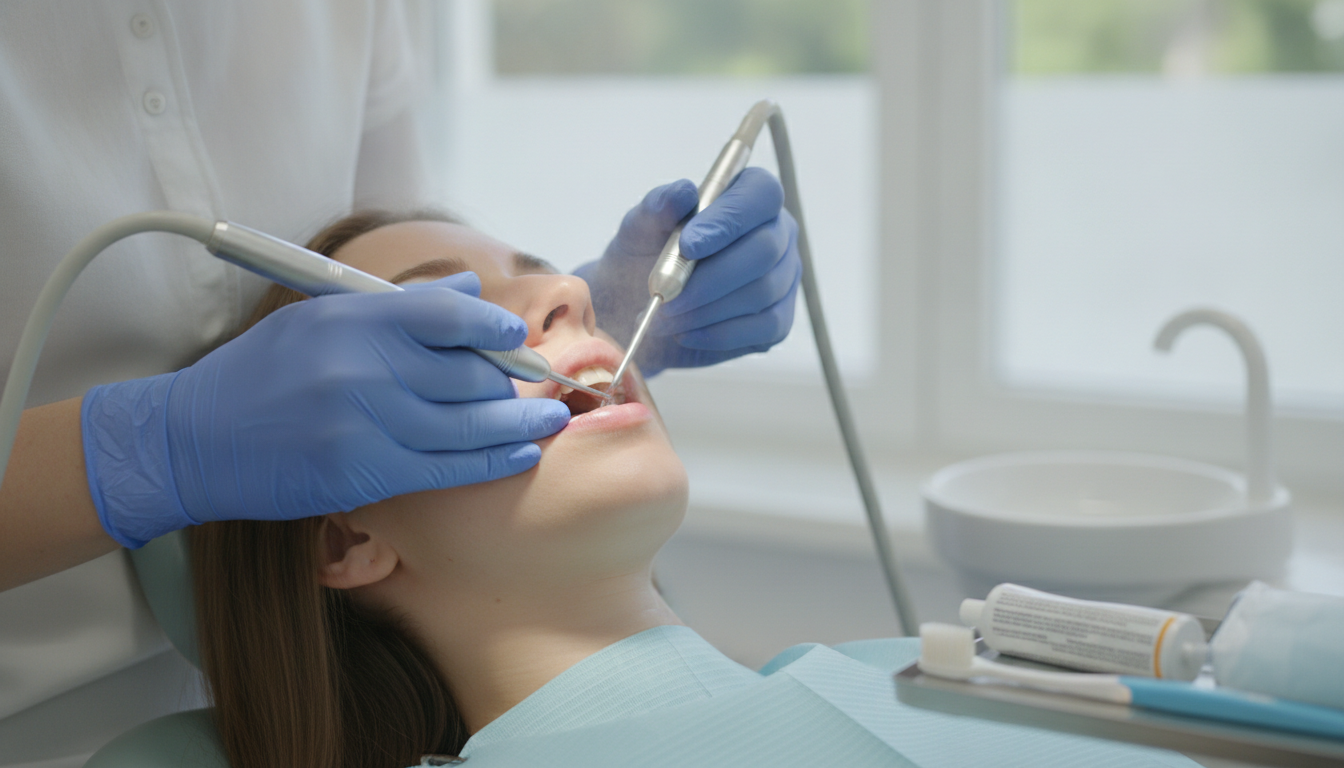
During a standard professional cleaning, a registered dental hygienist uses specialized ultrasonic and hand scalers to scrape away calcified plaque buildup from all tooth surfaces and beneath the soft tissue margins—a process impossible to achieve with a home toothbrush.
Scaling and Root Planing
If your condition has begun transitioning toward early periodontitis, your dentist may recommend a deep cleaning procedure known as scaling and root planing:
- Scaling: Removes tartar and bacterial toxins from above and below the gumline.
- Root Planing: Smoothes out rough spots on the roots of your teeth. Smooth root surfaces make it harder for bacteria, plaque, and tartar to adhere in the future, allowing the gum tissue to reattach securely to the teeth.
Step 7: Establish a Long-Term Prevention Routine
Reversing gingivitis is a major achievement, but maintaining healthy gums requires consistency. Once your gums have returned to a firm, pink, non-bleeding state, lock in your progress with a simple daily and monthly protocol.
The Daily Oral Health Checklist
- Morning: Brush gently for two minutes using a soft brush; follow up with a gentle, non-alcoholic mouthwash or salt water rinse.
- After Meals: Rinse your mouth thoroughly with water to wash away lingering sugar particles and acidic residues.
- Evening: Thoroughly floss all interdental spaces, brush for two minutes, and utilize target nutritional support to aid nighttime tissue recovery.
To keep your teeth clean and your mouth feeling fresh every single day, consider adopting an all-natural dental care solution into your ongoing preventative routine.
Schedule Regular Dental Checkups
Visit your dentist at least every six months for a routine checkup and professional cleaning. If you are prone to rapid plaque buildup, have diabetes, or smoke, your dentist may recommend visiting every three to four months to ensure gingivitis never returns.
Reclaim Your Healthy Smile Today
Finding pink in the sink or noticing soft, swollen gums can be unsettling, but it should be viewed as an opportunity to act before permanent harm occurs. Gingivitis is your body’s clear request for better care.
By committing to a precise brushing method, flossing daily, optimizing your nutritional intake, and addressing lifestyle factors, you can reverse gum inflammation and safeguard your smile. Start implementing these steps today—your teeth and gums will thank you for years to come!









