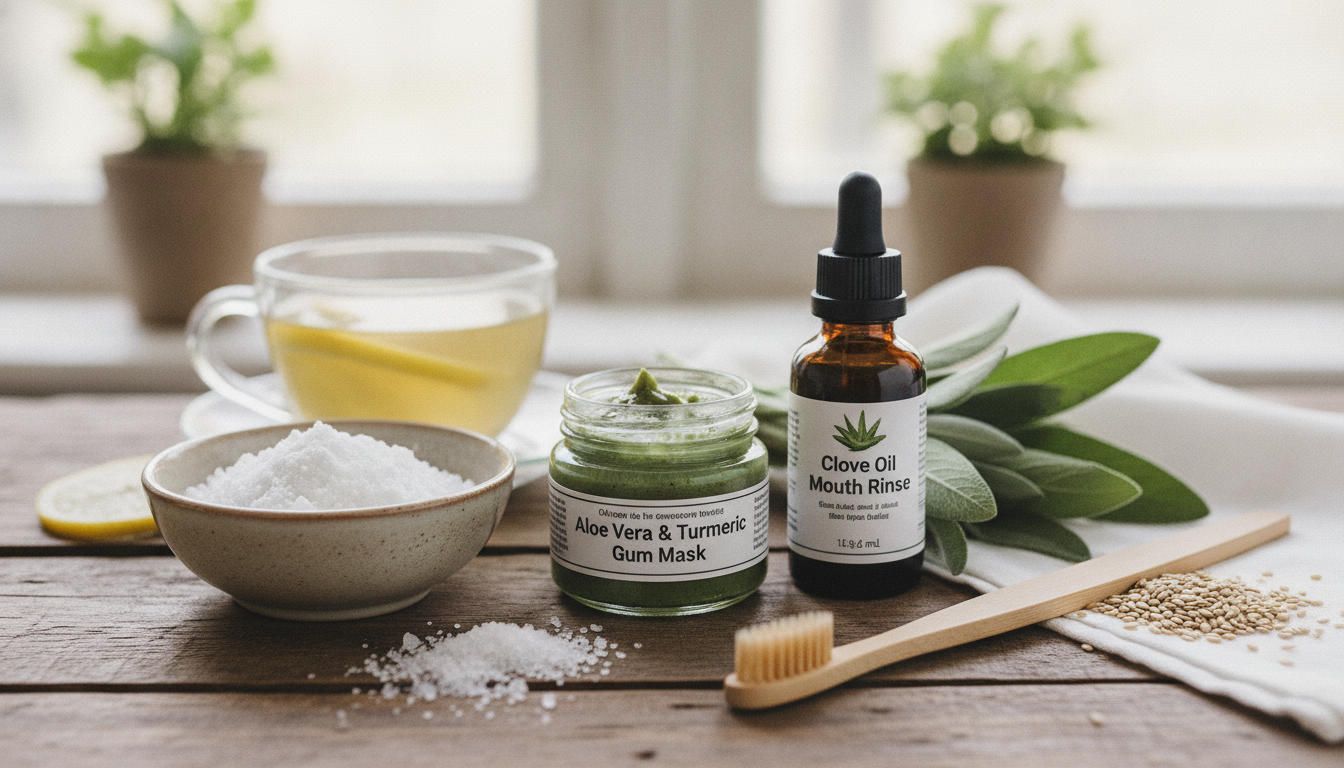
Noticing a splash of red in the sink after brushing your teeth can be alarming. Bleeding gums, tenderness, persistent bad breath, and slight swelling are all classic warning signs of gingivitis.
As the earliest stage of gum disease, gingivitis affects millions of adults worldwide. The good news? Unlike advanced periodontitis, gingivitis is completely reversible. With prompt action, proper care, and target solutions, you can restore your gum health in as little as 10 to 14 days.
If you want to know how to cure gingivitis at home fast, this comprehensive guide covers everything you need: from fast-acting natural remedies and correct hygiene techniques to vital lifestyle adjustments that stop bacterial infection in its tracks.
Understanding Gingivitis: What Causes It and Why Speed Matters
Before diving into treatments, it is essential to understand what is happening inside your mouth.
Gingivitis occurs when a sticky, colorless film of bacteria—known as plaque buildup—accumulates along the gumline. If plaque isn’t effectively removed through daily brushing and flossing, the bacteria release toxins that irritate, inflame, and erode the delicate gum tissue.
Key Symptoms of Gingivitis
- Red, swollen gums that feel tender to the touch.
- Bleeding gums during brushing or flossing.
- Gums that appear to be pulling away from your teeth (receding gums).
- Persistent bad breath (halitosis) that doesn’t go away with mints.
- A change in the way your teeth fit together when you bite.
Why You Must Act Quickly
Ignoring early gingivitis symptoms allows plaque to harden into tartar (calculus). Tartar can only be removed by a dental professional and creates a rough surface for even more bacteria to hide.
Left unchecked, chronic inflammation causes gums to detach from teeth, forming deep pockets that trap bacteria. This leads to periodontitis, an advanced stage of gum disease that causes permanent bone loss, severe tissue damage, and eventually, tooth loss.
Actively working to reverse gingivitis fast at home protects your smile, saves money on costly dental procedures, and safeguards your overall systemic health.
5 Fast-Acting Home Remedies for Gingivitis
If your gums are inflamed and bleeding, natural remedies can provide immediate relief by neutralizing harmful bacteria and reducing inflammation. Here are the most effective, research-backed natural remedies for gingivitis.
1. Warm Salt Water Rinse
Salt water is one of the oldest, simplest, and most effective ways to soothe inflamed gums. Salt acts as a natural disinfectant, draws excess fluid out of swollen tissues, and creates an alkaline environment in the mouth where harmful bacteria struggle to survive.
- How to use it: Dissolve 1/2 to 3/4 teaspoon of salt in a glass of warm water. Swish the solution gently around your mouth for 30 seconds, ensuring it reaches all corners, then spit it out. Repeat 2 to 3 times daily, especially after meals.
2. Oil Pulling with Coconut Oil
Oil pulling for gums is an ancient Ayurvedic practice that has gained significant support from modern science. Virgin coconut oil contains high amounts of lauric acid, a compound renowned for its antimicrobial and anti-inflammatory properties. Pulling oil helps break down bacterial membranes and removes sticky bacterial plaque.
- How to use it: Put 1 tablespoon of organic, cold-pressed coconut oil into your mouth. Swish and push the oil through your teeth for 15 to 20 minutes. (Do not swallow, as the oil becomes filled with bacteria). Spit the oil into a trash can (to avoid clogging pipes), rinse your mouth with warm water, and brush your teeth normally.
3. Diluted Hydrogen Peroxide Rinse
Food-grade, 3% hydrogen peroxide is a powerful antibacterial agent. It releases oxygen in the mouth, creating an environment that kills anaerobic bacteria—the specific strain responsible for deep gum infections and plaque accumulation.
- How to use it: Mix equal parts 3% hydrogen peroxide and water (for example, 1 tablespoon of each). Swish the solution in your mouth for 30 seconds, spit it out completely, and rinse with plain water. Use this remedy 2 to 3 times a week. Never swallow hydrogen peroxide.
4. Natural Herbal Rinses (Tea Tree & Clove Oil)
Essential oils contain concentrated antibacterial and healing compounds. Tea tree oil is exceptionally effective at reducing gum bleeding, while clove oil contains eugenol, a natural anesthetic and strong antiseptic that rapidly reduces pain and swelling.
- How to use it: Add 2 to 3 drops of pure tea tree oil or clove oil to a cup of warm water. Swish for 30 seconds and spit. Alternatively, you can look for natural toothpaste formulas containing these botanical extracts.
5. Fresh Aloe Vera Gel
Aloe vera possesses remarkable wound-healing and anti-inflammatory qualities. Studies show that pure aloe vera can be just as effective as conventional chlorhexidine mouthwashes at reducing plaque buildup and soothing red, raw gum tissues.
- How to use it: Swish pure, food-grade aloe vera juice in your mouth for 1 to 2 minutes twice daily, or gently massage raw aloe vera gel directly onto your gums using clean fingertips.
Modern Science & Dental Supplements: Elevating Your Healing Process
While home rinses provide surface-level relief, curing chronic gum inflammation often requires targeted nutritional support. Harmful bacteria can hide deep within tissues, and if your body lacks the proper internal defenses, home rinses alone may fall short.
To significantly speed up recovery and restore balance to your oral microbiome, consider adding a specialized dental support formula to your daily regimen. Using targeted nutrients helps fight deep-seated bacteria, strengthen fragile tissue, and eliminate persistent bleeding.
For fast, powerful results, you can boost your daily routine with this advanced dental health supplement, designed to support healthy gums and eradicate harmful oral bacteria from the inside out.
The Ultimate 4-Step Daily Oral Hygiene Routine
Home remedies work best when paired with an impeccable daily oral hygiene routine. To cure gingivitis fast, you must overhaul how you clean your teeth every single day.
   +-------------------------------------------------+

   |   THE 4-STEP DAILY GUM RECOVERY PROTOCOL        |

   +-------------------------------------------------+

   |  1. Soft-Bristle Brushing (2x daily, 2 mins)    |

   |  2. Precision Flossing or Water Flossing        |

   |  3. Tongue Scraping (Remove bacteria reservoir) |

   |  4. Therapeutic Alcohol-Free Mouthwash          |

   +-------------------------------------------------+
Step 1: Master Proper Brushing Technique
Brushing aggressively or using hard bristles can severely damage swollen gums, pushing them back further.
- Use a soft-bristle toothbrush (or an electric toothbrush with a sensitive head).
- Hold the brush at a 45-degree angle toward your gumline. This directs the bristles slightly under the edge of the gum, where plaque concentrates.
- Use small, gentle circular motions rather than harsh back-and-forth sawing movements.
- Brush for a full two minutes, spending 30 seconds on each quadrant of your mouth.
Step 2: Floss Deeply—Every Single Day
Brushing only cleans about 60% of your tooth surfaces. The remaining 40% lies between your teeth, precisely where gingivitis symptoms often begin.
- Traditional Floss: Gently slide floss between teeth. Curve it into a “C” shape around the side of each tooth and slide it slightly below the gumline. Move up and down to scrape off plaque.
- Water Flossers: If manual flossing causes excessive bleeding or discomfort, an oral irrigator (water flosser) uses pressurized water to flush out plaque and debris from deep gum pockets without mechanical friction.
Step 3: Don’t Forget Tongue Scraping
The surface of your tongue acts as a massive sponge for bacteria. As you sleep or eat, millions of microbes accumulate on the back of the tongue, continually recontaminating your gums. Use a dedicated copper or stainless-steel tongue scraper every morning to clean your tongue from back to front.
Step 4: Rinse with an Alcohol-Free Mouthwash
Many commercial mouthwashes contain high percentages of alcohol. While alcohol kills bacteria, it also dries out your mouth. A dry mouth lacks saliva—your body’s natural defense mechanism against plaque accumulation. Choose an alcohol-free antibacterial or therapeutic rinse enriched with essential oils or xylitol.
Diet and Lifestyle Adjustments for Rapid Gum Healing
What you put into your body plays a critical role in how quickly your tissue heals. To supercharge your effort to cure gingivitis naturally, implement these key nutritional and lifestyle habits.
1. Boost Your Vitamin C and Vitamin D Intake
- Vitamin C: Essential for collagen production, which repairs damaged connective tissue in your gums. Low levels of Vitamin C are directly linked to fragile, bleeding gums. Include citrus fruits, bell peppers, strawberries, and broccoli in your diet.
- Vitamin D: Helps your body absorb calcium and reduces systemic inflammation. Low Vitamin D levels make you far more susceptible to gum disease treatment failures. Spend time outdoors in safe sunlight or take a high-quality D3 supplement.
2. Cut Out Refined Sugars and Simple Carbohydrates
Harmful oral bacteria feed primarily on sugar. When you consume sugary snacks, sodas, or refined carbs (white bread, pastries), these microbes produce acidic byproducts that attack your enamel and irritate your gums. Eliminating sugar starches starves pathogenic bacteria and dramatically speeds up recovery.
3. Drink Plenty of Water
Saliva is rich in enzymes, minerals, and antibodies that continuously wash away food particles and neutralize bacterial acids. Staying hydrated ensures optimal saliva production throughout the day.
4. Stop Smoking and Vaping
Tobacco smoke restricts blood flow to your gums, depriving them of vital oxygen and nutrients required for healing. Furthermore, smoking impairs your immune system’s ability to fight off bacterial infection. Quitting smoking is one of the most powerful steps you can take to save your teeth.
5. Manage Stress
Chronic stress elevates cortisol levels in the body, which suppresses immune function and increases systemic inflammation. High stress makes it significantly harder for your body to fight off everyday oral bacteria.
Maximizing Results: Why Internal Support Is Essential
Even with rigorous brushing, flossing, and dietary changes, microscopic bacteria can remain buried deep within periodontal pockets. Over time, these persistent microbial colonies cause recurrent inflammation and tissue breakdown.
Internal nutraceuticals help bridge this gap by supplying targeted antioxidants, anti-inflammatory compounds, and vitamins directly into the bloodstream to nourish your gums from within.
If you are serious about achieving healthy, firm gums and want to accelerate your healing timeline, integrating high-grade nutritional support is crucial. You can explore this effective oral health and gum care formula to provide your body with the exact nutrients needed to rebuild collagen, eliminate deep-seated bacteria, and maintain long-term dental vitality.
How Long Does It Take to Cure Gingivitis?
When managed consistently, early-stage gingivitis can be completely reversed in as little as 7 to 14 days. However, full recovery depends on several factors:
- Severity of the inflammation: Mild redness resolves much faster than severe, long-standing swelling.
- Consistency: Skipping flossing or home remedies will delay results.
- Overall Health: Systemic factors like diabetes or smoking can slow down tissue healing.
Healing Timeline Expectations:
- Days 1–3: Bleeding during brushing may peak initially as trapped plaque is dislodged, but pain and swelling will begin to subside.
- Days 4–7: Bleeding gums should visibly decrease. Gum color will start transitioning from dark red back to a healthy light pink.
- Days 8–14: Tissue becomes firm, tight against the teeth, and completely painless during normal oral care routine.
When to See a Dentist
While learning how to cure gingivitis at home fast empowers you to take control of your health, home remedies cannot replace professional care in severe cases. You should schedule an appointment with your dentist if:
- Your symptoms do not improve after two weeks of strict home care.
- You experience severe pain or localized swelling (which may indicate a tooth abscess).
- Your teeth feel loose or shift position when eating.
- Your gums are receding significantly, exposing the roots of your teeth.
- Pus is present around your gumline.
A dental hygienist can perform a professional deep cleaning (scaling and root planing) to remove hardened tartar buildup that cannot be removed at home.
Summary Checklist to Cure Gingivitis at Home
To quickly eliminate gum infection and restore pristine oral health, follow this daily checklist:
- Brush twice daily for 2 minutes using a soft-bristle brush at a 45-degree angle.
- Floss daily using traditional string floss or a water flosser.
- Rinse twice a day with warm salt water or diluted hydrogen peroxide.
- Practice oil pulling with coconut oil 3 to 4 times a week.
- Eliminate sugary foods and drink plenty of fresh water.
- Incorporate targeted oral supplements like this complete dental wellness solution to strengthen gum tissue internally.
By acting fast and maintaining discipline, you can reverse gingivitis naturally, stop bleeding, eliminate bad breath, and protect your smile for a lifetime.









