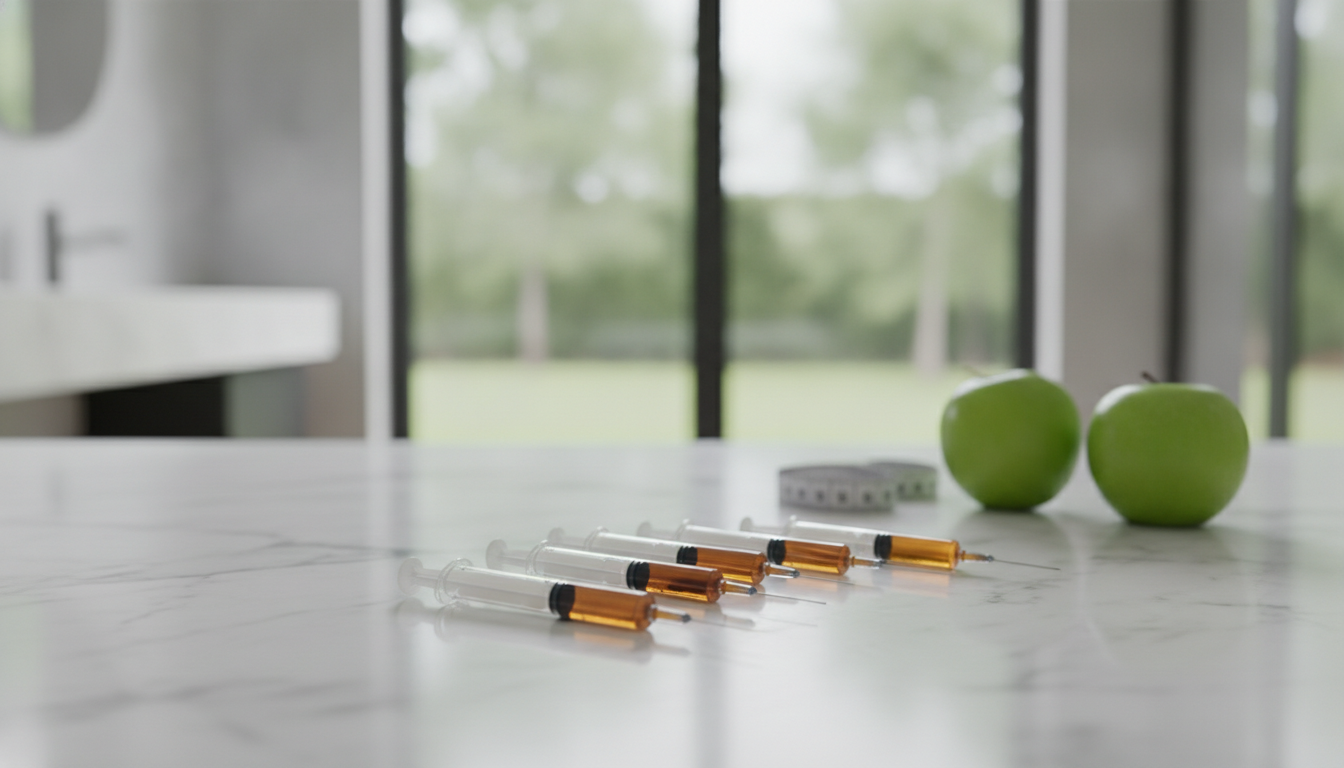
In recent years, the landscape of weight management has undergone a massive transformation. What was once dominated entirely by strict calorie counting, intensive exercise regimes, and traditional dietary supplements has now expanded to include prescription-strength medical interventions. At the forefront of this revolution are weight loss shots—injectable medications that have taken the health, wellness, and medical communities by storm.
From Hollywood celebrities to everyday individuals struggling with chronic obesity, injectable medications like semaglutide and tirzepatide are frequently hailed as miracle solutions. However, entering the world of medical weight loss requires a thorough understanding of how these drugs work, what benefits they truly offer, the potential health risks involved, and the significant financial commitment required.
This comprehensive guide will break down everything you need to know about weight loss shots, helping you evaluate their benefits, understand their side effects, examine their true costs, and decide on the best path forward for your health journey.
What Are Weight Loss Shots and How Do They Work?
Weight loss shots are prescription or clinical injectable treatments designed to help individuals shed excess body weight. While there are different types of injections available on the market, the vast majority of modern, highly effective weight loss injections belong to a class of drugs known as GLP-1 receptor agonists (glucagon-like peptide-1 receptor agonists) or dual GLP-1/GIP receptor agonists.
The Science Behind GLP-1 and GIP Injections
GLP-1 is a naturally occurring metabolic hormone produced in the intestines. It plays a critical role in regulating blood sugar levels and appetite. When you eat, GLP-1 is released, signaling to your brain that you are full and instructing your stomach to slow down digestion.
Injectable medications replicate and amplify these natural signals. The primary mechanisms include:
- Delayed Gastric Emptying: The injection slows down the speed at which food leaves your stomach. This keeps you feeling physically full for significantly longer periods.
- Appetite Suppression: The active ingredients interact directly with the appetite centers in the brain (specifically the hypothalamus), reducing hunger signals and cutting down constant food cravings, often referred to as “food noise.”
- Insulin and Blood Sugar Regulation: These shots stimulate the pancreas to release insulin when blood glucose is elevated while suppressing glucagon, preventing dangerous blood sugar spikes and crashes.
Common Types of Injectable Weight Loss Medications
- Semaglutide: Sold under brand names such as Wegovy (FDA-approved specifically for weight loss) and Ozempic (FDA-approved for type 2 diabetes but frequently prescribed off-label for weight reduction). Semaglutide is administered once weekly.
- Tirzepatide: Sold as Zepbound (approved for weight loss) and Mounjaro (approved for diabetes). Tirzepatide is a dual-action drug targeting both GLP-1 and GIP (glucose-dependent insulinotropic polypeptide) receptors, often resulting in even greater body weight reduction.
- Liraglutide: Sold as Saxenda. This is an older generation GLP-1 agonist that requires a daily injection rather than a weekly one.
- Lipotropic Injections: Often referred to as B12 weight loss shots or MIC (Methionine, Inositol, Choline) injections. Unlike GLP-1 medications, these are non-prescription vitamin and amino acid cocktails intended to boost liver function and speed up fat metabolism.
The Key Benefits of Weight Loss Shots
The massive popularity of prescription weight loss injections is not just marketing hype; it is backed by substantial clinical research. For individuals who have spent years struggling with obesity management without success, these shots can yield life-changing results.
1. Significant and Rapid Weight Reduction
Clinical trials for drugs like semaglutide and tirzepatide have demonstrated unprecedented results compared to older weight-loss pharmaceuticals.
- In clinical trials, adults taking the highest dose of semaglutide (2.4 mg) lost an average of 15% of their total body weight over 68 weeks.
- Tirzepatide has shown even higher efficacy, with patients losing up to 20% to 22.5% of their body weight in clinical studies.
For a person weighing 230 pounds, a 15% to 20% loss translates to shedding 34 to 46 pounds, which drastically improves overall physical mobility and quality of life.
2. Improved Metabolic and Cardiovascular Health
Losing substantial amounts of visceral fat leads to major internal health improvements. Studies show that GLP-1 receptor agonists can:
- Lower baseline blood pressure.
- Improve cholesterol profiles by reducing LDL (bad) cholesterol and triglycerides.
- Increase insulin sensitivity, helping to prevent or reverse type 2 diabetes.
- Reduce the overall risk of major cardiovascular events, such as heart attacks and strokes, in adults with established heart disease.
3. Elimination of “Food Noise” and Cravings
One of the most profound benefits reported by patients is mental relief. Chronic dieting often leaves individuals battling persistent thoughts of food throughout the day. By acting directly on neural pathways, weight loss shots diminish these obsessive cravings, making it dramatically easier to adhere to a healthy calorie deficit without relying solely on willpower.
While these pharmaceutical injections deliver powerful medical results, they are not the only way to kickstart your metabolism and regain control over your appetite. If you prefer an all-natural, non-invasive approach that works synergistically with your body without requiring weekly needles, you can explore this proven natural weight loss solution to support your body’s fat-burning processes naturally.
Understanding the Potential Side Effects and Risks
Despite their impressive efficacy, weight loss injections are powerful medical drugs, not magic pills. They alter internal hormonal functions and gastrointestinal processes, which almost universally results in side effects ranging from mild discomfort to severe medical complications.
Common Gastrointestinal Side Effects
Because GLP-1 medications deliberately slow down the digestive tract, gastrointestinal distress is the most common category of side effects of weight loss injections. Up to 70% of users report experiencing one or more of the following symptoms, particularly when starting the treatment or increasing the dosage:
- Nausea and Vomiting: Often worst during the first few days after an injection.
- Diarrhea or Constipation: Delayed digestion can disrupt bowel regularity severely.
- Acid Reflux and Heartburn: Food lingering longer in the stomach can force stomach acid up into the esophagus.
- Abdominal Bloating and Gas: Slow gastric motility can lead to unpleasant trapped gas and uncomfortable stomach distension.
- Fatigue: Reduced caloric intake combined with metabolic shifts can leave users feeling abnormally tired.
Serious Risks and Long-Term Warnings
While mild side effects often fade as the body adjusts, there are several serious, potentially long-term health risks associated with GLP-1 weight loss drugs:
- Gallbladder Problems: Rapid weight loss increases the concentration of cholesterol in bile, leading to a higher risk of gallstones and inflamed gallbladder (cholecystitis), which may require surgical removal.
- Pancreatitis: Inflammation of the pancreas is a severe, potentially life-threatening condition linked to GLP-1 medications. Symptoms include severe abdominal pain radiating to the back.
- Gastroparesis (Stomach Paralysis): In some cases, the slowing of the stomach becomes severe and permanent, leading to intractable vomiting, severe pain, and chronic digestive blockage.
- Muscle Loss (Sarcopenia): Rapid weight loss from these injections often involves shedding significant amounts of lean muscle tissue alongside fat. This can lower resting metabolic rate, making long-term weight maintenance difficult.
- Thyroid C-Cell Tumor Risk: In animal studies, GLP-1 drugs caused thyroid tumors. While it remains unclear if this applies equally to humans, these drugs carry a black-box warning against use by individuals with a personal or family history of Medullary Thyroid Carcinoma (MTC) or Multiple Endocrine Neoplasia syndrome type 2 (MEN 2).
The Weight Rebound Effect
Perhaps the most crucial drawback of weight loss shots is what happens when you stop taking them. Research indicates that once the medication is discontinued, appetite signals return in full force, digestion speeds back up, and the majority of patients regain up to two-thirds of the lost weight within a year. This implies that for most people, these injections must be taken indefinitely to maintain results.
The Financial Reality: How Much Do Weight Loss Shots Cost?
One of the largest hurdles for individuals considering medical weight loss is the staggering financial cost. These medications are expensive to produce, heavily patented, and in high demand globally.
Average Out-of-Pocket Expenses
If your health insurance does not cover weight loss medications, the out-of-pocket cost of weight loss shots can be financially prohibitive:
- Wegovy (Semaglutide): Typically costs between $1,300 and $1,450 per month ($15,600+ per year).
- Zepbound (Tirzepatide): Averages between $1,000 and $1,200 per month.
- Saxenda (Liraglutide): Costs around $1,300 to $1,400 per month.
- Ozempic / Mounjaro: If prescribed off-label for weight loss without a type 2 diabetes diagnosis, costs range from $900 to $1,200 per month.
- Lipotropic / B12 Shots: Much less expensive, ranging from $30 to $100 per injection, but they lack the drastic clinical weight loss data associated with GLP-1s.
The Insurance Landscape
Insurance coverage for weight loss injections is notoriously spotty and complex.
- Commercial Insurance: Many private insurance plans explicitly exclude weight-loss drugs from their coverage policies, viewing them as lifestyle medications rather than essential treatments. Those that do cover them often require strict “prior authorization,” proving that you have failed at traditional diet plans and meet specific BMI thresholds.
- Medicare: By federal law, Medicare is currently prohibited from covering drugs used specifically for weight loss, though it may cover them if prescribed for diabetes or cardiovascular risk reduction.
- Medicaid: Coverage varies by state, with only a small minority of state Medicaid programs offering coverage for anti-obesity medications.
When factoring in doctor visits, mandatory blood work, and potential side-effect treatments, the annual cost of medical injections can easily top $15,000.
For many people, spending over a thousand dollars every month indefinitely is simply not realistic. Fortunately, you don’t need expensive prescription drugs to kick-start your fat loss journey. If you are looking for a high-quality, budget-friendly alternative that targets sluggish metabolism and helps burn stubborn fat without breaking the bank, take a look at this advanced dietary weight loss formula.
Who Qualifies for Weight Loss Injections?
Because weight loss shots carry clinical risks and high costs, they are not intended for casual weight loss (such as dropping 5 or 10 pounds for a vacation). Medical guidelines establish specific criteria for who should be considered for prescription therapy.
Medical Eligibility Criteria
Generally, healthcare providers follow FDA guidelines to determine eligibility. You may qualify for prescription weight loss injections if you meet one of the following criteria:
- A Body Mass Index (BMI) of 30 or higher: Classified as clinical obesity.
- A BMI of 27 or higher with at least one weight-related medical condition: Such as high blood pressure, high cholesterol, type 2 diabetes, or obstructive sleep apnea.
Non-Candidates
Injectable medications are generally not recommended for:
- Pregnant women or those trying to conceive.
- Individuals with a history of pancreatitis.
- Patients with a personal or family history of medullary thyroid carcinoma.
- Individuals suffering from active eating disorders.
Injections vs. Natural Alternatives: Making the Right Choice
Choosing how to approach your health journey is a deeply personal decision. While prescription weight loss injections offer strong clinical efficacy, they require a lifelong commitment, involve invasive weekly needles, carry risks of unpleasant side effects, and place a heavy strain on your wallet.
On the other hand, focusing on holistic health—combining a balanced diet, resistance training, adequate sleep, and targeted metabolic support—delivers sustainable, long-term health improvements without relying on synthetic pharmaceuticals.
| Feature | Weight Loss Shots (GLP-1s) | Natural Metabolic Supplements |
|---|---|---|
| Primary Mechanism | Hormonal appetite suppression & delayed digestion | Natural metabolic activation & thermogenesis |
| Method of Delivery | Weekly or daily subcutaneous injection | Oral capsules / liquid |
| Average Monthly Cost | $900 – $1,400+ | $40 – $80 |
| Common Side Effects | Severe nausea, vomiting, diarrhea, muscle loss | Minimal to none when taken as directed |
| Long-Term Dependency | High (weight rebound upon stopping) | Low (supports sustainable lifestyle changes) |
| Prescription Required? | Yes | No |
If you are hesitant about the risks, high monthly fees, or uncomfortable gastrointestinal side effects associated with synthetic medical injections, starting with a powerful natural supplement is a smart, safe step. Before committing to a lifetime of expensive injections, you can experience powerful fat-burning benefits by integrating this effective natural weight loss supplement into your daily routine.
Final Thoughts: Finding Your Path to Sustainable Weight Loss
Weight loss shots represent a landmark achievement in modern medical science. For millions of people struggling with severe obesity and metabolic disease, drugs like semaglutide and tirzepatide provide a powerful tool to regain control over their health, lower their cardiovascular risks, and shed significant amounts of body weight.
However, these injections are not without compromise. The high financial investment, persistent gastrointestinal side effects, potential for long-term complications, and high probability of weight rebound make them a serious medical decision rather than a quick fix.
Ultimately, whether you choose prescription injections, natural supplementation, or dedicated lifestyle modifications, real and permanent weight loss requires a long-term commitment to your health. Always consult with a qualified healthcare professional before beginning any new weight loss regimen to choose the safest, most effective strategy for your individual body and budget.









